Understanding Trisomy: Types, Causes, and Treatment
Comprehensive guide to trisomy disorders: what they are, types, diagnosis, and management.
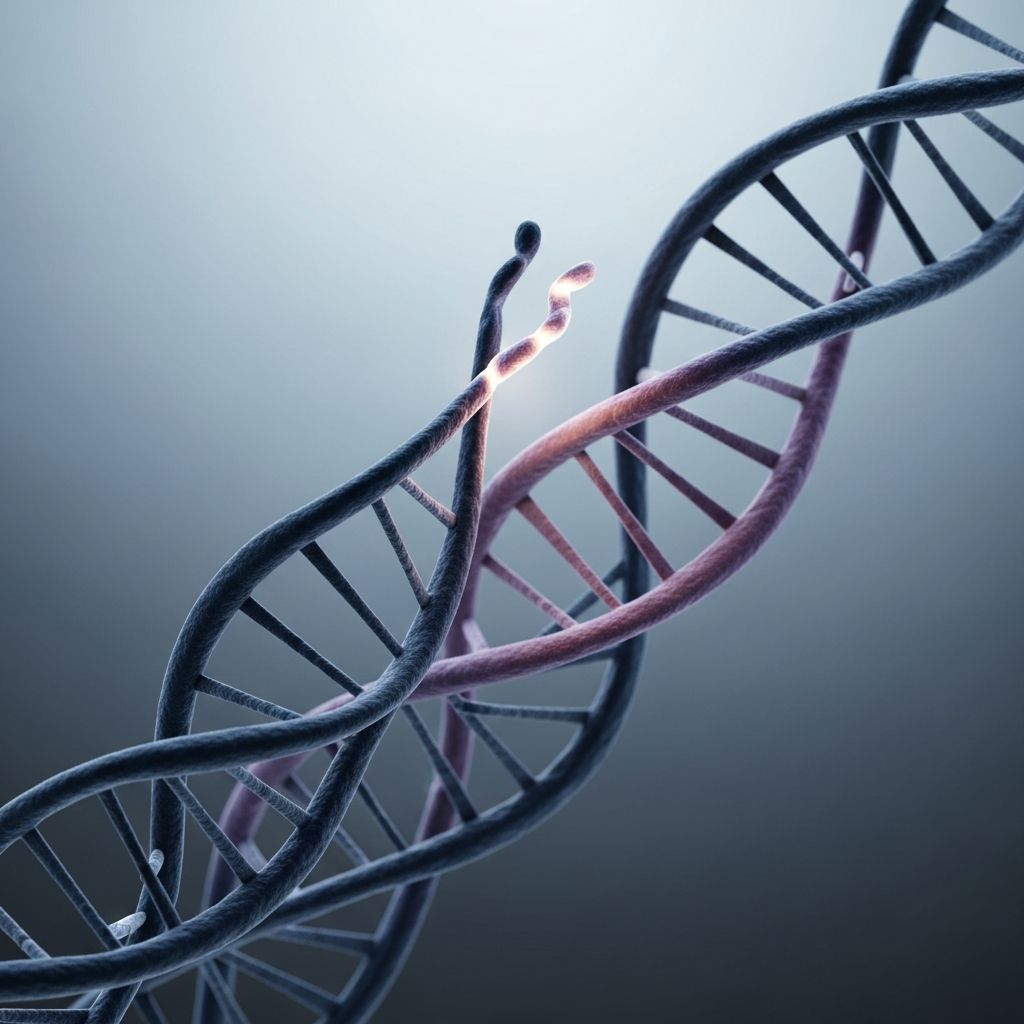
What Is Trisomy?
Trisomy is a genetic condition that results in an extra copy of a chromosome. Normally, humans have 46 chromosomes arranged in 23 pairs. However, individuals with trisomy have 47 chromosomes instead of 46, with one chromosome appearing three times instead of two. This chromosomal abnormality occurs when cells divide abnormally during reproduction, resulting in a third copy of a particular chromosome being passed on to the developing fetus.
Each chromosome contains genetic instructions that serve as a blueprint for your body’s development and function. When a third copy of a chromosome attaches to a chromosomal pair, it disrupts the normal genetic balance, leading to various physical and developmental abnormalities. The specific trisomy a child has depends on which chromosome has the extra copy, resulting in different genetic conditions with varying severity and outcomes.
How Trisomy Develops
Trisomy occurs through a process called nondisjunction, where chromosomes fail to separate properly during cell division. During meiosis—the process that creates sex cells (sperm and eggs)—the 23rd pair of chromosomes, which are your sex cells, should divide equally. Sex cells are designated as XX for females or XY for males, instead of as a number. When these sex cells divide abnormally, they can retain an extra copy of a chromosome. When an egg or sperm carrying an extra chromosome combines with a normal sex cell during fertilization, the resulting embryo has 47 chromosomes instead of the typical 46.
The risk of trisomy increases with maternal age, particularly for conditions like Down syndrome. However, trisomy can occur in pregnancies at any age. The condition is not inherited and cannot be prevented, though prenatal screening can detect it during pregnancy.
Types of Trisomy Disorders
Healthcare providers identify trisomy disorders based on which chromosome has a third copy. Since each chromosome has a different role in your body’s genetic blueprint, the location of the extra chromosome determines which specific condition develops. The most common trisomy conditions include:
Trisomy 21 (Down Syndrome)
Trisomy 21, also known as Down syndrome, is the most common type of trisomy. Individuals with this condition have an extra copy of chromosome 21. Down syndrome can range in severity, with some individuals experiencing mild intellectual disabilities while others have more significant developmental delays. People with Down syndrome may have characteristic facial features, low muscle tone, and varying degrees of intellectual disability. Many individuals with Down syndrome can live relatively independent lives with appropriate support and medical care.
Trisomy 18 (Edwards Syndrome)
Trisomy 18, commonly known as Edwards syndrome, is a rare genetic condition caused by a triplication of the 18th chromosome. This condition affects inner organs, overall growth, and creates anatomical anomalies. Symptoms are severe and life-threatening, including congenital heart defects, kidney abnormalities, and growth restrictions. Unfortunately, Edwards syndrome has a very poor prognosis. Only approximately 13 out of 100 babies born with Edwards syndrome survive their first birthday, and very few children survive longer than five years. Those who do survive often face severe cognitive and intellectual impairments.
Trisomy 13 (Patau Syndrome)
Trisomy 13, also known as Patau syndrome, occurs when an extra copy of chromosome 13 attaches to a pair of chromosomes. This rare genetic condition affects the development of the face, brain, and heart, along with several other internal organs. Symptoms of trisomy 13 are life-threatening and result in a significant risk of miscarriage or death before the child’s first birthday. Physical symptoms include cleft palate, extra fingers or toes, low muscle tone, and a small head. Internal organ abnormalities can affect the heart, lungs, brain, and spinal cord. Nearly 80% of babies diagnosed with trisomy 13 don’t survive past their first year, and only 10% survive past their first year.
Related Stories



Sex Cell Trisomies
Sex cell trisomies occur when the 23rd pair of chromosomes, the sex chromosomes, have an abnormal number of copies. These conditions differ from the autosomal trisomies mentioned above. Common sex cell trisomies include Triple X syndrome, Klinefelter syndrome, and Turner syndrome. These conditions generally have better prognoses than autosomal trisomies, though they still require medical monitoring and management.
Physical and Developmental Effects
An extra chromosome changes the blueprint for your baby’s development and will cause physical abnormalities that are present at birth, known as congenital defects. These include distinct facial features, intellectual disabilities, and growth delays. The severity of these effects depends on which chromosome is affected.
Physical symptoms commonly associated with trisomy include:
– Distinctive facial features- Low muscle tone (hypotonia)- Growth delays and short stature- Extra fingers or toes (polydactyly)- Cleft palate or lip- Heart defects- Kidney and urinary tract abnormalities
Beyond the visible physical abnormalities, many children born with trisomy develop subsequent health concerns following their diagnosis. These can include frequent ear infections, heart problems, sleep apnea, gastrointestinal issues, vision problems, and hearing loss. With adequate medical treatment and management, children with trisomy can achieve better outcomes and quality of life, though the prognosis varies significantly depending on the specific trisomy type.
Diagnosis and Screening
Trisomy can be detected through prenatal screening during pregnancy or through postnatal testing after birth. Prenatal screening options include:
– First-trimester screening (nuchal translucency ultrasound and blood tests)- Second-trimester screening (quadruple marker test)- Noninvasive prenatal testing (NIPT), which analyzes fetal DNA in maternal blood- Cell-free fetal DNA testing
If screening results suggest a possible trisomy, additional diagnostic tests help confirm the diagnosis. These confirmatory tests include:
– Amniocentesis: A procedure where amniotic fluid is sampled to analyze fetal chromosomes- Chorionic villus sampling (CVS): A test that examines placental tissue for chromosomal abnormalities- Karyotyping: A laboratory test that visualizes and counts chromosomes- Chromosomal microarray analysis: A detailed genetic test that identifies chromosomal imbalances
After birth, healthcare providers diagnose trisomy through blood tests and genetic analysis. Newborns suspected of having trisomy will undergo confirmatory testing to establish an accurate diagnosis, which guides subsequent medical management and treatment planning.
Survival Rates and Prognosis
The survival rate for babies born with trisomy varies significantly depending on the type. For trisomy 18 and trisomy 13, the survival rate after the first few weeks of life is particularly low due to the severity of the condition, especially delayed or abnormal organ development. Research examining hospital care reveals important prognostic information:
In a national database study of over 66.2 million infants, researchers identified 5,792 newborns with trisomy 13 from 2003 to 2018, representing approximately 0.01% of all infants. The neonatal mortality rate was 58%, a number that has remained largely unchanged for nearly two decades. The highest mortality rates were associated with serious complications such as pulmonary hemorrhage (91%), lung anomalies (77%), and diaphragmatic hernia (75%), among other severe congenital abnormalities.
For trisomy 13 specifically, approximately 80% of babies don’t survive past their first year, and only 10% survive beyond one year of age. Those who do survive often face life-threatening complications after their first year, including increased risk of cancer and seizures. For Edwards syndrome (trisomy 18), only about 13 out of 100 babies survive their first birthday, with very few surviving longer than five years.
Your healthcare provider will assess your baby’s health and offer treatment to increase the survival rate for children born with trisomy. Medical interventions and surgical procedures have expanded in recent decades, allowing for prolonged survival in some cases, though the underlying prognosis remains challenging.
Treatment and Management
Trisomy is a lifelong condition that requires long-term treatment to alleviate symptoms and support quality of life. Treatment varies depending on the specific trisomy type and the severity of associated health problems. Comprehensive treatment for children born with trisomy includes:
Medical Interventions
Newborns with trisomy typically spend time in the neonatal intensive care unit (NICU) where healthcare providers offer life-saving medical care. A level IV NICU provides the most advanced care for complex, high-risk newborns. Common medical interventions include:
– Respiratory support for breathing difficulties- Cardiac monitoring and management- Nutritional support, including feeding tubes when necessary- Management of infections and complications- Medication to address specific health issues
Surgical Interventions
Many children with trisomy require surgical procedures to address congenital abnormalities. The average length of stay in the hospital is 10 days, a significant increase in recent years likely associated with the use of interventions. Between 2003 and 2006, the average length of stay was seven days, while infants born between 2015 and 2018 had an average hospital stay of 12 days. Common surgical procedures include:
– Heart surgery to repair cardiac defects- Palate repair for cleft palate- G-tube placement for feeding support- Tracheostomy for respiratory support
Ongoing Care and Support
Long-term management of trisomy includes regular medical follow-up, developmental support, educational services, and family counseling. Children with trisomy often benefit from early intervention programs, physical therapy, occupational therapy, and speech therapy. Regular monitoring for common complications such as ear infections, hearing loss, vision problems, and heart issues is essential for optimal health outcomes.
Lifestyle and Quality of Life
With adequate treatment and support, your child will be able to live a happy and full life. The quality of life for individuals with trisomy depends on the severity of their condition and the availability of appropriate medical and educational support. Many children with Down syndrome (trisomy 21), for example, can attend mainstream schools, develop meaningful friendships, and participate in community activities. As adults, many individuals with Down syndrome can work and live semi-independently or independently with support.
For individuals with the more severe forms of trisomy, such as Edwards syndrome and Patau syndrome, quality of life may be more limited due to ongoing health challenges and developmental needs. However, families often find meaning and joy in their time with their child, and palliative care can help ensure comfort and dignity.
Genetic Counseling and Decision-Making
A prenatal diagnosis of trisomy involves significant emotional, ethical, and medical considerations. Genetic counseling is essential for parents to understand their options, which may include continuing the pregnancy with medical preparation, pursuing comfort care approaches, or other choices depending on their values and circumstances. Healthcare providers including neonatologists, obstetrician/gynecologists, maternal-fetal medicine specialists, and palliative care teams work together to support families in their clinical decision-making.
Frequently Asked Questions
Q: Is trisomy inherited or genetic?
A: Trisomy is a genetic condition, but it is not typically inherited from parents. It occurs due to random chromosomal errors during cell division. Parents with a child who has trisomy generally have a low risk of recurrence in future pregnancies, though this varies by trisomy type and maternal age.
Q: Can trisomy be prevented?
A: Trisomy cannot be prevented, as it results from random chromosomal errors during cell division. However, prenatal screening can detect trisomy during pregnancy, allowing parents to prepare for their child’s birth and access appropriate medical care.
Q: What is the difference between trisomy 21, 18, and 13?
A: The three most common trisomies differ in which chromosome is affected and their severity. Trisomy 21 (Down syndrome) has the best prognosis with many individuals living into adulthood. Trisomy 18 (Edwards syndrome) and trisomy 13 (Patau syndrome) are more severe, with most babies not surviving past infancy.
Q: How is trisomy diagnosed after birth?
A: After birth, trisomy is diagnosed through blood tests and genetic analysis, including karyotyping and chromosomal microarray analysis. These tests confirm the diagnosis and help guide medical treatment and management planning.
Q: What treatments are available for trisomy?
A: Treatment is individualized based on the specific trisomy type and associated health problems. Common treatments include medical management in the NICU, surgical interventions for congenital abnormalities, ongoing medical follow-up, and developmental support services.
Q: Can people with trisomy live normal lives?
A: This depends on the specific trisomy type. Many individuals with trisomy 21 (Down syndrome) can live relatively normal lives with appropriate support, attending school, working, and living independently or semi-independently. Those with trisomy 18 and trisomy 13 face more severe challenges and typically have shorter lifespans.
References
- Types of Trisomy Disorders — Cleveland Clinic. 2024. https://my.clevelandclinic.org/health/diseases/22912-trisomy
- Changes in Hospital Care of Newborn Infants with Trisomy 13 — Farghaly, M., et al. National Inpatient Sample Database Study. 2024. https://pubmed.ncbi.nlm.nih.gov/39987298/
- Trisomy 13 (Patau Syndrome): Symptoms, Causes & Outlook — Cleveland Clinic. 2023. https://my.clevelandclinic.org/health/diseases/24647-trisomy-13-patau-syndrome
- Edward’s Syndrome (Trisomy 18) — Physiopedia. 2024. https://www.physio-pedia.com/Edward’s_Syndrome_(Trisomy_18)
- Down Syndrome: Symptoms & Causes — Cleveland Clinic. 2024. https://my.clevelandclinic.org/health/diseases/17818-down-syndrome
- Aneuploidy: Genetic Disorder Causes & Types — Cleveland Clinic. 2024. https://my.clevelandclinic.org/health/diseases/24060-aneuploidy
Similar Articles








Read full bio of Sneha Tete