Understanding Tumors: Types, Causes & Treatment Options
Comprehensive guide to tumor formation, classification, and modern treatment approaches for benign and malignant growths.
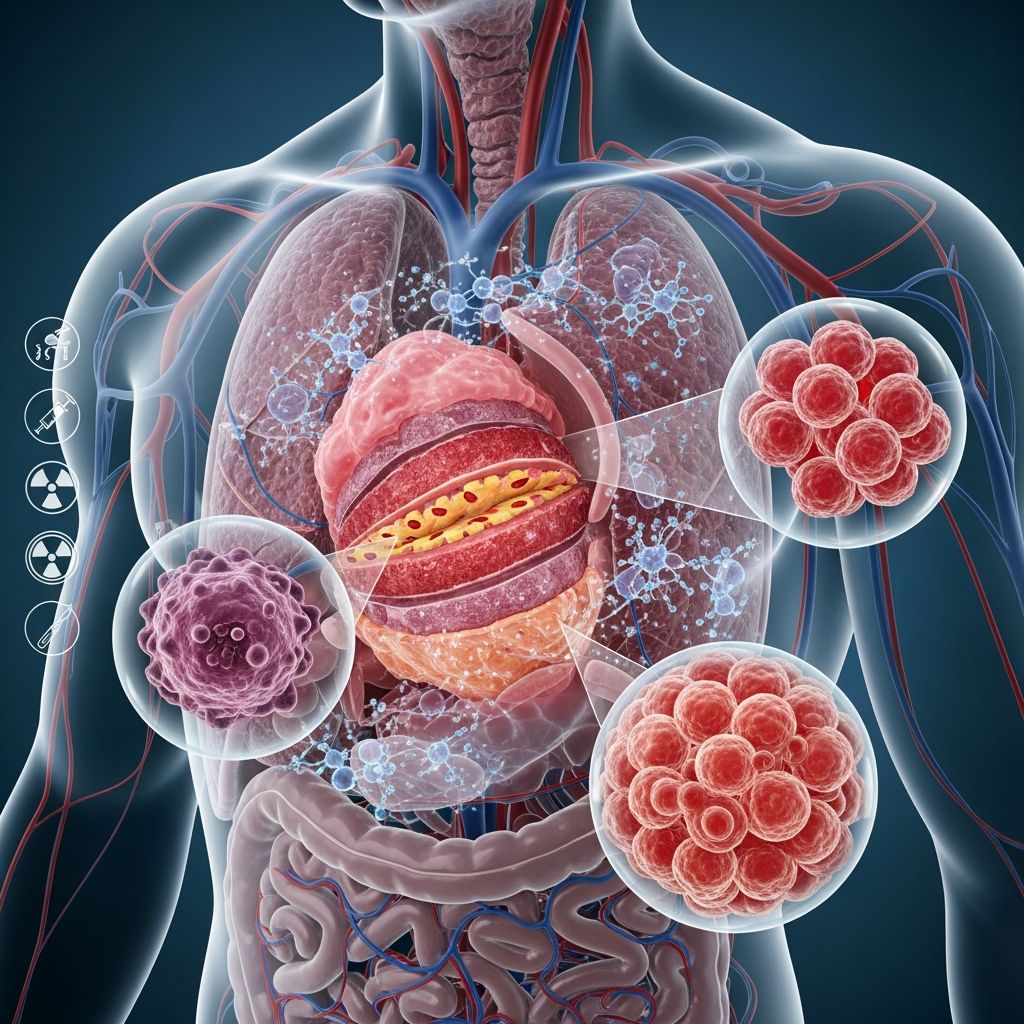
What Is a Tumor?
A tumor is an abnormal growth of cells that forms when cells in your body multiply uncontrollably. This growth can occur in virtually any part of your body, including organs, tissues, blood vessels, and nerves. Understanding what constitutes a tumor and how it develops is essential for recognizing potential health concerns and seeking appropriate medical care.
When cells in your body receive damage to their DNA, they may lose the ability to control their growth and division. Normally, your body’s cells follow a carefully regulated process—growing when needed, dividing to replace worn-out cells, and dying when they reach the end of their lifespan. However, when this regulatory system malfunctions, cells may continue dividing even when they shouldn’t, creating a mass of abnormal tissue known as a tumor.
Benign vs. Malignant Tumors
Healthcare providers classify tumors into two main categories based on whether they are cancerous or noncancerous:
Benign Tumors
Benign tumors are noncancerous growths that typically grow slowly and do not spread to other parts of your body. These tumors generally remain localized to their area of origin and usually do not pose a serious threat to life. Common examples of benign tumors include lipomas (fatty tissue growths), fibromas (fibrous tissue growths), and certain types of adenomas (glandular tumors).
Although benign tumors are not cancerous, they can still cause problems depending on their location and size. A benign tumor pressing on a nerve or blood vessel, for instance, may cause pain, numbness, or other complications. In some cases, benign tumors may need to be removed if they interfere with normal body functions or cause discomfort.
Malignant Tumors
Malignant tumors are cancerous growths composed of cells that can grow rapidly, invade surrounding tissues, and spread to distant parts of your body. This ability to spread, known as metastasis, distinguishes malignant tumors from benign ones and makes them significantly more dangerous to overall health. Malignant tumors require prompt medical attention and aggressive treatment strategies.
Cancerous cells in malignant tumors often have abnormal appearances and behavior compared to normal cells. They may divide more rapidly, resist the body’s natural cell death signals, and develop the ability to invade blood vessels and lymphatic channels, allowing them to travel throughout the body.
Primary Tumors vs. Metastatic Tumors
Another important classification distinguishes between primary and metastatic tumors:
Primary Tumors
A primary tumor is the original cancerous growth that develops in a specific organ or tissue. This is where cancer first forms before it has any opportunity to spread elsewhere. Primary tumors are named based on the type of cell and location where they originate. For example, a tumor that begins in the breast is called primary breast cancer, and a tumor that originates in the lung is called primary lung cancer.
Related Stories



Metastatic Tumors
Metastatic tumors, also called secondary tumors, form when cancer cells break away from a primary tumor, travel through the bloodstream or lymphatic system, and establish new tumors in different parts of the body. This process is called metastasis. Importantly, a metastatic tumor retains the characteristics of the cells from which it originated. For instance, if breast cancer spreads to the brain, the tumor in the brain consists of breast cancer cells, making it metastatic breast cancer rather than primary brain cancer.
Common Types of Tumors
Medical professionals have identified numerous tumor types classified by their location and cell origin:
Brain and Nervous System Tumors
Gliomas are tumors that arise from glial cells, which support and protect nerve cells in the brain. Gliomas represent one of the most common types of primary brain tumors.
Glioblastoma is the most aggressive type of glioma and represents one of the most serious brain tumors. These fast-growing tumors require intensive treatment approaches.
Meningiomas develop from the meninges, the membrane that surrounds the brain and spinal cord. While usually benign, these tumors can still cause significant problems if they grow large enough to compress brain tissue.
Schwannomas originate from cells that form the protective coating around nerves. These tumors typically grow slowly and are often benign.
Pituitary tumors form in the pituitary gland, a small gland at the base of the brain that produces hormones controlling various body functions.
Spinal Tumors
Spinal tumors can develop within the spinal cord itself or in the tissues surrounding it. These tumors may originate in the spine or spread from cancer elsewhere in the body.
Skull Base Tumors
Tumors at the skull base—the area where the skull meets the upper spine—present unique surgical challenges due to their proximity to critical nerves and blood vessels.
Other Tumor Types
Lymphomas affect the lymphatic system and blood, while metastatic tumors can occur in virtually any organ when cancer spreads from its primary site.
Causes and Risk Factors
While researchers have made significant progress understanding tumor development, the exact causes remain complex and often involve multiple factors working together:
Genetic Damage
Tumor development typically begins with damage to genes on your cell chromosomes. Your DNA contains instructions that tell cells when to grow, divide, and die. When this genetic code becomes damaged, cells may ignore these normal regulatory signals and begin multiplying uncontrollably.
Risk Factors
Several factors may increase your likelihood of developing tumors, including:
- Age (tumor risk generally increases with age)
- Family history of cancer
- Exposure to carcinogens (cancer-causing substances)
- Smoking and tobacco use
- Excessive alcohol consumption
- Prolonged sun exposure without protection
- Certain viral infections
- Obesity
- Hormonal factors
- Previous cancer treatment
Symptoms and Diagnosis
Common Symptoms
Tumor symptoms vary widely depending on the type, location, and size of the growth. Some tumors cause no symptoms and are discovered incidentally during imaging for other reasons. When symptoms do occur, they may include:
- Unusual lumps or masses that can be felt under the skin
- Persistent pain in the affected area
- Swelling or inflammation
- Changes in skin appearance
- Unexplained weight loss
- Fatigue or weakness
- Neurological symptoms (for brain or spinal tumors)
- Digestive problems (for abdominal tumors)
- Difficulty breathing (for lung tumors)
Diagnostic Approaches
If a tumor is suspected, healthcare providers employ various diagnostic tools and techniques to confirm the diagnosis and gather crucial information about the tumor’s characteristics:
- Physical examination: Your doctor may palpate the area to assess the tumor’s location, size, and texture
- Imaging studies: MRI, CT scans, PET scans, and ultrasound can visualize tumors and assess their extent
- Biopsy: A tissue sample is removed and examined under a microscope to determine if cells are benign or malignant
- Blood tests: Laboratory tests can reveal tumor markers or other abnormalities
- Endoscopy: A thin tube with a camera allows direct visualization of internal tumors
Tumor Staging and Grading
For malignant tumors, healthcare providers use staging systems to determine how advanced the cancer is and guide treatment decisions:
TNM Staging System
Most cancers are staged using the TNM system, which evaluates:
- T (Tumor): The size and extent of the primary tumor
- N (Node): Whether cancer has spread to nearby lymph nodes
- M (Metastasis): Whether cancer has spread to distant organs
Stage assignments range from 0 to IV. Lower numbers typically indicate smaller tumors that healthcare providers can remove, while higher numbers indicate cancers that have spread to lymph nodes or distant organs.
Early vs. Late Stage
Early-stage cancers (Stages I-III) typically involve less intensive treatments and are more likely to be curable. Late-stage or metastatic cancer (Stage IV) means cancer cells have spread to distant areas of your body, and treatment may focus on slowing cancer progression or managing symptoms.
Treatment Options
Treatment approaches for tumors depend on multiple factors including tumor type, size, location, stage, and overall patient health:
Surgical Treatment
Surgery remains a cornerstone of tumor treatment, with the goal of removing as much tumor tissue as possible while preserving normal tissue function. Surgical approaches include:
- Open surgery: Traditional surgical removal of the tumor
- Minimally invasive surgery: Techniques using smaller incisions and advanced instruments
- Endoscopic surgery: Using a thin tube with a camera to access tumors
- Awake craniotomy: Brain surgery performed while the patient is awake to preserve critical brain functions
- Laser-assisted surgery: Using focused laser energy to remove tumor tissue
Radiation Therapy
Radiation therapy uses high-energy beams to damage cancer cells’ DNA and prevent their growth. Modern radiation techniques include:
- 3D conformal radiation therapy (3D-CRT): Shaped beams conform to tumor contours
- Intensity-modulated radiation therapy (IMRT): Adjustable beam intensities target tumors more precisely
- Stereotactic radiosurgery: High-dose radiation delivered in one or few sessions
Chemotherapy
Chemotherapy uses powerful drugs to kill cancer cells throughout the body. These medications can be administered intravenously, orally, or directly into the affected area.
Targeted Therapy and Immunotherapy
Modern cancer treatment increasingly employs targeted therapies that attack specific genetic mutations in cancer cells and immunotherapy approaches that harness the body’s own immune system to fight cancer. These approaches often have fewer side effects than traditional chemotherapy and can be highly effective for specific tumor types.
Combination Approaches
Many patients benefit from multimodal treatment combining surgery, radiation, and chemotherapy or other systemic therapies tailored to their specific tumor characteristics.
Prognosis and Outlook
The prognosis for tumors varies considerably based on tumor type, stage at diagnosis, patient age, overall health status, and response to treatment. Benign tumors typically have excellent prognoses, especially if they can be completely removed. Early-stage malignant tumors often have better outcomes than advanced cancers. Ongoing advances in cancer research and treatment continue to improve survival rates and quality of life for tumor patients.
Frequently Asked Questions About Tumors
Q: Are all tumors cancerous?
A: No. Approximately two-thirds of tumors are benign (noncancerous). Benign tumors grow slowly, do not spread, and typically do not pose a serious health threat unless they interfere with normal body functions.
Q: Can benign tumors become malignant?
A: While most benign tumors remain benign, some types can rarely transform into malignant tumors over time. Regular monitoring is important for certain benign tumors to detect any changes early.
Q: How is a tumor diagnosed?
A: Diagnosis typically involves imaging studies such as MRI or CT scans, followed by a biopsy where a tissue sample is examined under a microscope to determine whether cells are benign or malignant.
Q: What does metastasis mean?
A: Metastasis refers to the spread of cancer cells from a primary tumor to distant parts of the body through the bloodstream or lymphatic system. A metastatic tumor retains the characteristics of the original cancer cells.
Q: How are tumors staged?
A: Most cancers are staged using the TNM system, which evaluates the tumor size (T), involvement of lymph nodes (N), and presence of distant metastasis (M). Stages range from 0 to IV, with higher numbers indicating more advanced cancer.
Q: What is the difference between a tumor and cancer?
A: A tumor is an abnormal growth of cells, which can be benign or malignant. Cancer specifically refers to malignant tumors composed of cells that can grow uncontrollably and spread to other parts of the body.
Q: Can tumors be prevented?
A: While not all tumors can be prevented, you can reduce your risk by maintaining a healthy lifestyle, avoiding carcinogens like tobacco smoke, limiting alcohol consumption, protecting your skin from sun exposure, maintaining a healthy weight, and attending regular health screenings.
Q: What are treatment options for tumors?
A: Treatment depends on tumor type, size, location, and stage. Options include surgery to remove the tumor, radiation therapy to damage cancer cells, chemotherapy, targeted therapy, immunotherapy, or combinations of these approaches.
References
- Brain Tumor: Symptoms, Signs & Causes — Cleveland Clinic. 2024. https://my.clevelandclinic.org/health/diseases/6149-brain-cancer-brain-tumor
- What Is Cancer? Symptoms, Causes & Types — Cleveland Clinic. 2024. https://my.clevelandclinic.org/health/diseases/12194-cancer
- How Cancer Stage Impacts Treatment — Cleveland Clinic. 2024. https://my.clevelandclinic.org/watch/cancer-stage-and-treatment
- Brain Tumor & Neuro-Oncology Center — Cleveland Clinic. 2024. https://my.clevelandclinic.org/departments/neurological/depts/brain-tumor-neuro-oncology
- Get Brain Tumor Treatment — Cleveland Clinic. 2024. https://my.clevelandclinic.org/services/brain-tumor-treatment
- Cancer Biology — Cleveland Clinic Lerner Research Institute. 2024. https://www.lerner.ccf.org/cancer-biology/
Similar Articles








Read full bio of medha deb