Understanding Types of Stroke: Causes, Classifications, and Symptoms
Comprehensive guide to stroke types, classification systems, symptoms, and diagnosis to aid timely treatment.
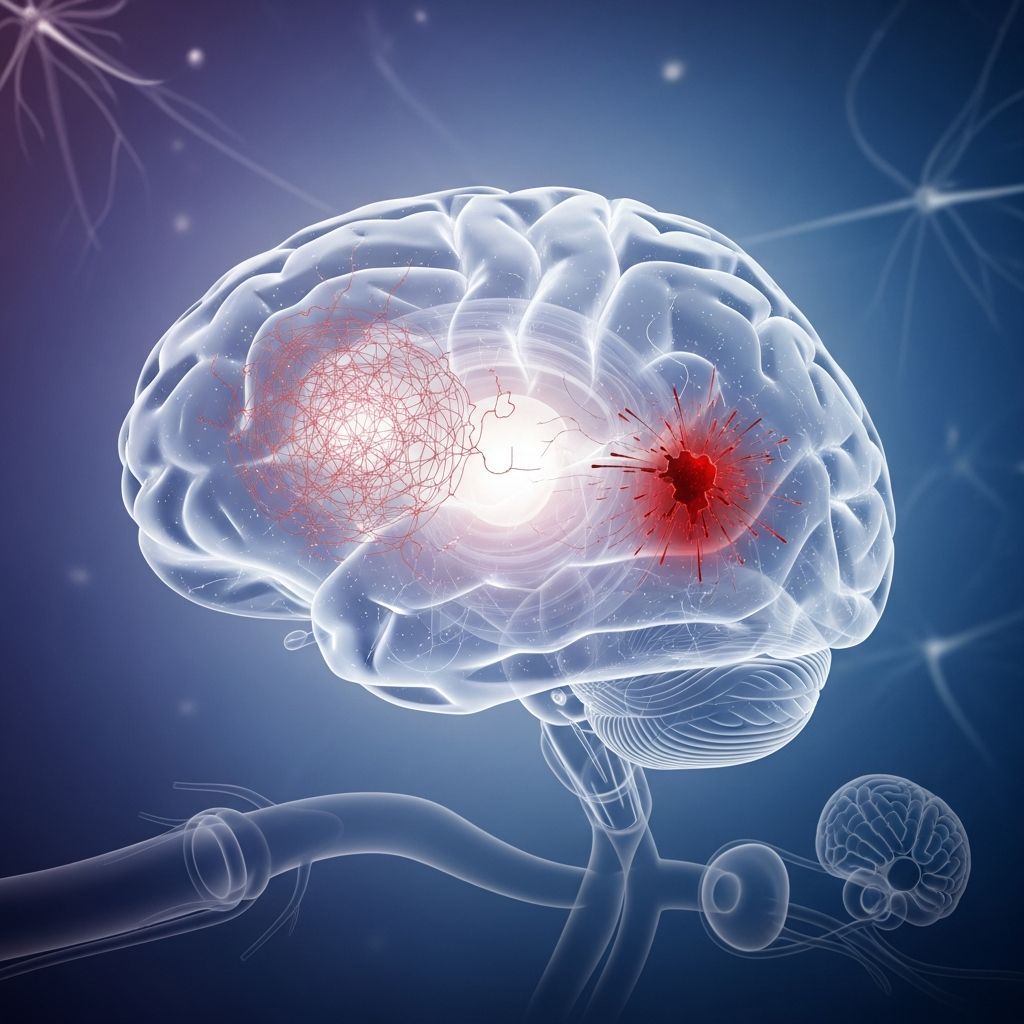
Introduction to Stroke
A stroke is a medical emergency that occurs when blood flow to the brain is interrupted or reduced, depriving brain tissue of vital oxygen and nutrients. This results in the rapid death of brain cells and can cause lasting disability or death if not treated promptly. Understanding the different types of stroke, along with their causes, symptoms, and classification, is crucial for effective prevention, diagnosis, and treatment.
The Main Types of Stroke
Strokes are broadly categorized into two principal types based on the underlying mechanism that disrupts cerebral blood flow:
- Ischemic Stroke: Caused by a blockage within a blood vessel supplying the brain, leading to reduced or ceased blood flow.
- Hemorrhagic Stroke: Caused by the rupture of a blood vessel, leading to bleeding within or around the brain tissue.
Transient Ischemic Attack (TIA) or Mini-Stroke
In addition to these two main types, there is the transient ischemic attack (TIA), often called a mini-stroke. A TIA is caused by a temporary blockage that resolves within minutes to hours, producing stroke-like symptoms without causing permanent brain damage. TIAs are important warning signs for potential future strokes and require immediate medical evaluation.
Ischemic Stroke
The most common form of stroke, accounting for approximately 80-87% of all strokes, ischemic stroke results from blockage in an artery that supplies blood to the brain. The blockage may be due to a blood clot or atherosclerotic plaque buildup.
Types of Ischemic Stroke
According to the TOAST classification system (Trial of Org 10172 in Acute Stroke Treatment), ischemic strokes are classified by their underlying cause, which influences treatment and prevention strategies:
- Large-vessel Atherosclerosis: Narrowing or blockage of large arteries like the carotid or cerebral arteries due to plaque buildup.
- Cardioembolism: Clots formed in the heart (often due to atrial fibrillation) that travel to cerebral vessels.
- Small-vessel Disease (Lacunar Infarcts): Blockage of small, deep penetrating arteries typically due to hypertension or diabetes.
- Other Determined Causes: Less common causes like dissection, vasculitis, or hypercoagulable states.
- Undetermined Causes (Cryptogenic): Cases where the cause is unknown or multiple potential causes are identified.
Clinical Syndromes of Ischemic Stroke — The Oxfordshire Community Stroke Project (OCSP) Classification
The OCSP classification categorizes ischemic strokes based on clinical presentation and brain territory affected, useful in emergency settings before imaging results. The four syndromes include:
- Total Anterior Circulation Syndrome (TACS): Involves large cortical strokes encompassing areas supplied by the middle and anterior cerebral arteries. Features include:
- Unilateral motor and/or sensory deficit affecting face, arm, and leg
- Higher cerebral dysfunction (e.g., dysphasia, neglect, dyspraxia)
- Homonymous hemianopia
- Partial Anterior Circulation Syndrome (PACS): Less severe than TACS, with only some features such as two of the three TACS symptoms or higher cerebral dysfunction alone.
- Lacunar Syndrome (LACS): Small vessel strokes resulting in pure motor, pure sensory, sensorimotor, ataxic hemiparesis, or clumsy hand dysarthria syndromes.
- Posterior Circulation Syndrome (POCS): Symptoms related to brainstem or cerebellar ischemia such as isolated homonymous hemianopia, cranial nerve palsies, cerebellar ataxia, or other brainstem signs.
Related Stories



Hemorrhagic Stroke
Accounting for approximately 13-15% of stroke cases, hemorrhagic strokes occur when a blood vessel ruptures causing bleeding inside or around the brain. This bleeding leads to damage by increasing pressure on brain tissue and disrupting its function.
Types of Hemorrhagic Stroke
- Intracerebral Hemorrhage (ICH): Bleeding directly within the brain tissue, often due to hypertension, trauma, or vascular malformations.
- Subarachnoid Hemorrhage (SAH): Bleeding into the subarachnoid space (between the brain and the thin tissues covering it), most commonly caused by rupture of an aneurysm or an arteriovenous malformation.
Symptoms of Hemorrhagic Stroke
- Sudden, severe headache often described as ‘the worst headache ever’
- Neurological deficits similar to ischemic stroke (weakness, numbness, speech difficulties)
- Altered consciousness or confusion
- Nausea and vomiting
- Seizures may occur
Other Forms of Stroke
Brainstem Stroke
Strokes in the brainstem, the area connecting the brain to the spinal cord, can affect vital functions such as breathing, heart rate, and consciousness, often causing locked-in syndrome or coma. These strokes may present with symptoms such as bilateral weakness, difficulty breathing, or cranial nerve abnormalities.
Cerebellar Stroke
A stroke in the cerebellum affects coordination and balance, causing dizziness, ataxia, nausea, and vomiting. These symptoms are critical to identify promptly to prevent complications such as brainstem compression.
Diagnosis and Importance of Classification
Timely and accurate diagnosis of stroke type is essential to guide treatment options and improve outcomes. Common diagnostic uses include:
- Physical and Neurological Examination: Initial assessment to identify signs like weakness, sensory deficits, and speech disturbance.
- Imaging: Computed tomography (CT) scan or magnetic resonance imaging (MRI) differentiates ischemic from hemorrhagic stroke and identifies affected brain regions.
- Vascular Imaging: Carotid ultrasound, CT angiography, or MR angiography to locate arterial blockages or ruptured vessels.
- Cardiac Evaluation: Echocardiography and electrocardiography to detect cardiac causes of embolism.
Treatment Overview
Treatment strategies depend on the stroke type:
- Ischemic Stroke: Aim to restore blood flow with clot-dissolving medications (thrombolytics), mechanical thrombectomy, and secondary prevention with anticoagulants, antiplatelets, and risk factor control.
- Hemorrhagic Stroke: Manage bleeding and reduce intracranial pressure using blood pressure control, surgical intervention when appropriate, and supportive care.
- Transient Ischemic Attack: Urgent evaluation to prevent full stroke with medications and lifestyle changes.
Frequently Asked Questions (FAQs)
Q: What is the difference between ischemic and hemorrhagic stroke?
A: Ischemic stroke is caused by a blocked artery reducing blood flow to the brain, while hemorrhagic stroke is caused by bleeding from a ruptured blood vessel in the brain.
Q: What symptoms should prompt immediate medical attention for stroke?
A: Sudden weakness or numbness on one side of the body, difficulty speaking or understanding speech, sudden vision problems, severe headache, dizziness, or loss of balance should prompt emergency care.
Q: Can a transient ischemic attack (TIA) lead to a stroke?
A: Yes, TIAs are warning signs indicating a high risk for a future, possibly more severe stroke. Immediate medical evaluation and treatment can reduce this risk.
Q: How does stroke classification affect treatment?
A: Knowing the stroke type and underlying cause guides choice of therapies, such as clot-busting drugs for ischemic strokes and controlling bleeding for hemorrhagic strokes.
Q: What are lacunar strokes?
A: Lacunar strokes are small, deep brain infarcts caused by occlusion of small penetrating arteries, often related to chronic high blood pressure and diabetes.
References
- Types of Stroke — Johns Hopkins Medicine. 2023-11-01. http://www.hopkinsmedicine.org/health/conditions-and-diseases/stroke/types-of-stroke
- Stroke: classification and diagnosis — The Pharmaceutical Journal. 2023-06-20. https://pharmaceutical-journal.com/article/ld/stroke-classification-and-diagnosis
- Types of Strokes and Treatment — Brigham and Women’s Hospital. 2024-01-10. https://www.brighamandwomens.org/neurosurgery/cerebrovascular/stroke/types
- Stroke Classification | Bamford | Oxford — Geeky Medics. 2023-12-05. https://geekymedics.com/stroke-classification/
- About Stroke — CDC. 2023-10-15. https://www.cdc.gov/stroke/about/index.html
Similar Articles








Read full bio of Sneha Tete