Understanding Unequal Pupils: Anisocoria Explained
Discover the causes, symptoms, and treatments for anisocoria, the condition where your pupils differ in size, and when to seek urgent care.
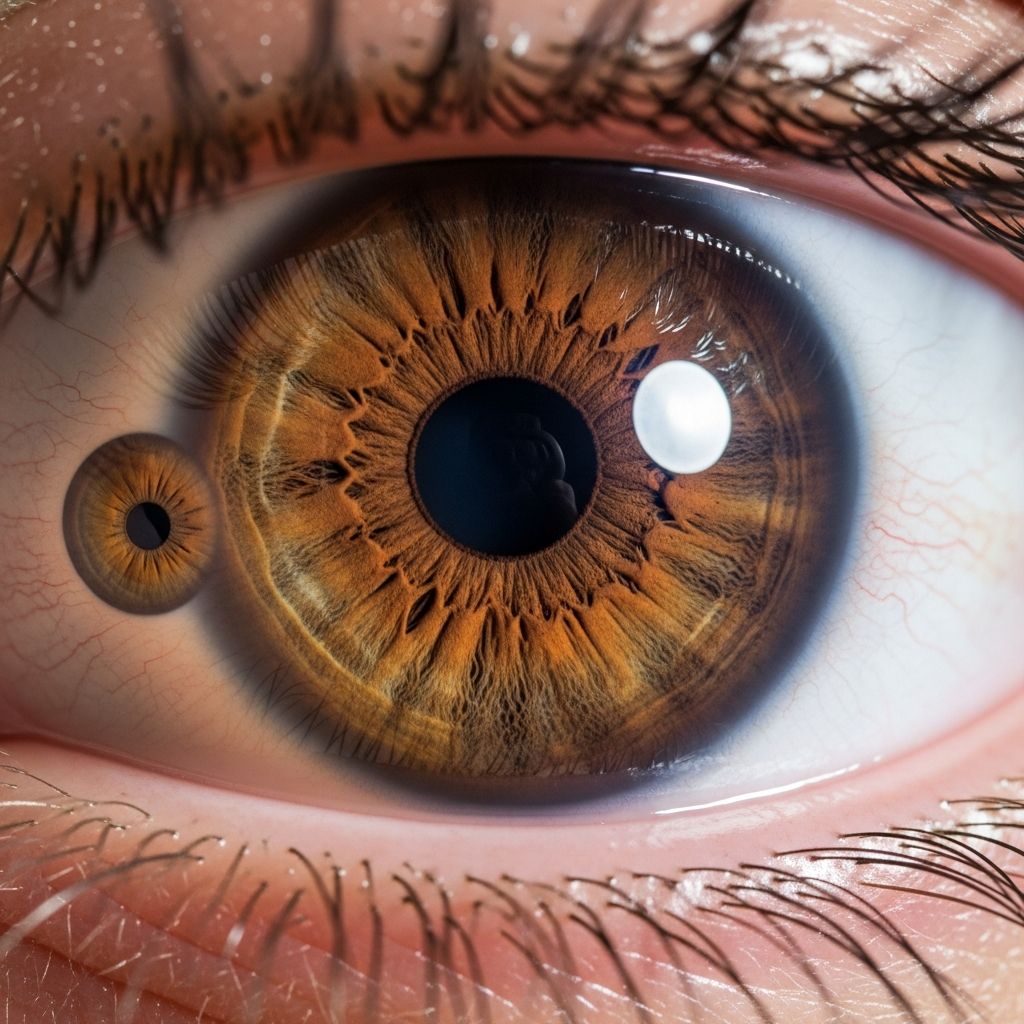
Pupils are the dark centers of our eyes that adjust size to control light entry, expanding in dim conditions and contracting in brightness. When these pupils differ significantly in size—a condition called
anisocoria
—it can range from harmless to indicative of underlying health problems. Affecting pupil symmetry disrupts normal vision adaptation, potentially causing discomfort or signaling neurological issues.The Pupil’s Role in Vision and Why Symmetry Matters
The pupil acts like a camera aperture, regulated by the iris muscles under autonomic nervous system control. The sphincter pupillae constricts it via parasympathetic nerves for bright light, while the dilator pupillae widens it sympathetically for low light. Normal pupils vary slightly but should be roughly equal, differing by less than 0.4 mm in dim light or 0.8 mm in bright light.
Anisocoria becomes noticeable when the difference exceeds 1 mm, potentially impairing light regulation and causing glare, blurred vision, or photosensitivity. While many cases are physiologic—occurring in up to 20% of people without symptoms—persistent inequality demands evaluation to rule out pathology.
Common Benign Causes of Pupil Inequality
Not all anisocoria requires alarm. Here’s a breakdown of non-threatening origins:
- Physiologic Anisocoria: The most frequent type, with pupils differing by ≤1 mm. It fluctuates mildly and lacks associated symptoms, stemming from subtle brain signaling imbalances in the Edinger-Westphal nucleus.
- Mechanical Factors: Iris damage from trauma, surgery (e.g., cataract removal), or congenital defects like sphincter tears prevents equal constriction or dilation.
- Pharmacologic Influences: Eye drops or systemic drugs alter pupil response. Miotics like pilocarpine cause undue constriction; mydriatics like atropine or tropicamide induce dilation. Accidental exposure from patches (scopolamine) or wipes (glycopyrronium) can mimic this.
These often resolve once the trigger is removed, but confirmation via exam is essential.
Serious Neurological and Systemic Causes
When anisocoria accompanies other symptoms, it may point to disruptions in nerve pathways. Key culprits include:
- Horner Syndrome: A sympathetic chain interruption causes a smaller pupil (miosis) worse in darkness, plus drooping eyelid (ptosis) and reduced sweating (anhidrosis). Triggers: tumors, strokes, carotid dissection, or cluster headaches.
- Adie Tonic Pupil: Parasympathetic damage yields a dilated pupil sluggish to light but reactive to near focus (light-near dissociation). Common in young women, it’s often benign long-term but may miotize over time.
- Third Nerve Palsy: Parasympathetic fibers in the oculomotor nerve falter, causing a fixed dilated pupil with ptosis and “down-and-out” eye deviation. Compressive causes like aneurysms are emergencies; ischemic (diabetic) types may spare pupils.
Other triggers: migraines, seizures, meningitis, uveitis, angle-closure glaucoma, or autoimmune ganglionopathy affecting both sympathetic/parasympathetic functions.
Recognizing Symptoms: When to Worry
Isolated mild anisocoria is typically symptom-free. However, red flags include:
- Headache, eye pain, or vision changes (blurring, double vision).
- Drooping eyelids, facial numbness, weakness, or balance issues.
- Sudden onset, especially post-trauma or with nausea/vomiting.
- Accompanying fever, neck stiffness, or sweating asymmetry.
A larger pupil causes glare and light sensitivity; a smaller one complicates exams or surgery. Prognosis hinges on the cause—benign cases fare well, but neurological ones risk vision loss or life threats if untreated.
How Eye Specialists Diagnose Anisocoria
Related Stories



Diagnosis starts with history: onset, symptoms, medications, trauma. Key tests differentiate causes:
| Test | Purpose | Findings |
|---|---|---|
| Dim/Bright Light Check | Determine worse condition | Greater in dark: sympathetic issue (e.g., Horner); in light: parasympathetic (e.g., third nerve). |
| Slit-Lamp Exam | Assess iris/lens | Synechiae, atrophy, inflammation, or tonic pupil signs (vermilion movements). |
| Dilute Pilocarpine (0.125%) | Test Adie pupil | Significant constriction confirms tonic pupil; others resist. |
| Cocaine/Apraclonidine Drops | Horner confirmation | No dilation with cocaine or reversal with apraclonidine indicates Horner. |
| Neurologic Evaluation | Rule out CNS issues | Reflexes, cranial nerves, gait for stroke/tumor clues. |
Imaging (MRI/CT) or bloodwork follows if systemic disease suspected. Gonioscopy checks glaucoma angles.
Treatment Approaches Tailored to the Cause
Anisocoria treatment targets the root:
- Benign/Physiologic: Observation; symptoms managed with tinted lenses.
- Pharmacologic: Discontinue agent; observe reversal.
- Horner Syndrome: Investigate/treat cause (e.g., surgery for tumors); drops like apraclonidine temporarily widen pupil.
- Adie Pupil: Usually none; pilocarpine for hypersensitive cases.
- Third Nerve Palsy: Urgent imaging for aneurysm; steroids or surgery per etiology.
- Inflammatory (Uveitis/Iritis): Steroid drops, cycloplegics.
Surgery rarely addresses pupil size directly unless mechanical. Complications like cataracts worsen with miosis.
Preventive Measures and Lifestyle Tips
While not fully preventable, minimize risks:
- Avoid unverified eye drops or patches near eyes.
- Protect eyes from trauma with goggles.
- Manage migraines, diabetes via regular checkups.
- Seek prompt care for headaches with vision changes.
Annual eye exams catch early changes, especially over 40 or with vascular risks.
Frequently Asked Questions (FAQs)
Is anisocoria always dangerous?
No, most cases are physiologic and harmless, but sudden or symptomatic inequality needs evaluation.
Can stress cause unequal pupils?
Stress may exacerbate physiologic types but rarely causes true pathology.
How quickly should I see a doctor?
Immediately if with headache, ptosis, or diplopia; otherwise, at next eye visit.
Does anisocoria affect vision permanently?
Rarely; depends on cause. Benign cases don’t; serious ones do if untreated.
Can children have anisocoria?
Yes, often congenital or physiologic; monitor for Horner signs.
Living with Anisocoria: Patient Insights
Many adapt seamlessly, using sunglasses for glare. Support groups share coping for chronic cases like Adie pupil. Regular monitoring ensures stability.
References
- Anisocoria — EyeWiki (American Academy of Ophthalmology). 2023. https://eyewiki.org/Anisocoria
- Anisocoria — MedlinePlus (U.S. National Library of Medicine). 2023-10-01. https://medlineplus.gov/ency/article/003314.htm
- Anisocoria — StatPearls (NCBI Bookshelf). 2023-07-17. https://www.ncbi.nlm.nih.gov/books/NBK470384/
- Unequal Pupils — Merck Manuals (Professional Version). 2023. https://www.merckmanuals.com/home/eye-disorders/symptoms-of-eye-disorders/unequal-pupils
- Anisocoria and Horner’s Syndrome — American Association for Pediatric Ophthalmology and Strabismus. 2023. https://www.aapos.org/glossary/anisocoria-and-horners-syndrome
Similar Articles








Read full bio of medha deb