Understanding UTIs: Infection Types, Symptoms & Care
Comprehensive guide to recognizing and managing urinary tract infections
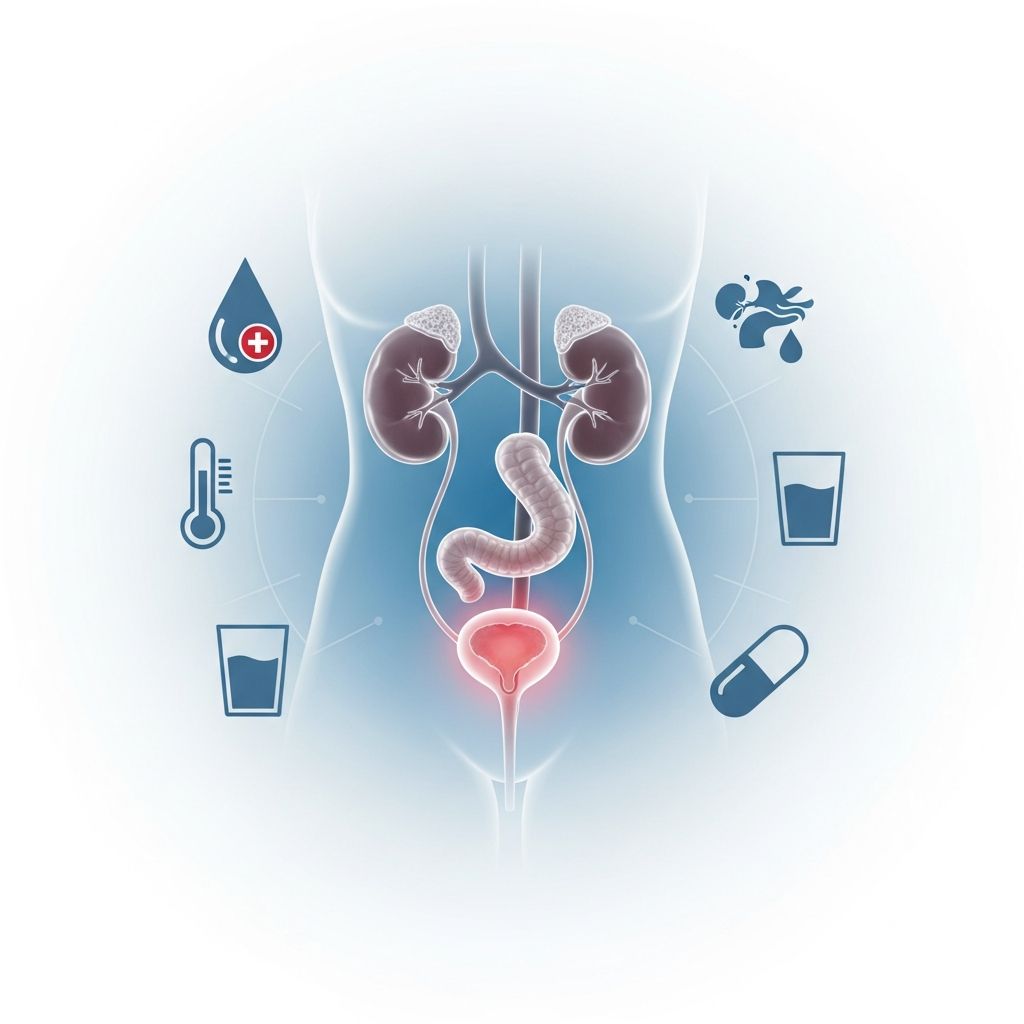
Urinary tract infections represent one of the most prevalent bacterial infections affecting millions of individuals globally each year. These infections develop when harmful microorganisms—predominantly bacteria—penetrate the urinary system and establish themselves within its delicate structures. While many people associate urinary complications solely with discomfort, understanding the full scope of these infections is essential for early detection, prompt treatment, and prevention of serious complications.
The Bacterial Foundation of UTIs
The primary culprit behind urinary tract infections is bacterial contamination, with E. coli bacteria being the most frequently identified pathogen. This bacterium naturally resides in the gastrointestinal tract and typically causes no problems in its proper location. However, when E. coli or other harmful bacteria enter the urinary system through the urethra, they can multiply rapidly and trigger infection. The infection mechanism begins when bacteria travel upward through the urethra, potentially affecting any component of the urinary system including the bladder, ureters, and kidneys.
Several factors contribute to bacterial invasion and subsequent infection development. Anatomical differences play a significant role, particularly between sexes. Women experience urinary tract infections at rates approximately four times higher than men, primarily because a woman’s urethra is considerably shorter and positioned closer to the anus, creating a more direct pathway for bacterial entry. Beyond anatomy, other contributing factors include urinary tract obstructions from kidney stones, an enlarged prostate, weakened immune system function due to illness or immunosuppressive medications, and conditions like diabetes that compromise the body’s defensive capabilities.
Distinguishing Between Infection Locations
Urinary tract infections are not uniform in presentation or severity. The specific symptoms experienced depend largely on which anatomical region of the urinary system is affected. Understanding these distinctions helps individuals identify their condition more accurately and seek appropriate medical intervention.
Bladder Infections (Cystitis)
The most commonly occurring type of urinary tract infection involves the bladder, a condition medically termed cystitis. When bacteria colonize the bladder wall, they cause localized inflammation that produces characteristic symptoms. Individuals with bladder infections typically experience frequent urges to urinate accompanied by the passage of only small quantities of urine. Additional manifestations include sensations of pressure and discomfort in the lower abdominal region, along with pain concentrated in the pelvic area. The frequent and uncomfortable nature of urination in bladder infections can significantly impact daily functioning and quality of life.
Urethral Infections (Urethritis)
When infection localizes to the urethra—the tube responsible for conveying urine from the bladder—the condition is classified as urethritis. This lower urinary tract infection causes inflammation specifically within the urethral tissue. Characteristic symptoms include a burning sensation during urination and possible urethral discharge. In some cases, sexually transmitted infections such as herpes, gonorrhea, chlamydia, and mycoplasma can cause urethral infections, though bacterial contamination from the gastrointestinal tract remains the most common cause.
Kidney Infections (Pyelonephritis)
The most serious category of urinary tract infection occurs when bacteria ascend to affect the kidneys, resulting in a condition called pyelonephritis. This escalation typically develops when a lower urinary tract infection goes untreated or when bacteria from an infected bladder travel upward through the ureters to reach kidney tissue. Kidney infections present with substantially more severe symptoms than lower tract infections. Affected individuals may experience intense back or side pain, fever exceeding 100 degrees Fahrenheit, shaking chills or alternating hot flashes, headaches, nausea, and vomiting. In some cases, confusion and severe abdominal pain may occur. Because of the potential for serious complications, kidney infections warrant urgent medical evaluation and treatment.
Related Stories



Symptom Recognition and Clinical Presentation
The manifestations of urinary tract infections present across a spectrum, ranging from mild discomfort to severe systemic illness. Recognition of these symptoms enables timely medical consultation and appropriate treatment initiation.
Common early indicators include:
- Painful urination: A burning sensation or discomfort during the act of urination represents one of the hallmark symptoms and often prompts individuals to seek medical evaluation.
- Urinary urgency and frequency: An overwhelming need to urinate frequently, sometimes producing only minimal quantities of urine, frequently accompanies lower tract infections.
- Urine characteristics: Infected urine may appear cloudy, dark, or take on a cola or bright pink coloration due to blood presence. Additionally, a strong, unpleasant odor may become apparent.
- Pelvic discomfort: Localized pressure and pain in the pelvic region, particularly in women, often accompanies bladder infections.
- General malaise: Some individuals report fatigue, shakiness, or a general sense of feeling unwell.
When infections progress to involve the kidneys, systemic symptoms emerge, including elevated body temperature, chills, nausea with possible vomiting, and significant back or side pain. In elderly populations, urinary tract infection symptoms may present atypically, sometimes causing confusion or behavioral changes while traditional urinary symptoms remain minimal or absent.
Diagnostic and Treatment Approaches
Medical Evaluation and Diagnosis
Healthcare providers employ various diagnostic methods to confirm urinary tract infections and identify the causative organism. Urinalysis and urine cultures represent the primary diagnostic tools, allowing clinicians to detect the presence of bacteria and determine which specific pathogen is responsible for the infection. This identification proves particularly valuable when determining appropriate antibiotic therapy.
Antibiotic Therapy
Antibiotics remain the cornerstone of UTI treatment, effectively eliminating bacterial infections in the majority of cases. Healthcare providers select specific antibiotics based on several factors including the identified causative organism, the infection’s severity, patient age, sex, medical history, and current health status. Most individuals experience symptom improvement within three to six days of initiating antibiotic therapy.
Completion of the full prescribed antibiotic course remains critically important, even after symptom resolution. Discontinuing antibiotics prematurely risks incomplete bacterial elimination, allowing surviving organisms to proliferate and cause infection recurrence. Patients typically feel substantially better within one to two days of starting appropriate antibiotic treatment, but continuing medication as directed ensures complete eradication.
Symptomatic Management
While antibiotics address the underlying bacterial infection, additional interventions can alleviate discomfort during the treatment period. Over-the-counter analgesics such as acetaminophen or ibuprofen help manage pain and fever associated with infection. Specialized urinary analgesics containing phenazopyridine can reduce the burning sensation during urination, though these should be used only briefly—typically for no more than two days—and do not treat the infection itself.
Increasing fluid intake supports natural urinary flushing mechanisms, potentially providing symptomatic relief. Additionally, avoiding bladder irritants such as caffeine, alcohol, spicy foods, and tobacco products may reduce discomfort during the acute infection phase.
Severe Infection Management
Complicated urinary tract infections or those progressing to involve the kidneys may require intravenous antibiotic administration and hospitalization. This approach proves necessary when infections become severe, when patients experience signs of systemic illness, or when oral antibiotic treatment proves insufficient.
Special Considerations for Recurrent Infections
Individuals experiencing frequent urinary tract infections require specialized management strategies. Healthcare providers may recommend extended antibiotic courses at lower doses to prevent infection recurrence. Alternative approaches include administering a single antibiotic dose following sexual activity, which commonly triggers infection development, or taking antibiotics for one to two days whenever symptoms appear.
Non-antibiotic prophylactic treatments have gained attention for preventing recurrent infections. These may include cranberry products, D-mannose supplementation, methenamine combined with vitamin C, or vaginal estrogen cream in menopausal women, though patients should discuss these options with their healthcare provider.
Prevention Strategies
While not all urinary tract infections can be prevented, certain practices reduce infection risk significantly:
- Maintain adequate hydration by drinking sufficient water daily
- Empty the bladder completely and regularly, avoiding prolonged retention
- Practice proper hygiene techniques, particularly after bowel movements
- Urinate promptly after sexual activity
- Avoid bladder irritants including caffeine, alcohol, and spicy foods
- Wear breathable cotton undergarments rather than tight synthetic materials
- Avoid spermicide use, which may alter vaginal flora and increase infection risk
Potential Complications and Antibiotic Considerations
While most urinary tract infections respond well to antibiotic treatment, users should be aware that all antibiotics carry potential side effects. Common reactions include rashes, dizziness, nausea, diarrhea, and yeast infections. More serious complications, though rare, include antimicrobial-resistant infections or Clostridioides difficile infection, which can cause severe diarrhea and colonic damage. Patients should immediately contact their healthcare provider if they develop any side effects during antibiotic treatment.
When to Seek Medical Care
Medical evaluation becomes necessary when experiencing symptoms suggestive of urinary tract infection, particularly if symptoms persist beyond two days, include fever, affect the back or sides, or occur accompanied by vomiting and severe pain. Prompt evaluation prevents progression to more serious kidney infections and ensures appropriate treatment initiation. Older adults, pregnant women, and individuals with weakened immune systems should seek medical attention at the earliest sign of urinary symptoms.
Understanding Treatment Outcomes
The prognosis for urinary tract infections remains generally favorable. Most infections respond well to appropriately selected antibiotic therapy, with patients experiencing rapid symptom resolution. While untreated infections can progress and cause serious complications, early recognition and treatment prevent such outcomes in the vast majority of cases.
Frequently Asked Questions
Can UTIs go away without antibiotics?
Some minor urinary tract infections may resolve independently, but most require antibiotic treatment. Healthcare providers should evaluate persistent symptoms to ensure appropriate management and prevent progression to more serious kidney infections.
How long do UTI symptoms last after starting antibiotics?
Most individuals experience significant symptom improvement within one to two days of beginning antibiotic therapy, though complete resolution may take several days to a week.
Why is completing the full antibiotic course important?
Stopping antibiotics early, even when symptoms resolve, risks incomplete bacterial elimination and subsequent infection recurrence. Full course completion ensures complete pathogen eradication.
Are there over-the-counter treatments for UTIs?
While over-the-counter pain relievers and urinary analgesics can manage symptoms, only prescription antibiotics eliminate the bacterial infection itself. No over-the-counter medications treat the underlying cause.
What increases UTI risk in women?
Female anatomical characteristics, including shorter urethra length and proximity to the anus, create greater bacterial entry risk. Sexual activity, spermicide use, inadequate hydration, and certain contraceptive methods also increase susceptibility.
References
- Urinary Tract Infection (UTI): Symptoms, Causes & Treatment — Advocate Health. https://www.advocatehealth.com/health-services/urology/urinary-tract-infection-uti
- Urinary Tract Infection (UTI): Causes, Symptoms & Treatment — Cleveland Clinic. https://my.clevelandclinic.org/health/diseases/9135-urinary-tract-infections
- Urinary Tract Infection (UTI) – Symptoms and Causes — Mayo Clinic. https://www.mayoclinic.org/diseases-conditions/urinary-tract-infection/symptoms-causes/syc-20353447
- What is a UTI? Causes, Symptoms & Treatment — CVS MinuteClinic. https://www.cvs.com/minuteclinic/services/urinary-tract-and-bladder-infections
- Urinary Tract Infection Basics — Centers for Disease Control and Prevention. https://www.cdc.gov/uti/about/index.html
- Urinary Tract Infection (UTI): Symptoms, Causes, Treatment — WebMD. https://www.webmd.com/women/your-guide-urinary-tract-infections
Similar Articles








Read full bio of Sneha Tete