Understanding Urology: What Urologists Do and When to See One
Learn what urologists treat, when to seek urological care, and how they help manage urinary and reproductive health.

What is a Urologist?
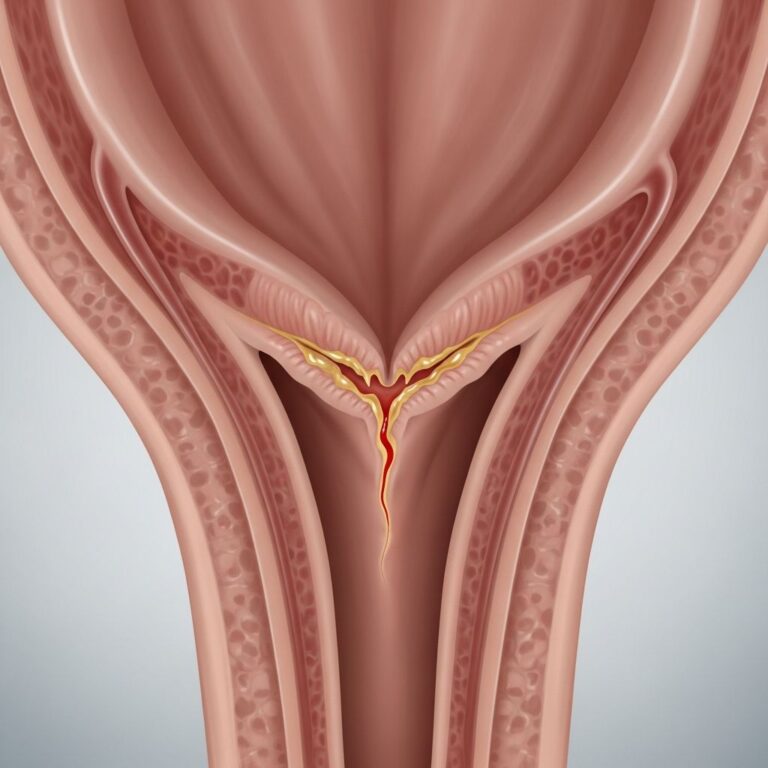
A urologist is a medical doctor who specializes in diagnosing and treating diseases and conditions of the urinary system and male reproductive system. The urinary system includes the kidneys, ureters, bladder, and urethra—organs responsible for producing, storing, and eliminating urine from your body. Urologists are trained surgeons who complete medical school, a general surgery residency, and a specialized urology residency, making them experts in both medical and surgical management of urological conditions.
Urologists work with patients of all ages, from infants to elderly adults, and treat both men and women. While urologists traditionally focused on male reproductive health and urinary issues in both sexes, modern urology encompasses a broad range of specialized areas and patient populations.
Conditions Urologists Treat
Urologists diagnose and manage a wide variety of medical conditions affecting the urinary and reproductive systems. Understanding common urological conditions can help you recognize when it’s time to seek specialized care.
Urinary Tract Disorders
One of the most frequent reasons patients visit urologists is for urinary tract issues. Urinary tract infections (UTIs) are bacterial infections that can affect any part of the urinary system, including the bladder, urethra, and kidneys. While many UTIs resolve with antibiotics, recurrent infections require urological evaluation to identify underlying causes.
Chronic urinary incontinence—the involuntary loss of urine—affects millions of people and significantly impacts quality of life. Urologists evaluate incontinence through comprehensive assessments and offer both conservative treatments and surgical interventions, including urethral slings and artificial urinary sphincter implantation. Nocturia, or excessive nighttime urination, is another common concern that disrupts sleep and daily function.
Hematuria, the presence of blood in the urine, can indicate various conditions ranging from benign to serious, requiring thorough investigation by a urologist to determine the underlying cause and appropriate treatment.
Prostate Conditions
The prostate gland, unique to men, frequently develops conditions requiring urological care. Benign Prostate Hyperplasia (BPH), or prostate enlargement, is extremely common in aging men and causes urinary symptoms including weak stream, frequent urination, and incomplete emptying. Urologists offer multiple treatment options ranging from medications like alpha-blockers to minimally invasive procedures such as Rezum® and Urolift, as well as surgical approaches like Holmium Laser Enucleation of the Prostate (HoLEP).
Prostatitis, inflammation or infection of the prostate, causes pelvic pain, urinary symptoms, and sometimes fever. Elevated PSA (prostate-specific antigen) levels may indicate prostate cancer risk and require further evaluation through biopsy and imaging studies. Urologists provide expert guidance on screening, diagnosis, and treatment of prostate cancer.
Erectile Dysfunction and Sexual Health
Erectile dysfunction (ED), the inability to achieve or maintain an erection sufficient for sexual activity, affects men of all ages and has multiple underlying causes. Urologists evaluate ED through comprehensive history and physical examination, identifying contributing factors such as cardiovascular disease, diabetes, medications, hormonal imbalances, or psychological issues. Treatment options include oral medications, penile injections, vacuum erection devices, and surgical interventions like penile prosthesis implantation.
Related Stories



Low testosterone (male hypogonadism) contributes to reduced libido, erectile dysfunction, and decreased energy. Urologists evaluate hormone levels and manage testosterone replacement therapy through various delivery methods.
Peyronie’s Disease
Peyronie’s disease involves the development of fibrous plaques in the penile tissue, causing curvature, pain during intercourse, and erectile dysfunction. Urologists offer both medical management with medications like Xiaflex injections and surgical interventions including plaque incision and penile plication to restore function and improve quality of life.
Testicular and Scrotal Conditions
Chronic testicular pain (orchialgia) significantly impacts quality of life and requires specialized evaluation and management. Urologists assess for infection, trauma, varicocele, or nerve-related causes and provide appropriate treatment. Other scrotal conditions include priapism (prolonged, painful erection), genital lymphedema, and various infectious or inflammatory conditions.
Pelvic Pain Conditions
Interstitial cystitis (painful bladder syndrome) causes chronic pelvic pain, urinary frequency, and urgency without evidence of infection. This complex condition requires comprehensive urological evaluation and multimodal treatment approaches. Pelvic pain of various etiologies affects both men and women and may involve multiple organ systems requiring coordinated urological care.
Kidney and Ureter Disorders
Urologists manage kidney stones, which form from minerals and salts in urine and cause severe flank pain. Advanced minimally invasive techniques allow stone removal with minimal tissue trauma. Additionally, urologists treat congenital anomalies, kidney tumors, and ureteral strictures requiring reconstructive surgery.
Diagnostic Procedures and Evaluations
Urologists employ sophisticated diagnostic tools to accurately identify urological conditions. Cystoscopy, a minimally invasive procedure using a thin camera inserted through the urethra, allows direct visualization of the bladder and urethra, enabling diagnosis and treatment of various conditions. Urodynamic studies measure bladder function and pressure during filling and emptying, helping diagnose incontinence and voiding disorders.
Post void residual (PVR) measurement determines how much urine remains in the bladder after urination, providing valuable information about bladder emptying function. Prostate biopsies involve taking small tissue samples for pathological examination when prostate cancer is suspected.
Minimally Invasive Treatment Options
Modern urology emphasizes minimally invasive approaches that reduce tissue trauma, recovery time, and complications compared to traditional open surgery. Techniques like Rezum® use radiofrequency energy to treat benign prostate enlargement, while Urolift places tiny implants to lift obstructing prostate tissue without removing it.
Laser technologies including Holmium laser enucleation provide precise tissue ablation for various conditions. Penile traction therapy and straightening procedures address Peyronie’s disease without requiring open surgery. These innovations allow patients to return to normal activities more quickly while achieving excellent clinical outcomes.
Surgical Interventions
While minimally invasive options are preferred when appropriate, urologists are highly trained surgeons capable of performing complex reconstructive and ablative procedures. Penile prosthesis implantation restores erectile function in men with severe ED unresponsive to other treatments. Buried penis repair and male genital reconstructive surgery address congenital or acquired penile deformities.
Artificial urinary sphincter placement helps men with urinary incontinence regain continence and confidence. Microsurgical denervation of the spermatic cord provides pain relief for chronic testicular pain. These surgical interventions significantly improve quality of life for appropriately selected patients.
Center for Men’s Health
Specialized men’s health centers provide comprehensive, coordinated care for conditions specifically affecting men. These centers bring together urologists, endocrinologists, and other specialists to address the complex interplay between urological conditions and overall male health. Services include evaluation and management of erectile dysfunction, low testosterone, prostate disorders, and fertility issues. Centers like Cleveland Clinic’s Center for Men’s Health offer advanced diagnostic technology, minimally invasive office-based treatments, and virtual consultation options for convenient access to expert care.
When to See a Urologist
Several symptoms and conditions warrant consultation with a urologist. These include persistent urinary symptoms like frequency, urgency, weak stream, or incomplete emptying; blood in the urine; chronic pelvic or testicular pain; erectile dysfunction or other sexual dysfunction; and difficulty with fertility. Men should consult a urologist for prostate health screening, particularly those with family history of prostate cancer or men over age 50.
Women experiencing recurrent UTIs, chronic incontinence, or pelvic pain should seek urological evaluation. Any concerning urinary symptoms or concerns about urological health warrant professional evaluation.
Patient-Centered Urology Care
Modern urological practice emphasizes compassionate, patient-centered care that addresses not only the medical condition but also the patient’s quality of life, concerns, and preferences. Urologists work collaboratively with primary care physicians, other specialists, and mental health professionals to provide comprehensive care. For cancer patients, oncologists join the care team to coordinate treatment strategies. Many centers offer virtual visits and convenient scheduling to improve access to expert urological care.
Research and Innovation in Urology
Academic urology centers conduct extensive research advancing the field and improving patient outcomes. Innovations include novel diagnostic technologies like UroMonitor, a first-in-human device designed to address limitations of conventional urodynamics testing. Research focuses on targeted therapies for complex conditions, prevention strategies for infections, and development of less invasive treatment options. This commitment to scientific discovery translates into better treatments and improved care for patients.
Frequently Asked Questions
Q: At what age should men start seeing a urologist for prostate screening?
A: Men over age 50 should discuss prostate screening with their primary care physician or urologist. Men with family history of prostate cancer or African American men may benefit from earlier screening discussions starting at age 40.
Q: Are urological procedures painful?
A: Most diagnostic procedures and minimally invasive treatments are performed under local anesthesia or mild sedation, minimizing discomfort. Your urologist will discuss anesthesia options and pain management strategies specific to your procedure.
Q: Can urinary incontinence be cured?
A: Many types of incontinence can be significantly improved or cured through appropriate treatment, which may include behavioral modifications, medications, or surgical procedures. Your urologist will develop a personalized treatment plan based on your specific condition.
Q: How long is the recovery after urological surgery?
A: Recovery time varies depending on the specific procedure. Minimally invasive procedures typically allow return to normal activities within days, while more complex surgeries may require several weeks of recovery. Your urologist will provide specific recovery guidelines.
Q: Can erectile dysfunction be treated without surgery?
A: Yes, many cases of erectile dysfunction respond well to oral medications, penile injections, vacuum devices, or lifestyle modifications. Surgery is typically reserved for cases not responding to other treatments.
Conclusion
Urologists play a vital role in men’s and women’s health, providing expert diagnosis and treatment for a wide range of urological conditions. From common issues like urinary tract infections to complex surgical interventions, urologists combine extensive training with advanced technology and compassionate care to improve patient outcomes and quality of life. If you experience urological symptoms or have concerns about your urinary or reproductive health, consulting with a qualified urologist can provide answers, reassurance, and effective treatment options tailored to your specific needs.
References
- Men’s Health Services and Urological Conditions — Cleveland Clinic. 2025. https://my.clevelandclinic.org/departments/urology-kidney/depts/mens-health
- 2023 Innovations in Urology — Cleveland Clinic Glickman Urological Institute. 2023. https://my.clevelandclinic.org/-/scassets/files/org/urology-kidney/2023_innovationsinurology.pdf
- Glickman Urological & Kidney Institute Overview — Cleveland Clinic. 2025. https://my.clevelandclinic.org/departments/urology-kidney
- Get Urology Care Services — Cleveland Clinic. 2025. https://my.clevelandclinic.org/services/urology-care
- Discover Our Urology Program — Cleveland Clinic. 2025. https://my.clevelandclinic.org/departments/urology-kidney/medical-professionals/discover-urology
Similar Articles








Read full bio of medha deb