Understanding Uveitis: Causes, Symptoms & Treatment
Learn about uveitis, a serious eye inflammation affecting millions worldwide.
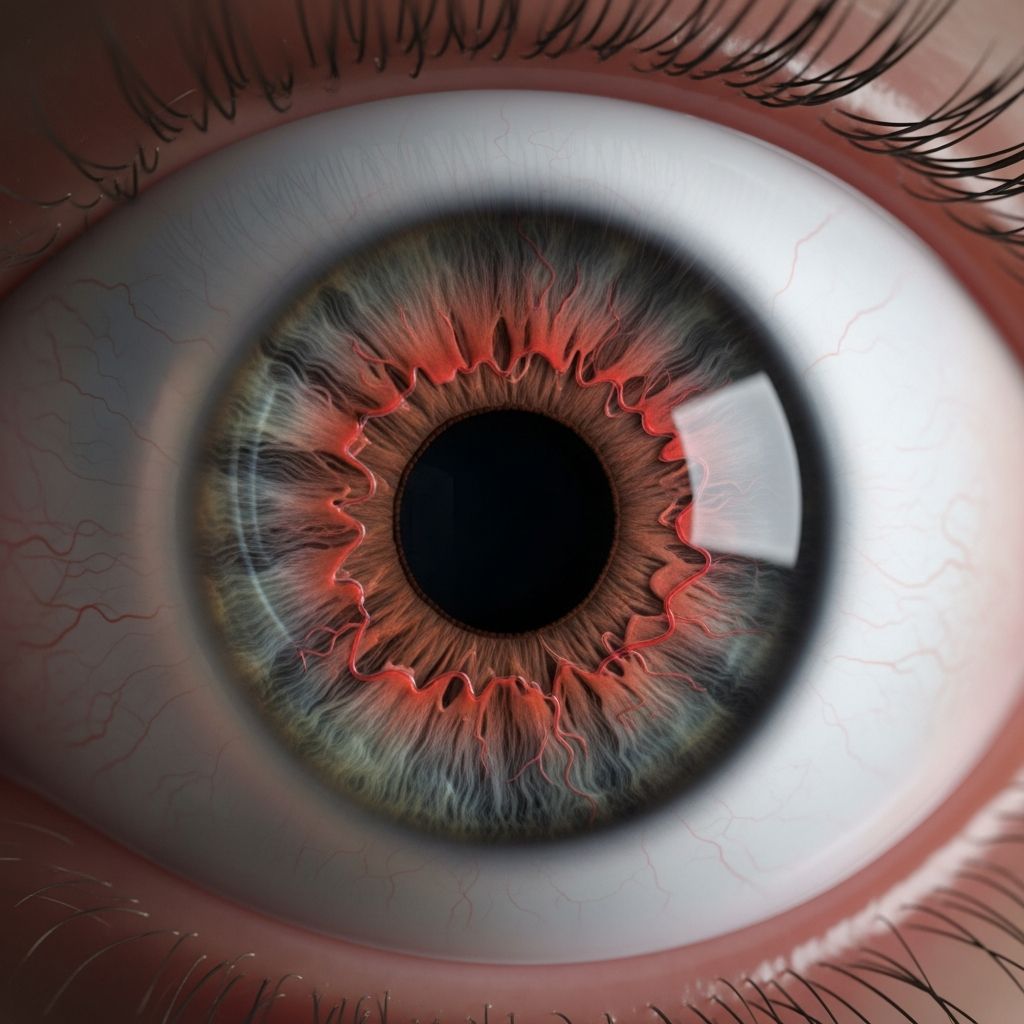
The eye is an intricate organ composed of multiple layers, each playing a vital role in vision. Among these layers lies the uvea, a pigmented vascular structure that supplies blood to the eye and maintains its internal environment. When this critical tissue becomes inflamed, a condition known as uveitis develops—a serious medical concern that demands prompt attention and proper management.
What Is the Uvea and Why Does It Matter?
The uveal tract consists of three interconnected structures working in harmony to maintain eye health and function. Understanding these components helps clarify why inflammation in this region can have such significant consequences for vision.
The iris is the colored portion of the eye visible to others, functioning as a dynamic aperture that controls the amount of light entering the eye through the pupil. The ciliary body, positioned behind the iris, performs two essential functions: it produces the aqueous humor (the clear fluid that maintains eye pressure and nourishes the cornea and lens) and contains muscles that adjust the lens for focusing at different distances. The choroid is a network of blood vessels beneath the retina, supplying oxygen and nutrients to the light-sensitive tissue at the back of the eye. Together, these three structures form an integrated system critical for clear vision and eye health.
The Nature of Uveitis as an Inflammatory Condition
Uveitis represents inflammation occurring deep within the eye, specifically targeting the uveal tissue. This condition differs fundamentally from surface-level eye irritations; the inflammation affects delicate internal structures essential for vision. When the immune system becomes activated in this region—whether through infection, autoimmune response, or traumatic injury—the protective response itself can cause collateral damage to neighboring tissues.
This phenomenon, known as innocent bystander injury, occurs when inflammation intended to protect the eye inadvertently damages healthy surrounding tissue. The consequences can be profound: blood vessel integrity may be compromised, the retina can suffer damage, and the optic nerve may sustain injury. If this inflammatory process persists without treatment or becomes particularly severe, permanent vision loss can result.
Uveitis is the third leading cause of blindness in the developed world, highlighting the importance of awareness and early intervention. The inflammation can be observed and assessed through specialized examination techniques, allowing eye care professionals to detect and monitor the condition’s progression.
Identifying the Four Classifications of Uveitis
Uveitis is not a single uniform condition but rather encompasses several distinct presentations classified by anatomical location and extent of inflammation. This classification system helps guide diagnosis, treatment decisions, and prognosis.
Anterior Uveitis: The Most Common Form
Anterior uveitis involves inflammation primarily affecting the iris and the portion of the ciliary body closest to the front of the eye. This represents the most frequently encountered type, and symptoms typically manifest suddenly with rapid progression. Patients experience notable discomfort, light sensitivity, and vision disturbance. The condition may develop over several days following mild eye discomfort or appear acutely without warning.
Intermediate Uveitis: Vitreous-Centered Inflammation
Intermediate uveitis centers on inflammation within the vitreous cavity—the gel-like substance filling the interior of the eye. This type characteristically produces floating spots in the vision field (floaters) and blurred sight. The distinctive appearance during examination includes a pattern called “snow banking,” where white inflammatory material accumulates in a particular distribution pattern along the peripheral retina.
Posterior Uveitis: Deep Tissue Involvement
Posterior uveitis affects structures at the back of the eye, including the retina, choroid, or both in combination. The optic nerve may also become involved in this variant. Patients typically experience floaters and may report decreased or absent vision depending on inflammation severity and location. This category represents one of the more serious presentations due to the critical importance of posterior structures for sight.
Related Stories



Panuveitis: Comprehensive Inflammation
Panuveitis involves inflammation extending throughout all three major uveal components simultaneously. This represents the most extensive and potentially dangerous form, as it affects multiple critical eye structures at once. Comprehensive inflammation of this magnitude typically necessitates aggressive intervention to prevent serious complications.
Recognizing Uveitis Symptoms
The manifestations of uveitis vary significantly based on which structures become inflamed and the individual’s response to inflammation. Recognizing these signs enables timely medical consultation and intervention.
- Eye pain: Often described as discomfort or aching within or around the eye, ranging from mild to severe
- Redness: Visible blood vessel engorgement, particularly affecting the area surrounding the cornea (ciliary injection)
- Light sensitivity: Photophobia causes discomfort in normal lighting conditions, sometimes prompting affected individuals to seek dimly lit environments
- Blurred or diminished vision: Reduced clarity of sight due to inflammation affecting light transmission or retinal function
- Floaters: Dark spots or cobweb-like structures visible against bright backgrounds, caused by inflammatory cells in the vitreous
- Whitish discoloration: A white or yellowish deposit may appear on the lower interior surface of the eye (hypopyon)
- Glare disturbance: Halos or starbursts around light sources, indicating corneal or lens involvement
- Pupil changes: Alterations in pupil size or shape, sometimes becoming irregular due to adhesions forming between the iris and lens
Notably, symptoms can develop suddenly and escalate rapidly, though some cases progress more gradually. A particularly concerning aspect is that certain populations—including children and young adults—may experience minimal or absent symptoms despite active inflammation, making regular eye examinations essential for early detection.
Understanding the Underlying Causes
Uveitis can originate from multiple distinct causes, ranging from infectious agents to systemic diseases and traumatic injury. Identifying the underlying cause is crucial for directing appropriate treatment.
Infectious Triggers
Various pathogens can provoke uveitis through direct infection or immune-mediated mechanisms. Viral infections, particularly herpes simplex virus (HSV) and varicella zoster virus (VZV), represent significant causes, especially when manifesting as acute retinal necrosis or other posterior forms. Bacterial infections, fungal organisms, and parasitic infections can similarly initiate uveal inflammation. In severely immunocompromised individuals, opportunistic infections such as cytomegalovirus (CMV) may cause specialized forms of posterior uveitis.
Systemic and Autoimmune Diseases
Numerous systemic conditions manifest ocular inflammation as part of their disease process. Arthritis, particularly in younger patients with juvenile idiopathic arthritis (JIA), frequently associates with chronic anterior uveitis—often without accompanying symptoms, creating a diagnostic challenge. Tuberculosis, syphilis, and human immunodeficiency virus (HIV) infection can trigger uveitis. Additional systemic associations include multiple sclerosis, inflammatory bowel conditions, and sarcoidosis.
Genetic and Immunological Factors
Certain genetic markers influence uveitis susceptibility and presentation patterns. The HLA-B27 genetic marker associates with specific patterns of acute anterior uveitis, often causing bilateral involvement at different times. The immune system’s response, even in the absence of identifiable infection or systemic disease, can spontaneously initiate uveal inflammation, sometimes termed idiopathic uveitis when no definable cause emerges.
Traumatic Injury
Blunt ocular trauma represents a preventable cause of uveitis-related inflammation. Direct impact injuries can trigger inflammatory responses proportional to injury severity. Traumatic iritis accounts for a substantial proportion of anterior uveitis cases, underscoring the importance of protective eyewear during activities with injury risk.
Serious Complications Demanding Awareness
Untreated or inadequately managed uveitis can precipitate numerous sight-threatening complications. Understanding these potential outcomes underscores the importance of prompt professional care.
| Complication | Description | Prevention/Management Strategy |
|---|---|---|
| Glaucoma Development | Elevated intraocular pressure damages the optic nerve | Regular pressure monitoring; anti-glaucoma medications if indicated |
| Cataract Formation | Lens opacification reduces light transmission and vision clarity | Aggressive inflammation control; surgical removal if necessary |
| Posterior Synechiae | Adhesions form between iris and lens, restricting pupil movement | Pupil-dilating medications; prevention through inflammation suppression |
| Band Keratopathy | Calcium deposition on cornea surface affects transparency | Topical chelation therapy; laser treatment when appropriate |
| Retinal Detachment | Retinal tissue separates from underlying support layer | Urgent vitreoretinal surgery if detachment occurs |
| Optic Nerve Damage | Inflammation directly injures the nerve carrying vision signals to the brain | Systemic anti-inflammatory treatment; immunosuppressive therapy |
| Vision Loss | Partial or complete loss of sight from cumulative damage | Early detection and aggressive treatment of active inflammation |
Diagnostic Approaches and Professional Evaluation
Diagnosing uveitis requires comprehensive eye examination combined with appropriate testing to identify underlying causes. Eye care professionals employ specialized instrumentation to visualize internal eye structures and assess inflammation severity.
The slit lamp microscope provides magnified illuminated views of anterior and intermediate structures, revealing inflammatory cells, protein exudates, and tissue changes characteristic of active uveitis. For posterior involvement, dilated fundus examination and specialized imaging techniques including optical coherence tomography (OCT) and fluorescein angiography may be necessary. When infectious causes are suspected, laboratory testing including aqueous humor sampling for viral DNA detection through polymerase chain reaction (PCR) helps identify specific pathogens.
Systemic evaluation forms an essential component of comprehensive uveitis assessment. Laboratory work may include screening for HLA-B27 genetic markers, testing for syphilis and tuberculosis, evaluating for inflammatory markers, and investigating for systemic diseases such as sarcoidosis or inflammatory bowel conditions. Imaging studies might be indicated to exclude systemic involvement.
Treatment Strategies and Management Approaches
Treatment goals focus on suppressing the inflammatory response, preventing complications, and preserving vision while addressing any underlying systemic condition.
Anti-Inflammatory Medications
Topical corticosteroid eye drops form the foundation of anterior and intermediate uveitis management, reducing inflammation and associated discomfort. The frequency and duration of application depend on inflammation severity and response patterns. Pupil-dilating medications (cycloplegics) help relieve pain associated with iris and ciliary body inflammation while preventing posterior synechiae formation.
Systemic Interventions
Oral corticosteroids may be necessary for more severe cases, intermediate, posterior, or panuveitis manifestations. Immunosuppressive medications including methotrexate, azathioprine, or biologic agents may be utilized for chronic inflammation or when corticosteroid dependency becomes problematic. Antiviral medications become critical when infectious causes, particularly viral infections like HSV or VZV, drive the inflammation.
Surgical Considerations
When complications develop or inflammation becomes refractory to medical management, surgical intervention may become necessary. Vitrectomy—surgical removal of vitreous contents—can be indicated for severe vitritis, infectious endophthalmitis, or when vitreous inflammation prevents adequate visualization and treatment of posterior structures. Cataract surgery addresses lens opacification once inflammation is adequately controlled. Glaucoma filtration procedures may be required if medical management fails to control elevated eye pressure.
Special Populations and Unique Considerations
Uveitis presentation and management vary across different age groups and patient populations. Children with uveitis, particularly those with JIA-associated inflammation, face heightened risk for developing glaucoma and cataracts. The asymptomatic nature of JIA-related uveitis creates particular diagnostic challenges, necessitating regular ophthalmologic screening for at-risk children. Older adults experiencing uveitis manifestations may have different underlying causes, with infectious etiologies becoming more prevalent.
Immunocompromised individuals, including those with HIV infection or receiving immunosuppressive therapy, face unique challenges with opportunistic infections causing specialized uveitis forms such as CMV retinitis. These patients require modified diagnostic and therapeutic approaches accounting for their compromised immune status.
Prevention and Patient Education
While not all uveitis cases are preventable, several risk reduction strategies merit consideration. Protective eyewear during activities with trauma risk significantly reduces traumatic uveitis incidence. Prompt treatment of systemic infections and optimal management of autoimmune conditions help minimize uveitis risk in susceptible individuals. Regular eye examinations, particularly for individuals with known systemic disease associations or genetic risk factors, enable early detection before permanent vision damage occurs.
Patient compliance with prescribed treatment regimens substantially influences outcomes. Understanding the importance of consistent medication use, attending follow-up appointments, and reporting new symptoms empowers patients to participate actively in their care and optimize visual outcomes.
Prognosis and Long-Term Outcomes
The prognosis for uveitis varies considerably based on the underlying cause, inflammation severity, and treatment response. Many cases respond well to appropriate therapy, with vision returning to near-normal levels. However, delayed diagnosis or inadequate treatment can result in permanent vision compromise. Chronic forms of uveitis, particularly JIA-associated disease, require extended management spanning months to years. With modern treatment options and appropriate care, most individuals with uveitis can maintain functional vision and quality of life.
Frequently Asked Questions
Can uveitis affect both eyes?
While uveitis can involve one or both eyes, the pattern depends on the underlying cause. Some conditions like HLA-B27-associated uveitis may affect both eyes, though typically at different times rather than simultaneously. Other forms remain unilateral.
Is uveitis contagious?
Uveitis itself is not contagious. However, if the underlying cause is an infectious agent, the infection may be transmissible. The inflammatory response in uveitis develops within the individual’s eye and does not spread person-to-person.
How quickly does vision loss occur with uveitis?
Vision changes can develop suddenly or gradually depending on the uveitis type and severity. Some patients experience rapid vision decline, while others notice gradual diminishment. Prompt treatment can halt progression and potentially improve vision, emphasizing the importance of immediate medical attention.
Can uveitis recur after treatment?
Recurrent uveitis episodes occur in many patients, particularly those with chronic forms or specific systemic disease associations. Ongoing management may be necessary even after initial improvement, with regular monitoring to detect and treat recurrences early.
What lifestyle modifications help manage uveitis?
Consistent medication adherence, protection from bright light sensitivity with sunglasses, stress reduction, and regular follow-up care support optimal outcomes. Individuals should avoid activities with trauma risk and maintain systemic disease management if applicable.
References
- How to diagnose and manage uveitis — EyeGuru. 2024. https://eyeguru.org/essentials/uveitis/
- Patient Guides – Uveitis.org — Ocular Immunology and Uveitis Foundation. https://uveitis.org/patients/education/patient-guides/
- What Is Uveitis? A Guide to Eye Inflammation — Eye Doctor, St. Louis. 2024. https://eyedoctor-stlouis.com/blog/our-office/2024/7961/uveitis/
- Uveitis – A guide to your condition and its treatment — AbbVie Canada. 2024. https://www.abbvie.ca/content/dam/abbvie-dotcom/ca/en/documents/educational-resources/Uveitis-A-guide-to-your-condition-and-its-treatment-EN.pdf
- Uveitis: Symptoms, Causes, Treatment & Types — Cleveland Clinic. 2024. https://my.clevelandclinic.org/health/diseases/14414-uveitis
- Uveitis – Diagnosis & treatment — Mayo Clinic. 2024. https://www.mayoclinic.org/diseases-conditions/uveitis/diagnosis-treatment/drc-20378739
Similar Articles








Read full bio of Sneha Tete