Understanding Vaccinations: Expert Guide To Protection
Explore the vital role of vaccinations in protecting individuals and communities from preventable diseases through comprehensive safety and efficacy insights.
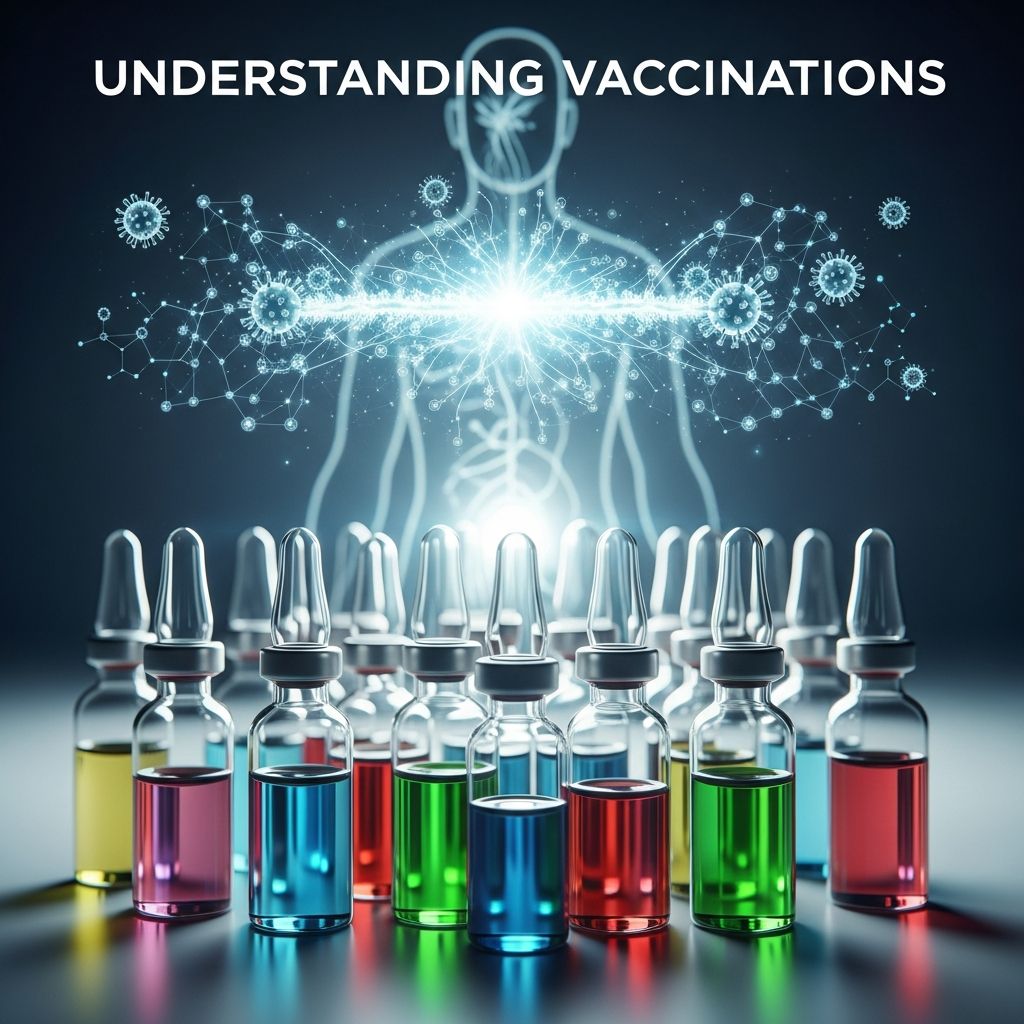
Vaccinations represent one of the most effective public health interventions, preventing millions of illnesses and deaths annually by training the immune system to fight off dangerous pathogens. These medical advancements have eradicated diseases like smallpox and drastically reduced others, such as polio and measles, creating safer environments for generations.
The Science Behind Vaccine Development
Vaccines work by introducing a harmless piece of a virus or bacterium—or instructions to produce such a piece—into the body, prompting an immune response without causing disease. This process builds memory cells that recognize and rapidly combat the real pathogen upon exposure. Rigorous clinical trials, involving thousands of volunteers, test vaccines in phases to confirm safety and effectiveness before approval. For instance, trials compare vaccinated groups to placebos or control groups, ensuring benefits outweigh risks.
Government agencies like the Centers for Disease Control and Prevention (CDC) oversee development, requiring extensive data on immune responses, side effects, and long-term outcomes. Post-approval, systems like the Vaccine Safety Datalink (VSD) monitor real-world use, detecting rare events as infrequent as 1 per million doses.
Key Vaccines and Their Targeted Diseases
A range of vaccines protects against specific threats. Childhood staples include those for measles, mumps, rubella, diphtheria, tetanus, pertussis, polio, hepatitis B, varicella (chickenpox), and pneumococcal disease. These prevent severe complications like encephalitis, paralysis, and bacterial meningitis.
- DTaP/Tdap: Guards against diphtheria (throat blockage), tetanus (lockjaw), and pertussis (whooping cough), which can be fatal in infants.
- MMR: Targets measles (rash, fever, potential brain inflammation), mumps (swollen glands, meningitis risk), and rubella (birth defects if contracted during pregnancy).
- Polio (IPV): Prevents paralytic polio, nearly eliminated globally through vaccination campaigns.
- Hepatitis B: Shields the liver from chronic infection and cancer.
- HPV: Reduces risks of cervical, anal, and throat cancers caused by human papillomavirus.
Adult boosters and specialized shots cover influenza, shingles (herpes zoster), pneumococcal pneumonia, and COVID-19 variants, addressing age-related vulnerabilities.
Recommended Immunization Timelines
Adhering to schedules maximizes protection during critical periods. Infants receive multiple doses in the first two years to build immunity when most vulnerable.
| Age Group | Key Vaccines | Doses |
|---|---|---|
| Birth | Hepatitis B | 1st dose |
| 2 months | DTaP, Hib, IPV, PCV, Rotavirus, Hepatitis B | 1st doses |
| 12-15 months | MMR, Varicella, Hib, PCV, Hepatitis A | 1st doses + boosters |
| 4-6 years | DTaP, IPV, MMR, Varicella | Boosters |
| 11-12 years | TDaP, HPV, Meningococcal | 1st doses |
| Adults 19+ | Influenza (annual), Tdap booster, Shingles (50+), Pneumococcal (65+) | As needed |
These timelines, updated by expert panels like the CDC’s Advisory Committee on Immunization Practices, account for disease prevalence and immune waning. Pregnant individuals receive Tdap around week 27 to protect newborns.
Safety Profiles and Monitoring Systems
Vaccines undergo unparalleled scrutiny. Pre-licensure trials involve tens of thousands, followed by continuous surveillance. The VSD, a CDC collaboration with healthcare organizations, analyzes electronic records from millions to spot patterns. A 2021 Agency for Healthcare Research and Quality review found no new risks for routine vaccines since 2014, confirming low incidence of anaphylaxis, febrile seizures, and other signals.
Related Stories



Rare events, like myocarditis post-mRNA COVID vaccines (about 3-6 per million in young males), are quantified and managed, far rarer than disease risks. Systems detected issues like rotavirus vaccine intussusception (1 in 10,000), leading to refinements. No links exist to autism, chronic diseases, or broad neurological harm, as affirmed by large cohort studies.
Addressing Common Concerns and Side Effects
Most reactions are mild: soreness, low fever, or fussiness, resolving quickly. Serious events are exceedingly rare, with benefits vastly superior—vaccines prevented 419 million U.S. illnesses in children born 1994-2018. Myths persist, but evidence debunks them; a Danish study of 1.2 million children showed no autism-vaccine tie.
Individuals with allergies to components (e.g., eggs for some flu shots) or immunocompromised states may need alternatives. Always consult providers for personalized advice.
Benefits Across the Lifespan
From infancy to seniority, vaccines save lives. They prevented 154 million global deaths over 50 years, including 2.5 million from COVID-19 (2020-2024). High coverage achieves herd immunity, protecting the vulnerable. During outbreaks, vaccinated communities see minimal spread.
Pregnant people benefit from flu, Tdap, and RSV shots, passing antibodies to babies. Older adults gain from shingles and pneumococcal vaccines, averting painful complications and hospitalizations.
Group-Specific Vaccination Strategies
- Infants and Toddlers: Multi-dose series builds layered defense.
- School-Age Children: Boosters ensure ongoing protection amid social mixing.
- Teens: HPV and meningococcal shots target peak-risk periods.
- Adults: Annual flu, COVID updates, and catch-up doses.
- Pregnant Women: Tdap and flu to shield newborns from pertussis and respiratory illness.
- Seniors: High-dose flu and pneumonia vaccines counter waning immunity.
- Travelers: Yellow fever, typhoid, or hepatitis A per destination.
Travel and Special Circumstances
International travel demands extras like typhoid or Japanese encephalitis vaccines, checked via health passports. College dorms heighten meningococcal needs. Outbreaks prompt catch-up campaigns.
Increasing Access and Community Protection
Vaccination rates vary; school mandates boost childhood coverage, but adult uptake lags. Community education and free clinics enhance equity. Herd immunity thresholds—e.g., 95% for measles—require collective effort.
Frequently Asked Questions (FAQs)
Are vaccines safe for pregnant women?
Yes, recommended ones like Tdap and flu show no increased risks and protect infants.
Do vaccines cause autism?
No; extensive studies, including those tracking millions, find no association.
What if I missed a dose?
Catch-up schedules exist; consult your doctor to resume safely.
Are boosters necessary?
Yes, immunity wanes; boosters maintain protection.
Can vaccines overload a child’s immune system?
No; children encounter thousands of antigens daily; vaccines add negligible load.
Staying Up to Date with Vaccinations
Check records via state registries or providers. Annual wellness visits flag needs. Pharmacies and clinics offer convenient access. Informed choices fortify personal and public health.
References
- Vaccine Safety and Effectiveness | Center for Health Research — Kaiser Permanente Center for Health Research. Accessed 2026. https://research.kpchr.org/Research/Research-Areas/Vaccine-Safety-and-Effectiveness
- The Evidence Base for Vaccine Safety and Efficacy — U.S. Senate Committee on Homeland Security and Governmental Affairs. 2025. https://www.hsgac.senate.gov/wp-content/uploads/Scott-Testimony.pdf
- Evidence Summary – Safety of Vaccines Used for Routine Immunization — NCBI Bookshelf. 2021. https://www.ncbi.nlm.nih.gov/books/NBK572045/
- Vaccine Safety: Examine the Evidence — HealthyChildren.org (American Academy of Pediatrics). 2021. https://www.healthychildren.org/English/safety-prevention/immunizations/Pages/vaccine-studies-examine-the-evidence.aspx
- Childhood Vaccines Are Carefully Studied—Including with Placebos — American Academy of Pediatrics. Accessed 2026. https://www.aap.org/en/news-room/fact-checked/fact-checked-childhood-vaccines-are-carefully-studiedincluding-with-placebosto-ensure-theyre-safe-and-effective/
- Developing Safe and Effective Vaccines — Centers for Disease Control and Prevention. Accessed 2026. https://www.cdc.gov/vaccines-children/about/developing-safe-effective-vaccines.html
Similar Articles








Read full bio of medha deb