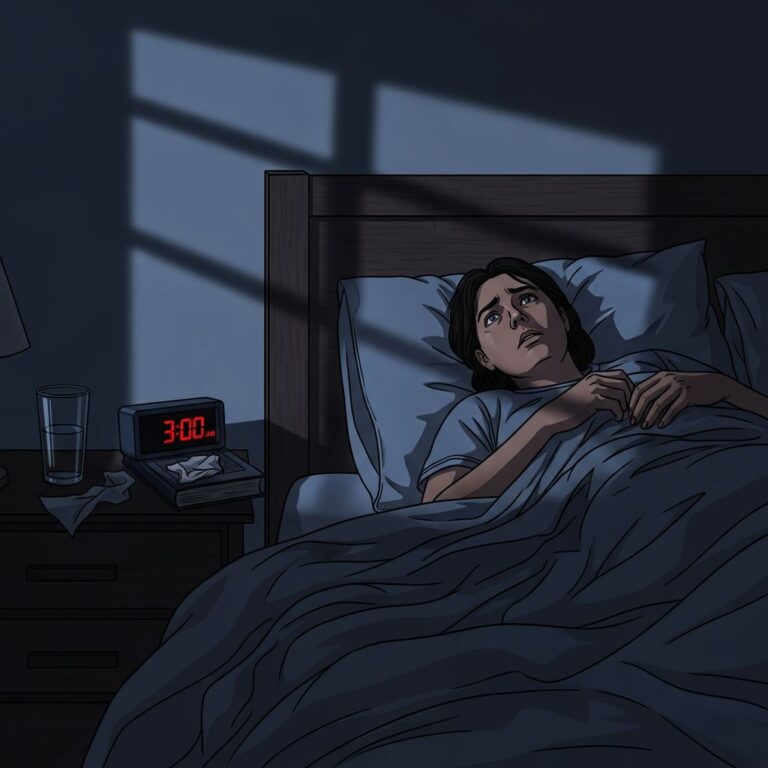
Understanding Vaccine Fear: Origins and Solutions
Explore the psychological and social roots of vaccine hesitancy and discover evidence-based strategies to overcome fear.

Vaccine hesitancy remains a significant public health challenge, with a substantial portion of the population expressing apprehension about immunization. Understanding the roots of vaccine fear is essential for healthcare providers, policymakers, and individuals seeking to make informed health decisions. Fear of vaccines stems from multiple interconnected sources, including psychological factors, misinformation, medical concerns, and social influences. By examining these drivers comprehensively, we can develop targeted strategies to address hesitancy and improve vaccination rates.
The Psychology of Needle Fear
One of the most fundamental sources of vaccine anxiety is the fear of needles themselves. Between 3.5 and 10% of the population suffer from trypanophobia, an extreme fear and avoidance of injections or blood draws. This phobia extends beyond simple discomfort; it represents a genuine psychological condition that can significantly impact healthcare decisions.
The development of needle anxiety often traces back to early experiences. Our brains maintain what researchers describe as a mental filing system—the hippocampus—that stores behavioral patterns and emotional responses. The first vaccination experience is particularly crucial in establishing how we respond to future immunizations. If that initial encounter was traumatic or frightening, it becomes a blueprint for subsequent responses. This pattern of fear becomes self-perpetuating, with anxiety increasing each time vaccination becomes necessary.
The psychological mechanism behind this fear involves more than simple conditioning. When individuals anticipate a needle, their nervous system may activate the fight-or-flight response, triggering physical symptoms such as increased heart rate, rapid breathing, and muscle tension. Stress amplifies these responses, making the experience more distressing.
Misinformation and Online Echo Chambers
Digital platforms have fundamentally transformed how vaccine information spreads, creating unprecedented challenges for public health. Anti-vaccine social media accounts have gained approximately 8 million new followers since 2019, facilitated largely by the echo chamber effect of social media algorithms.
The impact of vaccine misinformation is substantial and measurable:
- One in three individuals have been exposed to anti-vaccine messaging about COVID-19 vaccination
- Misinformation spreads faster than factual information, reaching larger audiences before corrections can be implemented
- Visual and emotionally compelling false narratives tend to be more persuasive than dry factual statements
- Conspiracy theories provide simple explanations for complex phenomena, appealing to people seeking clarity
Misinformation encompasses various forms of false or misleading content about vaccine safety, efficacy, and necessity. These messages can include claims about long-term health effects, assertions that vaccines contain harmful substances, or suggestions that vaccination is part of a broader agenda by institutions. The psychological appeal of misinformation lies partly in how it validates existing doubts and provides simple explanations for complex medical questions.
Concerns About Rapid Development
When vaccines are developed and deployed quickly—particularly under intense public scrutiny—legitimate questions about safety and efficacy naturally arise. Many people find it difficult to reconcile accelerated development timelines with the thoroughness they expect from medical interventions.
Related Stories



However, rapid development does not mean compromised safety standards. Vaccines undergo the same rigorous ethics and safety approvals as other medical treatments. What differs is the timeline for individual steps, not the elimination of safety checks. Parallel processing of trials, increased funding, and global collaboration can significantly accelerate development without reducing safety vigilance.
The perception of rushed development creates psychological barriers even when scientific evidence demonstrates safety. Individuals may question whether sufficient time has passed to identify long-term effects, despite evidence showing that serious vaccine side effects typically emerge within weeks, not years.
Safety Concerns and Risk Perception
Safety concerns represent among the most common reasons for vaccine hesitancy. However, these concerns often reflect distorted risk perception rather than actual statistical danger. Individuals may overestimate vaccine risks while underestimating the dangers of the diseases vaccines prevent.
This risk perception gap operates through several psychological mechanisms:
- Availability bias: Memorable accounts of rare side effects seem more common than they are
- Salience: Dramatic stories about adverse events receive more attention than statistics about prevented illness
- Dread risk: Unfamiliar medical risks provoke greater fear than well-known hazards
- Overestimation of rare events: Media coverage of exceptional cases creates inflated perceptions of frequency
Parents often express particular concerns about vaccine timing and the number of simultaneous vaccinations. Some fear that multiple vaccines administered at once might overload a child’s immune system, despite robust evidence demonstrating that the pediatric immune system easily handles multiple vaccines. These fears often stem from reasonable parental caution directed toward incorrect conclusions.
Trust in Healthcare Institutions
Trust in healthcare providers and institutions represents a key determinant of vaccine acceptance. Historical mistreatment of marginalized communities, ongoing healthcare disparities, and experiences with discrimination all contribute to warranted skepticism in certain populations.
Building trust requires acknowledging these historical contexts and demonstrating genuine commitment to equitable care. Healthcare providers who establish positive relationships with patients, demonstrate expertise, and listen to concerns significantly increase vaccine acceptance. Conversely, distrust—whether rooted in historical injustice or personal experience—substantially increases hesitancy.
Social Networks and Peer Influence
Social networks and peer influence significantly impact vaccine decisions. The opinions and attitudes of friends, family members, and community members shape individual perceptions of vaccine safety and efficacy far more powerfully than abstract statistics or official guidance.
This social influence operates through multiple channels:
- Anecdotal reports from trusted individuals carry substantial psychological weight
- Community norms establish what behaviors seem acceptable or expected
- Social identity and group belonging influence health decisions
- Fear and uncertainty spread through social networks similarly to information
When vaccine-hesitant individuals congregate in communities with shared skepticism, reinforcement of doubts occurs through regular social interaction. These communities may develop alternative health narratives that provide coherent explanations for vaccine hesitancy, making it increasingly difficult for members to accept mainstream medical recommendations.
Complacency and Perceived Risk
Complacency about vaccination needs develops in areas where perceived disease risk is low, particularly where successful vaccination programs have already eliminated or minimized disease burden. Paradoxically, vaccine success creates conditions for increased hesitancy.
When diseases become rare, people forget their severity. Parents who have never seen measles, polio, or whooping cough may view these conditions as historical curiosities rather than genuine threats. Simultaneously, they become aware of vaccine side effects—however rare—creating a perceived risk-benefit calculation favoring non-vaccination.
Government Mandates and Autonomy Concerns
Resistance to vaccine mandates reflects concerns about personal freedom and autonomy. Individuals who perceive vaccine requirements as infringing upon personal liberty may increase hesitancy as an expression of autonomy, regardless of health evidence.
This dynamic becomes particularly pronounced when mandates are implemented without adequate community engagement, transparent communication, or recognition of legitimate concerns. Political polarization amplifies these tensions, transforming vaccination into a symbol of group identity rather than a health decision.
Practical Strategies to Overcome Vaccine Fear
Addressing vaccine hesitancy requires multi-faceted approaches tailored to individual circumstances and concerns.
Managing Injection Anxiety
For individuals whose primary concern involves needle fear, specific techniques can reduce anxiety:
- Schedule vaccination appointments after adequate sleep and relaxation rather than following stressful events
- Practice deep breathing techniques before and during the procedure
- Inform the healthcare provider about anxiety so they can provide reassurance and support
- Allow time to acclimate to the clinical environment before the injection
- Consider bringing a trusted companion for emotional support
Seeking Reliable Information
Distinguishing between trustworthy information and misinformation requires deliberate effort:
- Consult pharmacists and practice nurses who can provide evidence-based information
- Access official health agency resources from government health departments and organizations like the CDC
- Review peer-reviewed scientific literature rather than anecdotal accounts
- Ask healthcare providers to explain the reasoning behind vaccine recommendations
- Verify sources by checking author credentials and institutional affiliations
Maintaining Perspective
Keeping the ultimate health goal in mind helps counterbalance anxiety:
- Remember that vaccination protects both yourself and vulnerable community members
- Consider the documented harms of vaccine-preventable diseases
- Remain objective and rational when evaluating information, particularly emotionally charged claims
- Focus on evidence-based risk comparisons rather than theoretical concerns
The Role of Healthcare Providers
Healthcare providers play a crucial role in addressing vaccine hesitancy through compassionate engagement. Rather than dismissing concerns as irrational, providers should acknowledge fears while offering accurate information. Understanding the specific reasons behind individual hesitancy allows for targeted responses addressing actual concerns rather than generic reassurance.
Providers should expect questions about vaccine safety and effectiveness, recognizing these as normal rather than evidence of unreasonable skepticism. Clear communication about how vaccines work, what safety testing involves, and how benefits compare to risks helps individuals make informed decisions aligned with their values.
Factors Influencing Vaccine Sentiment
Vaccine acceptance remains dynamic, changing as circumstances shift and new information emerges. Factors that influence vaccine sentiment include:
- Reports of new vaccine risks or side effects
- Perception of increasing or decreasing disease threats
- Changes in trusted authority figures’ recommendations
- Shifts in political or social attitudes toward vaccination
- Personal experiences with vaccine-preventable diseases
This dynamism means that vaccine hesitancy is not fixed; increased communication, addressing emerging concerns responsibly, and demonstrating genuine care can shift sentiment positively.
Disparities in Vaccine Hesitancy
Vaccine hesitancy is not evenly distributed across populations. Research shows greater hesitancy among racial and ethnic minorities and individuals with lower income levels, often driven by legitimate historical reasons for mistrust of medical institutions. Additionally, vaccine hesitancy frequently correlates with distrust of government and concerns about side effects.
Addressing these disparities requires acknowledging historical injustices, investing in community engagement, and ensuring equitable access to vaccination services and reliable information.
Frequently Asked Questions
Q: Is trypanophobia a common condition?
A: Yes, between 3.5 and 10% of the population experiences trypanophobia, an extreme fear of needles and injections. This is a recognized psychological condition, not a character flaw.
Q: How does early experience with vaccination affect later responses?
A: The first vaccination experience creates a psychological template for future responses. If that initial experience was frightening or traumatic, it can establish a pattern of fear that persists into adulthood.
Q: What is the most effective way to counter vaccine misinformation?
A: Rather than simply correcting false claims, which can backfire, focus on providing accurate information from trusted sources, acknowledging legitimate concerns, and explaining the scientific reasoning behind vaccine recommendations.
Q: Why do people worry about vaccines developed quickly?
A: Rapid development timelines can create the perception that safety was compromised. However, acceleration typically occurs through parallel processing and increased funding, not elimination of safety standards.
Q: How can I overcome needle anxiety for vaccination?
A: Schedule appointments when well-rested and calm, practice deep breathing, inform your healthcare provider about your anxiety, and allow time to relax before the procedure.
Q: Where can I find reliable vaccine information?
A: Consult pharmacists, practice nurses, and official health agency resources. Avoid sources that lack credentials or institutional affiliation.
Conclusion
Vaccine fear arises from multiple interconnected sources—psychological, social, informational, and institutional. Understanding these drivers enables more effective and compassionate responses to hesitancy. Rather than dismissing concerns as irrational, healthcare providers and public health officials should acknowledge fears while providing accurate information and demonstrating genuine commitment to patient wellbeing. By combining individual strategies for managing anxiety with broader efforts to build trust, increase health literacy, and address historical inequities, we can work toward higher vaccination rates and better protection for our communities.
References
- Meeting the Challenge of Vaccine Hesitancy — Cleveland Clinic Journal of Medicine. 2021-01-01. https://www.ccjm.org/content/91/9_suppl_1/S50
- Where Does a Fear of Vaccines Come From? — Patient.info. 2020-11-25. https://patient.info/features/mental-health/where-does-a-fear-of-vaccines-come-from
- A Strategic Approach to Addressing Patient Vaccine Hesitancy with Compassion — Wolters Kluwer Health Expert Insights. 2021-09-15. https://www.wolterskluwer.com/en/expert-insights/a-strategic-approach-to-addressing-patient-vaccine-hesitancy-with-compassion
- Exploring the Reasons Behind Parental Refusal of Vaccines — National Center for Biotechnology Information. 2015-04-23. https://pmc.ncbi.nlm.nih.gov/articles/PMC4869767/
- Educating Patients to Alleviate Fear of Receiving the Vaccine — National Center for Biotechnology Information. 2021-09-01. https://pmc.ncbi.nlm.nih.gov/articles/PMC8391095/
- Talking with Parents about Vaccines — Centers for Disease Control and Prevention. 2024-01-15. https://www.cdc.gov/vaccines-children/hcp/conversation-tips/index.html
Similar Articles








Read full bio of Sneha Tete