Understanding Viral Gastroenteritis: Causes, Symptoms & Treatment
Complete guide to viral gastroenteritis: symptoms, causes, treatment options, and prevention strategies.
Understanding Viral Gastroenteritis
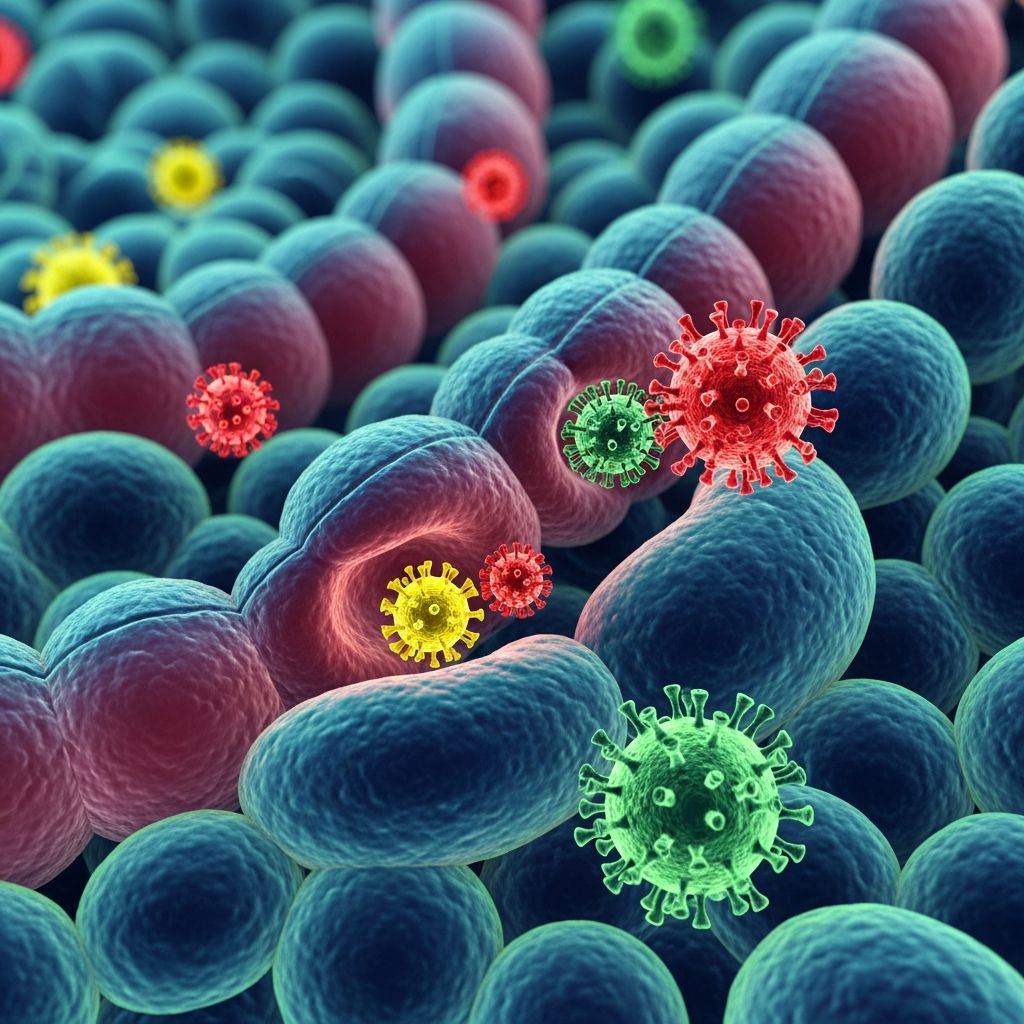
Viral gastroenteritis, commonly known as stomach flu, is an infection of the stomach and intestines caused by various viruses. Despite its nickname, it is not related to the influenza virus that causes seasonal flu. Viral gastroenteritis is one of the most common infectious illnesses, affecting millions of people worldwide each year. The condition causes inflammation of the digestive tract, leading to uncomfortable gastrointestinal symptoms that typically resolve on their own within a few days.
The disease spreads easily in communal settings and among household members through direct contact with infected individuals or contaminated food and water. While most healthy individuals recover without complications, viral gastroenteritis can pose serious risks to vulnerable populations, including infants, elderly adults, and people with weakened immune systems. Understanding this condition, its symptoms, causes, and treatment options is essential for proper management and prevention.
What Causes Viral Gastroenteritis?
Viral gastroenteritis is caused by several different types of viruses that specifically target the digestive system. The most common viral culprits include:
- Norovirus (Norwalk-like virus): The leading cause of viral gastroenteritis in adults, particularly common in schools, hospitals, cruise ships, and other communal settings. This highly contagious virus spreads rapidly through populations.
- Rotavirus: The most significant cause of gastroenteritis in infants and young children worldwide. While it primarily affects children under five years old, it can also infect older children, adults exposed to infected children, and residents of nursing homes.
- Astrovirus: Another common culprit that affects both children and adults, though it is more prevalent during winter months.
- Enteric adenovirus: Viruses specifically designed to affect the gastrointestinal tract, causing inflammation and fluid loss.
- COVID-19: The novel coronavirus can cause gastrointestinal symptoms including stomach upset and diarrhea, even when respiratory symptoms are not present.
Transmission typically occurs through direct contact with an infected person or consumption of contaminated food or water. You can contract viral gastroenteritis by sharing utensils, towels, or food with someone carrying the virus, or by touching surfaces contaminated with viral particles and then touching your face.
Recognizing Symptoms of Viral Gastroenteritis
Symptoms of viral gastroenteritis typically appear within 4 to 48 hours after exposure to the virus, though the incubation period can vary depending on the specific virus involved. Most individuals experience mild to moderate symptoms that resolve within one to three days, though in some cases symptoms may persist for up to two weeks.
Primary Symptoms
The most common symptoms of viral gastroenteritis include:
- Abdominal pain and cramping
- Watery diarrhea
- Nausea and vomiting
Secondary Symptoms
Additional symptoms that may occur alongside the primary symptoms include:
- Fever and chills
- Clammy skin or excessive sweating
- Joint stiffness or muscle pain
- Headache
- Loss of appetite
- Weight loss (temporary)
- General weakness and fatigue
- In infants, poor feeding and decreased fluid intake
The severity and combination of symptoms can vary widely between individuals. Some people may experience primarily gastrointestinal symptoms, while others develop systemic symptoms like fever and body aches.
Who Is at Higher Risk?
While viral gastroenteritis can affect anyone, certain populations face higher risks of severe infection and complications:
Related Stories



- Infants and young children: Particularly vulnerable due to immature immune systems and inability to communicate thirst needs
- Older adults: Weakened immune function and reduced ability to compensate for fluid loss increase risk
- People with compromised immune systems: Those with HIV/AIDS, cancer patients undergoing treatment, or individuals taking immunosuppressive medications
- Residents of nursing homes and other congregate settings: Close quarters facilitate rapid viral transmission
- People with chronic medical conditions: Diabetes, heart disease, and kidney disease can complicate recovery
Diagnosis of Viral Gastroenteritis
Viral gastroenteritis is typically diagnosed clinically based on symptoms and medical history. Healthcare providers will ask about symptom onset, duration, and severity, as well as potential exposure to infected individuals or contaminated food or water. In most cases, laboratory testing is not necessary, as the diagnosis is straightforward based on presenting symptoms.
However, if symptoms are severe, prolonged, or if complications are suspected, doctors may order stool tests or blood work to rule out bacterial or parasitic infections, which require different treatment approaches. It is important to distinguish viral gastroenteritis from bacterial infections like Salmonella, E. coli, or Campylobacter, as well as parasitic infections like Giardia, since these may require medical intervention.
Treatment Options for Viral Gastroenteritis
There is no specific medical treatment for viral gastroenteritis, as antibiotics are ineffective against viruses and do not accelerate recovery. Instead, treatment focuses on supportive care and symptom management, with the primary goal being prevention and treatment of dehydration, which is the main complication of this illness.
Fluid and Electrolyte Replacement
The cornerstone of treatment is maintaining adequate hydration. When vomiting and diarrhea occur, the body loses significant amounts of water and essential electrolytes such as sodium, potassium, and chloride. These must be replaced to prevent dehydration.
Recommended fluids include:
- Water in small, frequent sips
- Clear broths and soups
- Sports drinks containing electrolytes
- Coconut water
- Oral rehydration solutions (ORS) specifically formulated with the correct balance of electrolytes
- Clear sodas or ginger ale (though some healthcare providers recommend avoiding caffeine)
- Diluted apple or white grape juice
Avoid caffeine, alcohol, nicotine, and acidic beverages like orange juice, which may exacerbate symptoms. Milk and fatty foods should also be avoided initially.
Dietary Management
Current evidence shows that following a restricted diet does not improve recovery from viral gastroenteritis. Instead, you should follow these dietary guidelines:
Initial Phase (First Few Hours): Allow your stomach to settle by avoiding solid foods for the first few hours. Focus exclusively on clear fluids.
Gradual Return to Eating: As your condition improves and nausea subsides, gradually introduce bland, easily digestible foods:
- Plain cereals, bread, and crackers
- Boiled potatoes or plain rice
- Lean meats and poultry
- Plain yogurt
- Bananas and fresh apples
- Cooked vegetables
- Noodles and pasta in plain broth
- Soup (clear or light broths)
- Oatmeal
Returning to Normal Diet: Once your child or you becomes rehydrated and appetite returns, you can resume a normal diet. Research demonstrates that this approach is just as effective as restrictive diets. Stop eating if nausea returns, and wait a bit longer before trying solid foods again.
Foods and Substances to Avoid: Continue avoiding caffeine, alcohol, nicotine, fatty foods, and highly seasoned dishes until you feel completely better. Do not give children sugary foods like ice cream, candy, or sugary sodas, as these can worsen diarrhea.
Special Considerations for Infants
Babies with viral gastroenteritis can continue to drink breast milk or formula along with extra fluids. There is no need to switch to soy formula. Breastfeeding should continue as tolerated, as breast milk provides both hydration and beneficial antibodies.
Over-the-Counter Medications
For symptom relief, some over-the-counter medications may help, but use them cautiously:
- Acetaminophen or ibuprofen: For fever, headache, and muscle aches, following package directions carefully
- Loperamide (Imodium A-D) or bismuth subsalicylate (Pepto-Bismol): May help some adults manage diarrhea symptoms
Important caution: Do not use anti-diarrhea medications if you have bloody diarrhea, fever, or severe diarrhea without consulting your healthcare provider first. Never give these medications to children without specific medical guidance, as they can trap viruses in the intestines and worsen the infection.
When to Seek Medical Care
Most cases of viral gastroenteritis resolve at home without medical intervention. However, IV fluids may be necessary if you cannot drink or keep down fluids due to severe nausea or vomiting. Infants and young children are more likely to require intravenous hydration. Contact your healthcare provider if:
- You or your child cannot keep fluids down and show signs of dehydration
- Diarrhea or vomiting persists for more than a few days
- There is blood in vomit or stool
- Severe abdominal pain develops
- Signs of severe dehydration appear (extreme thirst, dry mouth, little or no urination, severe weakness)
- Your child has symptoms and is under 6 months old
- You or your child has a weakened immune system
Prevention Strategies
Prevention is essential since no cure exists for viral gastroenteritis. Key prevention measures include:
- Hand hygiene: Wash hands thoroughly and frequently with soap and warm water for at least 20 seconds, especially after using the bathroom or changing diapers, and before eating or preparing food
- Food safety: Avoid eating raw or undercooked food, especially shellfish and eggs. Ensure food is stored properly and consumed before expiration dates
- Water safety: Drink clean, safe water from reliable sources. Avoid tap water in regions with questionable water treatment
- Surface cleaning: Disinfect commonly touched surfaces with appropriate cleaning solutions, especially during outbreaks
- Personal items: Do not share utensils, towels, toothbrushes, or cups with infected individuals
- Sick leave: Stay home when sick and keep children home from school or childcare to prevent spreading the virus
- Vaccination: Rotavirus vaccines (RotaTeq or Rotarix) can prevent rotavirus infection in infants and should be administered according to recommended schedules
Prognosis and Recovery
For most people, viral gastroenteritis resolves completely within a few days without any medical treatment. The illness typically lasts one to three days, though symptoms can occasionally persist for up to two weeks. Most healthy individuals recover fully without complications or long-term effects.
However, dehydration is the primary complication to watch for, particularly in vulnerable populations. Severe dehydration can lead to serious complications if not managed promptly. With appropriate fluid replacement and supportive care, even high-risk individuals usually recover well.
Frequently Asked Questions
Q: Is stomach flu the same as influenza?
A: No. Viral gastroenteritis (stomach flu) affects the digestive system, while influenza (flu) is a respiratory illness. They are caused by different viruses and have different symptoms.
Q: How long is viral gastroenteritis contagious?
A: Viral gastroenteritis is contagious from the onset of symptoms until symptoms resolve, and sometimes for several days afterward. You should practice careful hygiene during this entire period.
Q: Can antibiotics treat viral gastroenteritis?
A: No. Antibiotics only work against bacterial infections. Viral infections must run their course with supportive care.
Q: What is the best oral rehydration solution?
A: WHO-approved oral rehydration solutions contain specific ratios of electrolytes and glucose. Commercial products like Pedialyte or similar solutions are effective, or you can consult your healthcare provider for recommendations.
Q: When should I call a doctor about viral gastroenteritis?
A: Contact your doctor if symptoms persist beyond three days, if there is blood in stool or vomit, if severe abdominal pain develops, if signs of dehydration appear, or if you are unable to keep fluids down.
Q: Can probiotics help treat viral gastroenteritis?
A: Some research suggests certain probiotics may help shorten diarrhea duration, but more research is needed. Talk with your doctor before using probiotics, as they are not suitable for everyone, particularly those with compromised immune systems.
References
- Viral Gastroenteritis (Stomach Flu) — Penn Medicine. 2024. https://www.pennmedicine.org/conditions/viral-gastroenteritis-stomach-flu
- Viral Gastroenteritis (Stomach Flu) — Diagnosis & Treatment — Mayo Clinic. 2024. https://www.mayoclinic.org/diseases-conditions/viral-gastroenteritis/diagnosis-treatment/drc-20378852
- Viral Gastroenteritis (Stomach Flu) — Symptoms & Causes — Mayo Clinic. 2024. https://www.mayoclinic.org/diseases-conditions/viral-gastroenteritis/symptoms-causes/syc-20378847
- Treatment of Viral Gastroenteritis (Stomach Flu) — National Institute of Diabetes and Digestive and Kidney Diseases (NIDDK). 2024. https://www.niddk.nih.gov/health-information/digestive-diseases/viral-gastroenteritis/treatment
- Viral Gastroenteritis — Office of Public Health, Georgetown University. 2024. https://publichealth.georgetown.edu/viral-gastroenteritis/
- Stomach Flu: Symptoms, Causes & Treatment — Cleveland Clinic. 2024. https://my.clevelandclinic.org/health/diseases/12418-stomach-flu
- Gastroenteritis — Fact Sheets — Yale Medicine. 2024. https://www.yalemedicine.org/conditions/gastroenteritis
Similar Articles








Read full bio of Sneha Tete