Understanding Vision Loss in Young Children
Comprehensive guide to identifying and managing reduced vision in pediatric patients
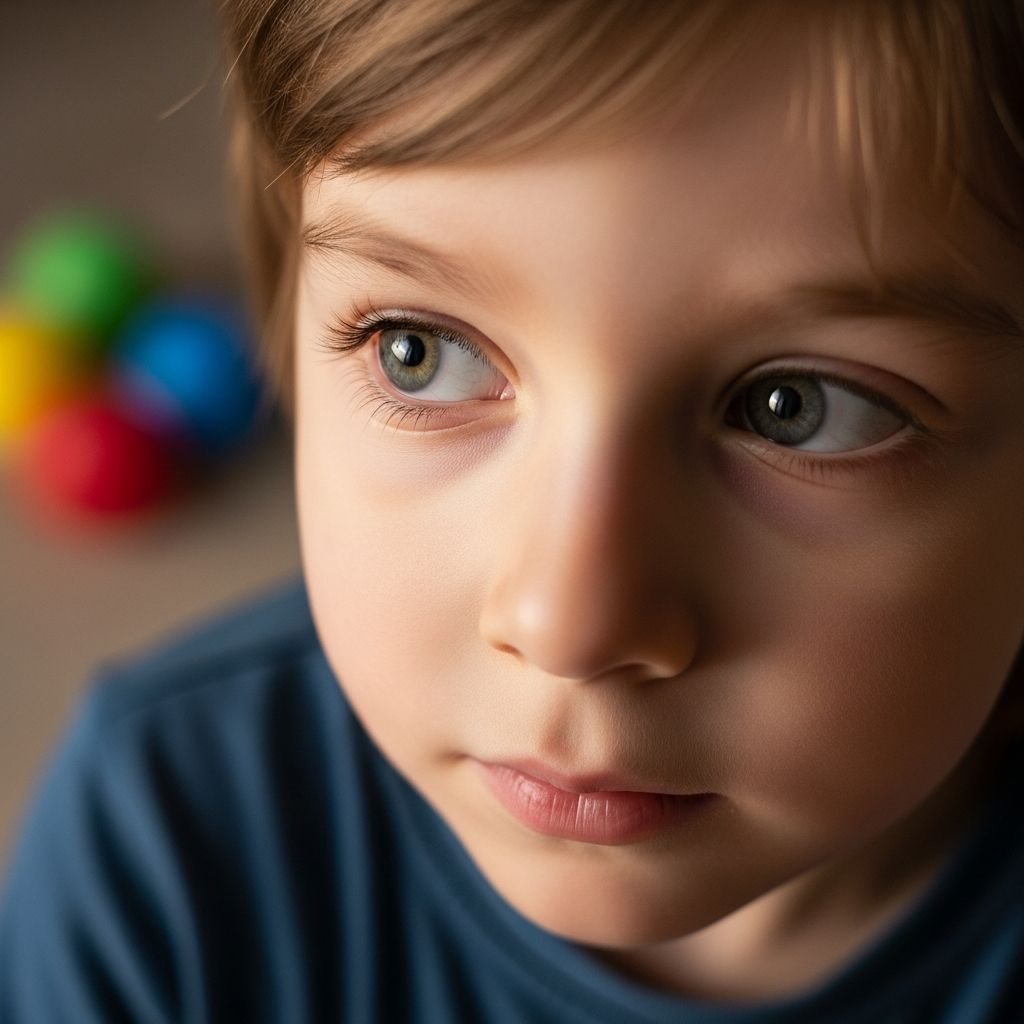
Vision loss during childhood represents a significant health concern that can substantially impact a child’s development, education, and quality of life. Unlike simple refractive errors that can be corrected with glasses or contact lenses, low vision in children describes a condition where visual impairment cannot be fully resolved through standard optical correction or medical intervention. This guide explores the multifaceted nature of reduced vision in young patients, examining underlying causes, recognition strategies, diagnostic approaches, and evidence-based management techniques that help children maximize their remaining visual capabilities.
Defining Reduced Vision in the Pediatric Population
Childhood low vision is characterized by a significant reduction in visual function that affects a child’s ability to perform age-appropriate activities, despite appropriate optical correction or medical treatment. This condition differs from complete blindness, as children with low vision retain some functional sight, though it may be substantially limited. The visual impairment may manifest as reduced visual acuity, restricted visual fields, difficulty with contrast sensitivity, or challenges with light adaptation.
Visual impairment in children can be classified as either congenital (present from birth) or acquired (developing after birth). Congenital cases often result from genetic conditions or developmental abnormalities, while acquired low vision may follow infections, injuries, or progressive diseases. The severity and nature of vision loss vary considerably among affected children, necessitating individualized assessment and management approaches.
Primary Medical Causes of Reduced Vision in Children
Inherited Pigmentation Disorders
Albinism stands as a significant inherited condition affecting melanin production in the skin, hair, and eyes. Individuals with albinism possess either minimal melanin or completely lack this protective pigment. The reduction or absence of melanin in ocular tissues contributes to multiple vision-related challenges that persist throughout life.
Children with albinism commonly experience several vision complications. These include astigmatism, which develops when the cornea lacks proper curvature or the lens has an abnormal shape, resulting in blurred vision at multiple distances. Nystagmus, characterized by involuntary rapid eye movements, frequently accompanies albinism and affects visual stability. Photophobia, or heightened light sensitivity, causes discomfort in bright environments. Many individuals with albinism also develop refractive errors such as myopia or hyperopia. Importantly, vision problems associated with albinism are permanent but typically remain stable, rarely worsening as the child matures.
Lens Opacity Conditions
Pediatric cataracts represent cloudiness or opacity developing in the eye’s lens, potentially causing significant vision loss depending on their size and location. Approximately 3 out of 10,000 children develop cataracts during childhood. Common causative factors include genetic predisposition, intrauterine infections such as rubella, and abnormal lens development in utero.
The impact of cataracts on vision depends on their characteristics. Small cataracts located on the lens periphery may not substantially interfere with vision. However, larger cataracts or those positioned centrally in the optical axis can severely compromise visual function. When cataracts significantly impair vision, surgical removal becomes necessary and should be performed as soon as it is safely feasible, as early intervention is critical for proper visual development during infancy and early childhood.
Elevated Intraocular Pressure Disorders
Pediatric glaucoma, also termed infantile or childhood glaucoma, typically manifests before a child’s first birthday. This condition involves an abnormal elevation of pressure within the eye, potentially causing irreversible damage to the optic nerve if left untreated. Unlike adult glaucoma, which often develops insidiously, pediatric glaucoma may present with noticeable clinical signs.
Related Stories



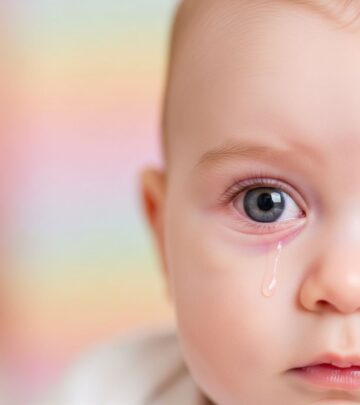
Observable symptoms of childhood glaucoma include progressive vision loss, excessive tearing or epiphora, corneal cloudiness, enlargement of the affected eye, and marked light sensitivity. Many cases of pediatric glaucoma respond well to medical and surgical management when diagnosed early, making prompt recognition and treatment essential for preserving vision.
Retinal Degenerative Conditions
Multiple inherited retinal diseases can cause low vision or blindness in children. These conditions include Bardet-Biedl syndrome, which combines retinal degeneration with systemic features; Leber congenital amaurosis, a severe early-onset retinal dystrophy; retinitis pigmentosa (RP), involving progressive photoreceptor degeneration; Stargardt macular dystrophy, affecting central vision; and Usher syndrome, which combines retinal and hearing loss. Children diagnosed with retinal diseases require close monitoring by specialized low vision optometrists to manage progressive vision loss and adapt interventions as the condition evolves.
Eye Injury and Trauma
Ocular trauma ranks as a leading cause of acquired monocular blindness affecting one eye in children. According to research published in The Journal of Ophthalmology, approximately 250,000 children annually receive treatment for serious eye injuries in the United States alone. Of these cases, up to 14% result in visual impairment or permanent blindness. Ocular trauma may result from sports injuries, accidental falls, penetrating objects, or intentional harm.
Prevention strategies include ensuring children wear appropriate protective eyewear during sports activities, craft projects, and any potentially hazardous pursuits. Early intervention and proper medical management following eye injuries can sometimes preserve or restore functional vision.
Refractive and Amblyopic Disorders
High refractive errors combined with amblyopia represent common causes of visual impairment in school-aged children. Amblyopia develops when one or both eyes fail to develop normal visual acuity despite anatomically normal eye structures. This condition typically results from significant uncorrected refractive errors, strabismus (eye misalignment), or visual axis obstruction.
Research indicates that bilateral amblyopia typically arises from high bilateral refractive errors, such as severe hyperopia or astigmatism. Unilateral amblyopia more commonly develops from strabismus or anisometropia (significant difference in refractive error between eyes). Early identification and correction of refractive errors through spectacle prescription can prevent or minimize amblyopic vision loss.
Recognition and Identification of Vision Loss
Observable Behavioral and Physical Indicators
Parents and caregivers should remain vigilant for signs suggesting reduced vision in children. Observable indicators include difficulties with eye contact or visual attention, delayed motor development such as trouble with balance or coordination, reluctance to look at objects or people, excessive squinting or eye rubbing, tilting or turning the head to view objects, and difficulty navigating familiar environments or recognizing familiar faces.
Physical signs may include eye misalignment (strabismus), nystagmus or involuntary eye movements, excessive tearing without explanation, corneal cloudiness visible to the naked eye, or unusual sensitivity to light. Behavioral changes such as social withdrawal, reduced participation in activities requiring vision, or academic difficulties may also suggest underlying vision problems.
Diagnostic Evaluation and Assessment
Professional diagnosis of childhood low vision requires comprehensive ophthalmologic or optometric evaluation using specialized testing approaches adapted to pediatric patients. Ophthalmologists employ various vision assessment techniques to determine visual acuity, visual field extent, and the presence of specific visual impairments.
The diagnostic process includes measurement of visual acuity using age-appropriate testing methods, pupillary light response evaluation, assessment of eye movement and alignment, intraocular pressure measurement when glaucoma is suspected, and detailed examination of anterior and posterior eye structures. Imaging studies such as optical coherence tomography (OCT) or retinal photography may provide additional diagnostic information. The clinician will establish whether the vision loss is reversible or irreversible and determine the severity’s impact on daily functioning.
Management and Rehabilitation Strategies
Optical and Visual Aids
Low vision specialists can prescribe specialized optical devices to enhance functional vision in affected children. These aids include magnification systems such as hand-held magnifiers, stand magnifiers, or high-power reading glasses for near vision tasks. Distance magnification aids help children see classroom materials or distant objects. Electronic magnification devices and specialized lighting systems optimize contrast and reduce glare for improved visual function.
Non-Optical Interventions
Beyond optical aids, comprehensive low vision care incorporates environmental modifications and adaptive techniques. Improving lighting conditions, increasing contrast of printed materials, enlarging text sizes, and organizing environments to minimize obstacles enhance safety and functional independence. Orientation and mobility training teaches children safe navigation strategies, while activities of daily living training develops independence in personal care tasks.
Educational and Developmental Support
Children with low vision benefit from coordinated educational services that address their unique learning needs. Teachers of the visually impaired provide specialized instruction in academic subjects adapted to the child’s visual capabilities. Early intervention programs for infants and toddlers support crucial developmental milestones. Regular collaboration among medical professionals, educators, parents, and the child ensures comprehensive support addressing academic achievement, social development, and emotional well-being.
Emotional and Psychological Considerations
Vision loss profoundly affects children’s emotional well-being and self-perception. Many children experience frustration, anxiety, or depression related to functional limitations and perceived differences from peers. Family members also require support processing the diagnosis and adjusting expectations. Psychological counseling and support groups connecting families with others navigating similar challenges provide valuable emotional resources.
Prognosis and Long-Term Perspectives
The prognosis for children with low vision varies considerably depending on the underlying cause, severity of impairment, and available interventions. Some conditions remain stable throughout life, while others progress slowly or rapidly. Early diagnosis, appropriate management, and comprehensive rehabilitation maximize the child’s functional potential and quality of life.
Many children with low vision develop remarkable adaptability and resilience. With appropriate support systems, specialized education, optical aids, and rehabilitation training, most children successfully navigate school, develop social relationships, and pursue meaningful activities. Advances in assistive technology continue expanding possibilities for functional independence and participation in mainstream activities.
Frequently Asked Questions
Can childhood low vision be cured?
The potential for cure depends on the underlying cause. Some conditions such as cataracts can be surgically corrected if caught early. Refractive errors and amblyopia may be treatable with glasses, contact lenses, or vision therapy. However, many inherited retinal diseases and congenital conditions cannot be cured, though management strategies can optimize remaining vision.
At what age should vision screening occur?
Comprehensive eye examinations should begin in infancy, with screening at well-child visits. The American Academy of Ophthalmology recommends formal vision screening at specific intervals during early childhood. Earlier diagnosis of vision problems enables prompt intervention during critical periods of visual development.
How does low vision affect school performance?
Vision loss can impact reading ability, note-taking, viewing classroom materials, and social interaction with peers. However, with appropriate accommodations, assistive technology, and specialized instruction, most children with low vision succeed academically in mainstream educational settings.
What role do parents play in managing childhood low vision?
Parents are essential partners in the child’s care team. They advocate for appropriate educational services, ensure consistent use of prescribed optical aids, support the child emotionally, facilitate access to rehabilitation services, and maintain regular follow-up appointments with vision specialists.
Are there support resources for families?
Numerous organizations provide resources, support groups, educational materials, and advocacy services for families navigating childhood vision loss. These include disease-specific organizations, low vision centers, educational agencies, and peer support networks connecting families with shared experiences.
Conclusion
Childhood low vision encompasses diverse conditions affecting visual function in young patients. Understanding the various causes, recognizing early indicators, obtaining prompt professional diagnosis, and implementing comprehensive management strategies enable children to maximize their functional vision and achieve their developmental potential. With modern optical aids, rehabilitation services, educational support, and family involvement, children with low vision can overcome challenges and participate fully in school, social activities, and community life. Ongoing advances in assistive technology and treatment approaches continue improving outcomes and expanding possibilities for these resilient young individuals.
References
- What Causes Low Vision In Children? — American Optometric Association. Accessed February 2026. https://www.optometrists.org/general-practice-optometry/guide-to-low-vision/low-vision-in-children/what-causes-low-vision-in-children/
- What Causes Low Vision And Blindness In Children? — Low Vision New Mexico. Accessed February 2026. https://www.lowvisionnm.com/what-causes-low-vision-and-blindness-in-children/
- The Prevalence and Causes of Low Vision and Visual Impairment in Children — National Center for Biotechnology Information (NCBI). PMC9832448. https://pmc.ncbi.nlm.nih.gov/articles/PMC9832448/
Similar Articles








Read full bio of medha deb