Vitrectomy Surgery: What To Expect And Recovery Guide
Explore the essentials of vitrectomy, a vital eye procedure that removes problematic vitreous gel to restore vision and treat retinal issues.
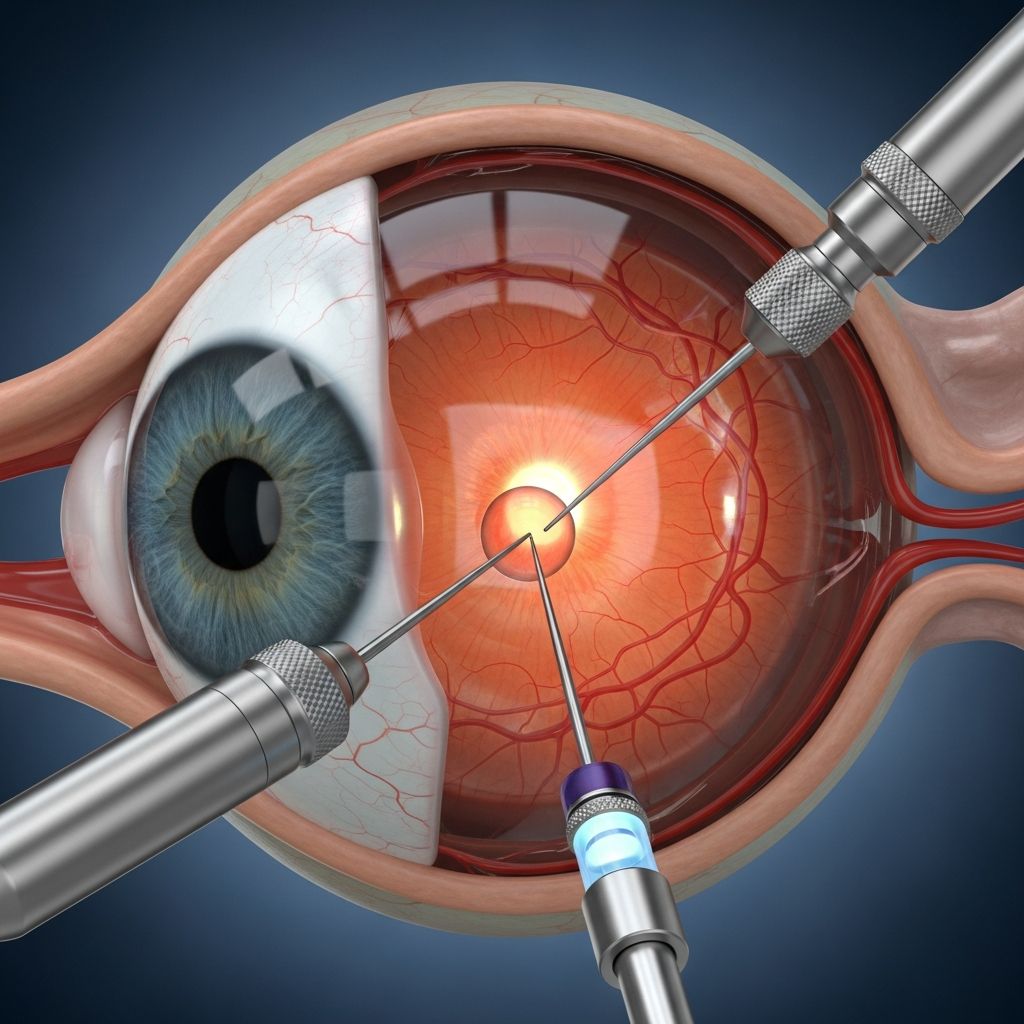
Vitrectomy is a sophisticated microsurgical technique designed to remove the vitreous humor, the clear gel filling the eye’s interior, enabling access to the retina for repairs. This procedure addresses severe vision-threatening conditions by clearing obstructions and stabilizing retinal structures.
The Anatomy Behind Vitrectomy
The eye’s vitreous body occupies about two-thirds of its volume, acting as a transparent scaffold between the lens and retina. Composed mostly of water with collagen and hyaluronic acid, it maintains eye shape and transmits light. Over time or due to disease, it can become cloudy with blood, inflammatory cells, or fibrous strands, distorting vision.
When pathological changes occur, such as traction on the retina or hemorrhage, the vitreous must be excised to prevent permanent damage. Surgeons replace it with saline, gas, or oil to support healing.
Common Conditions Requiring Vitrectomy
Vitrectomy targets disorders where vitreous alterations compromise retinal health. Key indications include:
- Retinal Detachment: Occurs when the retina peels from underlying tissue; surgery reattaches it by relieving traction and sealing breaks.
- Vitreous Hemorrhage: Bleeding from diabetic retinopathy or trauma clouds vision; removal restores clarity and allows retinal inspection.
- Macular Holes: Full-thickness defects in central retina impair sharp vision; peeling internal limiting membrane closes them.
- Epiretinal Membranes: Scar-like sheets wrinkle the macula, distorting sight; excision smooths the surface.
- Foreign Bodies or Infections: Debris from injury or endophthalmitis is extracted to avert complications.
These interventions are critical, as untreated cases risk irreversible blindness.
Preparing for Vitrectomy Surgery
Preoperative evaluation involves comprehensive exams: visual acuity tests, fundus photography, optical coherence tomography (OCT), and ultrasound if media opacity exists. Patients discuss anesthesia options—local with sedation or general—and undergo blood work or cardiac clearance if needed.
Instructions include fasting, discontinuing blood thinners, and arranging transport. Surgeons explain potential need for postoperative positioning, especially with gas bubbles.
Detailed Surgical Technique
Performed outpatient under microscope guidance, vitrectomy uses 23-27 gauge instruments via pars plana incisions, minimizing trauma. Steps include:
- Anesthesia and Draping: Local injection numbs the eye; speculum holds lids open.
- Trocar Insertion: Cannulas at 10, 2, and inferotemporal clock hours allow tool entry.
- Core Vitrectomy: Vitrector aspirates gel at high speeds (thousands of cuts/minute), clearing the view.
- Peripheral Shaving: Removes posterior vitreous detachment remnants to prevent future traction.
- Retinal Maneuvers: Membrane peeling, laser retinopexy, or scleral buckling as indicated.
- Tamponade: Infusion of balanced salt solution, expansile gas (C3F8, SF6), or silicone oil.
Duration: 30-90 minutes per eye. Self-sealing wounds often eliminate sutures.
Postoperative Recovery Guidelines
Patients rest face-down initially if gas is used, as the bubble resorbs over weeks, creating a ‘spirit level’ vision line. Eye shields protect overnight; drops combat infection/inflammation.
| Timeline | Expectations | Tips |
|---|---|---|
| Day 1-7 | Blurry vision, mild discomfort, bubble obscures inferior field | Avoid straining, use shield at night |
| Week 2-4 | Improving clarity as bubble shrinks; oil cases may need second surgery | Positioning if required, attend follow-ups |
| Month 1-3 | Vision stabilizes; full recovery varies by condition | Gradual activity resumption |
Over 225,000 annual U.S. procedures underscore its prevalence and efficacy.
Potential Risks and Complications
Though safer with microincisions, risks persist:
- Cataract Acceleration: Common in phakic eyes, often prompting combined surgery.
- Endophthalmitis: Rare infection (<0.1%), demands vigilance.
- Retinal Tears/Redetachment: Intraop iatrogenic breaks necessitate prompt lasering.
- Glaucoma/Uveitis: Tamponade agents can elevate pressure.
Success rates exceed 90% for many indications when performed timely.
Related Stories



Latest Innovations in Vitrectomy
Wide-field viewing systems, intraoperative OCT, and chandelier lighting enhance precision. Smaller gauges (25-27G) reduce inflammation; robotic assistance emerges for tremor-free manipulation. Drug implants during surgery sustain anti-VEGF delivery for wet AMD or vein occlusions.
Patient Outcomes and Success Stories
Most regain functional vision; macular hole closure rates near 95%. Diabetic hemorrhage patients often see dramatic improvements post-clearance. Long-term, reduced traction lowers recurrence risks.
Frequently Asked Questions (FAQs)
Is vitrectomy painful?
No, anesthesia ensures comfort during; mild soreness follows, managed by analgesics.
How long until vision normalizes?
Weeks to months; gas bubble delays full view inferiorly.
Can both eyes be done together?
Rarely; sequential to preserve binocular function.
What if I have a gas bubble?
Avoid air travel until resorbed; airplanes expand it, risking pressure spikes.
Will I need glasses after?
Possibly; refractive shifts common, especially post-cataract formation.
Choosing a Vitrectomy Surgeon
Seek retina specialists board-certified with high-volume experience. Review outcomes data, complication rates. Second opinions clarify complex cases.
References
- Vitrectomy: Advanced Retinal Surgery for Better Vision — Retina Associates of Greater Philadelphia. 2023. https://retinaassociatesofgreaterphiladelphia.com/article/vitrectomy/
- Vitrectomy: Definition, Details & Recovery — Cleveland Clinic. 2024-02-15. https://my.clevelandclinic.org/health/treatments/24402-vitrectomy
- Surgical Vitrectomy — Retina Doctor. 2023. https://www.retinadoctor.com.au/surgery/surgical-vitrectomy/
- Vitrectomy — StatPearls, NCBI Bookshelf, NIH. 2023-07-17. https://www.ncbi.nlm.nih.gov/books/NBK551668/
- Vitrectomy Surgery — Hull University Teaching Hospitals NHS Trust. 2024. https://www.hey.nhs.uk/patient-leaflet/vitrectomy-surgery-2/
- Vitrectomy Surgery — California Retina Associates. 2023. https://www.americaneyeassociates.com/retina-care/vitrectomy-surgery/
Similar Articles








Read full bio of medha deb