Target Heart Rate: Calculate Your Zones And Train Safely
Learn how to calculate and monitor your target heart rate for optimal fitness results.
Understanding Your Target Heart Rate
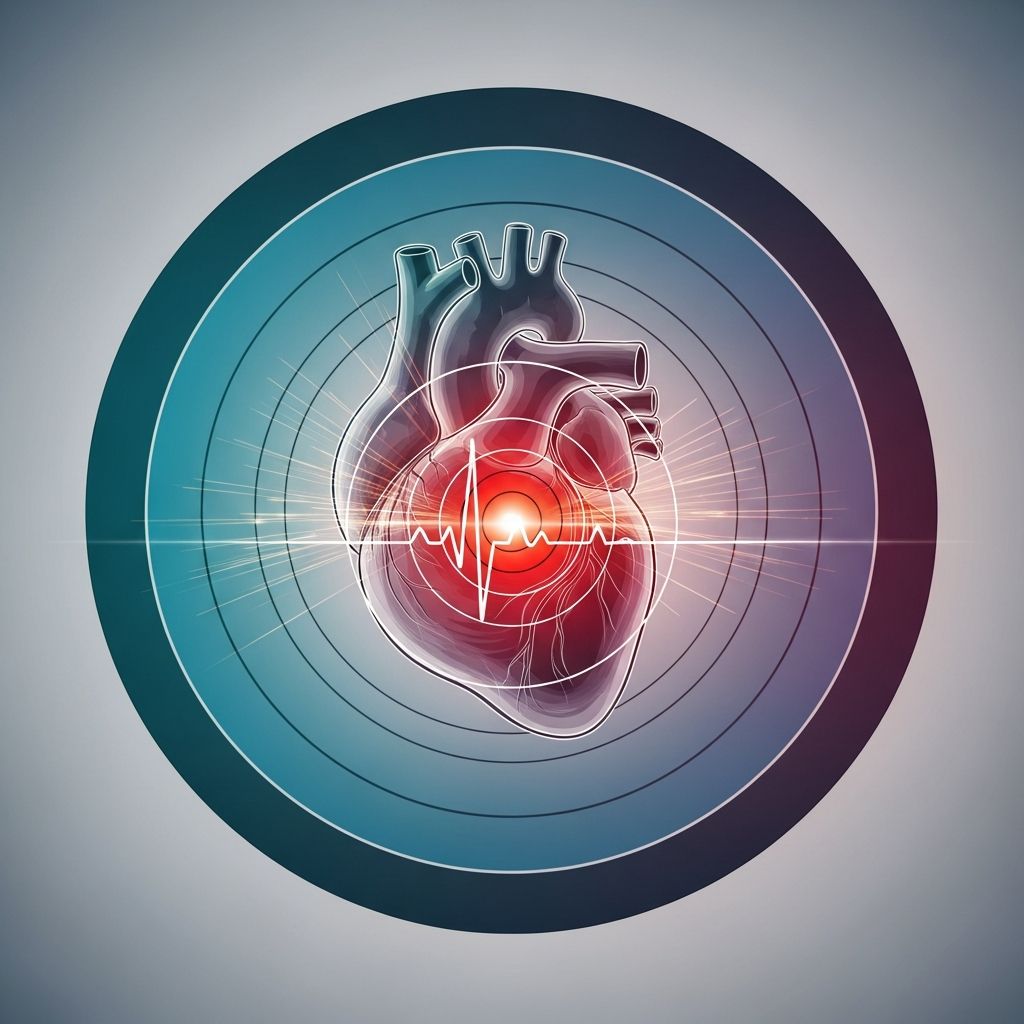
When you exercise, your heart works harder to pump blood throughout your body and deliver oxygen to your muscles. Monitoring your heart rate during physical activity is a practical way to assess whether you’re exercising at the right intensity for your fitness goals. Your target heart rate represents the optimal range at which your heart should beat during exercise to achieve cardiovascular benefits while maintaining safety. By understanding and working within your target heart rate zone, you can maximize the effectiveness of your workouts and ensure you’re not overexerting yourself.
What Is Target Heart Rate?
Your target heart rate is the range of heartbeats per minute that you should aim for during exercise to gain the most cardiovascular benefit. This range is typically expressed as a percentage of your maximum heart rate. The generally recommended target heart rate zone for most adults is between 50 to 85 percent of your maximum heart rate. Working within this zone ensures you’re exercising at a moderate to vigorous intensity, which provides the greatest health benefits while reducing the risk of injury or cardiac strain.
The specific zone you should target depends on your fitness level, age, health status, and exercise goals. Beginners may start at the lower end of the range, while more experienced athletes can work toward the upper end. Understanding your personal target heart rate zone helps you exercise smarter, not just harder.
Finding Your Maximum Heart Rate
Before you can determine your target heart rate zone, you need to know your maximum heart rate—the highest number of beats your heart can safely beat in one minute during maximum physical exertion. The most common formula for estimating maximum heart rate is straightforward: 220 minus your age equals your estimated maximum heart rate. For example, if you’re 40 years old, your estimated maximum heart rate would be 180 beats per minute (220 – 40 = 180).
However, it’s important to note that this formula provides an estimate. Individual maximum heart rates can vary based on genetics, fitness level, and overall health. Some people may have a maximum heart rate slightly higher or lower than the formula predicts. For those who have heart conditions, take certain medications, or want a more precise measurement, a graded exercise test conducted by a healthcare professional provides the most accurate assessment of your maximum heart rate.
Calculating Your Target Heart Rate Zone
Once you know your maximum heart rate, calculating your target zone is simple. Multiply your maximum heart rate by the percentage intensity level you want to achieve. Your target zone will vary depending on the intensity of exercise you’re performing.
Moderate-Intensity Exercise
Moderate-intensity activities are suitable for maintaining cardiovascular fitness and are often recommended for general health. During moderate-intensity exercise, you should aim for 50 to 70 percent of your maximum heart rate. At this intensity level, you can still hold a conversation but speaking in full sentences becomes difficult.
For example, if your maximum heart rate is 180 bpm:
– 50 percent of 180 = 90 beats per minute (lower end of moderate zone)
– 70 percent of 180 = 126 beats per minute (upper end of moderate zone)
Your moderate-intensity target zone would be 90 to 126 bpm.
Vigorous-Intensity Exercise
Vigorous-intensity activities provide greater cardiovascular benefits and are often recommended for those looking to improve their fitness level or achieve weight loss goals. During vigorous physical activity, your target heart rate should be approximately 70 to 85 percent of your maximum heart rate. At this intensity, you’re working hard and cannot speak more than a few words without pausing for breath.
Related Stories



Using the same 180 bpm maximum heart rate example:
– 70 percent of 180 = 126 beats per minute (lower end of vigorous zone)
– 85 percent of 180 = 153 beats per minute (upper end of vigorous zone)
Your vigorous-intensity target zone would be 126 to 153 bpm.
Target Heart Rate Zones by Age
To make this easier, here are estimated maximum heart rates and target zones for different age groups. Remember, these are general guidelines based on the age-predicted formula and should be adjusted if you have a medically measured maximum heart rate.
| Age | Estimated Maximum Heart Rate (bpm) | Target Heart Rate Zone 50-85% (bpm) | Moderate Intensity 50-70% (bpm) | Vigorous Intensity 70-85% (bpm) |
|---|---|---|---|---|
| 20 years | 200 | 100-170 | 100-140 | 140-170 |
| 30 years | 190 | 95-162 | 95-133 | 133-162 |
| 40 years | 180 | 90-153 | 90-126 | 126-153 |
| 50 years | 170 | 85-145 | 85-119 | 119-145 |
| 60 years | 160 | 80-136 | 80-112 | 112-136 |
| 70 years | 150 | 75-128 | 75-105 | 105-128 |
How to Measure Your Heart Rate
To monitor your heart rate during exercise, you need to know how to measure it accurately. There are several methods available:
Manual Pulse Check
To take your pulse manually:
– Place two fingers (your index and middle finger) on the inside of your wrist, on the thumb side, where you can feel the radial artery
– Apply gentle pressure until you feel your pulse
– Count the number of beats for 30 seconds, then multiply by 2 to get your beats per minute
– This gives you an accurate reading of your current heart rate
Heart Rate Monitors and Devices
Modern technology offers convenient alternatives to manual pulse checks. Chest-strap heart rate monitors, smartwatches, fitness trackers, and smartphone apps can provide real-time heart rate measurements during exercise. Many people find these devices helpful because they allow continuous monitoring without having to stop and count manually.
Starting Your Exercise Program
If you’re new to structured exercise or returning after a long break, it’s wise to start conservatively and gradually build up your intensity. When beginning an exercise program, aim for the lower range of your target zone (50 percent of your maximum heart rate) and gradually build up over time. This approach allows your cardiovascular system to adapt safely while building aerobic capacity.
As your fitness improves and your heart becomes more efficient, you’ll be able to exercise comfortably at higher intensities, eventually working up to 85 percent of your maximum heart rate. Listen to your body and progress at a pace that feels manageable while still challenging you.
What If Your Heart Rate Is Too High or Too Low?
If your heart rate exceeds your target zone (above 85 percent), you may be overexerting yourself. Slow down your pace to bring your heart rate back into the target range. Overexertion can lead to fatigue, increased injury risk, and diminishing returns on your workout. There’s no benefit to pushing beyond your safe zone.
Conversely, if your heart rate remains below your target zone (below 50 percent) and the exercise still feels light to moderate, you may want to increase your intensity. Push yourself a bit harder to move into the appropriate zone, especially if your goal is cardiovascular improvement or weight loss. You need sufficient intensity to stimulate adaptations in your cardiovascular system.
Special Considerations
Certain medications and health conditions can affect your heart rate response to exercise. If you take medications that influence heart rate or have been diagnosed with a heart condition, consult with your healthcare provider about the appropriate target heart rate zone for you. Beta-blockers, for example, can lower your maximum heart rate, meaning your target zone would be different from the standard calculation.
Similarly, individuals who are overweight or obese may benefit from alternative maximum heart rate prediction equations. Research has shown that the Tanaka equation (208 – 0.7 × age) may provide more accurate estimates for this population than the standard 220-age formula.
Benefits of Exercising in Your Target Heart Rate Zone
Working within your calculated target heart rate zone offers numerous health benefits:
– Improved cardiovascular fitness: Regular exercise in this zone strengthens your heart muscle and improves its efficiency
– Better weight management: The moderate to vigorous intensity promotes calorie burn and metabolic improvements
– Enhanced endurance: Consistent training at appropriate intensities builds aerobic capacity
– Reduced health risks: Regular cardiovascular exercise decreases the risk of heart disease, stroke, and other chronic conditions
– Increased energy levels: Improved cardiovascular fitness often leads to feeling more energetic throughout the day
– Better stress management: Exercise is an effective stress reducer and mood enhancer
Understanding Resting Heart Rate
While target heart rate during exercise is important, your resting heart rate—the number of beats per minute when you’re at complete rest—also indicates cardiovascular health. A lower resting heart rate generally indicates better cardiovascular fitness. Studies have shown that a lower resting heart rate is associated with better overall health, while a higher resting heart rate may indicate lower fitness levels or other health concerns.
As you improve your fitness through regular exercise at your target heart rate, you may notice your resting heart rate gradually decreasing. This is a positive sign that your heart is becoming more efficient and requires fewer beats to circulate blood throughout your body at rest.
Frequently Asked Questions
Q: Is the 220-age formula accurate for everyone?
A: The 220-age formula is a general estimate and works well for most people, but individual maximum heart rates can vary. For more accuracy, especially if you have health concerns, ask your healthcare provider about having your maximum heart rate measured during a graded exercise test.
Q: Can I exercise below my target heart rate zone?
A: Yes, light-intensity exercise below 50 percent of maximum heart rate is beneficial and appropriate for warm-ups, cool-downs, recovery days, and those just beginning an exercise program. However, for cardiovascular training benefits, aim for the 50-85 percent zone.
Q: How often should I check my heart rate during exercise?
A: You can check periodically during your workout—perhaps every 10 minutes—to ensure you’re staying in your target zone. Heart rate monitors make this continuous and easy.
Q: Does my target heart rate change as I get fitter?
A: Your maximum heart rate (and therefore your target zone) stays relatively constant, but your ability to work at higher intensities within that zone improves as your fitness increases.
Q: What if I have an irregular heartbeat?
A: If you have an irregular heartbeat or heart condition, consult your healthcare provider before starting an exercise program. They can give you specific guidance on appropriate exercise intensity.
References
- How to Find Your Target Heart Rate — Texas A&M Health. 2025. https://howdyhealth.tamu.edu/how-to-find-your-target-heart-rate/
- Target Heart Rates Chart — American Heart Association. 2025. https://www.heart.org/en/healthy-living/fitness/fitness-basics/target-heart-rates
- Maximal Heart Rate Prediction in Adults that are Overweight or Obese — National Center for Biotechnology Information (NCBI). 2011. https://pmc.ncbi.nlm.nih.gov/articles/PMC3081386/
- Physical Activity and Exercise — Johns Hopkins Medicine. 2025. https://www.hopkinsguides.com/hopkins/view/Johns_Hopkins_Diabetes_Guide/547121/all/Physical_Activity_and_Exercise
Similar Articles








Read full bio of Sneha Tete