Unexpected Factors Behind Eczema Flare-Ups
Discover hidden triggers that worsen eczema and learn prevention strategies.
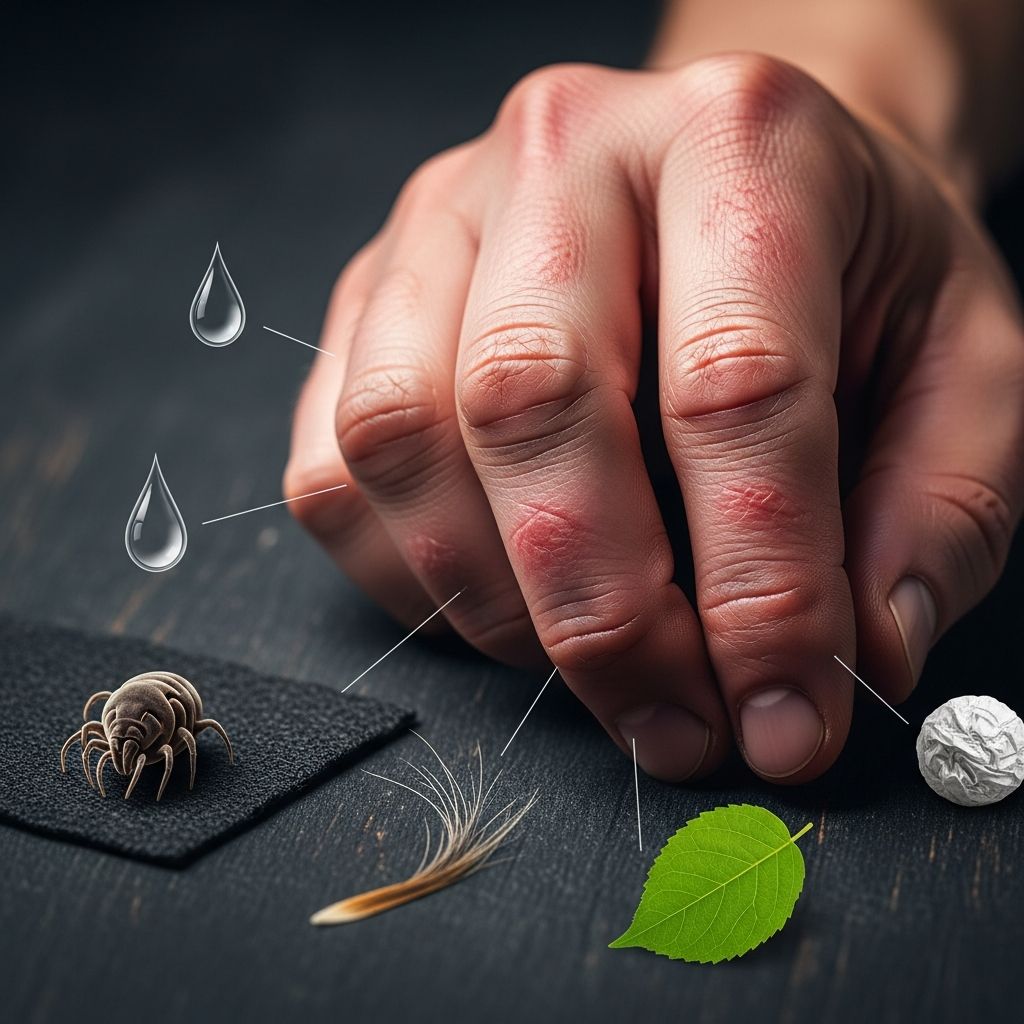
Eczema, medically known as atopic dermatitis, affects millions of people worldwide and manifests as itchy, inflamed, and often painful skin rashes. While many individuals are aware of common triggers like allergens and irritants, numerous lesser-known factors can significantly worsen eczema symptoms. Understanding these surprising culprits is essential for effective disease management and improving quality of life. This comprehensive guide explores the hidden triggers that many eczema sufferers overlook, providing actionable insights for prevention and control.
The Foundation: How Eczema Develops
Before examining unexpected triggers, it is important to understand the underlying mechanism of eczema. The condition originates from a compromised skin barrier, the protective outer layer responsible for retaining moisture and preventing harmful substances from penetrating the skin. When this barrier becomes dysfunctional—often due to genetic predisposition—the skin loses its ability to maintain adequate hydration. This moisture loss creates an environment where irritants and bacteria can more easily infiltrate, triggering inflammatory responses.
The immune system’s overreaction to various stimuli then initiates the characteristic inflammation associated with eczema. Once triggered, this cascade of immune activity produces the intense itching, redness, and skin breakdown that defines the condition. By recognizing triggers that activate this immune response, individuals can implement targeted prevention strategies.
Climate and Environmental Conditions as Silent Saboteurs
Many people assume eczema flares relate primarily to direct contact with irritants, but environmental factors play an equally significant role. Temperature fluctuations, humidity levels, and seasonal changes can substantially impact eczema severity.
Temperature Extremes
Both excessive heat and cold pose distinct challenges for eczema-prone skin. Hot environments trigger eczema through multiple pathways: elevated temperatures reduce skin moisture content, increase perspiration, and activate inflammatory pathways in the body. When individuals perspire heavily, sweat accumulates in skin folds—particularly the armpits and inner elbows—creating localized irritation and bacterial growth environments.
Conversely, cold and dry air strips moisture from the skin more rapidly than warm conditions, leaving the already-compromised skin barrier even more vulnerable. Winter months typically prove especially challenging for eczema sufferers due to the combination of cold outdoor temperatures and dry indoor heating systems.
Humidity Paradoxes
While intuition suggests that increased humidity would benefit dry, eczema-prone skin, the relationship proves more complex. Low humidity environments accelerate moisture loss from the skin surface, worsening dryness and barrier dysfunction. However, high humidity environments can also trigger flares through excessive sweating and the creation of warm, moist conditions that promote bacterial colonization.
The Stress-Skin Connection
Psychological stress represents one of the most underestimated eczema triggers. When the body experiences stress or anxiety, cortisol levels—a hormone regulating inflammation—increase significantly. This physiological response directly activates inflammatory pathways that aggravate eczema symptoms, creating a vicious cycle where stress worsens skin condition, which then causes additional psychological distress.
Related Stories



The stress-eczema relationship extends beyond simple hormone elevation. Chronic stress impairs immune function, reduces skin barrier repair capacity, and increases susceptibility to secondary infections. Individuals experiencing high stress levels frequently report more severe and frequent eczema flares, suggesting that stress management should form a core component of eczema treatment strategies.
Overlooked Household and Personal Care Products
The products used daily for hygiene and household maintenance often contain chemicals that trigger eczema flares, yet many individuals remain unaware of their skin’s sensitivity to these substances.
Common Culprits in Daily Life
Household products frequently implicated in eczema triggers include:
- Hand and dish soaps with antibacterial agents and fragrances
- Laundry detergents containing dyes and perfumes
- Shampoos and body washes with harsh surfactants
- Household cleaning products containing bleach and formaldehyde
- Air fresheners and scented sprays
- Makeup and cosmetic products with chemical preservatives
- Baby wipes with synthetic fragrances and alcohol
- Skin lotions with fragrance compounds despite moisturizing claims
These products damage the skin barrier through multiple mechanisms: harsh detergents strip natural oils, fragrances trigger allergic responses, and chemical additives cause direct irritation. Even products labeled as “hypoallergenic” or “gentle” may contain ingredients that provoke reactions in eczema-sensitive individuals.
The Fragrance Problem
Fragrances deserve particular attention as a major trigger category. Present in everything from perfumes to scented candles, laundry products, and even supposedly neutral personal care items, fragrances penetrate the skin and activate inflammatory responses. Many fragrance compounds are not disclosed on product labels due to proprietary formulations, making it difficult for consumers to identify specific problematic substances.
Fabric Selection and Its Impact on Skin Health
The clothing and bedding materials touching eczema-prone skin significantly influence flare frequency and severity. Certain fabrics create physical irritation while potentially trapping heat and moisture, establishing conditions favorable for inflammation.
Rough wool fibers, despite their natural origin, mechanically irritate sensitive skin and trigger eczema responses. Synthetic materials like polyester can trap heat and sweat against the skin surface, creating moisture-rich environments that promote bacterial growth and irritation. Even cotton blends containing synthetic fibers may cause problems for highly sensitive individuals.
Conversely, soft, breathable fabrics like pure cotton and bamboo-derived materials allow moisture to evaporate and prevent heat accumulation. Switching to gentler fabric choices and laundering clothing in fragrance-free, dye-free detergents can substantially reduce eczema triggers related to textile contact.
Allergen Exposure: Beyond Obvious Sources
While common allergens like pollen and pet dander are recognized triggers, numerous unexpected allergen sources contribute to eczema flares. Dust mites thrive in bedding, upholstered furniture, and carpeting, releasing fecal particles that trigger allergic responses. Mold growth in damp areas—including bathrooms, basements, and around windows—produces spores that irritate eczema-prone skin.
Additionally, certain foods create systemic allergic responses that manifest as skin inflammation. Food allergens including milk, eggs, nuts, and wheat commonly trigger eczema, particularly in infants and young children. The mechanism involves breakdown of the intestinal barrier allowing allergen absorption, subsequently triggering skin immune responses.
Lifestyle Factors and Daily Habits
Beyond environmental and product-related triggers, specific daily habits and lifestyle choices significantly impact eczema severity.
Hygiene Practices and Water Temperature
Counter-intuitively, excessive hygiene through frequent bathing with hot water worsens eczema despite intentions to maintain cleanliness. Hot water strips natural oils from the skin surface and damages the barrier. Even short, warm showers prove preferable to extended hot baths. Additionally, tap water itself—containing chlorine and mineral compounds—can irritate sensitive skin, making filtered water showering beneficial for eczema management.
Hydration and Internal Factors
Insufficient water intake contributes to systemic dehydration that manifests as worsened skin dryness. Maintaining adequate hydration supports the skin’s natural moisturizing mechanisms from within. Conversely, certain dietary components—including sugar, gluten, and refined carbohydrates—trigger inflammatory responses in susceptible individuals, exacerbating eczema symptoms.
Hormonal Influences
Individuals who menstruate frequently experience eczema flares timed to their menstrual cycle, particularly in the days preceding menstruation. Hormonal fluctuations alter immune function and barrier integrity, creating windows of heightened vulnerability to triggers. Tracking flare patterns relative to hormonal cycles can help individuals anticipate and prevent flares through intensified preventive measures.
Secondary Infections and Skin Complications
Eczema’s compromised skin barrier creates vulnerability to bacterial colonization, particularly with Staphylococcus aureus. Secondary skin infections worsen inflammation dramatically and can require medical intervention. Vigilant prevention of scratching, maintenance of skin cleanliness, and prompt treatment of any signs of infection are essential for preventing this complication.
Prevention Strategies for Comprehensive Eczema Management
Understanding triggers provides the foundation for effective prevention. Implementing comprehensive strategies addresses multiple trigger categories simultaneously:
- Maintain consistent moisturizing routines using fragrance-free, clinically-tested products
- Control home humidity levels between 30-50% using humidifiers or dehumidifiers as needed
- Select soft, breathable fabrics and wash clothing in fragrance-free detergents
- Practice stress-reduction techniques including meditation, exercise, and adequate sleep
- Use tepid water for bathing and limit exposure duration
- Identify and eliminate specific personal and household products triggering reactions
- Reduce exposure to known environmental allergens through air filtration and regular cleaning
- Maintain dietary awareness and eliminate foods triggering flares
- Wear appropriate clothing for environmental conditions to prevent excessive sweating
Frequently Asked Questions
Can stress alone cause eczema?
While stress alone does not cause eczema in individuals without genetic predisposition, it significantly worsens existing eczema through cortisol-mediated inflammation. Managing stress is therefore critical for individuals with established atopic dermatitis.
Is all soap problematic for eczema?
Conventional soaps with harsh detergents and fragrances trigger eczema flares. However, gentle, fragrance-free cleansers specifically formulated for sensitive skin are generally well-tolerated and preferable to traditional soaps.
Why does humidity sometimes help and sometimes worsen eczema?
Moderate humidity (30-50%) benefits eczema-prone skin by reducing moisture loss. However, excessive humidity promotes sweating and bacterial growth, while very low humidity accelerates water loss from the skin. The key is maintaining optimal humidity balance.
How quickly do triggers typically cause flares?
The timing between trigger exposure and eczema flare varies substantially. Some triggers produce immediate reactions within minutes, while others cause delayed flares occurring hours or even days after exposure. Individual variation is significant, making personal trigger tracking essential.
Can dietary changes improve eczema?
For individuals with food allergen sensitivities, eliminating problematic foods significantly improves eczema. However, dietary changes are not universally effective, and professional guidance helps identify specific dietary triggers relevant to individual cases.
References
- Atopic Dermatitis (Eczema) – Symptoms and Causes — Mayo Clinic. 2024. https://www.mayoclinic.org/diseases-conditions/atopic-dermatitis-eczema/symptoms-causes/syc-20353273
- 5 Common Eczema Triggers — Allure Dermatology. 2024. https://www.alluredermny.com/blog/5-common-eczema-triggers
- What’s Causing My Eczema? 6 Common Triggers — Allergy and Asthma Network. 2024. https://allergyasthmanetwork.org/news/whats-causing-eczema-common-triggers/
- 5 Common Eczema Triggers — Dermatology Associates of Central NJ. 2024. https://www.dermatologyassociatesnj.com/blog/5-common-eczema-triggers
- What’s Causing My Eczema? 10 Common Triggers — Dr. Fuller Allergy. 2024. https://www.drfullerallergy.com/blog/whats-causing-my-eczema-10-common-triggers
- Eczema to Flare-Ups: Common Triggers & Prevention Tips — Schweiger Dermatology Group. 2024. https://www.schweigerderm.com/skin-care-articles/eczema/eczema-break-out-causes-and-treatment/
- 5 Common Eczema Triggers — Maricar Cutillar-Garcia, MD. 2024. https://www.mcgarciaallergy.com/post/5-common-eczema-triggers
Similar Articles








Read full bio of Sneha Tete