Unicornuate Uterus: Causes, Symptoms & Treatment
Understanding unicornuate uterus: A comprehensive guide to diagnosis, pregnancy risks, and treatment options.
Understanding Unicornuate Uterus
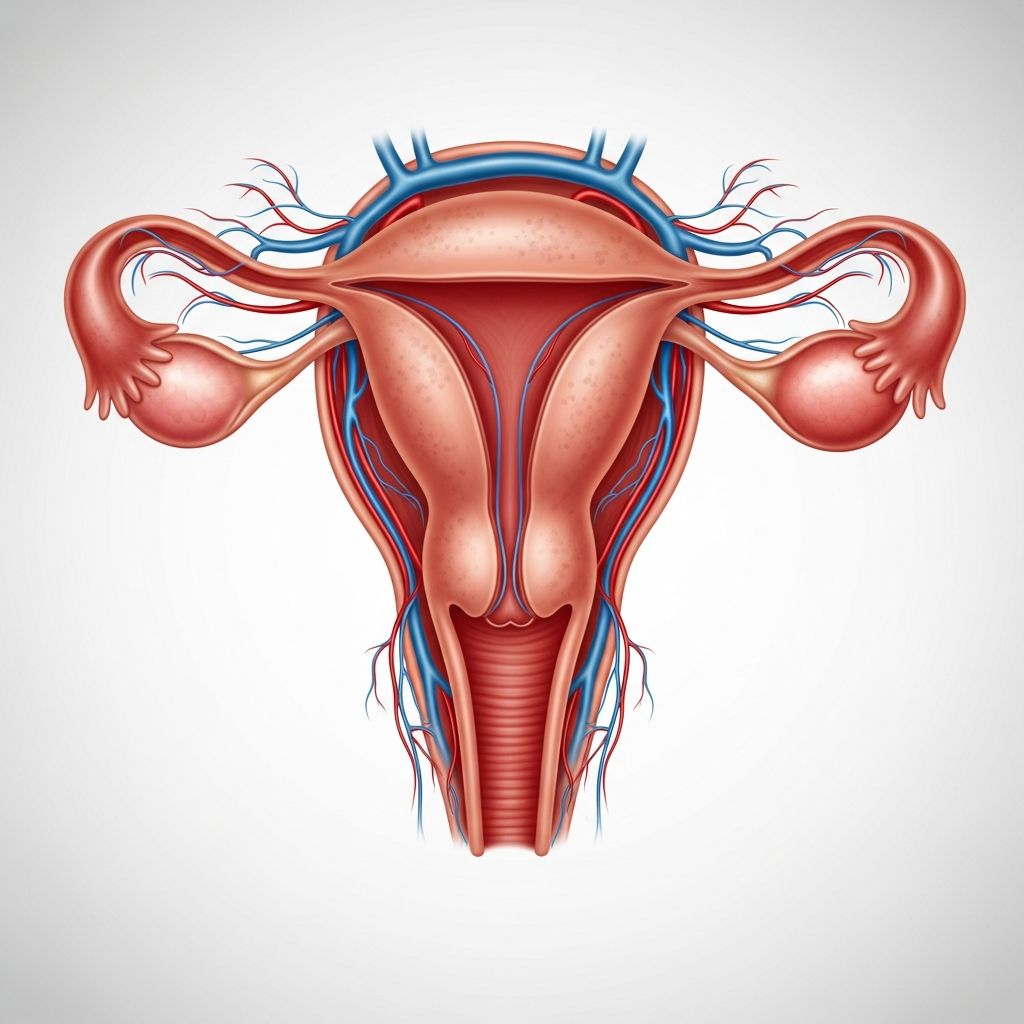
A unicornuate uterus is a congenital irregularity where you only have one fallopian tube and an abnormally shaped uterine cavity. This rare condition develops during fetal development when the two Müllerian ducts fail to fuse together properly. Instead of forming a typical two-horned uterus, one duct develops into a smaller unicornuate uterus while the other duct is reabsorbed by the body. Approximately 0.4% of the population has a unicornuate uterus, making it one of the rarest uterine abnormalities among all congenital variations.
If you have a unicornuate uterus, you have one working fallopian tube instead of two and a smaller uterine cavity. Other names for this condition include a single-horned uterus or a uterus with one horn. While it’s a condition you’re born with, many people don’t discover they have it until they experience difficulties conceiving or encounter repeated pregnancy complications.
What Causes Unicornuate Uterus?
Unicornuate uterus is a congenital abnormality that develops while you are still in the womb. The condition occurs as a result of a lateral fusion defect during embryonic development. Specifically, the two Müllerian ducts—the structures that normally develop into the uterus, fallopian tubes, and upper vagina—fail to fuse together correctly during early pregnancy development.
In typical uterine development, the two Müllerian ducts come together to create a single uterus with two fallopian tubes. However, in cases of unicornuate uterus, one duct develops into the smaller, functioning uterus while the other duct either fails to develop completely or develops only as a rudimentary horn. Healthcare providers don’t fully understand why the ducts do not join correctly for some people, though it’s recognized as a normal variation in fetal development that occurs without any known preventable causes.
Types of Rudimentary Horns
Associated with unicornuate uterus, there are different types of rudimentary horns that can develop:
- Noncommunicating rudimentary horn with an endometrial cavity: This type is not connected to the main uterus and contains endometrial tissue. It’s the most problematic variation because menstrual blood becomes trapped, potentially causing severe pelvic pain and requiring surgical removal.
- Communicating rudimentary horn: This type is connected to the main uterus, allowing for menstrual blood drainage and typically causing fewer complications.
- Rudimentary horn with fibrous tissue only: This variation lacks endometrial tissue and usually doesn’t cause significant symptoms.
- Completely absent rudimentary horn: In some cases, no rudimentary horn develops at all, and the Müllerian duct is completely absent.
Symptoms and Clinical Presentation
Many individuals with a unicornuate uterus don’t experience any noticeable symptoms and may not discover their condition until later in life. However, when symptoms do occur, they vary depending on whether a rudimentary horn is present and whether it’s communicating or noncommunicating.
General symptoms may include difficulty conceiving, recurrent miscarriages, or painful periods. Signs of an obstructed rudimentary horn are more pronounced and include:
- Severe pelvic pain, particularly during menstruation
- Chronic pelvic pain that doesn’t respond to conventional treatments
- Painful periods that worsen over time
- A palpable mass in the pelvic region
- Pain during sexual intercourse
Related Stories



Many people find out they have a unicornuate uterus after experiencing difficulty conceiving or repeat miscarriages. It’s not usually detected during routine gynecological exams because the condition doesn’t typically present obvious clinical signs until complications arise.
How is Unicornuate Uterus Diagnosed?
Diagnosis starts with a physical exam and a discussion of your medical history, which typically includes a pelvic exam. Since a unicornuate uterus is usually found only when you experience problems like recurrent miscarriages or painful periods, your healthcare provider needs to maintain a high index of suspicion based on clinical presentation.
Imaging Tools for Diagnosis
Imaging tools are essential for diagnosing unicornuate uterus. These tools help identify any obstructions and determine the size and shape of your uterus and rudimentary horn. Only imaging tools can show uterine tissues and how blood is flowing through your uterus.
The following tests can help detect a unicornuate uterus:
- Transvaginal ultrasound: Often the initial diagnostic tool, two-dimensional ultrasound can provide preliminary information about uterine structure.
- Three-dimensional ultrasound: This advanced imaging technique can more accurately delineate congenital uterine anomalies and provides better visualization of the uterine anatomy.
- Magnetic Resonance Imaging (MRI): MRI with contrast is considered the gold standard for definitive diagnosis of unicornuate uterus. It can accurately show the relationship between the unicornuate uterus and any rudimentary horn, making it invaluable in surgical planning and identifying whether a horn is communicating or noncommunicating.
- Hysterosalpingogram (HSG): This imaging procedure involves injecting contrast material through the cervix to visualize the uterine cavity and fallopian tubes.
Impact on Fertility and Pregnancy
Yes, having a unicornuate uterus can significantly affect pregnancy. While you can still have a baby if you have a unicornuate uterus, you are at higher risk for miscarriage and preterm birth. For this reason, your healthcare provider will monitor you more closely throughout your pregnancy journey.
Miscarriage and Pregnancy Loss
People with a unicornuate uterus experience more miscarriages than the general population. The rate of miscarriage in people with a unicornuate uterus is approximately 35%. However, it’s important to note that many people with a unicornuate uterus will have healthy pregnancies despite this increased risk. Successful pregnancies are still possible with proper medical care and monitoring.
Obstetric Complications
People who become pregnant and have a unicornuate uterus are at high risk for several complications:
- Miscarriage and recurrent miscarriage
- Preterm rupture of membranes and preterm birth
- Abnormal placentation and placental insufficiency
- Intrauterine growth restriction (IUGR)
- Cervical insufficiency
- Fetal malpresentation, particularly breech positioning
- Hypertension disorders during pregnancy
- Need for cesarean delivery
- Increased bleeding during delivery
Rudimentary Horn Pregnancy
If a person becomes pregnant in their rudimentary horn, it can be potentially life-threatening. In a noncommunicating horn with an endometrial cavity, there’s a high risk of uterine rupture due to lack of space for fetal growth. This represents a true obstetric emergency requiring prompt intervention.
Cesarean Delivery and Positioning
If you have a unicornuate uterus, you are more likely to have a cesarean section. This is because your baby is likely to be in a breech position due to limited space within your uterus. If your baby is breech, it means they are positioned feet or bottom first in your uterus instead of head first, which necessitates surgical delivery for safety.
Treatment and Management Options
The treatment for a unicornuate uterus depends on several factors, including whether a rudimentary horn is present, whether the horn is connected to your uterus, and whether there’s endometrium inside the horn. Treatment decisions must be individualized based on your specific anatomy and symptoms.
Surgical vs. Conservative Management
Surgery on a unicornuate uterus itself isn’t recommended because its shape and appearance can’t be changed. Most healthcare providers don’t recommend surgical intervention unless you’re having severe pain or a mass develops within a noncommunicating rudimentary horn with an endometrial cavity. There’s a high risk of health complications in this type of rudimentary horn, especially if you become pregnant.
However, a functioning noncommunicating horn causing pelvic pain will be removed through surgical excision. When excision of a rudimentary horn is required, a laparoscopic approach is preferable to minimize surgical trauma and recovery time. During surgery, careful attention must be paid to identifying the relationship between the rudimentary horn and the unicornuate uterus to avoid injury to surrounding structures.
Pregnancy Monitoring
If you have any type of unicornuate uterus, your healthcare provider will monitor you and your baby closely during pregnancy. You’ll likely have more frequent appointments and more ultrasounds than patients with typical uteri. Medications may be used to reduce your chances of preterm delivery, such as progesterone supplementation or other interventions based on your specific risk factors.
Frequently Asked Questions
Q: How common is unicornuate uterus?
A: Unicornuate uterus is rare, occurring in approximately 1 in 1,000 to 1 in 5,400 women. It represents about 0.4% of the population and comprises about 10% of all congenital uterine anomalies.
Q: Can I still get pregnant with a unicornuate uterus?
A: Yes, you can still become pregnant with a unicornuate uterus. However, you have a higher risk of complications including miscarriage (about 35% rate), preterm birth, and delivery complications. Many women with this condition do have successful pregnancies with close medical monitoring.
Q: When should I have a rudimentary horn removed?
A: Surgical removal of a rudimentary horn is recommended if you’re experiencing severe pelvic pain or if the horn is noncommunicating with an endometrial cavity (meaning it has menstrual tissue but isn’t connected to the main uterus). Communicating horns or those without endometrial tissue typically don’t require surgery unless complications develop.
Q: How is unicornuate uterus diagnosed?
A: Diagnosis involves imaging studies, with MRI being the gold standard for definitive diagnosis. Three-dimensional ultrasound and hysterosalpingogram can also help identify the condition. Your doctor will likely start with a pelvic ultrasound and order MRI if unicornuate uterus is suspected.
Q: Will I need special care during pregnancy?
A: Yes. If you have a unicornuate uterus and become pregnant, your healthcare provider will monitor you more closely with more frequent appointments and ultrasounds. You may receive medications to reduce preterm delivery risk and will need specialized obstetric care to manage potential complications.
Q: Can unicornuate uterus cause kidney problems?
A: Some individuals with unicornuate uterus may have associated kidney anomalies, as the Müllerian ducts develop near the urinary system. Your healthcare provider may recommend kidney imaging if you have this diagnosis.
When to Contact Your Healthcare Provider
Contact your healthcare provider if you experience severe or chronic pelvic pain, have difficulty conceiving after trying for a year, experience recurrent miscarriages, or have concerns about your reproductive health. If you’ve been diagnosed with a unicornuate uterus and are planning to become pregnant, schedule a consultation with your healthcare provider to discuss monitoring and management strategies.
References
- Uncommon Surgical Emergencies in the Adult Gynecologic Patient — National Center for Biotechnology Information (NCBI). 2022. https://pmc.ncbi.nlm.nih.gov/articles/PMC9683970/
- Unicornuate Uterus: Causes, Symptoms, Diagnosis & Treatment — Cleveland Clinic. 2024. https://my.clevelandclinic.org/health/diseases/23302-unicornuate-uterus
- How Uterine Anomalies Can Affect Fertility — Trio Fertility. 2024. https://triofertility.com/uterine-anomalies-affect-on-fertility/
- New Centralized Care for Patients with Mullerian Anomalies — Cleveland Clinic. 2024. https://consultqd.clevelandclinic.org/new-centralized-care-for-patients-with-mullerian-anomalies
- Anatomical variation in the rudimentary horns of a unicornuate uterus — Oxford University Press, Human Reproduction. 1997. https://academic.oup.com/humrep/article/12/2/263
- Uterus: Anatomy, Function, Size, Position & Conditions — Cleveland Clinic. 2024. https://my.clevelandclinic.org/health/body/22467-uterus
Similar Articles








Read full bio of medha deb