Unilateral Laterothoracic Exanthem Key Facts For Parents
Benign self-limited rash in children starting unilaterally in axilla, resolving spontaneously within weeks.
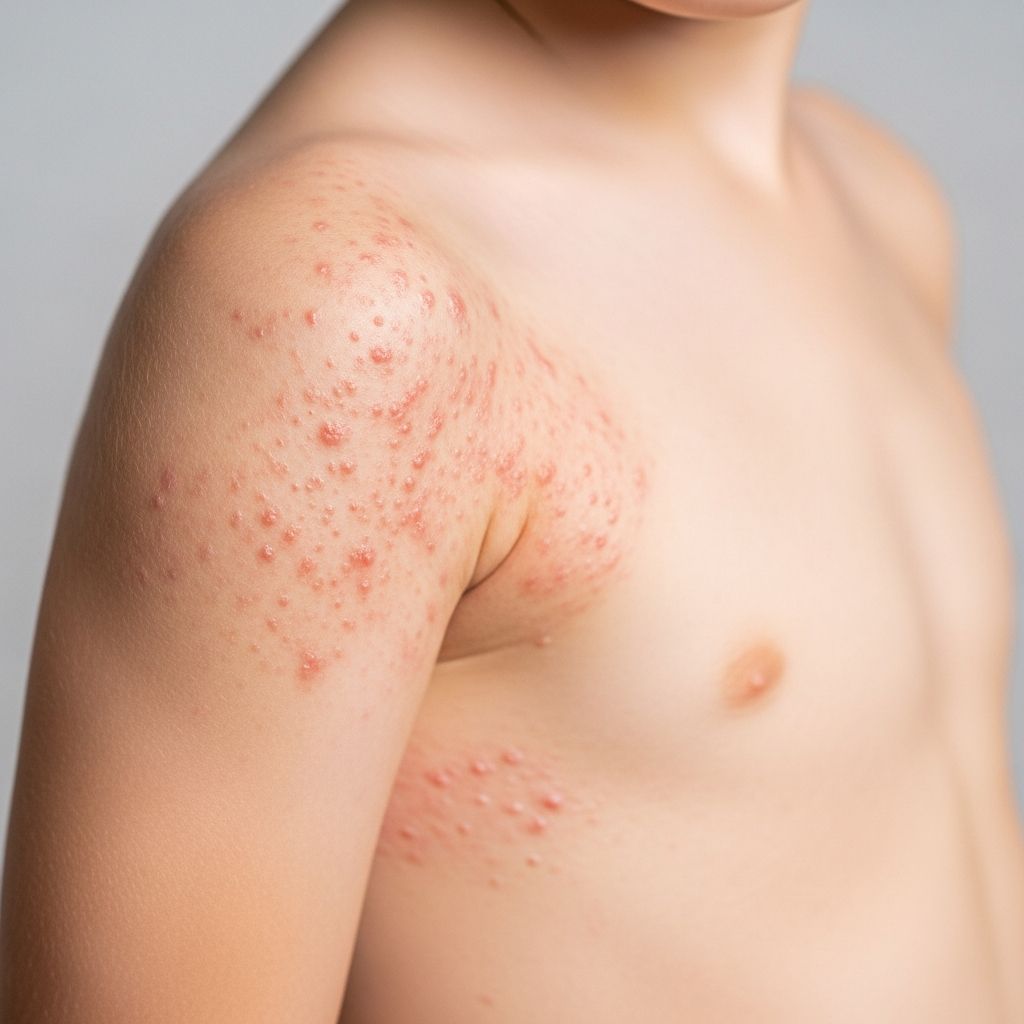
Unilateral laterothoracic exanthem (ULE), also known as asymmetric periflexural exanthem of childhood (APEC), is a benign, self-limited cutaneous eruption that predominantly affects children aged 1 to 5 years. It typically presents as a unilateral rash starting in the axillary region and spreading centrifugally along the lateral thorax, often following a mild viral prodrome. The condition resolves spontaneously within 3-6 weeks without scarring or long-term sequelae, requiring only symptomatic management for pruritus.
What is Unilateral Laterothoracic Exanthem?
Unilateral laterothoracic exanthem is a distinctive dermatological condition characterized by an asymmetric rash that begins on one side of the body, most commonly in the axilla or periflexural areas. First described in the 1960s, it is considered a viral exanthem of unknown precise etiology but is self-limiting and harmless. The rash’s unilateral onset and centrifugal spread distinguish it from symmetric viral exanthems. While rare in adults, pediatric cases peak in winter and spring, with a slight female predominance.
The term “laterothoracic” refers to its typical location on the lateral thorax, while “asymmetric periflexural exanthem” highlights its periflexural (near flexures like axilla or groin) start and maintained asymmetry even if it spreads contralaterally. Clinicians often note the “Statue of Liberty” sign, where the child raises one arm to show the rash localized to that side.
Who Gets Unilateral Laterothoracic Exanthem (Epidemiology)?
ULE primarily affects healthy children between 1 and 5 years old, with an average onset age of 2 years. It shows a female-to-male ratio greater than 1:1 and is more common in winter and spring months. Most reports involve Caucasian children, though cases occur across ethnicities, including Asian populations.
Rare adult cases have been documented, often mirroring pediatric presentations with acute pruritic eruptions following malaise or rhinorrhea. No specific risk factors beyond pediatric age are identified, and recurrence is exceptional. The condition’s exclusivity to children suggests a possible role for immature immune responses to viral triggers.
Clinical Features of Unilateral Laterothoracic Exanthem
The eruption evolves in distinct phases: initial, secondary, and resolving. Patients may report a prodrome of low-grade fever, upper respiratory symptoms (e.g., rhinorrhea), or gastrointestinal upset days to weeks prior, present in up to 40-65% of cases.
Initial Phase
The rash begins unilaterally, most often in the left axilla (though right-sided cases occur), presenting as small erythematous papules, macules, or eczematous lesions surrounded by a pale halo. Pruritus affects over 50% of patients mildly. The “Statue of Liberty” sign is classic: rash confined to one lateral thorax with arm raised.
Centrifugal Spread (First Week)
Within days, the exanthem spreads centrifugally to the ipsilateral hemithorax, medial arm, and occasionally groin, leg, or foot. Lesions become confluent, morbilliform, or annular with inflammatory features. Asymmetry persists.
Secondary Phase (Weeks 2-3)
The rash may extend contralaterally but remains more pronounced on the initial side. Ipsilateral lymphadenopathy occurs in 70% near the affected area. Low-grade fever may persist.
Resolving Phase
Lesions turn dusky, desquamate, and fade within 3-6 weeks. No scarring or pigmentation changes typically follow.
| Phase | Duration | Key Features |
|---|---|---|
| Initial | Days 1-3 | Unilateral axillary papules/macules, mild itch |
| Spread | Week 1 | Centrifugal to thorax/arm, confluent/morbilliform |
| Secondary | Weeks 2-3 | Possible contralateral spread, asymmetry maintained, lymphadenopathy |
| Resolving | Weeks 3-6 | Dusky, desquamation, spontaneous resolution |
Related Stories



Diagnosis of Unilateral Laterothoracic Exanthem
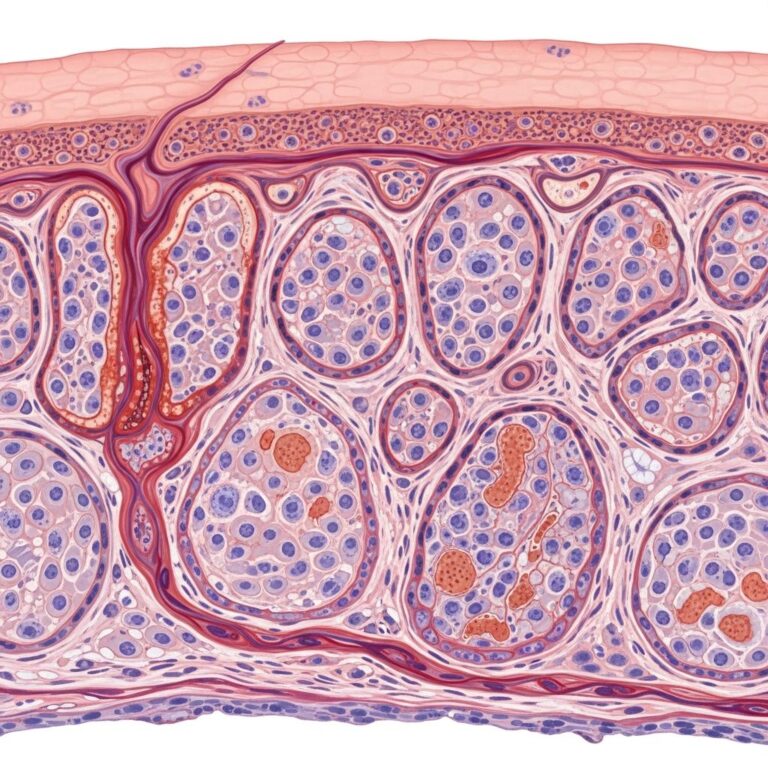
Diagnosis is clinical, based on characteristic unilateral onset, periflexural location, centrifugal spread, and self-limited course in a child post-viral prodrome. No routine labs or biopsies are needed; histology, if done, shows nonspecific perivascular lymphocytic infiltrate and lichenoid changes.
Differential Diagnosis
- Contact dermatitis: More symmetric, history of exposure; lacks centrifugal spread.
- Pityriasis rosea: Herald patch, Christmas-tree pattern; less unilateral.
- Gianotti-Crosti syndrome: Symmetric acral papules post-viral.
- Dermatophyte infection: Annular, scaling; KOH prep confirms.
- Drug eruption or nonspecific viral exanthem: Symmetric distribution.
- Scabies/miliaria: Burrow/pruritus pattern or heat-related.
In adults, consider post-vaccine reactions or other asymmetric exanthems.
Causes and Pathophysiology
The etiology remains unknown, but a viral trigger is suspected, with associations to parvovirus B19, Epstein-Barr virus, or other respiratory viruses. A hypothesis involves postzygotic mutations in keratinocytes on one body side, leading to asymmetric inflammatory response to a systemic viral insult. Seasonal patterns support viral etiology.
No bacterial (e.g., Campylobacter) or autoimmune links are confirmed. Adult cases follow similar prodromes.
Treatment and Management
No specific therapy exists; the condition is self-limited. Symptomatic relief targets pruritus:
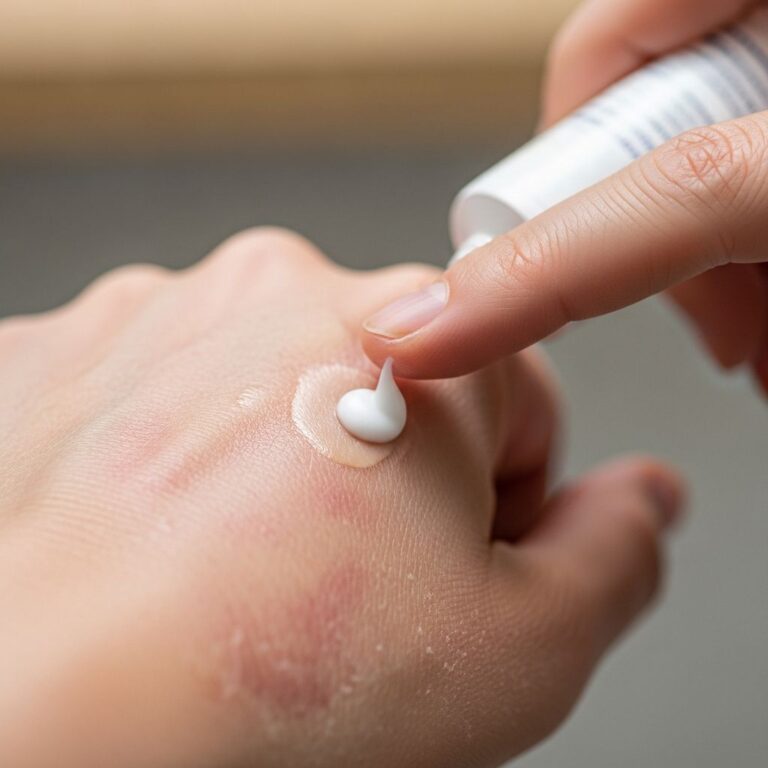
- Emollients: Frequent application to hydrate skin.
- Topical corticosteroids: Low-mid potency (e.g., hydrocortisone 2.5% or triamcinolone 0.1%) cautiously in flexures to avoid atrophy/striae.
- Oral antihistamines: Diphenhydramine or hydroxyzine for itch.
Avoid systemic steroids or antibiotics. Resolution occurs in 4-6 weeks; no long-term follow-up needed unless recurrence (rare).
Prognosis and Complications
Excellent prognosis: full resolution without sequelae. No systemic involvement or scarring. Rare recurrences or adult presentations reported, but outcomes similar.
Prevention
None specific, as etiology is unclear. General viral hygiene (handwashing) may reduce prodromal triggers.
Frequently Asked Questions (FAQs)
Q: Is unilateral laterothoracic exanthem contagious?
A: No, it is not contagious. Likely a host response to a viral trigger, not directly transmissible.
Q: How long does ULE last?
A: Typically 3-6 weeks, resolving spontaneously.
Q: Can adults get ULE?
A: Rare, but documented cases exist with similar features.
Q: When should I see a doctor for a unilateral rash?
A: If fever persists, rash spreads rapidly, or systemic symptoms worsen; otherwise, monitor.
Q: Is biopsy needed for diagnosis?
A: No, clinical diagnosis suffices; biopsy is nonspecific.
References
- Unilateral laterothoracic exanthema in an adult – PMC – NIH — PMC. 2020. https://pmc.ncbi.nlm.nih.gov/articles/PMC7752319/
- Unilateral laterothoracic exanthem (asymmetric periflexural exanthem of childhood) — Dermatology Advisor. 2017. https://www.dermatologyadvisor.com/home/decision-support-in-medicine/dermatology/unilateral-laterothoracic-exanthem-asymmetric-periflexural-exanthem-of-childhood/
- Unilateral laterothoracic exanthem – PMC – NIH — PMC. 2012. https://pmc.ncbi.nlm.nih.gov/articles/PMC3281158/
- Unilateral laterothoracic exanthem of childhood in Child – VisualDx — VisualDx. N/A. https://www.visualdx.com/visualdx/diagnosis/unilateral+laterothoracic+exanthem+of+childhood?diagnosisId=51144&moduleId=102
- Asymmetric periflexural exanthema in an adult: A case report — JSSTD. 2019. https://jsstd.org/asymmetric-periflexural-exanthema-in-an-adult-a-case-report/
- Viral exanthems — Primary Care Dermatology Society. N/A. https://www.pcds.org.uk/clinical-guidance/viral-exanthems
Similar Articles








Read full bio of medha deb