Unlock Eczema Control with Tracking Apps
Discover how digital tools transform eczema management by monitoring symptoms, triggers, and treatments for better daily control.
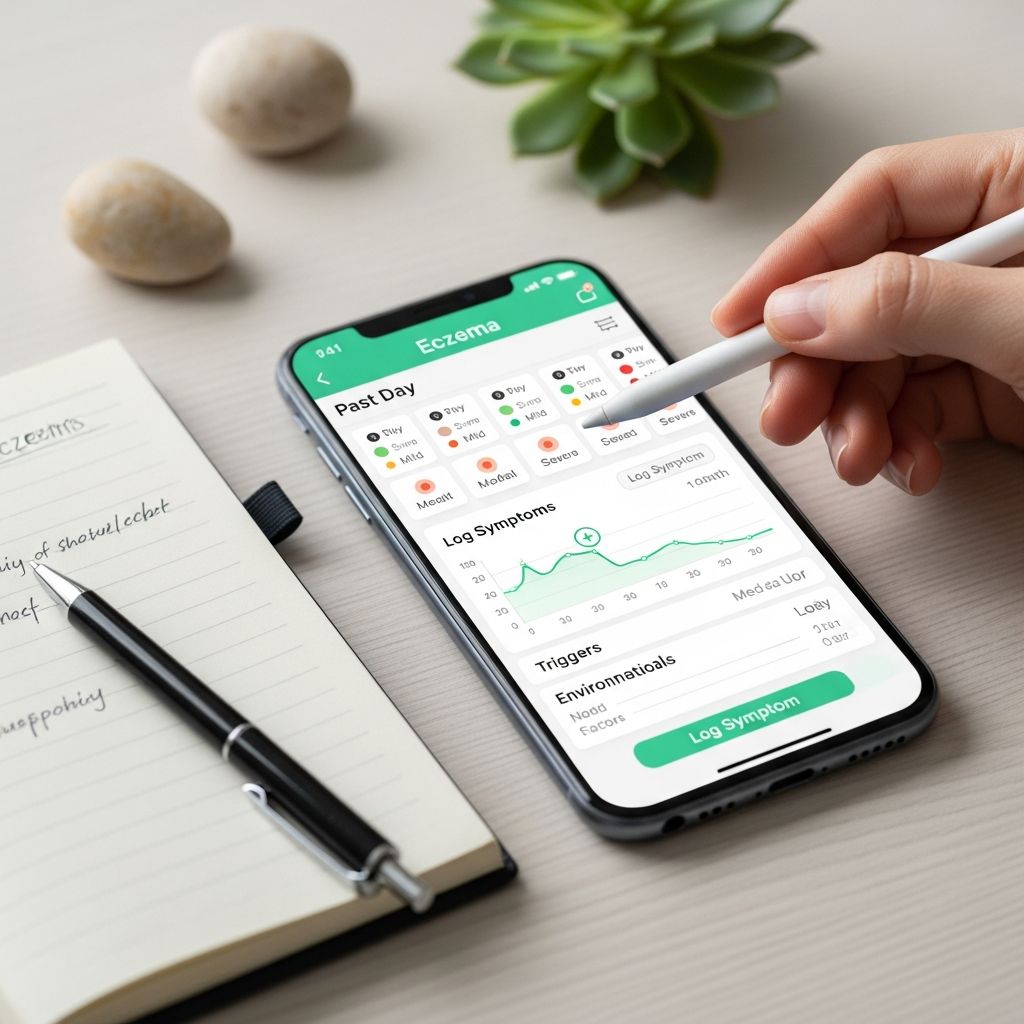
Eczema tracking applications have emerged as essential tools for individuals navigating the unpredictable nature of this chronic skin condition. These digital platforms enable users to systematically record daily symptoms, potential irritants, and therapeutic responses, fostering a proactive approach to management. By compiling data over time, users gain actionable insights that can significantly improve quality of life and treatment outcomes.
The Daily Battle Against Eczema Fluctuations
Atopic dermatitis, commonly known as eczema, manifests through intense itching, red inflamed patches, and disrupted sleep, often varying dramatically from day to day. Traditional management relies on episodic doctor visits, which may not capture the full spectrum of experiences. Tracking apps bridge this divide by allowing continuous monitoring, revealing patterns invisible during brief consultations.
Users report that consistent logging helps quantify the emotional toll, such as frustration from sleepless nights or pain-induced limitations. This data empowers patients to advocate for themselves, shifting from reactive care to strategic planning.
Core Features Revolutionizing Symptom Management
Modern eczema apps integrate user-friendly interfaces with clinically validated metrics. Key functionalities include:
- Symptom Logging: Record itch intensity, skin dryness, pain levels, and sleep quality using scales like PO-SCORAD or ADCT, developed by eczema specialists.
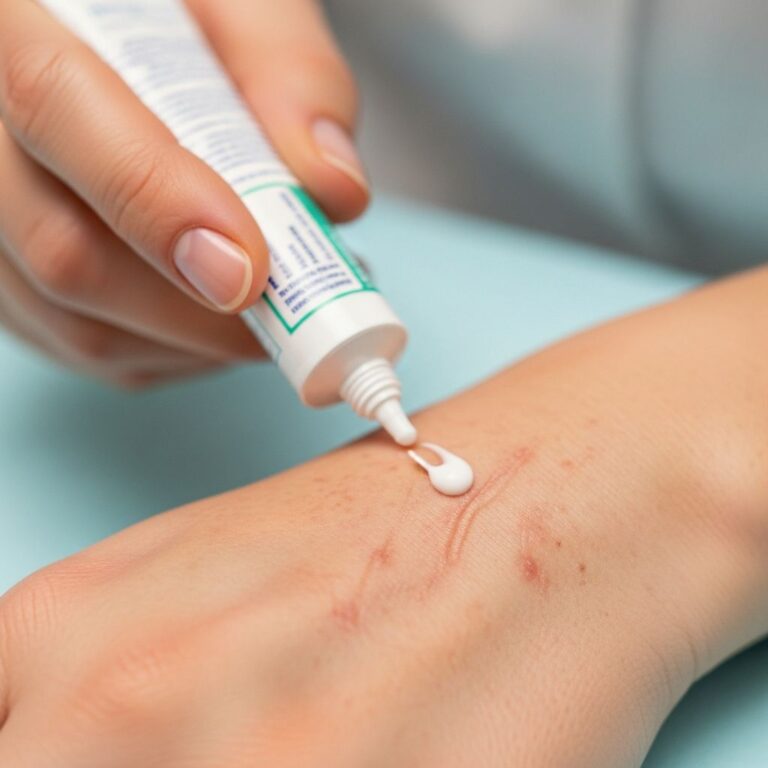
- Visual Documentation: Capture and categorize photos by affected body regions, timestamped with severity ratings to track healing or worsening.
- Treatment Journals: Note applications of moisturizers, topicals, or systemic medications, evaluating efficacy through before-and-after comparisons.
These elements combine to create a comprehensive health diary accessible anytime, reducing reliance on memory during high-stress flares.
Pinpointing Triggers for Prevention
One of the most empowering aspects of tracking apps is trigger identification. Environmental factors like pollen, humidity, or temperature shifts often precipitate flares, yet their impact is hard to recall accurately. Apps pull local weather data, pollen counts, and mold levels, correlating them with logged symptoms.
| Common Trigger | App Tracking Method | Potential Impact |
|---|---|---|
| Weather Changes | Auto-import humidity/rain data | Increased dryness or sweating |
| Allergens (Pollen/Mold) | Local forecasts + user notes | Rapid itch onset |
| Stress Levels | Daily mood scales | Exacerbated inflammation |
| Dietary Items | Food intake logs | Delayed flare reactions |
| New Products | Skincare/treatment entries | Contact irritation |
Over weeks or months, algorithms highlight correlations, such as flares following high-pollen days, enabling users to preemptively adjust routines.
Visualizing Progress Through Data Graphs
Raw logs transform into intuitive charts when viewed daily, weekly, or monthly. Graphs depict trends in itch scores, sleep disruption, or flare frequency, making abstract improvements tangible. For instance, a downward trend in PO-SCORAD after starting a new topical signals success.
This visualization aids in celebrating small victories, like fewer pain days, boosting adherence to regimens. Patients can export reports as PDFs, presenting clear evidence at appointments.
Enhancing Doctor-Patient Partnerships
Apps standardize data with tools like Patient-Oriented Eczema Measure (POEM) or Recap of Atopic Eczema (RECAP), aligning patient reports with clinical standards. Doctors appreciate this ‘same language’ communication, leading to precise adjustments rather than guesswork.
Related Stories



Consistent tracking fills the gap between visits, providing objective long-term data for personalized care plans.
Studies underscore that tailored interventions based on tracked triggers yield superior control and life quality.
AI Innovations in Eczema Monitoring
Advancements like Japan’s Atopiyo app leverage artificial intelligence to analyze smartphone photos, detecting lesions with 100% accuracy in tests and generating severity scores correlated to physician assessments. Trained on over 57,000 images, it auto-identifies body areas and integrates user inputs for holistic scores.
Future updates promise personalized feedback, bridging clinic and home care. While expanding diverse skin tone datasets, such tools promise objective, continuous monitoring.
Real User Experiences and Testimonials
Feedback from apps like My Eczema Tracker highlights ease: weekly questionnaires take under a minute, yet reveal long-term patterns for better doctor discussions. Users note utility in logging treatment changes and notes, turning vague complaints into data-driven dialogues.
Another user shared: “It shows exactly when my eczema improved or worsened, empowering informed decisions.” Sleep integration via device health kits further enriches insights.
Choosing the Right App for Your Needs
Select based on priorities:
- Comprehensive Logging: EczemaWise for multi-faceted tracking including research articles.
- AI Analysis: Atopiyo for photo-based severity.
- Validated Questionnaires: My Eczema Tracker with POEM/RECAP.
- Environmental Focus: Eczema Tracker with pollen/weather.
- Severity Scoring: Eczema Care+ with PO-SCORAD.
Most are free on iOS/Android, ensuring accessibility.
Frequently Asked Questions (FAQs)
What is the best way to start tracking eczema?
Begin with daily logs of symptoms, photos, and potential triggers using a dedicated app. Consistency over 2-4 weeks reveals initial patterns.
Can these apps replace doctor visits?
No, they complement care by providing data for visits, not diagnosing or prescribing.
Are tracking apps suitable for children?
Yes, many support caregiver input for pediatric eczema management.
How accurate is AI in assessing eczema severity?
Tools like Atopiyo show strong correlation with clinician scores, detecting 98-100% of regions/lesions in validation.
Do apps protect my health data privacy?
Reputable ones follow standards; review permissions before use.
Building Sustainable Tracking Habits
Set reminders for entries, start small (e.g., itch/sleep only), and review weekly graphs for motivation. Integrate with routines like moisturizing. Over time, this cultivates awareness, reducing flare frequency.
Combine with lifestyle tweaks: stress reduction, gentle fabrics, and hypoallergenic products, amplifying app benefits.
References
- Get EczemaWise: An App to Track Your Eczema — National Eczema Association. 2023. https://nationaleczema.org/eczemawise-app/
- AI App Could Help Track Eczema Flare-Ups — HealthCentral. 2023-07. https://www.healthcentral.com/news/eczema/ai-flare-tracking-app
- EczemaWise Helps Patients Make Smarter, More Informed Care Decisions — The Educated Patient. 2023. https://www.theeducatedpatient.com/view/eczemawise-helps-patients-make-smarter-more-informed-care-decisions
- My Eczema Tracker App — University of Nottingham (.ac.uk). 2023. https://www.nottingham.ac.uk/research/groups/cebd/resources/my-eczema-tracker-app.aspx
- Eczema Tracker – App Store — Apple Inc. 2023. https://apps.apple.com/us/app/eczema-tracker/id1080899152
- Eczema care+: The mobile app to help you manage your eczema — Pierre Fabre Eczema Foundation. 2023. https://www.pierrefabreeczemafoundation.org/en/treatment/app-assess-severity-your-eczema-eczema-care
- 5 Ways to Track Your Eczema Symptoms and Triggers — Healthline. 2023. https://www.healthline.com/health/eczema/tracking-eczema-symptoms-and-triggers
Similar Articles








Read full bio of Sneha Tete