Unlocking Better Health with Food Tracking
Discover how maintaining a food log transforms eating habits, supports weight goals, and enhances overall wellness through mindful practices.
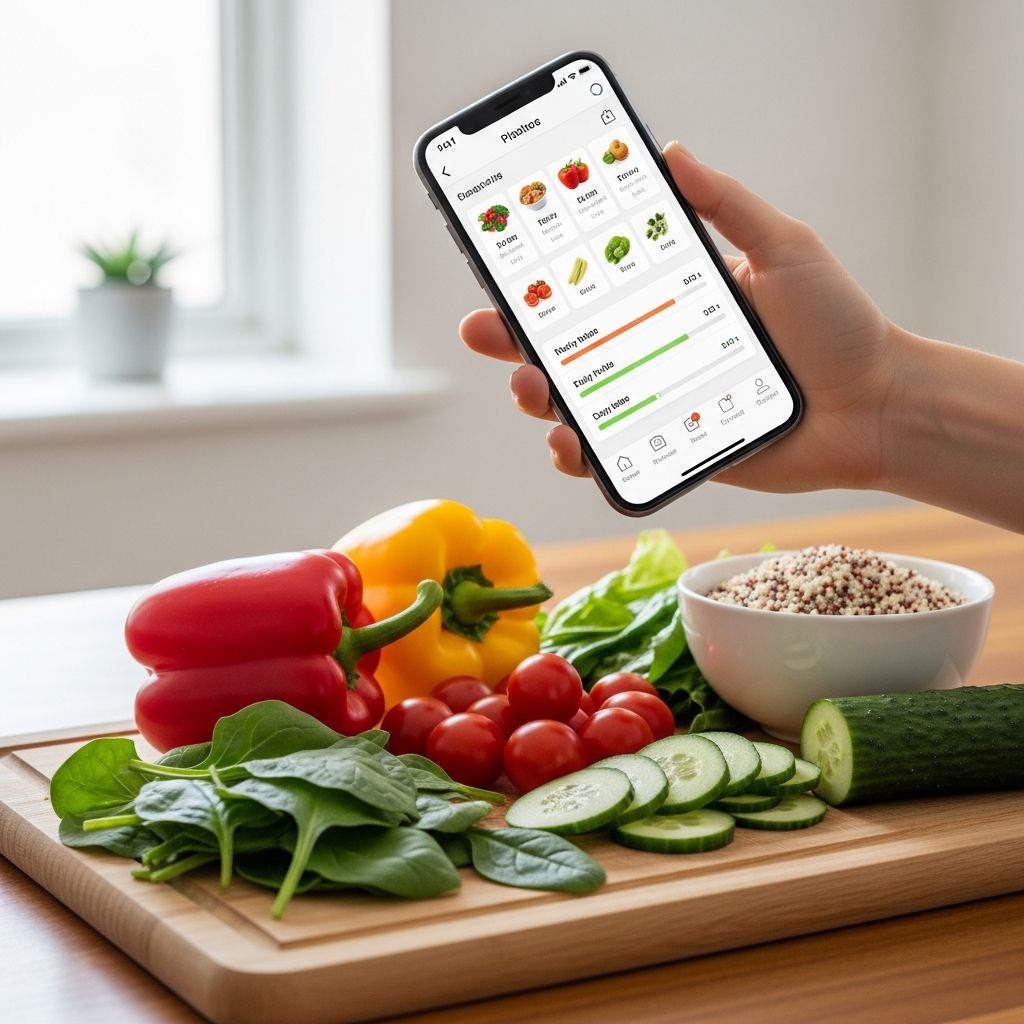
Tracking daily food intake through a dedicated log offers a straightforward yet powerful method to gain control over dietary habits and foster long-term wellness. This practice reveals hidden patterns in eating behaviors, empowers informed choices, and aligns nutrition with personal health objectives.
Why Food Logs Drive Nutritional Awareness
At its core, documenting every bite and sip heightens consciousness of consumption patterns that often go unnoticed. Individuals frequently underestimate intake during casual snacking or distracted meals, leading to excess calories without realization. By committing details to a log, people cultivate mindfulness, prompting reflection on whether choices nourish the body effectively.
This awareness extends beyond mere quantity to quality. Logs illuminate if meals provide balanced macronutrients—proteins, fats, carbohydrates—and essential micronutrients like vitamins and minerals. Over days or weeks, patterns emerge, such as insufficient fiber from vegetables or overreliance on processed sugars, guiding targeted improvements.
Mastering Portions for Balanced Intake
Portion distortion plagues modern eating, where oversized servings at restaurants or generous home scoops inflate calorie counts silently. A food log counters this by requiring precise recording of amounts, training the eye to recognize appropriate sizes. Visualizing servings on paper or apps builds intuition for what a true handful of nuts or cup of grains looks like.
Studies affirm this effect: participants meticulously noting portions achieved greater accuracy in estimating needs, reducing unintentional overeating. Over time, this skill translates to effortless moderation without constant measurement.
Achieving Sustainable Weight Goals
For weight management, food tracking stands as a proven cornerstone. Research from the Kaiser Center for Health Research involving 1,700 dieters showed those maintaining journals for six months lost twice the weight of non-trackers. Similarly, a study on adults with diabetes and prediabetes found consistent loggers—tracking at least five days weekly—shed an extra seven pounds over the program, sustaining losses even through holidays.
Consistency proves key; sporadic entries yield minimal results, while regular practice sustains momentum. Logs provide objective data for setting realistic calorie targets, whether aiming to lose, gain, or maintain.
| Tracking Frequency | Weight Loss Outcome | Source |
|---|---|---|
| >228 days (out of 343) | Significant, sustained loss | |
| 114-228 days | No significant change | |
| 6 months daily | Twice the loss vs. non-trackers |
Spotting Patterns and Emotional Triggers
Beyond calories, logs uncover behavioral insights. Evening stress might trigger chips; boredom could spark sugary drinks. Reviewing entries reveals these links, enabling replacement strategies like herbal tea or walks.
This detection proves vital for breaking cycles. Mindless nibbling during TV viewing, often forgotten, gets captured, curbing excess. Emotional eaters benefit most, as logs foster accountability and alternative coping.
Optimizing Nutrients and Addressing Deficiencies
Comprehensive tracking spotlights gaps, such as low iron from meager reds or scant calcium sans dairy. Professionals like dietitians analyze logs to recommend boosts—more leafy greens for folate or legumes for protein.
It also aids condition management. Diabetics monitor carbs for blood sugar stability; those with sensitivities note reactions post-dairy or gluten.
Boosting Energy, Digestion, and Overall Vitality
Foods impact more than scales; they influence digestion, sleep, and energy. Logs correlate heavy post-meal bloating with fried items or fatigue after carb-heavy lunches, prompting swaps like salads or lean proteins.
Sustained energy follows balanced logs emphasizing whole foods. Improved sleep from lighter evenings or better focus from stable blood sugar emerge as bonuses.
Related Stories



Practical Steps to Launch Your Food Log
- Choose Your Medium: Opt for pocket notebooks for portability or apps like MyFitnessPal for scanning barcodes and auto-calculating nutrients. Consult doctors for tailored app suggestions.
- Record Comprehensively: Note time, food/drink items, quantities (e.g., 1 cup oatmeal), preparation (fried/boiled), and extras like sauces. Include beverages—sodas add hidden sugars.
- Add Contextual Layers: Log hunger (1-10 scale), fullness, mood, stress, activity, and symptoms. This enriches analysis.
- Timing Matters: Enter immediately to avoid forgetting ‘ghost calories’ like handfuls of nuts.
- Duration Goal: Start with 3-4 days for doctor visits; extend to weeks for personal insights.
Sample Daily Food Log Template
| Time | Food/Drink | Amount | Hunger (1-10) | Mood/Notes |
|---|---|---|---|---|
| 7 AM | Oatmeal w/ berries | 1 cup dry oats, ½ cup berries | 8 | Calm, energized |
| 10 AM | Apple | 1 medium | 5 | Bored at work |
| 12 PM | Grilled chicken salad | 4 oz chicken, 2 cups greens | 9 | Satisfied |
| 3 PM | Yogurt | 6 oz plain | 6 | Stressed meeting |
| 6 PM | Baked salmon, quinoa, broccoli | 5 oz salmon, ¾ cup quinoa, 1 cup veg | 7 | Relaxed evening |
| 8 PM | Herbal tea | 1 cup | 3 | Content |
Use this as a starting point, adapting columns to needs.
Overcoming Common Hurdles
Forgetfulness strikes many; set phone reminders or photo foods first. Tedious entries? Voice-to-text apps streamline. Weekend slips? Prep logs in advance.
Truthfulness ensures value—falsifying defeats purpose. Share with healthcare providers for expert input.
Long-Term Integration for Lasting Change
Transition from rigid daily logs to weekly check-ins as habits solidify. Apps with graphs visualize progress, motivating continuity. Pair with activity tracking for holistic views.
Research underscores persistence: high adherers maintain losses years later. This tool evolves from tactic to intuitive ally.
Frequently Asked Questions
What if I forget to log a meal?
Estimate retroactively using photos or receipts, but aim for real-time to maximize accuracy. Consistency trumps perfection.
Do apps replace paper logs?
No—apps excel in calculations and databases, but paper suits some for mindfulness. Hybrid approaches work best.
How soon do benefits appear?
Awareness builds in days; weight shifts in weeks with diet tweaks. Track 3+ days minimum.
Is tracking only for weight loss?
No—it aids any goal: muscle gain, digestion, allergies, or diabetes control.
Can kids or elderly use food logs?
Yes, simplified versions promote family health. Consult professionals for adaptations.
Key Takeaways for Success
- Track diligently for 5+ days weekly to unlock weight loss potential.
- Include emotions and symptoms for deeper insights.
- Review weekly to adjust and celebrate wins.
- Consult experts for personalized plans.
References
- Exploring the Benefits of Tracking Food Intake — Medical University of South Carolina. 2024-01-12. https://www.musc.edu/content-hub/news/2024/01/12/exploring-the-benefits-of-tracking-food-intake
- Nutrition: Keeping a Food Diary — FamilyDoctor.org (American Academy of Family Physicians). Accessed 2026. https://familydoctor.org/nutrition-keeping-a-food-diary/
- The Benefits of Food Journaling — Beebe Healthcare. Accessed 2026. https://www.beebehealthcare.org/health-hub/nutrition/benefits-food-journaling
- How to Keep a Food Journal: Tips to Help You Get Started — GoodRx. Accessed 2026. https://www.goodrx.com/well-being/diet-nutrition/how-to-keep-a-food-journal
- The Effect of Adherence to Dietary Tracking on Weight Loss — National Library of Medicine (PMC). 2017-08-23. https://pmc.ncbi.nlm.nih.gov/articles/PMC5568610/
- Food Journaling: What it is, Benefits & Tips — Cleveland Clinic. Accessed 2026. https://health.clevelandclinic.org/how-to-keep-a-food-journal
Similar Articles








Read full bio of medha deb