Unlocking the Lock Jaw: TMJ Dysfunction Explained
Understanding TMJ dysfunction: causes, symptoms, and effective treatment options.
Understanding the Temporomandibular Joint
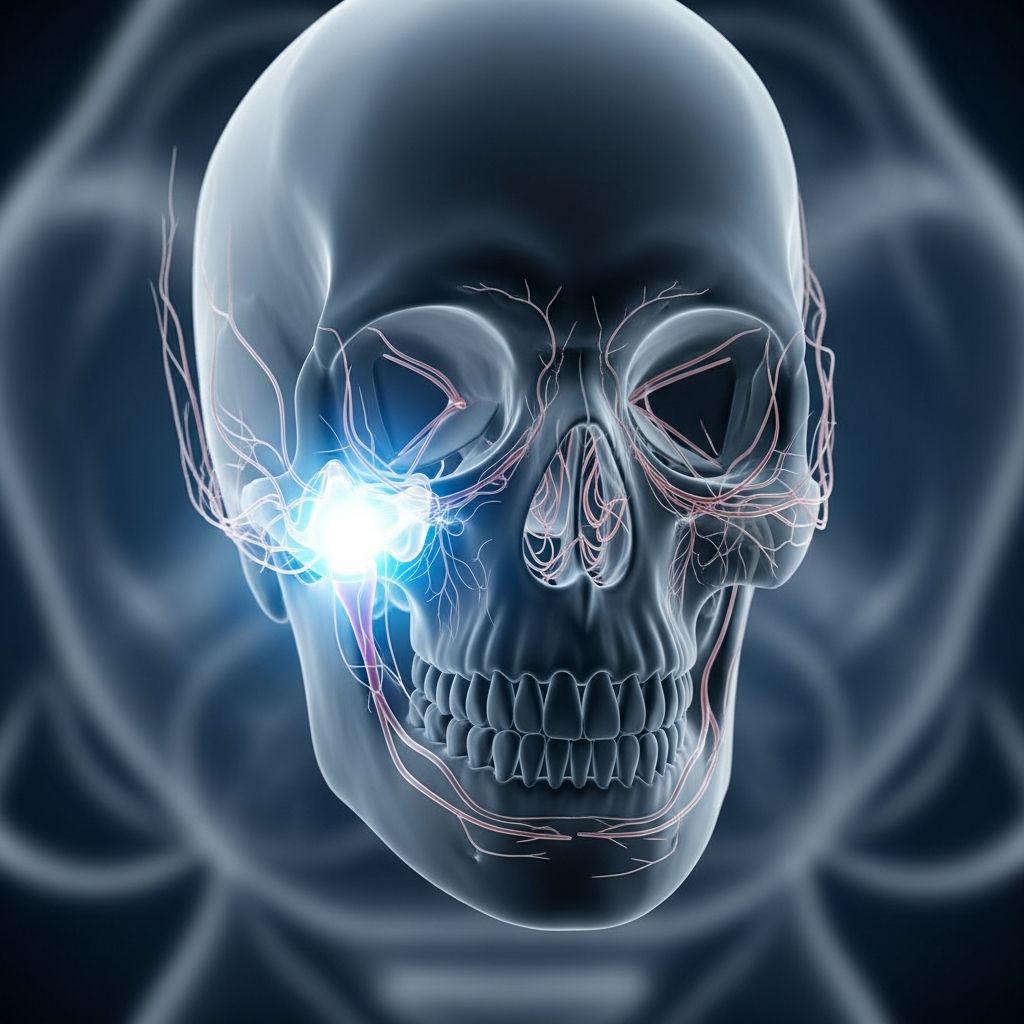
The temporomandibular joint (TMJ) is a complex hinge joint that connects your lower jaw (mandible) to your skull at the temporal bone. Unlike many other joints in the body, the TMJ is unique in that it moves in multiple directions—allowing your jaw to open and close, move side to side, and glide forward and backward. This extraordinary mobility is essential for fundamental activities like eating, speaking, and yawning. Each side of your face contains one TMJ, making bilateral coordination critical for proper jaw function.
The TMJ is classified as a diarthrodial joint, meaning it is characterized by a synovial membrane that produces lubricating fluid. The joint comprises several important structures: the articular cartilage that covers the bone surfaces, a fibrocartilaginous disc that acts as a shock absorber, ligaments that provide stability, muscles of mastication that control movement, and a joint capsule that encloses the entire structure. When all these components work in harmony, the jaw functions smoothly and painlessly. However, when dysfunction occurs in any of these structures, it can lead to the condition commonly known as TMJ dysfunction or temporomandibular disorder (TMD).
What Is TMJ Dysfunction?
Temporomandibular joint dysfunction, also called TMD or TMJ syndrome, refers to a group of conditions affecting the jaw joint and the muscles that control jaw movement. TMJ dysfunction is not a single disease but rather a collection of related problems that can manifest differently in different individuals. The condition affects the mechanics of jaw movement and can significantly impact quality of life, causing pain, functional limitations, and psychological distress.
TMJ syndrome describes a variety of symptoms including head pain, ear pain, jaw pain, joint sounds (such as clicking or popping), jaw deviation during opening, and tenderness in the muscles of mastication. Joint crepitus—the sensation of grinding, grating, crunching, or popping upon movement—is a hallmark sign of TMJ dysfunction. These symptoms may develop gradually or appear suddenly following an injury or trauma to the jaw.
Causes and Risk Factors
The etiology of TMJ dysfunction is multifactorial, meaning multiple causes and risk factors can contribute to its development. Understanding these underlying causes is crucial for effective treatment.
Mechanical and Structural Causes
Trauma or injury to the jaw, such as from a car accident, fall, or sports injury, represents one of the most straightforward causes of TMJ dysfunction. These injuries can damage the joint structures, displace the articular disc, or cause muscle strain. Additionally, degenerative joint diseases, including osteoarthritis and rheumatoid arthritis, can affect the TMJ, leading to cartilage breakdown and chronic pain. Poor posture, particularly forward head posture from prolonged computer use or phone usage, places abnormal stress on the jaw joint and neck muscles, contributing to dysfunction over time.
Muscular and Behavioral Factors
Muscle tension and imbalance in the muscles of mastication—including the masseter, temporalis, and pterygoid muscles—play a significant role in TMJ dysfunction. Clenching and grinding of the teeth (bruxism), whether during waking hours or sleep, places excessive force on the jaw joint and can lead to muscle fatigue and joint damage. Stress and anxiety are well-established triggers, as emotional tension often manifests as jaw clenching and muscle tightness.
Occlusal and Developmental Factors
Malocclusion—misalignment of the upper and lower teeth—can create uneven pressure distribution across the TMJ during chewing and closure. Some individuals may have anatomical variations in their jaw structure that predispose them to dysfunction. Additionally, hormonal factors have been implicated, as TMJ dysfunction occurs more frequently in women, suggesting a role for estrogen in joint health and pain perception.
Related Stories



Recognizing Symptoms and Signs
TMJ dysfunction presents with a diverse array of symptoms that can vary significantly between individuals. Common manifestations include:
Primary Symptoms: Jaw pain or tenderness, particularly in the joint itself or in the muscles surrounding the jaw, represents the most frequent complaint. This pain may be sharp, dull, or aching in character and may worsen with jaw movement or prolonged activity. Ear pain or otalgia is common, often radiating from the TMJ region and potentially irritating the auditory canal. Headaches, particularly temporal headaches or those affecting the sides of the head, frequently accompany TMJ dysfunction.
Functional Symptoms: Difficulty opening the mouth to full capacity is a hallmark feature, with some individuals experiencing severe limitation in mouth opening—termed lockjaw when the jaw becomes stuck in either an open or closed position. Clicking, popping, or grinding sounds during jaw movement indicate internal joint derangement. Jaw deviation, where the lower jaw shifts to one side during opening, often occurs due to muscle weakness or imbalance, such as weakness in the lateral pterygoid muscle.
Associated Symptoms: Neck pain and shoulder tension frequently accompany TMJ dysfunction, as the jaw muscles connect to cervical muscles. Some patients report vertigo or balance disturbances. Tinnitus or ringing in the ears may occur. In severe cases, patients may experience referred pain radiating along the jaw line to the ears and temples.
Diagnostic Approach
An accurate diagnosis of TMJ dysfunction requires a comprehensive clinical evaluation combining patient history, physical examination, and selective imaging studies when indicated.
Clinical Examination
The physician begins by documenting the patient’s symptoms, their onset, aggravating and relieving factors, and their impact on daily activities. Palpation of the TMJ and surrounding muscles helps identify areas of tenderness and muscle spasm. Assessment of jaw range of motion is critical—the clinician evaluates maximum mouth opening, which is normally about 35-40 millimeters (approximately 3 finger-widths). Evaluation of mandibular deviation upon opening, where the jaw shifts to one side, helps identify muscular imbalance. The clinician listens for joint sounds and assesses the patient’s bite and occlusion.
Muscle assessment includes evaluation of the muscles of mastication and cervical muscles for tenderness, tightness, and trigger points. The mandibular nerve (V3 branch of the trigeminal nerve) provides sensory innervation to the TMJ, and muscle dysfunction may involve the motor branches of this nerve that supply the jaw muscles. Neurological examination may be performed to rule out other causes of facial pain.
Imaging Studies
Plain radiographs may reveal degenerative changes, but magnetic resonance imaging (MRI) is the gold standard for assessing disc position and soft tissue structures. MRI can detect anterior disc displacement, the most common internal derangement in TMJ dysfunction. Computed tomography (CT) is useful for evaluating bony structures and joint surfaces, particularly when arthritis is suspected. However, many cases of TMJ dysfunction can be effectively managed based on clinical findings alone, without advanced imaging.
Treatment Approaches
Treatment of TMJ dysfunction is typically conservative and multimodal, focusing on symptom relief, restoration of function, and prevention of progression.
Self-Management Strategies
Initial management should include patient education about jaw rest, activity modification, and posture correction. Patients should avoid wide mouth opening, hard or chewy foods, and excessive jaw use. The application of heat to the jaw muscles can promote relaxation and reduce pain, while ice application may help during acute inflammation. Gentle jaw exercises, stretching, and progressive muscle relaxation techniques can improve jaw mobility and reduce muscle tension.
Physical and Manual Therapy
Physical therapy directed at the TMJ and associated muscles is a cornerstone of conservative management. Chiropractic care utilizing gentle manual procedures can help relax and reduce muscle spasm in the jaw muscles surrounding the TMJ and assist in restoring normal TMJ mobility. Massage therapy targeting the muscles of mastication, neck, and shoulder girdle can alleviate muscular tension and improve circulation. Therapeutic exercises focusing on strengthening and coordinating the jaw muscles help restore normal biomechanics.
Occlusal Appliances
A nocturnal occlusal guard or mouth retainer worn at night acts as a “sling” to prevent grinding and clenching of the teeth during sleep, thereby reducing muscle spasm and joint stress. These devices help protect the teeth and joints from excessive wear and tear. Properly fitted occlusal guards can significantly reduce symptoms in many patients with TMJ dysfunction related to bruxism.
Pharmacological Management
Non-steroidal anti-inflammatory drugs (NSAIDs) such as ibuprofen or naproxen can help reduce pain and inflammation. Muscle relaxants may be prescribed for short-term management of severe muscle spasm. Antidepressants, particularly tricyclic antidepressants at low doses, may be beneficial for chronic TMJ pain, as they have analgesic properties and can address comorbid anxiety or depression.
Behavioral and Psychological Interventions
Psychological counseling and stress management techniques may be beneficial, particularly for patients whose TMJ dysfunction is exacerbated by stress and tension. Cognitive-behavioral therapy can help patients develop coping strategies and reduce jaw clenching behaviors. Relaxation techniques, including meditation, deep breathing, and progressive muscle relaxation, can reduce overall tension and jaw muscle activity.
Advanced Interventions
For patients with significant inflammatory components, intra-articular injections of corticosteroids or hyaluronic acid may provide temporary relief. Botulinum toxin injections into the muscles of mastication may be considered for severe muscle tension unresponsive to conservative treatment. Surgical intervention, such as arthrocentesis or arthroscopy, is reserved for cases with internal derangement unresponsive to conservative management, and more invasive procedures like joint replacement are rarely necessary.
Prevention Strategies
Preventing TMJ dysfunction involves awareness of risk factors and adoption of healthy habits:
– Maintain proper posture, particularly during computer work and phone use- Practice stress management and relaxation techniques- Avoid nail-biting, pen chewing, and excessive gum chewing- Maintain a soft diet and avoid hard, sticky, or chewy foods- Apply warm compresses to tense jaw muscles- Perform gentle jaw exercises regularly- Wear a protective mouth guard during sports- Address malocclusion with orthodontic treatment if indicated- Treat sleep disorders and sleep-related bruxism
Prognosis and Long-Term Management
Most cases of TMJ dysfunction respond well to conservative treatment, with the majority of patients experiencing significant improvement within weeks to months. However, some individuals develop chronic TMJ dysfunction requiring long-term management strategies. The prognosis depends on the underlying cause, severity of dysfunction, patient compliance with treatment, and psychological factors. Multidisciplinary approaches involving dental professionals, physical therapists, physicians, and mental health providers often yield the best outcomes.
Frequently Asked Questions
Q: What causes TMJ dysfunction to develop suddenly?
A: Sudden TMJ dysfunction can result from acute trauma to the jaw, excessive jaw activity (such as prolonged chewing or yawning), sudden emotional stress leading to intense jaw clenching, or displacement of the articular disc. Some individuals experience sudden onset without an identifiable precipitating event.
Q: Can TMJ dysfunction resolve on its own?
A: Many mild cases of TMJ dysfunction improve spontaneously with rest and self-care measures. However, moderate to severe cases typically require professional intervention. Early treatment generally leads to faster resolution and prevents chronic pain development.
Q: Is surgery necessary for TMJ dysfunction?
A: Surgical intervention is rarely necessary and is reserved for cases with significant structural damage or internal derangement unresponsive to conservative treatment for 6-12 months. The vast majority of TMJ dysfunction cases can be effectively managed without surgery.
Q: How long does treatment for TMJ dysfunction typically take?
A: Treatment duration varies depending on severity and underlying cause. Many patients experience significant improvement within 4-8 weeks of consistent treatment. Chronic cases may require several months of ongoing management.
Q: Can stress management alone treat TMJ dysfunction?
A: While stress management is an important component of comprehensive TMJ treatment, it is most effective when combined with physical therapy, occlusal appliances, and other therapeutic interventions. A multimodal approach typically yields the best results.
Q: What activities should I avoid with TMJ dysfunction?
A: Avoid wide mouth opening, hard or sticky foods, excessive chewing, nail-biting, pen chewing, and activities that strain the jaw. Maintain good posture and practice stress management to reduce jaw clenching.
References
- TMJ Pain and Chiropractic Treatment — Harvard Square Chiropractic. Accessed December 1, 2025. https://www.harvardsquarechiropractic.com/tmj-pain
- Improving Early Detection of Temporomandibular Joint Involvement in Juvenile Idiopathic Arthritis — Nature. 2025. https://www.nature.com/articles/s41598-025-25988-0
- Temporomandibular Disorders: From Research Discoveries to Clinical Treatment — National Academies of Sciences, Engineering, and Medicine. Accessed December 1, 2025. https://www.nationalacademies.org/projects/HMD-HSP-18-21
- Nonsurgical Management of Temporomandibular Joint Arthropathy — PubMed Central, National Center for Biotechnology Information. Accessed December 1, 2025. https://pubmed.ncbi.nlm.nih.gov/36404079/
Similar Articles








Read full bio of medha deb