Unmasking the Varied Causes of Breathlessness and Fatigue
Discover the hidden medical conditions behind everyday breathlessness and fatigue symptoms.
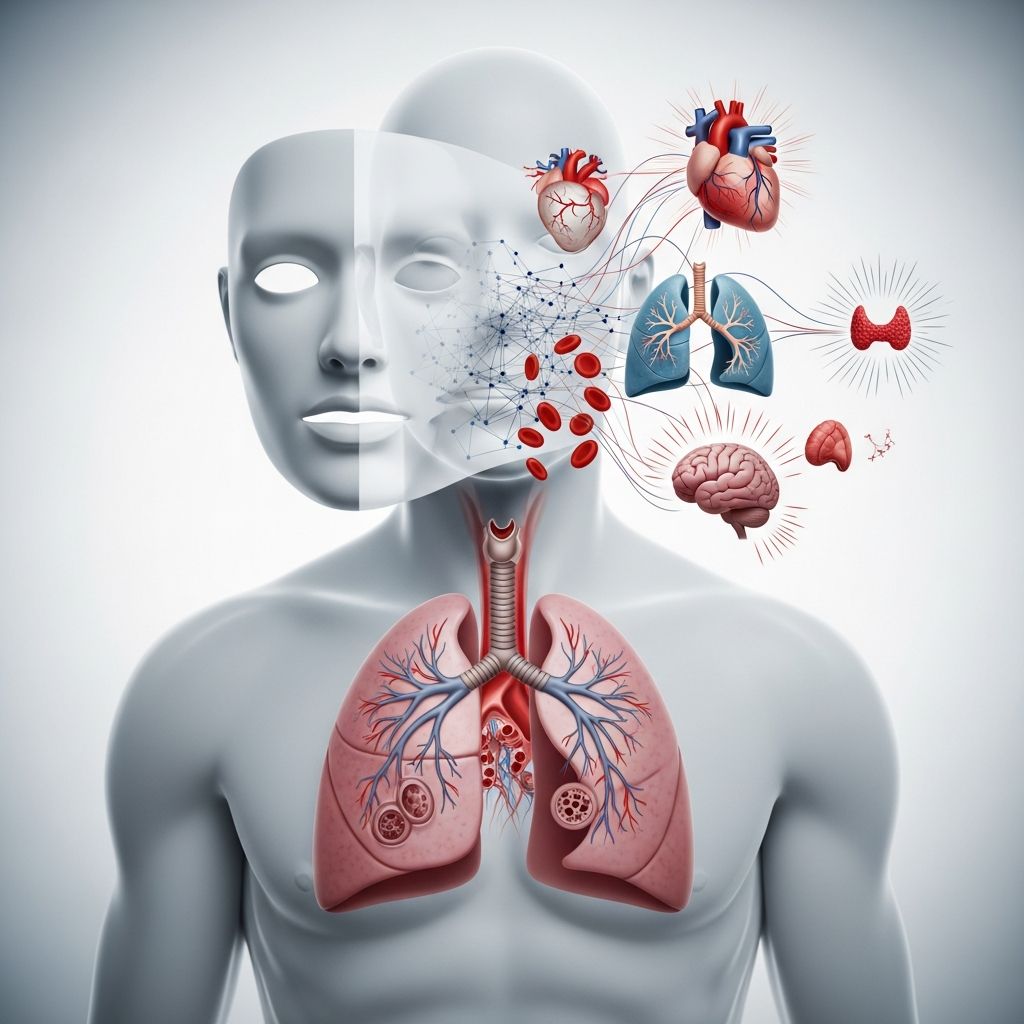
Understanding Breathlessness and Fatigue: When Symptoms Signal Serious Conditions
Breathlessness and fatigue are among the most common complaints patients report to their healthcare providers, yet their underlying causes remain frequently misunderstood or overlooked. While many people attribute these symptoms to being “out of shape” or simply working too hard, the reality is far more complex. Approximately 1 in 4 people who experience daily breathlessness have an undiagnosed medical condition that requires proper evaluation and treatment. Similarly, fatigue affects nearly 98% of individuals with autoimmune disease and impacts 7–45% of the general population. Understanding the diverse causes of these symptoms is essential for obtaining an accurate diagnosis and appropriate care.
The Deception of Deconditioning: When Poor Fitness Masks Real Disease
One of the most dangerous assumptions people make is that shortness of breath during mild activity simply reflects poor physical conditioning. While deconditioning is indeed a legitimate cause of breathlessness, it should never be the default explanation without proper investigation. The cardiovascular system responds rapidly to inactivity—cardiorespiratory capacity can decline by up to 10% after just one month without exercise, making even climbing a single flight of stairs feel exhausting. However, this reversible decline differs fundamentally from breathlessness caused by underlying pathology.
Medical professionals have discovered that spirometry testing reveals airway obstruction or restriction in approximately 30% of patients who initially attributed their breathlessness to poor fitness. This finding underscores the importance of objective testing rather than assumption. Many individuals continue to blame themselves for being “out of shape” when they actually harbor treatable conditions like asthma or early-stage heart disease. The psychological burden of this misattribution—combined with delayed diagnosis and treatment—can significantly worsen outcomes and quality of life.
Cardiac Causes: The Heart’s Silent Signals
Heart disease represents one of the most common yet frequently overlooked causes of exertional breathlessness. Notably, heart failure with preserved ejection fraction (HFpEF) has emerged as the leading cardiac reason for breathing difficulties. In this condition, the heart’s ability to relax and fill with blood becomes impaired, even though the ejection fraction—the percentage of blood pumped with each beat—remains normal. This paradox confuses many patients and healthcare providers alike, as traditional tests may initially appear reassuring.
Detection of heart-related breathlessness requires specific diagnostic tools. An echocardiogram provides detailed imaging of heart structure and function, while a blood test measuring B-type natriuretic peptide (BNP) offers biological confirmation. BNP levels exceeding 100 pg/mL demonstrate 90% sensitivity for acute heart failure in breathless patients presenting to emergency departments. Elevated BNP indicates that the heart muscle is working excessively hard, releasing this hormone as a stress signal. For patients experiencing breathlessness with exertion, particularly those with risk factors for heart disease such as hypertension, diabetes, or obesity, cardiac evaluation should be considered early in the diagnostic workup.
Pulmonary Diseases: Beyond Simple Asthma
The lungs represent another primary system responsible for breathing difficulties. Asthma in adults presents particular diagnostic challenges because it can masquerade as simple deconditioning or anxiety. Some patients experience cough-variant asthma, where the predominant symptom during exertion is breathlessness rather than coughing. Peak-flow readings below 80% of predicted values help confirm this suspicion, though formal spirometry with methacholine challenge testing provides definitive confirmation when baseline spirometry appears normal.
Chronic Obstructive Pulmonary Disease (COPD) and interstitial lung disease represent more serious pulmonary conditions that frequently cause progressive breathlessness. Mayo Clinic research indicates that chronic dyspnea persisting for four weeks or longer most often links to COPD, asthma, heart dysfunction, interstitial lung disease, deconditioning, or obesity. The American Lung Association emphasizes that breathlessness lasting more than four weeks warrants professional medical evaluation to exclude serious pathology. Spirometry testing provides objective confirmation by measuring the forced expiratory volume in one second and forced vital capacity; an FEV1/FVC ratio below 0.70 confirms obstructive lung disease, while additional testing differentiates asthma from COPD.
Related Stories



Hematologic Factors: The Oxygen Transport System
Anemia—a reduction in red blood cell count or hemoglobin concentration—represents an often-overlooked cause of breathlessness and fatigue. Hemoglobin serves as the oxygen-carrying protein within red blood cells, so deficiencies directly impair oxygen delivery to working muscles and tissues. A hemoglobin level below 10 g/dL can reduce exercise tolerance by 20% in women and 15% in men, even when both lungs and heart function normally. Patients with anemia frequently report feeling winded after minimal activity, yet discover through testing that their cardiac and pulmonary systems operate normally.
The diagnostic approach involves obtaining a complete blood count (CBC), which measures hemoglobin, hematocrit, red blood cell count, and white blood cells. Hemoglobin below 12 g/dL in women or 13.5 g/dL in men constitutes anemia and warrants investigation into the underlying cause. Sources of blood loss, nutritional deficiencies (particularly iron, B12, and folate), chronic kidney disease, and bone marrow disorders all require consideration. Once identified, many cases of anemia respond well to targeted treatment, with corresponding improvement in breathlessness and exercise tolerance.
Obesity and Metabolic Contributors
Excess body weight significantly impacts both breathlessness and fatigue through multiple mechanisms. Increased body mass elevates oxygen demand during any physical activity, forcing the cardiopulmonary system to work harder to deliver oxygen. Simultaneously, excess abdominal fat restricts diaphragmatic movement, reducing the mechanical efficiency of breathing. Studies demonstrate that losing just 5–10% of body weight often produces measurable improvements in exercise tolerance and reduces breathlessness during daily activities. This relatively modest weight loss achieves therapeutic benefit without requiring extreme dietary measures.
Obesity also frequently coexists with other conditions that independently cause breathlessness, including sleep apnea, heart disease, and type 2 diabetes. Sleep apnea—intermittent breathing interruptions during sleep—causes repetitive oxygen desaturations that trigger systemic inflammation, hypertension, and cardiac strain. The fragmented sleep resulting from these breathing interruptions also contributes to daytime fatigue and reduces cognitive function. Treatment of sleep apnea with continuous positive airway pressure (CPAP) therapy often provides dramatic improvement in both nocturnal symptoms and daytime breathlessness.
Autoimmune and Systemic Diseases: Inflammation as a Root Cause
Autoimmune diseases including systemic lupus erythematosus, rheumatoid arthritis, multiple sclerosis, type 1 diabetes, and celiac disease frequently present with fatigue as their most prominent symptom. Research indicates that almost 98% of individuals with autoimmune disease report experiencing fatigue, and for over two-thirds, this fatigue proves profound and debilitating, interfering with simple everyday tasks like climbing stairs or crossing a room. The mechanisms underlying fatigue in autoimmune disease are complex and multifactorial.
Neuroinflammation—inflammation affecting the central nervous system—has emerged as a primary factor contributing to fatigue in autoimmune conditions. Inflammatory mediators circulating throughout the body alter multiple physiological systems simultaneously, affecting motivation, sleepiness, cognition, mood, anxiety, and stress perception. These inflammatory pathways modulate oxygen and nutrient supply, metabolism, cardiovascular function, and neural signaling in brain regions responsible for alertness and executive function. Notably, anti-inflammatory treatment in autoimmune conditions associated with increased inflammation—such as neurosarcoidosis—demonstrates reduced fatigue as a consequence of therapeutic intervention.
Sleep Disturbances: The Fatigue Accelerator
Sleep pathology and fatigue maintain a bidirectional relationship; poor sleep both results from and contributes to fatigue. Conditions including insomnia, sleep apnea, and the fragmented sleep accompanying many chronic diseases all impair vigilance, cognition, mood, motivation, and attention during waking hours. Chronic partial sleep deprivation mimics the cognitive and physical effects of acute extended wakefulness, progressively degrading performance and increasing fatigue perception. Individuals with autoimmune diseases frequently experience sleep disturbances triggered by pain, inflammation, and CNS involvement, creating a vicious cycle where poor sleep exacerbates disease activity and fatigue.
Psychological and Neurological Components
Anxiety and panic disorder can produce symptoms remarkably similar to those of asthma and heart disease, including breathlessness, chest tightness, and rapid heart rate. Hyperventilation during panic attacks causes excessive carbon dioxide elimination, leading to respiratory alkalosis and triggering peripheral tingling, dizziness, and intensified breathlessness perception. However, objective pulmonary function testing reveals completely normal results in patients experiencing anxiety-induced dyspnea, helping distinguish these cases from organic lung disease. Cognitive fatigue—involving declines in alertness, orientation, and mental performance following sustained cognitive demands—frequently accompanies autoimmune diseases and neurological conditions.
The relationship between depression, anxiety, and fatigue operates bidirectionally; depression increases fatigue while fatigue contributes to depressive symptoms. Inflammatory mediators directly affect brain neurotransmitters including serotonin and dopamine, which regulate mood, motivation, and energy perception. This physiological basis explains why fatigue in chronic disease often responds inadequately to standard antidepressant therapy and why psychological counseling alone may prove insufficient without addressing underlying inflammation.
Diagnostic Evaluation: A Systematic Approach
Proper diagnosis requires systematic evaluation rather than premature assumption. Initial assessment should include a detailed history of symptom onset, duration, triggers, and associated features. Physical examination may reveal specific findings suggesting particular diagnoses. Laboratory studies form the diagnostic foundation and should include a complete blood count to assess hemoglobin and exclude infection, along with comprehensive metabolic panel to evaluate kidney and liver function, glucose control, and electrolyte balance.
For suspected respiratory causes, spirometry provides objective measurement of airflow obstruction and lung volumes. When baseline spirometry appears normal but asthma remains suspected, methacholine challenge testing—which provokes airway narrowing in susceptible individuals—helps confirm asthma diagnosis. For suspected cardiac causes, echocardiography visualizes cardiac structure and function, while BNP blood testing confirms heart failure. Additional studies may include chest X-ray imaging, cardiac stress testing, sleep studies if sleep apnea is suspected, and specialized immunological testing if autoimmune disease seems likely.
Practical Management Strategies: Immediate Improvements
While awaiting formal diagnostic evaluation, several evidence-based interventions can improve breathlessness and fatigue within weeks. Research demonstrates that patients adding 20 minutes of interval walking daily show measurable gains in lung capacity within 14 days. Importantly, exercise should continue even when experiencing breathlessness—the pace should simply be adjusted so conversation remains possible in short sentences, preventing excessive respiratory stress.
Breathing technique modification provides rapid benefit. Shifting to nasal breathing at 5–6 breaths per minute (roughly 5.5 seconds per breath cycle) improves carbon dioxide balance, which counterintuitively enhances oxygen delivery and eases breathing sensation. This technique activates parasympathetic nervous system dominance, reducing sympathetic drive and anxiety-induced breathlessness. Benefits often appear within two weeks of consistent practice.
Dietary modification offers measurable impact; reducing sodium intake to under 2 grams daily decreases fluid retention, easing breathlessness in early heart failure and lowering systolic blood pressure by approximately 4 mm Hg. For patients with suspected asthma, maintaining a symptom diary noting time, activity, environment, and respiratory symptoms helps identify hidden triggers such as cold air, perfumes, or specific allergens.
Treatment Considerations: Evidence-Based Therapy
Once specific diagnoses are confirmed, targeted treatment often produces dramatic improvement. For proven asthma, low-dose inhaled corticosteroids reduce exacerbations by 60%, though these should only be initiated after objective confirmation through spirometry or methacholine challenge testing, with physician guidance. Heart failure treatment may include medications improving cardiac relaxation, reducing fluid retention, or modulating neurohormonal activation. Anemia requires identification and treatment of underlying causes—iron supplementation for iron deficiency, B12 injection or supplementation for pernicious anemia, or investigation of chronic blood loss or bone marrow disorders as appropriate.
Treatment of autoimmune diseases targeting inflammatory pathways frequently produces marked improvement in associated fatigue. For sleep apnea, CPAP therapy not only eliminates nocturnal breathing interruptions but often dramatically improves daytime alertness and reduces fatigue. Cognitive behavioral therapy addressing anxiety, combined with systematic desensitization and breathing techniques, helps manage anxiety-related breathlessness.
Long COVID and Persistent Post-Infectious Fatigue
Following severe viral infections, particularly COVID-19, approximately 25% of individuals report persistent dyspnea months after initial infection. Long COVID-related breathlessness often results from microvascular or autonomic nervous system changes rather than ongoing viral infection or significant pulmonary scarring. Autonomic dysfunction causes inappropriate heart rate and blood pressure responses to physical activity, manifesting as excessive breathlessness and fatigue with exertion. These patients frequently benefit from graded exercise programs and autonomic stabilizing medications, though clinical management remains evolving.
Gastroesophageal Reflux as a Cofactor
Gastroesophageal reflux disease (GERD) contributes to breathing issues through multiple mechanisms. Acid reflux aspiration into airways triggers bronchospasm and chronic cough, while recurrent aspiration causes airway inflammation. Addressing GERD through lifestyle modification and pharmacological treatment often reduces chronic cough and mild dyspnea. This association is frequently overlooked, yet recognizing and treating GERD can produce meaningful respiratory improvement in susceptible patients.
Frequently Asked Questions
Could weight alone cause me to feel winded when walking?
Yes. Excess body weight increases oxygen demand and forces the diaphragm to work harder. Losing 5–10% of body weight often improves exercise tolerance measurably.
Does long COVID cause long-term shortness of breath?
Yes, approximately 25% of people with long COVID report dyspnea months after infection, often due to microvascular or autonomic changes rather than persistent infection.
Can anxiety alone mimic asthma symptoms?
Yes, hyperventilation from panic can cause chest tightness and rapid breathing, but objective lung tests will be normal in pure anxiety disorders.
Should I stop exercising if I get winded quickly?
No. Gradual, supervised exercise strengthens respiratory muscles; simply slow the pace so you can still speak in short sentences.
Does GERD contribute to breathing issues?
Yes, acid reflux can trigger bronchospasm; treating GERD often reduces chronic cough and mild dyspnea.
Are there breathing exercises besides pursed-lip breathing?
Yes. Diaphragmatic breathing—expanding the abdomen on inhalation—improves lung efficiency and lowers heart rate during exertion.
Conclusion: When to Seek Medical Evaluation
Breathlessness and fatigue warrant professional medical evaluation when they persist beyond four weeks, occur with minimal exertion, interfere with daily functioning, or represent a change from baseline status. While many cases reflect benign conditions like deconditioning, anxiety, or temporary illness, a significant proportion harbor serious treatable pathology including heart disease, pulmonary disease, autoimmune conditions, or malignancy. The key to optimal outcomes involves early recognition that these symptoms deserve investigation rather than assumption, coupled with systematic diagnostic evaluation to identify specific underlying causes. Once properly diagnosed, most conditions respond well to targeted treatment, restoring quality of life and functional capacity.
References
- Why am I short of breath even after mild activity? — Eureka Health. 2024. https://www.eurekahealth.com/resources/why-am-i-short-of-breath-even-after-mild-activity-en
- Fatigue, Sleep, and Autoimmune and Related Disorders — National Center for Biotechnology Information (NCBI/PMC). 2019. https://www.ncbi.nlm.nih.gov/pmc/articles/PMC6691096/
- Dyspnea: Pathophysiology and Clinical Management — Mayo Clinic. 2024. https://www.mayoclinic.org
- Dyspnea and Breathlessness: Causes and Evaluation — American Lung Association. 2024. https://www.lung.org
- Pulmonary Function Testing and Bronchial Hyperresponsiveness — WebMD Medical Reference. 2024. https://www.webmd.com
Similar Articles








Read full bio of Sneha Tete