Untreated Hernia Complications: 5 Serious Risks To Know
Discover the serious risks of ignoring a hernia, from chronic pain to life-threatening strangulation and perforation.
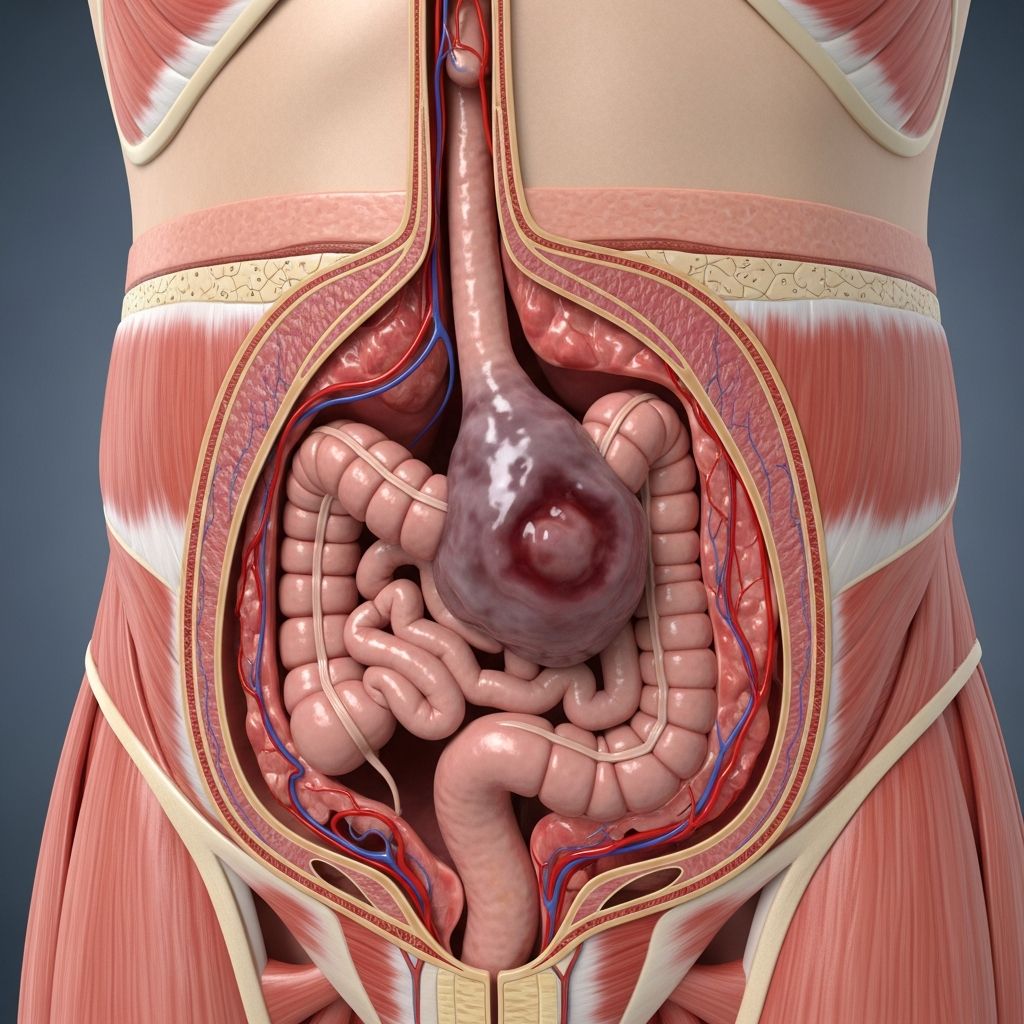
Hernias occur when an organ or tissue protrudes through a weak spot in the surrounding muscle or connective tissue, most commonly in the abdomen or groin. While many hernias start small and asymptomatic, leaving them untreated allows them to worsen, leading to potentially life-threatening issues like incarceration, strangulation, and perforation. Early intervention is critical to prevent these escalations.
What Is a Hernia?
A
hernia
develops when internal organs or fatty tissue push through weakened areas of muscle walls, often in the abdominal region. Common types include inguinal hernias (groin area), hiatal hernias (upper stomach), umbilical hernias (navel), and incisional hernias (at surgical scars). Risk factors encompass heavy lifting, chronic coughing, obesity, pregnancy, and prior surgeries. Initially painless, hernias may present as a noticeable bulge that worsens with straining.Symptoms of Hernias
Early hernia signs include a soft lump in the abdomen or groin, especially evident during standing, coughing, or lifting. Other symptoms are a feeling of heaviness, aching pain, or burning at the site. In women, femoral hernias may mimic ovarian issues. Not all hernias hurt initially; some remain silent until complications arise.
- A visible or palpable bulge that may disappear when lying down.
- Pain or discomfort worsening with activity.
- Sensation of pressure or weakness in the abdomen.
Complications of Untreated Hernias
Untreated hernias enlarge over time as the defect stretches, increasing risks of severe issues. What begins as a minor bulge can trap vital tissues, cutting off blood supply and leading to emergencies. Complications range from mild discomfort to fatal outcomes like sepsis from perforation.
Increased Size and Chronic Pain
The most common early complication is gradual enlargement, causing persistent dull aches that intensify with prolonged standing, exercise, or straining. This chronic discomfort disrupts daily activities, sleep, and work, significantly reducing quality of life. As the hernia grows, it becomes irreducible, heightening risks for more severe problems.
Intestinal Obstruction
Untreated hernias can block bowel passages, causing
intestinal obstruction
. Symptoms include severe abdominal pain, bloating, nausea, vomiting, and inability to pass gas or stool. This occurs when herniated bowel loops kink, preventing content flow. Femoral hernias pose higher obstruction risks due to narrower defects.| Symptom | Description |
|---|---|
| Severe pain | Cramping abdominal pain |
| Nausea/Vomiting | Due to backed-up contents |
| Constipation | Inability to pass stool/gas |
Incarceration
**Incarceration** happens when herniated contents become trapped and cannot be manually reduced. This moderate complication obstructs nearby structures, causing constant pain, tenderness, and a firm, non-reducible bulge. Without prompt care, it progresses to strangulation. Immediate medical evaluation is essential.
Related Stories



Strangulation
The most dangerous complication,
strangulation
cuts off blood supply to trapped tissue, leading to ischemia and necrosis (tissue death). Symptoms are sudden intense pain, swelling, redness, warmth at the site, fever, and rapid heartbeat. This is a surgical emergency; delays can cause gangrene or sepsis. Strangulation risk is higher in femoral and inguinal hernias.Perforation
Advanced damage from strangulation can cause
perforation
, where bowel tears release contents into the peritoneal cavity, triggeringperitonitis
—a severe infection. Symptoms include rigid abdomen, high fever, shock, and septicemia. Perforation demands urgent surgery and antibiotics, with high mortality if untreated.Risk Factors for Hernia Complications
Certain factors accelerate progression: obesity strains abdominal walls; smoking impairs healing; chronic constipation or heavy lifting increases pressure. Prior surgeries raise incisional hernia risks. Age, gender (men for inguinal, women for femoral), and congenital weaknesses also contribute.
- Obesity and poor muscle tone.
- Chronic cough or straining.
- Previous abdominal operations.
- Pregnancy or heavy physical labor.
Diagnosis of Hernia Complications
Diagnosis starts with physical exams, noting bulge reducibility and tenderness. Imaging like ultrasound, CT scans, or MRI confirms contents and complications. Blood tests detect infection or obstruction. Early detection via routine check-ups prevents escalation.
Treatment Options for Hernias
Watchful waiting suits small, asymptomatic hernias, but most require surgery.
Open repair
involves an incision to reposition contents and reinforce with mesh.Laparoscopic surgery
uses tiny incisions and a camera for minimal recovery. Both boast high success rates (over 95%) with low recurrence when done early.Emergency surgery for strangulation removes dead tissue and repairs the defect. Post-op care includes pain management, light activity, and avoiding strains.
Prevention of Hernia Complications
Prevent progression by maintaining healthy weight, quitting smoking, treating constipation, and using proper lifting techniques. Strengthen core with exercises like planks (post-consultation). Seek prompt care for any bulge—early repair averts crises.
When to Seek Emergency Care
Rush to ER if experiencing unrelenting pain, irreducible bulge, nausea/vomiting, fever, or skin changes over the hernia. These signal incarceration or strangulation, where hours matter for tissue survival.
Frequently Asked Questions (FAQs)
Can a hernia heal on its own?
No, hernias do not self-resolve in adults; they tend to enlarge without surgical repair.
How long can you leave a hernia untreated?
Variable, but risks rise over months to years; small ones may stay stable briefly, but monitoring is advised.
Is hernia strangulation common?
Rare (1-3% of inguinal hernias), but deadlier in femoral types; untreated incarceration often precedes it.
What does a strangulated hernia feel like?
Severe, sudden pain, swelling, redness, tenderness, nausea, and systemic symptoms like fever.
Recovery time after hernia surgery?
Laparoscopic: 1-2 weeks; open: 4-6 weeks, with full activity in 4-6 weeks.
This comprehensive overview underscores that while hernias are common, neglect invites dire consequences. Consult a physician for personalized advice; timely action saves lives and preserves comfort.
References
- Untreated Hernias: What Are the Complications and Risks? — ARK Surgical Practice. 2023. https://arksurgicalpractice.com.sg/laparoscopic-hernia-surgery-singapore/untreated-hernias-what-are-the-complications-and-risks/
- Hernia — Bangkok Hospital. 2023. https://www.bangkokhospital.com/en/huahin/content/hernia_dr-nattaporn-bhn
- Hernias – InformedHealth.org — NCBI Bookshelf. 2023-05-25. https://www.ncbi.nlm.nih.gov/books/NBK395554/
- Ask Doc: Causes, Risks, and Advanced Treatment Options for Hernias — Trinity Health Michigan. 2023. https://www.trinityhealthmichigan.org/blog-articles/ask-doc-causes-risks-and-advanced-treatment-options-hernias-chelsea-hospital
- Don’t Ignore a Hernia — Holy Cross Health. 2023. https://www.holycrosshealth.org/newsroom/blog-articles/dont-ignore-a-hernia
- Hernia: What it is, Symptoms, Types, Causes & Treatment — Cleveland Clinic. 2023-11-01. https://my.clevelandclinic.org/health/diseases/15757-hernia
Similar Articles








Read full bio of Sneha Tete