Unusual Symptoms of Rheumatoid Arthritis
Beyond joint pain: Discover the surprising body-wide symptoms of rheumatoid arthritis that often go unnoticed.
Rheumatoid arthritis (RA) is an autoimmune disease primarily known for causing joint pain, swelling, and stiffness. However, its inflammation can affect multiple body systems, leading to a range of unusual symptoms that patients and doctors might overlook. These extra-articular manifestations occur because the immune system attacks healthy tissues beyond the joints, potentially involving the lungs, heart, skin, eyes, ears, and nerves. Recognizing these signs is crucial for timely intervention, as untreated RA can lead to serious complications. This article details nine lesser-known symptoms linked to RA, drawing from clinical observations and research.
What Is Rheumatoid Arthritis?
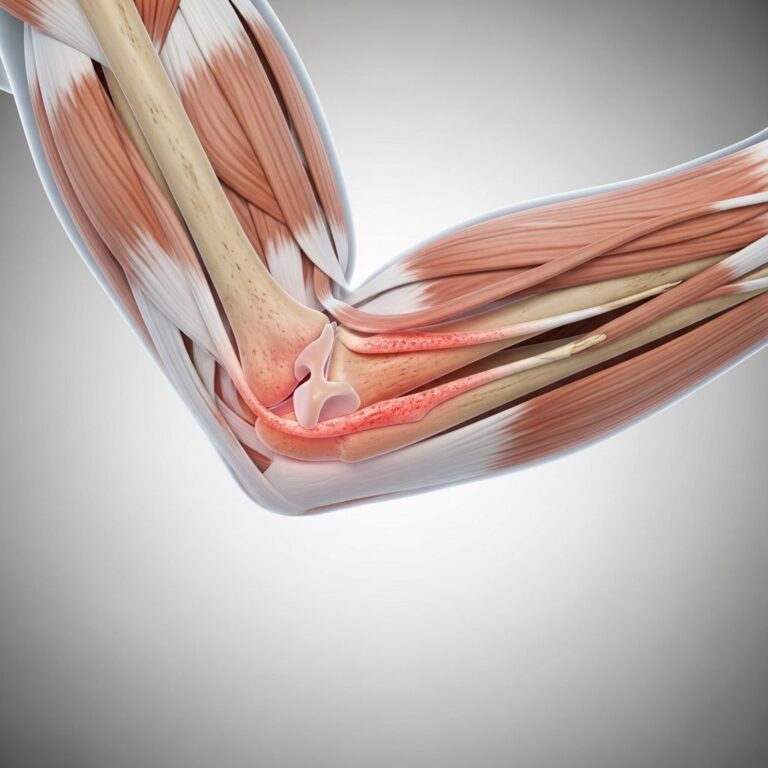
RA is a chronic inflammatory disorder where the body’s immune system mistakenly targets the synovium, the lining of the joints, causing painful swelling that can erode bone and cartilage over time. It typically affects small joints symmetrically, such as those in the hands and feet, and often starts insidiously with morning stiffness lasting over an hour. Systemic symptoms like fatigue and low-grade fever may precede joint issues by weeks. While joint symptoms are hallmark, up to 40% of patients experience extra-articular issues, especially in long-standing or severe cases. Early diagnosis via blood tests (e.g., rheumatoid factor, anti-CCP) and imaging allows for disease-modifying antirheumatic drugs (DMARDs) to slow progression.
1. Hearing Problems
RA can contribute to hearing loss and tinnitus, a persistent ringing or buzzing in the ears. These issues often emerge in older patients with longstanding RA. Inflammation may damage the inner ear’s blood vessels or ossicles (tiny ear bones), or autoimmune responses could target auditory structures. Studies show RA patients have a higher risk of sensorineural hearing loss, detectable via audiometry. If you notice gradual hearing decline or ear noises alongside joint symptoms, consult an ENT specialist. Management includes treating underlying RA aggressively and using hearing aids if needed.
2. Snoring and Sleep Apnea
Loud snoring, interrupted breathing, or daytime fatigue might signal obstructive sleep apnea (OSA), which is more prevalent in RA patients. A nationwide cohort study found RA increases OSA risk by 50-100%, possibly due to inflammation causing airway swelling or obesity from reduced mobility. OSA exacerbates RA fatigue and cardiovascular risks. Symptoms include gasping during sleep and poor sleep quality. A sleep study (polysomnography) confirms diagnosis; treatments like CPAP machines and weight management help alongside RA therapy.
3. Skin Rash
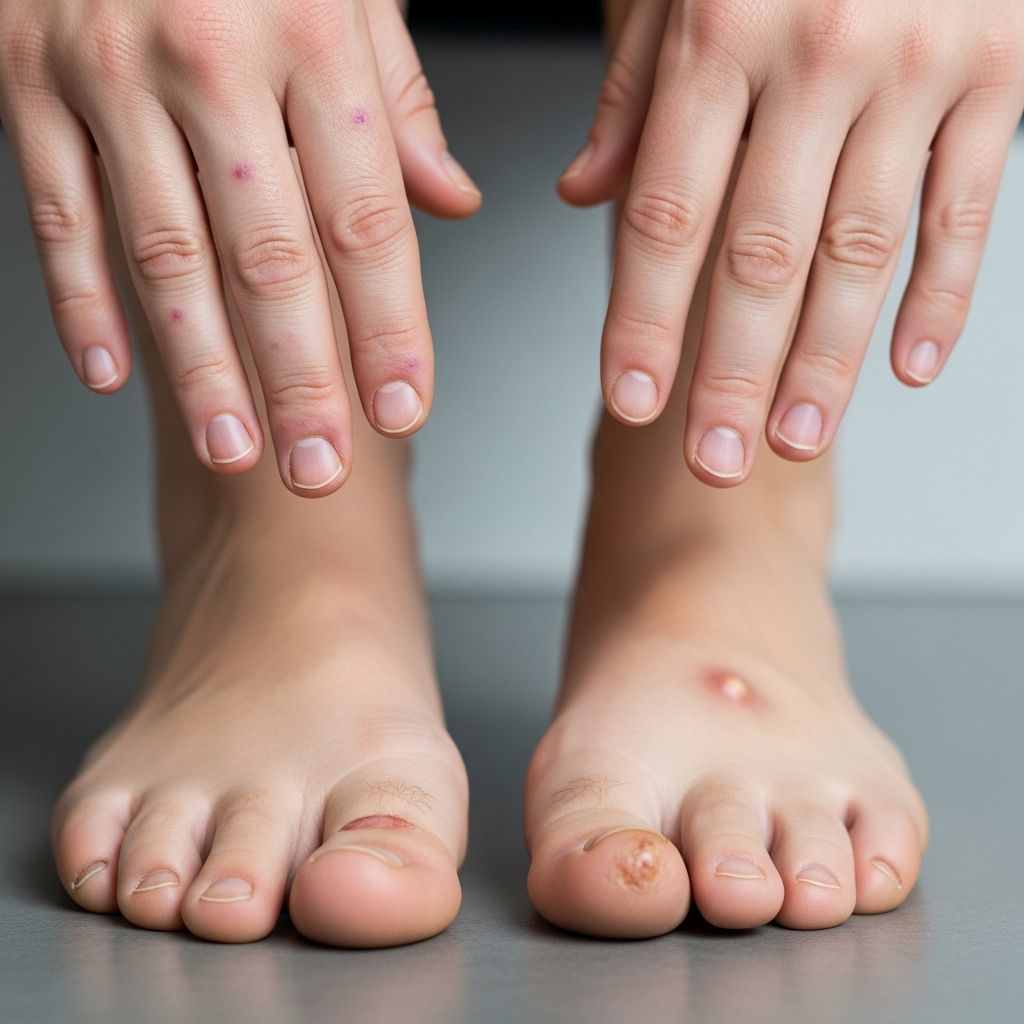
Rheumatoid vasculitis, where RA inflammation attacks blood vessels, can manifest as skin rashes. These appear as dark red/purple bumps, hives, or raised pink patches, often on the legs. On darker skin tones, color changes may be subtle, but ulcers or nailfold infarcts (small skin lesions near nails) are telltale. This affects about 1-5% of RA patients, more in those with high disease activity. Prompt vasculitis treatment with immunosuppressants prevents organ damage.
- Common rash types: Pinpoint petechiae, palpable purpura, urticaria.
- Risk factors: Long-duration RA, positive rheumatoid factor.
- Action: Biopsy confirms; steroids and biologics treat.
4. Trouble Breathing, Chronic Cough, or Chest Pains
Lung involvement is common in RA, affecting up to 20% of patients. Interstitial lung disease (ILD) causes scarring, leading to dry cough, shortness of breath, and fatigue. Pleural effusion (fluid around lungs) brings sharp chest pain worsened by breathing, often with fever. Rheumatoid nodules in lungs or infections from immunosuppression add risks. High-resolution CT scans diagnose; early RA control with DMARDs like methotrexate (monitored for lung toxicity) is key. Severe cases need oxygen or lung transplant evaluation.
Related Stories



5. Sudden, Temporary Numbness in Fingers or Toes
Raynaud’s phenomenon, triggered by RA, causes episodic numbness and color changes (white, blue, red) in extremities due to vasospasm. Cold or stress provokes attacks, with clear borders between affected and normal tissue. RA heightens risk via vasculitis or small vessel damage. Unlike primary Raynaud’s, secondary form in RA may lead to ulcers. Keep hands warm, avoid triggers, and use vasodilators like calcium channel blockers.
6. Gum Disease and Oral Issues
Periodontitis, or severe gum inflammation, links to RA through shared inflammatory pathways (e.g., Porphyromonas gingivalis bacteria). RA patients have 8 times higher periodontitis risk, worsening joint disease bidirectionally. Symptoms: Bleeding gums, loose teeth, bad breath. Good oral hygiene, regular dental visits, and RA treatment reduce progression. Sjogren’s syndrome overlap causes dry mouth (xerostomia), increasing decay risk.
7. Eye Problems
Recurrent red, painful eyes signal episcleritis or scleritis from RA vasculitis. Dry eyes (keratoconjunctivitis sicca) from Sjogren’s affect 10-15% of patients, causing grittiness and light sensitivity. Scleritis can scar corneas, threatening vision. Report vision changes immediately; topical steroids or immunosuppressants treat. Regular ophthalmology screening is advised for RA patients.
8. Numbness or Tingling
Peripheral neuropathy causes pins-and-needles in hands/feet from nerve compression (e.g., carpal tunnel by swollen wrists), vasculitis, or meds like methotrexate. Mononeuritis multiplex (multiple nerve damage) is severe. EMG tests diagnose; splints, gabapentin, or RA optimization help.
9. Other Systemic Manifestations
RA can cause fatigue, fever, weight loss, and heart issues like pericarditis. Anemia of chronic disease is common. Palindromic rheumatism (intermittent flares) may precede full RA. Deformities like swan-neck or ulnar deviation appear in advanced cases.
Rheumatoid Arthritis Symptoms Table
| Symptom Category | Common Signs | RA Link | Management |
|---|---|---|---|
| Joints | Morning stiffness >1hr, swelling | Synovitis | DMARDs, NSAIDs |
| Lungs | Cough, dyspnea | ILD, effusion | CT scan, biologics |
| Skin | Rash, ulcers | Vasculitis | Immunosuppressants |
| Eyes/Ears | Redness, hearing loss | Autoimmunity | Specialist referral |
| Nerves | Numbness, tingling | Compression/vasculitis | EMG, pain meds |
Frequently Asked Questions (FAQs)
Can RA cause hearing loss?
Yes, longstanding RA inflammation can damage ear structures, leading to hearing loss or tinnitus. Audiological evaluation is recommended.
Is skin rash a sign of RA complication?
Rashes from rheumatoid vasculitis indicate vessel inflammation; seek urgent care to prevent further damage.
Does RA affect the lungs?
Yes, up to 20% develop lung issues like ILD or effusions, causing cough and breathlessness.
What causes numbness in RA patients?
Nerve pinching from swollen joints or vasculitis; carpal tunnel is common.
Are eye problems common in RA?
About 10-15% have dry eyes or scleritis; prompt treatment preserves vision.
When to See a Doctor
Consult a rheumatologist if joint symptoms persist with any unusual signs like persistent cough, rashes, or numbness. Early treatment halts damage. Blood tests, X-rays, and ultrasounds aid diagnosis.
References
- 9 Unusual Symptoms Linked to Rheumatoid Arthritis — Arthritis-Health.com. 2023. https://www.arthritis-health.com/blog/9-unusual-symptoms-linked-rheumatoid-arthritis
- Rheumatoid Arthritis Signs and Symptoms — Johns Hopkins Arthritis Center. 2024-01-15. https://www.hopkinsarthritis.org/arthritis-info/rheumatoid-arthritis/ra-symptoms/
- Risk of obstructive sleep apnea in patients with rheumatoid arthritis — BMJ Open (PubMed). 2016-11-28. https://pubmed.ncbi.nlm.nih.gov/27899348/
Similar Articles








Read full bio of Sneha Tete