Upper Back Pain: Causes, Symptoms & Treatment
Complete guide to understanding, managing, and treating upper back pain effectively.
Understanding Upper Back Pain
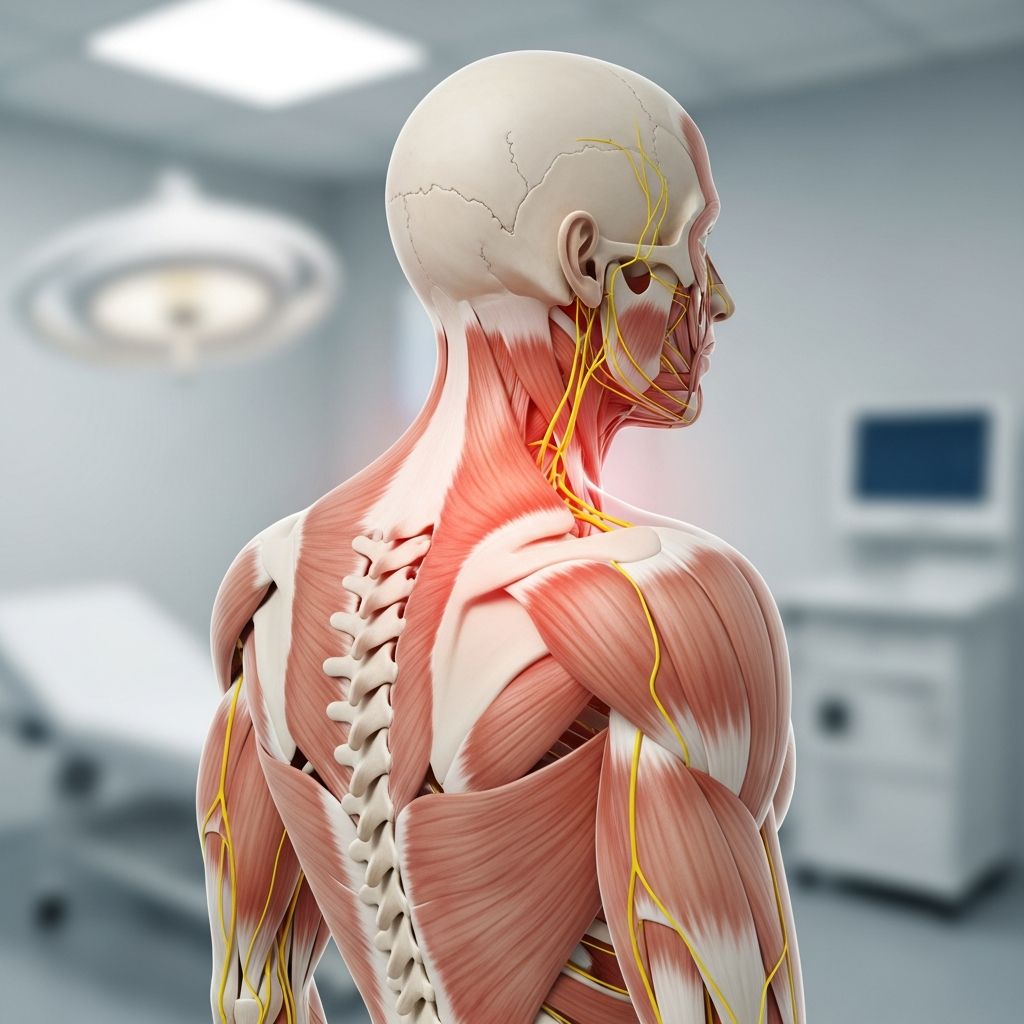
Upper back pain is a common health concern affecting millions of people worldwide. The upper back, also known as the thoracic spine, extends from the base of your neck to the bottom of your rib cage. This region consists of 12 vertebrae, numerous muscles, ligaments, and tendons that work together to support your posture, facilitate movement, and protect vital organs. When something goes wrong in this complex system, it can result in discomfort ranging from mild stiffness to severe, debilitating pain.
Most people experience upper back pain at some point in their lives, and the good news is that the majority of cases resolve on their own or respond well to conservative treatment. Understanding what causes your pain, recognizing the symptoms, and knowing when to seek professional help are essential steps toward recovery.
What Causes Upper Back Pain?
Upper back pain can originate from various sources, and identifying the underlying cause is crucial for effective treatment. The causes can be broadly categorized into mechanical issues, muscular problems, and sometimes more serious conditions.
Muscle Strain and Tension
One of the most common causes of upper back pain is muscle strain resulting from poor posture, repetitive motions, or sudden injuries. Many people develop upper back pain from spending long hours sitting at desks, hunching over computers, or carrying heavy bags on one shoulder. The muscles in your upper back have to work harder to compensate for poor positioning, leading to fatigue, tension, and eventual pain.
Poor Posture
Modern lifestyles contribute significantly to upper back pain. Forward head posture, rounded shoulders, and slouching place excessive strain on the muscles and ligaments supporting your upper back. Over time, these postural habits can create chronic pain and even lead to structural changes in the spine.
Injury and Trauma
Accidents, falls, sports injuries, or car accidents can cause acute upper back pain. These traumatic events may result in muscle strains, ligament sprains, or in more severe cases, disc injuries or fractures.
Degenerative Disc Disease
As we age, the discs between our vertebrae can deteriorate, losing their flexibility and cushioning ability. This degeneration can lead to upper back pain, especially when combined with certain movements or positions.
Spinal Stenosis
Spinal stenosis occurs when the space around the spinal cord narrows, potentially compressing nerves and causing pain. This condition can develop in the upper back and may cause radiating pain into the arms or shoulders.[10]
Other Possible Causes
Less common causes of upper back pain include arthritis, fibromyalgia, nerve compression, and in rare cases, serious conditions such as infections or malignancy. That’s why it’s important to have persistent pain evaluated by a healthcare provider.
Recognizing Symptoms of Upper Back Pain
Upper back pain manifests in different ways depending on its cause and severity. Recognizing these symptoms helps you understand when to seek medical attention.
Related Stories



Common Symptoms
Typical upper back pain symptoms include:
- Dull, aching pain between the shoulder blades
- Sharp or burning pain in specific areas
- Muscle stiffness and reduced range of motion
- Tightness across the shoulders
- Pain that worsens with certain movements or prolonged sitting
- Muscle spasms or involuntary muscle contractions
When to Seek Immediate Medical Attention
While most upper back pain is not serious, certain warning signs warrant immediate medical evaluation. These red flags include:
- Fever accompanied by back pain, suggesting possible infection
- Worsening pain that doesn’t improve with rest or medication
- Pain that radiates down your arms or legs
- Numbness, tingling, or weakness in your arms or hands
- Loss of bladder or bowel control
- Pain that disturbs your sleep or is unrelieved at rest
- Unexplained weight loss with back pain
How Upper Back Pain is Diagnosed
Accurate diagnosis is the foundation for effective treatment. Your healthcare provider will use various methods to determine the cause of your upper back pain.
Medical History and Physical Examination
Your provider will begin by asking detailed questions about your pain, including when it started, what makes it better or worse, and any injuries or trauma that preceded it. A thorough physical examination follows, during which your healthcare provider may assess your posture, palpate the affected area, and perform specific tests to evaluate muscle strength, flexibility, and neurological function. They may ask you to perform movements like lifting or bending to understand how motion affects your pain.
Imaging Tests
In many cases, upper back pain resolves without imaging studies. However, if your symptoms persist or your provider suspects a specific structural problem, they may order:
- X-rays: Show bone structure and can reveal fractures or arthritis
- Magnetic Resonance Imaging (MRI): Provides detailed images of soft tissues, discs, and nerves
- Computed Tomography (CT) scan: Offers cross-sectional images useful for detecting bone and complex structural issues
It’s important to note that imaging tests are rarely required for uncomplicated upper back pain and should be ordered only when clinically indicated.
Additional Tests
Depending on your symptoms and physical examination findings, your provider might recommend blood tests, nerve conduction studies, or electromyography to evaluate nerve function if radiculopathy or neuropathy is suspected.
Treatment Options for Upper Back Pain
Treatment for upper back pain varies based on the underlying cause, severity, and your individual circumstances. The good news is that most cases respond well to conservative management.
Home Remedies and Self-Care
For mild to moderate upper back pain, home remedies can be highly effective and should be the first line of treatment.
Over-the-Counter Medications
Nonsteroidal anti-inflammatory drugs (NSAIDs) such as ibuprofen (Motrin®) and acetaminophen (Tylenol®) can help reduce pain and inflammation. These medications are generally safe when used as directed and can facilitate your participation in rehabilitation exercises. Always follow the dosage instructions and consult your healthcare provider if you have underlying health conditions or take other medications.
Heat and Cold Therapy
Using a heating pad to reduce pain and stiffness is effective for many people, particularly for chronic upper back pain. Heat increases blood flow and helps relax tight muscles. Cold packs are more beneficial during the acute phase of injury, typically within the first 24 to 48 hours, to reduce swelling and numb acute pain. After this initial period, heat is usually more beneficial for managing pain and improving mobility.
Rest and Activity Modification
While rest can provide temporary relief, extended bed rest actually prolongs symptoms and delays recovery. Instead, focus on modified activity, returning to normal movements as tolerated. Gentle stretching and careful, purposeful movements can help maintain mobility and prevent stiffness. The key is finding a balance between adequate rest and gradually resuming activities.
Posture Improvement
Correcting your posture can significantly impact upper back pain recovery. Be mindful of how you sit at your desk, hold your phone, and carry bags. Ergonomic adjustments to your workspace, such as positioning your computer screen at eye level and keeping your shoulders relaxed, can prevent pain recurrence.
Physical Therapy and Exercise
Active, exercise-oriented rehabilitation is the cornerstone of effective upper back pain treatment. Physical therapy programs specifically targeting core stabilization and upper back strengthening can provide long-term relief and prevent future episodes. These programs are typically customized by a spine-oriented physical therapist based on your specific condition and needs.
Effective exercises may include:
- Stretching exercises to improve flexibility and reduce muscle tension
- Strengthening exercises to build core stability and support your spine
- Postural exercises to correct alignment and reduce strain
- Aerobic activities to improve overall fitness and reduce pain
Most people can perform these exercises at home without special equipment, though follow-up visits with a physical therapist help fine-tune your program and ensure proper technique.
Professional Medical Treatments
When conservative treatments alone don’t provide adequate relief, additional medical interventions may be necessary.
Prescription Medications
Your healthcare provider may prescribe muscle relaxants to reduce spasms, or anti-inflammatory medications stronger than over-the-counter options. In some cases, low-dose antidepressants like doxepin can improve sleep quality disrupted by chronic pain, thereby reducing overall pain perception. Anti-convulsants such as gabapentin may help manage nerve irritation symptoms like burning or numbness.
Injection Therapies
Epidural steroid injections can be highly effective for upper back pain related to nerve compression or spinal stenosis. These injections deliver powerful anti-inflammatory medication directly to the affected area, reducing irritation and providing relief that allows for more effective physical therapy.
When Surgery is Considered
Surgery is rarely needed for upper back pain and is typically considered only when conservative treatments fail and specific structural problems are identified. Procedures may include disc removal or spinal fusion in select cases. Your surgeon will discuss the risks and benefits with you thoroughly before recommending surgery.
Timeline for Recovery
Understanding realistic recovery expectations helps you stay motivated during treatment. Most acute upper back pain improves within 2 to 4 weeks with appropriate conservative care. Many people experience significant relief within just 2 weeks of starting treatment. However, chronic upper back pain may require longer treatment periods, typically several weeks to months of consistent rehabilitation.
The key to faster recovery is consistent adherence to your treatment plan, particularly physical therapy exercises. Skipping sessions or abandoning your rehabilitation program can significantly prolong your recovery timeline.
Comprehensive and Multidisciplinary Approach
For chronic, persistent, and disabling upper back pain, the most effective approach involves a multidisciplinary team. This team may include a physician specializing in spine care, a physical therapist, a pain management specialist, and potentially a psychologist or psychiatrist. This comprehensive approach addresses not only the physical aspects of pain but also the psychological and emotional factors that can intensify suffering and impede recovery.
Prevention Strategies
Preventing upper back pain is often easier than treating it. Consider implementing these preventive measures:
- Maintain proper posture throughout the day
- Take frequent breaks from sitting and stretch regularly
- Strengthen your core and back muscles through consistent exercise
- Use ergonomic furniture and equipment
- Lift heavy objects properly, using your legs rather than your back
- Manage stress through relaxation techniques and exercise
- Stay physically active and maintain a healthy weight
Frequently Asked Questions About Upper Back Pain
Q: How long does it take for upper back pain to go away?
A: Most cases of acute upper back pain improve within 2 to 4 weeks with appropriate conservative treatment. Chronic pain may take longer. Recovery depends on the underlying cause, severity, and your adherence to treatment recommendations.
Q: Is upper back pain ever a sign of something serious?
A: While most upper back pain results from muscle strain or poor posture, certain warning signs warrant immediate medical evaluation, including fever, severe worsening pain, numbness or weakness in the arms, and loss of bladder or bowel control. These symptoms may indicate serious conditions requiring urgent care.
Q: Can I exercise if I have upper back pain?
A: Yes, and exercise is actually beneficial. Gentle movements and physical therapy exercises help maintain mobility and promote healing. Avoid activities that significantly worsen your pain, but don’t let fear of pain prevent you from gradually resuming normal activities.
Q: Should I use heat or ice for upper back pain?
A: Use ice during the first 24 to 48 hours after an acute injury to reduce swelling. After this initial period, heat is typically more effective for managing pain and reducing muscle stiffness.
Q: Do I need imaging tests for upper back pain?
A: Imaging tests like X-rays or MRI are rarely necessary for uncomplicated upper back pain. Your healthcare provider will determine if imaging is needed based on your symptoms, physical examination findings, and the persistence of your pain.
Q: When should I see a healthcare provider for upper back pain?
A: Seek medical attention if your pain persists beyond 2 to 4 weeks, is accompanied by warning signs like fever or numbness, significantly impacts your daily activities, or doesn’t respond to home treatment. Don’t hesitate to contact your provider if you’re concerned.
Living with Upper Back Pain
If you’re experiencing upper back pain, remember that you’re not alone, and effective treatments are available. Living with chronic upper back pain can feel challenging, but with the right approach and professional support, you can manage your symptoms and maintain an active lifestyle. Your healthcare provider is your partner in this journey, ready to adjust your treatment plan based on your response and help you achieve the best possible outcomes.
References
- Attacking Back Pain With Medical Treatment — Cleveland Clinic Abu Dhabi. 2024. https://www.clevelandclinicabudhabi.ae/en/health-hub/health-resource/diseases-and-conditions/attacking-back-pain-with-medical-treatment
- Back Strains and Sprains — Cleveland Clinic. 2024. https://my.clevelandclinic.org/health/diseases/10265-back-strains-and-sprains
- Spinal Stenosis: What It Is, Causes, Symptoms & Treatment — Cleveland Clinic. 2024. https://my.clevelandclinic.org/health/diseases/17499-spinal-stenosis
- Back Spasms: Causes, Treatment & What Is It — Cleveland Clinic. 2024. https://my.clevelandclinic.org/health/diseases/22881-back-spasms
- Radiculopathy: Symptoms, Causes & Treatment — Cleveland Clinic. 2024. https://my.clevelandclinic.org/health/diseases/22564-radiculopathy
- Back Pain Causes, Treatment & Pain Relief — Cleveland Clinic. 2024. https://my.clevelandclinic.org/health/symptoms/back-pain
Similar Articles








Read full bio of medha deb