Upper Gastrointestinal Series: Complete Guide
Comprehensive overview of upper GI series imaging: procedure, preparation, risks, and diagnostic benefits.
Understanding Upper Gastrointestinal Series Imaging
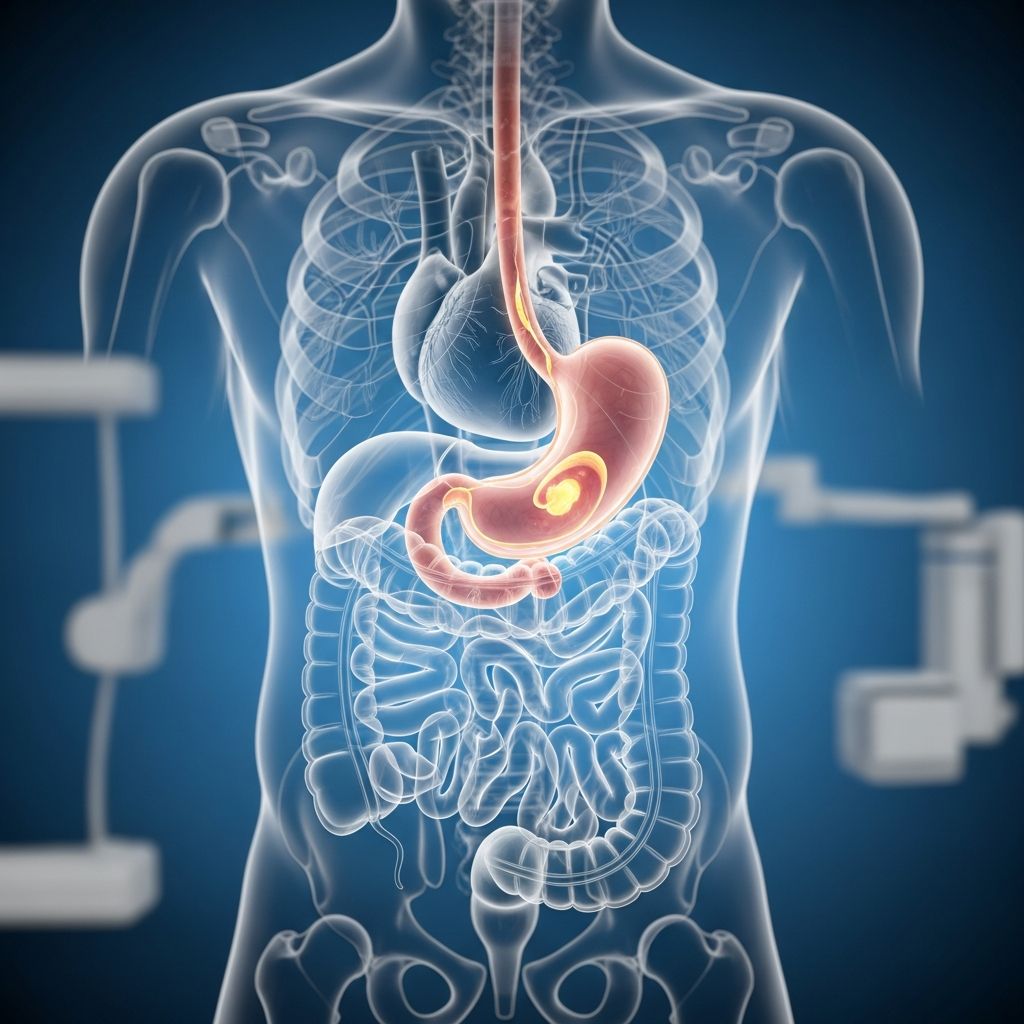
An upper gastrointestinal (GI) series is a diagnostic imaging procedure that uses specialized X-ray technology to examine your esophagus, stomach, and the first portion of your small intestine (duodenum). Also known as a barium swallow, this non-invasive test provides healthcare providers with detailed images of your upper digestive tract to identify abnormalities, functional problems, and structural issues. The procedure has been a cornerstone of gastrointestinal diagnostics for decades and remains an effective first-line imaging study for evaluating unexplained digestive symptoms.
What Is Fluoroscopy and How Does It Work?
An upper GI series relies on a specialized X-ray technique called fluoroscopy, which differs significantly from conventional static X-rays. Fluoroscopy produces real-time, moving images of your internal organs, similar to watching a movie rather than viewing a single photograph. This dynamic imaging capability allows radiologists to observe how your esophagus, stomach, and duodenum function during the actual process of swallowing and digestion.
During the procedure, a radiologist and radiologic technologist work together to guide you through the examination. The radiologist uses a fluoroscope—a specialized imaging device that projects radiographic images onto a monitor—to observe the progression of contrast material through your digestive tract. This real-time visualization enables the physician to assess both the structure and function of your upper GI organs simultaneously, providing comprehensive diagnostic information that static images alone cannot capture.
The Role of Barium Contrast Agent
The upper GI series requires you to ingest a contrast material called barium, a thick, white, chalky substance that is radiopaque—meaning it shows up clearly on X-ray images. Barium is essential because the soft tissues of your digestive tract are not naturally visible on standard X-rays. When you drink the barium solution, which typically resembles a light-colored milkshake, it coats the interior surfaces of your esophagus, stomach, and duodenum, making these organs distinctly visible on the fluoroscopic images.
An important characteristic of barium is that it is not absorbed into your bloodstream. Instead, it passes through your entire gastrointestinal tract and is excreted in your stool. This makes allergic reactions to barium extremely rare, and the substance poses minimal health risks. Many medical facilities offer barium solutions in various flavors, such as strawberry or chocolate, to make the procedure more tolerable for patients, particularly children.
Common Medical Indications for Upper GI Series
Healthcare providers order an upper GI series when patients present with unexplained symptoms or when specific gastrointestinal abnormalities are suspected. The test can help diagnose numerous conditions affecting the upper digestive tract:
Structural Abnormalities
The procedure can detect physical deformities and anatomical variations, including hiatal hernias (where part of the stomach protrudes through the diaphragm), intestinal malrotation (abnormal twisting of the intestine), and strictures (narrowing of the digestive tract due to scarring or inflammation).
Inflammatory Conditions
An upper GI series helps identify inflammation of the esophagus (esophagitis), stomach (gastritis), and duodenum (duodenitis). These conditions often result from acid reflux, infections, or autoimmune disorders and produce characteristic appearance changes on imaging studies.
Related Stories



Ulcerative Disease
The test can reveal peptic ulcers in the stomach and duodenum, showing their location, size, and appearance. Ulcers appear as crater-like lesions on the radiographic images and may indicate bacterial infection or other underlying conditions.
Neoplastic Disease
Upper GI series imaging can detect tumors and masses within the esophagus, stomach, or duodenum. While endoscopy provides superior detail for small lesions, fluoroscopic imaging can demonstrate how large masses affect the organ’s shape and function.
Functional Disorders
The dynamic nature of fluoroscopy makes it particularly valuable for assessing motility disorders, such as achalasia (failure of the esophagus to relax properly) or delayed gastric emptying, where the stomach does not propel food into the small intestine at a normal rate.
Other Findings
The procedure can also identify blockages, abnormalities of the muscular wall, scarring from previous surgery or inflammation, and other anatomical variations that may explain a patient’s symptoms.
Preparation Guidelines Before Your Procedure
Proper preparation is essential for obtaining high-quality images during an upper GI series. Following these guidelines ensures your digestive tract is clean and ready for visualization:
Fasting Requirements
You must have a completely empty stomach before the procedure. Typically, you will be instructed to avoid eating or drinking anything after midnight on the night before your examination. If your procedure is scheduled for the afternoon, you may be allowed a light breakfast many hours before the test, but confirm specific fasting guidelines with your healthcare provider or radiology department.
Medication Adjustments
Certain medications can interfere with the quality of your images. Your healthcare provider may ask you to temporarily discontinue antacids, histamine-2 blockers, or proton pump inhibitors for a specific period before the examination. Additionally, some medications that affect GI motility may need to be paused. Always inform your medical team about all medications and supplements you are taking.
Clothing and Personal Items
Wear comfortable, loose-fitting clothing that you can easily remove or adjust. The radiology department will provide you with a gown for the procedure. Remove all metal objects, including jewelry, watches, belts, and hearing aids, as these can create artifacts on X-ray images. Inform the technologist if you have any metallic implants or devices.
Arrival and Check-in
Arrive at the radiology facility at the time specified in your appointment confirmation. You will complete registration and may need to sign consent forms. Inform staff of any allergies, previous adverse reactions to contrast materials, or medical conditions such as pregnancy or kidney disease.
What to Expect During the Procedure
Initial Preparation
Once you are escorted to the fluoroscopy suite, the technologist will verify your identity and the examination ordered. You will have an opportunity to ask questions about the procedure and discuss any concerns. The radiologist will explain the procedure plan and obtain your informed consent before beginning.
Drinking the Contrast Material
You will be asked to drink 16 to 20 ounces (approximately 500-600 milliliters) of the barium suspension. The technologist may offer different flavoring options to improve palatability. Some facilities prepare the barium with effervescent crystals that create gas to expand your stomach, which helps improve visualization of certain structures. Drink the barium as directed by the technologist, taking it in measured amounts as instructed.
Positioning and Imaging
The radiologist will use the fluoroscope to observe the barium as it progresses through your esophagus and into your stomach. You will be positioned in various orientations—upright, recumbent, and oblique—to obtain images of different anatomical regions. The examination table may be tilted at different angles, and gentle compression of your abdomen may be applied to distribute the barium and visualize specific structures. Follow all positioning instructions provided by the technologist and radiologist.
Duration
A standard upper GI series typically requires 30 minutes to 2 hours to complete. Extended procedures may be necessary in some patients if the barium moves through the duodenum more slowly than expected. If your examination includes imaging of the entire small bowel (small bowel follow-through), the procedure may extend to 3 to 6 hours, with additional images obtained at intervals.
After Your Upper GI Series Examination
Immediate Post-Procedure
You may resume your normal diet and activities immediately after the procedure, unless otherwise instructed by your healthcare provider. Most patients experience no side effects from the barium or the radiation exposure associated with the X-rays.
Barium Clearance
Because barium is not absorbed, you will excrete it in your stool over the next several days. To facilitate clearance and prevent constipation, drink extra fluids and increase your dietary fiber intake. Your stool may appear light-colored or white for a few days as the barium is eliminated. Contact your healthcare provider if you experience constipation lasting more than a few days or if you have not seen a return to normal stool color within a week.
Results and Follow-up
The radiologist will review your images and create a detailed report that will be sent to your ordering physician. Your doctor will contact you with the findings and discuss any abnormalities detected and the recommended next steps in your care. If concerning findings are identified, your physician may recommend additional testing such as upper endoscopy, CT scanning, or other diagnostic procedures.
Benefits and Safety Profile
Advantages of Upper GI Series
The upper GI series offers several significant advantages as a diagnostic tool. It is a non-invasive procedure that requires no sedation or anesthesia, making it suitable for patients who cannot undergo more invasive procedures. The radiation exposure from the X-rays used is minimal and well within safe diagnostic levels. Barium is extremely safe, with allergic reactions being virtually non-existent. The procedure typically costs less than more advanced imaging modalities like CT or endoscopy and is widely available at most hospitals and imaging centers.
The real-time imaging capability of fluoroscopy uniquely allows physicians to observe organ function and motility, providing functional information that cannot be obtained from static imaging. For many gastrointestinal conditions, the upper GI series provides sufficient diagnostic information to guide treatment decisions or determine the need for further testing.
Radiation Considerations
X-ray examinations do involve radiation exposure, though the amount used in a standard upper GI series is small. No radiation remains in your body after the procedure. Healthcare providers carefully weigh the diagnostic benefits against radiation risks and typically recommend this procedure only when clinically indicated. Pregnant patients should inform their healthcare team before undergoing any X-ray procedure.
Barium Safety
Barium is remarkably safe for use in diagnostic imaging. True allergic reactions are extremely rare. However, in rare circumstances where barium enters the peritoneal cavity due to perforation of a hollow viscus, it can cause serious complications. This is why your healthcare provider will screen for symptoms suggestive of perforation before scheduling an upper GI series if perforation is a concern.
Upper GI Series Versus Upper Endoscopy
Both upper GI series (radiography) and upper endoscopy (esophagogastroduodenoscopy or EGD) examine the upper gastrointestinal tract but use fundamentally different approaches. The upper GI series is a radiologic procedure using X-rays to create images of your organs from outside your body. It is non-invasive, requires no sedation, and provides comprehensive visualization of the entire upper GI tract in a single procedure.
Upper endoscopy, by contrast, is an invasive procedure where a thin, flexible tube with a camera (endoscope) is passed down your throat into your esophagus, stomach, and duodenum. While endoscopy provides superior detail and allows direct visualization of the mucosal surface, it typically requires sedation and carries small but real risks of perforation or bleeding. However, endoscopy offers significant advantages: it allows the physician to obtain tissue biopsies for definitive diagnosis and to perform therapeutic interventions such as removing polyps or treating bleeding lesions.
In clinical practice, the upper GI series is often used as a first-line imaging study for patients with upper gastrointestinal symptoms. If the radiographic findings are inconclusive or if a biopsy is needed for definitive diagnosis, upper endoscopy is then performed as a complementary procedure. Both tests play important roles in the diagnostic evaluation of gastrointestinal disease.
Frequently Asked Questions
Q: Is the upper GI series painful?
A: No, the upper GI series is a painless procedure. You may experience mild discomfort from the positioning changes or the sensation of the barium in your stomach, but the procedure itself causes no pain. If you experience severe pain during the procedure, inform the technologist immediately.
Q: How long does it take to get my results?
A: The radiologist typically reviews the images while you are still in the radiology suite or shortly thereafter. A detailed report is usually available within 24 hours and will be sent to your ordering physician. Your doctor will then contact you to discuss the findings.
Q: Can I drive home after the procedure?
A: Yes, you can drive home immediately after the procedure since no sedation is used. You may resume normal activities, including driving, working, and exercise, unless your healthcare provider advises otherwise.
Q: What if I have a severe barium allergy?
A: True allergic reactions to barium are extremely rare. However, if you have a known severe allergy to barium or any component of the contrast material, inform your healthcare provider before the procedure. Alternative imaging studies such as ultrasound or CT scanning without barium may be considered.
Q: Is the upper GI series safe during pregnancy?
A: Radiation exposure during pregnancy poses potential risks. If you are pregnant or believe you might be pregnant, inform your healthcare provider and the radiology department. Your physician will determine whether the diagnostic benefits outweigh the risks or whether the procedure should be postponed until after delivery.
Q: Why do I need to fast before the procedure?
A: Fasting ensures your stomach is empty so the radiologist can obtain clear images of the stomach lining and observe normal stomach emptying. Food, liquid, or residual material in your stomach would obscure the images and compromise diagnostic accuracy.
References
- Upper Gastrointestinal Tract Radiography: Barium Swallow — Radiology Info, American College of Radiology. 2024. https://www.radiologyinfo.org/en/info/uppergi
- Upper GI Series: Definition, Procedure & Tests — Cleveland Clinic. 2024. https://my.clevelandclinic.org/health/diagnostics/22451-upper-gi-series
- Upper GI Series Preparation, Safety Tips & Side Effects — UCSF Radiology. 2024. https://radiology.ucsf.edu/patient-care/prepare/ugi-series
- Upper GI and Small Bowel Series — UCSF Benioff Children’s Hospitals. 2024. https://www.ucsfbenioffchildrens.org/medical-tests/upper-gi-and-small-bowel-series
- Upper GI Series with Small Bowel Follow Through — Children’s Hospital of Philadelphia. 2024. https://www.chop.edu/treatments/upper-gi-small-bowel-series
- Upper Gastrointestinal Series — Memorial Sloan Kettering Cancer Center. 2024. https://www.mskcc.org/cancer-care/patient-education/upper-gi-series
Similar Articles








Read full bio of Sneha Tete