Upper GI Endoscopy: Procedure, Benefits, and What to Expect
Complete guide to upper GI endoscopy: understanding the procedure, preparation, and recovery.
Understanding Upper GI Endoscopy
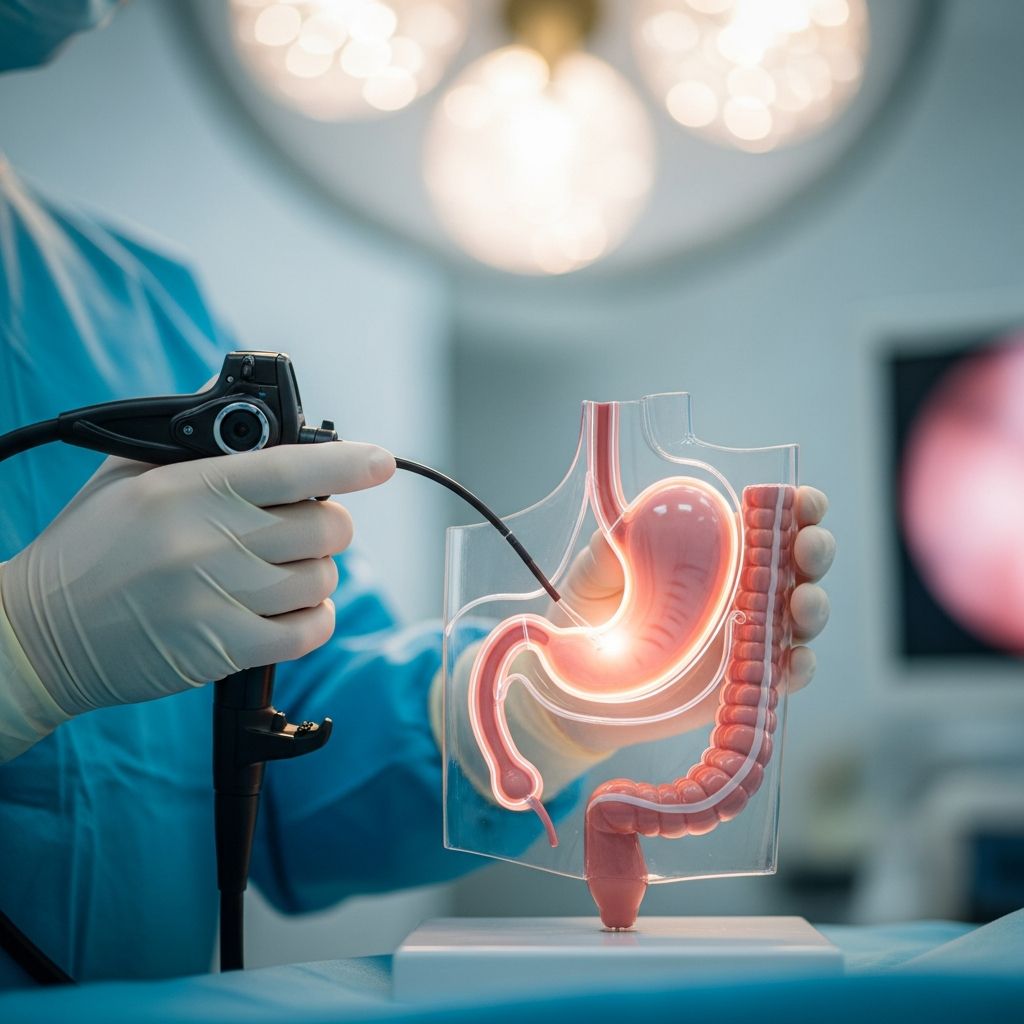
Upper gastrointestinal endoscopy is a specialized medical procedure that allows physicians to directly visualize the interior lining of your upper digestive tract. The procedure uses a thin, flexible tube called an endoscope, which is equipped with a high-definition camera and bright lighting system. This instrument enables doctors to examine the esophagus (food pipe), stomach, and duodenum (the first portion of the small intestine) with remarkable precision.
The term “upper GI endoscopy” is often used interchangeably with other medical names for this procedure. Healthcare providers may refer to it as an EGD (esophagogastroduodenoscopy), upper endoscopy, or simply endoscopy. Regardless of the terminology used, all these names refer to the same diagnostic and therapeutic procedure that has become a cornerstone of modern gastroenterology.
What Conditions Can Upper GI Endoscopy Diagnose and Treat?
Upper GI endoscopy serves both diagnostic and therapeutic purposes, making it an invaluable tool in modern medicine. Physicians recommend this procedure for various clinical scenarios and patient presentations.
Diagnostic Applications
Doctors use upper GI endoscopy to investigate unexplained symptoms affecting the digestive system. When patients experience persistent heartburn, chronic pain in the upper abdomen, difficulty swallowing, or recurrent vomiting, endoscopy helps identify the underlying cause. The procedure is particularly useful for patients with symptoms that don’t respond to standard medical management.
Additionally, upper GI endoscopy is instrumental in identifying specific diseases and health conditions. Physicians use this procedure to diagnose gastroesophageal reflux disease (GERD), celiac disease, Barrett’s esophagus, and various malignancies affecting the upper digestive tract. The ability to directly visualize tissue abnormalities and obtain tissue samples for laboratory analysis makes endoscopy significantly more informative than imaging studies alone.
Therapeutic Applications
Beyond diagnosis, upper GI endoscopy enables physicians to perform therapeutic interventions without requiring surgery. Common therapeutic uses include removing polyps and other abnormal growths, treating bleeding ulcers, and managing various gastrointestinal conditions. Specialized instruments passed through the endoscope allow doctors to perform tissue removal, inject medications, and even conduct certain weight-loss procedures.
The Upper GI Endoscopy Procedure: Step-by-Step
Pre-Procedure Preparation
Proper preparation is essential for a successful endoscopy. Most patients are required to fast for 6-8 hours before the procedure, typically avoiding food and drinks from midnight if the procedure is scheduled for morning hours. This fasting ensures that the stomach is empty, providing clear visualization of the stomach lining and reducing aspiration risks.
Before the procedure begins, patients may receive a sedative medication or have a local anesthetic sprayed on the back of their throat to numb the area and suppress the gag reflex. A healthcare professional will place an intravenous (IV) line in the arm or hand to administer sedative medications and maintain venous access throughout the procedure. Some patients may proceed without sedation, depending on their medical history and preferences.
Related Stories



Additional preparatory steps include removing dentures or false teeth and placing a small plastic mouth guard between the teeth to protect them during the procedure. Medical staff will also monitor vital signs including pulse and blood oxygen levels using a small clip placed on the finger.
During the Procedure
Once preparation is complete, the patient is positioned lying on their left side on an examination table. The gastroenterologist will carefully introduce the endoscope into the mouth and guide it down the esophagus. Many patients are instructed to swallow gently to facilitate the passage of the tube. Although the endoscope is flexible and relatively thin, some patients may initially experience a retching sensation as the tube passes through the throat. However, the numbing medication prevents pain, and most patients tolerate the procedure remarkably well.
The endoscope does not interfere with breathing, as the tube passes through the esophagus separate from the airway. Many patients actually fall asleep during the procedure due to the sedative medications. During the examination, the physician systematically examines the lining of the esophagus, stomach, and duodenum using the camera. Air is gently introduced through the endoscope to inflate the stomach, allowing better visualization of the stomach walls and any abnormalities.
The video images from the endoscope are transmitted to a high-resolution monitor that the physician watches throughout the procedure. Any excess saliva is removed using a fine suction tube to maintain clear visualization. The entire examination typically takes 10 to 20 minutes, though more complex therapeutic procedures may require additional time.
During-Procedure Interventions
While performing the endoscopy, physicians may perform several therapeutic and diagnostic interventions:
- Tissue Sampling: Small tissue samples, cells, or fluid may be collected from the upper GI tract using miniature tweezers or specialized instruments passed through the endoscope. Patients do not feel tissue collection, and samples are sent to a laboratory for pathological examination.
- Hemostasis: If bleeding is identified from ulcers or other sources, the physician can inject medications or use thermal methods to stop the bleeding without requiring surgery.
- Structural Interventions: The endoscope can be used to open up narrowed sections of the esophagus, remove polyps, or perform other corrective procedures.
- Photography and Documentation: Photographs and videos are routinely captured during the procedure to document findings and assist with diagnosis and treatment planning.
Recovery and Post-Procedure Expectations
Immediate Recovery
After the endoscope is withdrawn, recovery begins immediately. The physician will suction out most of the air that was introduced into the stomach during the procedure, though some gas may remain. This residual gas typically passes within a day as natural intestinal movement occurs.
Because of the sedative medications used, patients cannot drive or operate machinery for the remainder of the day. Patients should arrange for a responsible adult to provide transportation home. The numbing effect of the local anesthetic typically wears off within 30 minutes to an hour after the procedure.
Common Side Effects
Most patients experience minimal side effects following upper GI endoscopy. Common, temporary side effects may include:
- Bloating and abdominal distension from residual gas
- Passing gas (belching or flatulence) as the stomach returns to normal
- Mild sore throat for 24-48 hours as the numbing agent wears off
- Mild fatigue from the sedative medications
These effects are generally mild and self-limiting. Cold foods and cold drinks can help soothe a sore throat in the hours following the procedure. Most patients are able to resume their normal diet within a few hours, though healthcare providers may recommend specific dietary guidelines for the first few days.
When to Seek Medical Attention
While serious complications are rare, patients should contact their healthcare provider if they experience severe abdominal pain, persistent vomiting, difficulty swallowing, chest pain, or signs of infection such as fever. Any unusual symptoms should be reported to the medical team.
Understanding Your Results
After the procedure is complete, the gastroenterologist will discuss preliminary findings with the patient. However, if tissue samples were collected, final results may not be available for several days as the samples undergo laboratory analysis. Patients typically receive a detailed report that explains findings, any diagnoses made, and recommendations for follow-up care or treatment.
Risks and Considerations
Upper GI endoscopy is considered a safe procedure when performed by experienced gastroenterologists. However, as with any medical procedure, rare complications can occur. These may include bleeding (particularly if biopsies were taken or polyps removed), perforation of the esophagus or stomach, infection, or reactions to sedative medications. The risk of serious complications is generally less than 1 in 1000 procedures. Patients with specific medical conditions, medication allergies, or bleeding disorders should inform their healthcare team before the procedure so appropriate precautions can be taken.
Frequently Asked Questions
Q: Is upper GI endoscopy painful?
A: No. While patients may experience mild discomfort or a sensation of pressure, the procedure is not painful. The numbing spray prevents pain in the throat, and sedative medications ensure patient comfort throughout the examination.
Q: How long does the procedure take?
A: The actual examination typically takes 10 to 20 minutes for a diagnostic procedure. Therapeutic procedures may take longer. Total time at the facility, including preparation and recovery, usually ranges from 1-2 hours.
Q: Will I remember the procedure?
A: Due to the sedative medications, many patients have little or no memory of the procedure. This is normal and expected. Some patients may recall fragments of the experience.
Q: Can I eat after the procedure?
A: Most patients can resume eating within a few hours after the procedure once the numbing agent has worn off. Your doctor will provide specific dietary recommendations based on what was found during your endoscopy.
Q: How soon will I get my results?
A: Preliminary results are usually available immediately after the procedure. However, if biopsies were taken, final pathology results may take several days. Your doctor will contact you with complete findings.
Q: Can upper GI endoscopy replace other diagnostic tests?
A: In many cases, upper GI endoscopy provides more definitive information than other tests like X-rays or CT scans because it allows direct visualization and tissue sampling. However, the need for additional tests depends on individual clinical circumstances.
Choosing an Experienced Provider
When scheduling an upper GI endoscopy, it’s important to select an experienced gastroenterologist or hospital center with a strong track record for safety and patient satisfaction. Ask about the provider’s experience with the specific condition being investigated and their complication rates. Teaching hospitals and accredited endoscopy centers typically maintain high safety standards and employ the latest equipment and techniques.
Conclusion
Upper GI endoscopy represents a significant advancement in gastroenterology, offering physicians a direct window into the upper digestive tract for both diagnosis and treatment. Its safety profile, combined with its diagnostic accuracy and therapeutic capability, makes it an indispensable tool in modern medicine. Whether investigating unexplained symptoms or treating known conditions, upper GI endoscopy allows for precise identification and management of upper gastrointestinal disorders. If your healthcare provider has recommended this procedure, you can approach it with confidence, knowing that it is a well-established, safe, and effective medical intervention.
References
- Upper GI Endoscopy — National Institute of Diabetes and Digestive and Kidney Diseases (NIDDK). 2023. https://www.niddk.nih.gov/health-information/diagnostic-tests/upper-gi-endoscopy
- EGD Procedure (Upper Endoscopy) — Cleveland Clinic. 2024. https://my.clevelandclinic.org/health/procedures/22549-egd-procedure-upper-endoscopy
- Upper Gastro-Intestinal (GI) Endoscopy — North Tees and Hartlepool NHS Foundation Trust. 2024. https://www.nth.nhs.uk/resources/upper-gastro-intestinal-gi-endoscopy
- Upper Gastrointestinal Endoscopy — Nuffield Health. 2024. https://www.nuffieldhealth.com/tests-scans/upper-gastrointestinal-endoscopy
- Understanding Upper Endoscopy and Colonoscopy — Dana-Farber Cancer Institute. 2024. https://www.dana-farber.org/health-library/understanding-upper-endoscopy-colonoscopy
Similar Articles








Read full bio of Sneha Tete