Upper Respiratory Infection: Symptoms, Causes, Treatment Guide
Comprehensive guide to upper respiratory infections: symptoms, causes, treatments, prevention, and when to seek medical help.
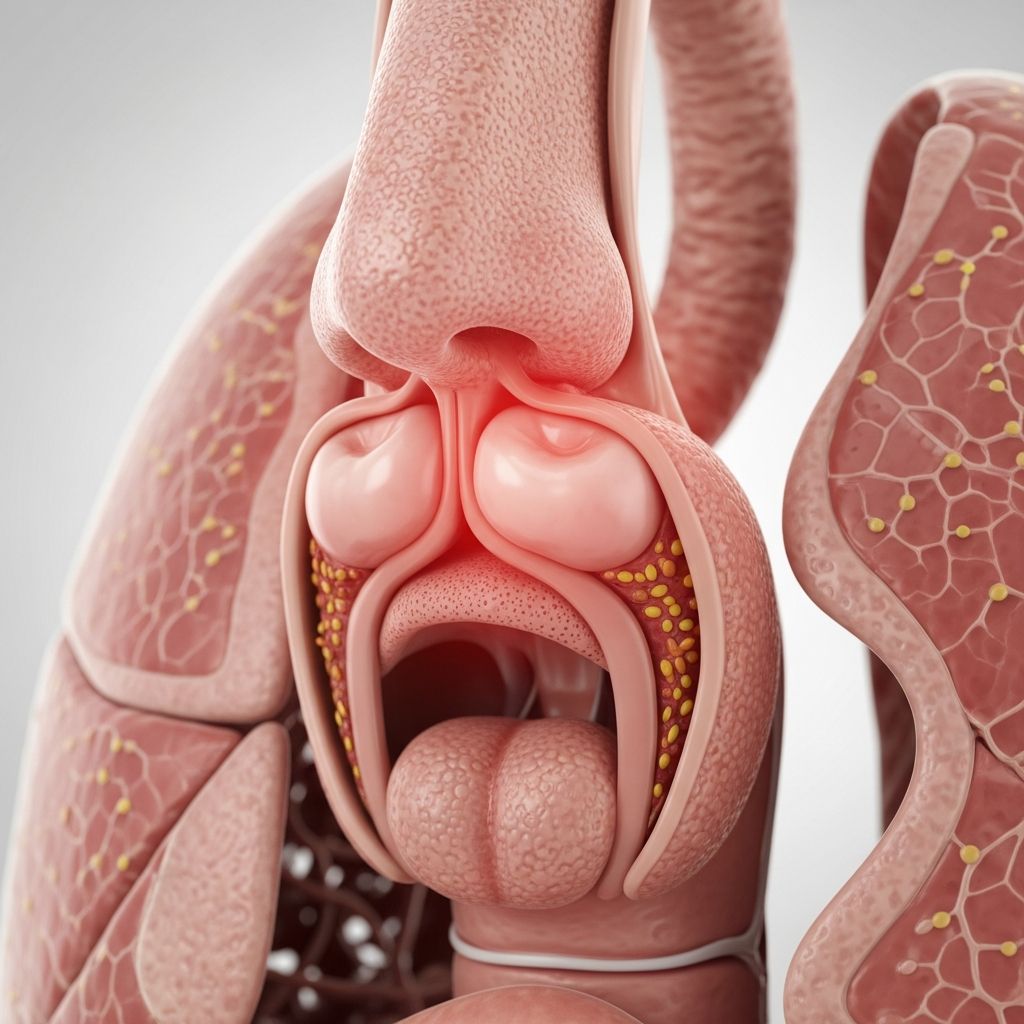
Upper respiratory infections (URIs), often called the common cold, affect the nose, throat, and sinuses. These infections are primarily viral, self-limiting, and impact millions annually with symptoms like congestion and cough.
What Is an Upper Respiratory Infection?
An
upper respiratory infection (URI)
targets the upper respiratory tract, including the nasal passages, sinuses, pharynx, and larynx above the vocal cords. Unlike lower respiratory infections like pneumonia, URIs rarely penetrate the lungs directly.Most URIs manifest as the common cold, a mild, self-limited illness caused by over 200 viruses, predominantly rhinoviruses. Adults experience 2-4 colds yearly, while children get more due to developing immunity. Globally, URIs are the most common infectious diseases, causing significant productivity loss estimated at $60 billion annually in the U.S..
URIs differ from lower respiratory tract infections by location: upper involves airways from nostrils to vocal cords; lower affects trachea, bronchi, and lungs.
Symptoms of Upper Respiratory Infections
Symptoms emerge 1-3 days post-exposure and last 7-10 days, though cough may persist weeks. Common signs include:
- **Runny or stuffy nose** (rhinorrhea, starting clear then thickening to yellow/green)
- **Sore throat** (pharyngitis from inflammation)
- **Cough** (mild, hacking, post-nasal drip induced)
- **Sneezing** and watery eyes
- **Headache, low-grade fever** (<101°F), chills, fatigue
- **Congestion** causing breathing difficulty
Symptom severity varies by pathogen and host factors. Rhinovirus induces innate immune responses like cytokine release, causing malaise without direct cell damage. Infants, elderly, or immunocompromised may face worse symptoms.
Causes of Upper Respiratory Infections
**Viruses** cause 90-95% of URIs:
- Rhinovirus: Most common, responsible for common cold
- Coronavirus, adenovirus, parainfluenza, RSV, enterovirus: Also frequent
Bacteria (e.g., group A Streptococcus in strep throat) or fungi cause rarer cases, especially in immunocompromised. Transmission occurs via:
- Droplets from coughs/sneezes
- Contaminated surfaces (fomites), self-inoculation to nose/eyes
- Aerosols
Incubation: 1-4 days for rhinovirus. Risk factors: stress, poor sleep, smoking, malnutrition impair immunity.
Diagnosis
Providers diagnose URIs clinically via symptoms. Tests include:
- Nasal swab/throat culture for flu, strep, COVID-19
- Rapid antigen tests if bacterial suspected
Common cold viruses aren’t routinely tested due to hundreds of strains. Differential includes allergies, influenza, COVID-19, pertussis. Coexistence of rhinorrhea and cough suggests viral URI.
Treatment
No cure for viral URIs; focus on symptom relief and rest. Self-limited, resolving in 7-10 days.
Home Remedies and Over-the-Counter Options
- Decongestants (pseudoephedrine) for congestion
- Pain relievers (acetaminophen/ibuprofen) for fever, aches
- Antihistamines** (loratadine) for runny nose, sneezing
- Cough suppressants** (dextromethorphan), expectorants (guaifenesin)
- Saline nasal sprays**, humidifiers, honey (for cough in kids >1yr)
Antibiotics ineffective** against viruses; reserve for confirmed bacterial (e.g., strep). Avoid in viral cases to prevent resistance.
Lifestyle Measures
- Hydrate, rest
- Gargle salt water for throat
- Steam inhalation, elevate head
| Symptom | Treatment | Notes |
|---|---|---|
| Congestion | Decongestants, saline spray | Avoid in infants, glaucoma pts |
| Sore throat | Lozenges, ibuprofen | Honey for cough |
| Fever | Acetaminophen | Monitor in infants |
| Cough | Expectorants, humidifier | Persists 2-3 wks normal |
Related Stories



Prevention
Prevent via hygiene:
- Handwashing** (20s soap/water or sanitizer)
- Avoid face touching
- Cover coughs/sneezes (elbow/tissue)
- Disinfect surfaces
- Avoid sick contacts
Vaccines for flu, COVID-19, RSV reduce URI risk. No rhinovirus vaccine. Boost immunity: sleep, nutrition, no smoking.
Complications
Most URIs uncomplicated, but risks include:
- Sinusitis, otitis media** (ear infection)
- Pneumonia** if descends to lungs
- Bronchitis, croup** in kids
- Sepsis in untreated bacterial/fungal
High-risk groups: >65, infants, immunocompromised, chronic lung disease. Watch for worsening: high fever (>104°F), breathing difficulty, dehydration.
When to See a Doctor
Seek care if:
- Symptoms >10 days or worsen
- High fever >3 days, esp. infants (>100.4°F <12wks)
- Severe headache, neck stiffness
- Shortness of breath, wheezing
- Ear pain, facial swelling
- Dehydration (no tears, dry mouth)
- Pre-existing conditions exacerbate
Urgent for rapid breathing, blue lips, confusion.
Frequently Asked Questions (FAQs)
Are upper respiratory infections contagious?
Yes, viral URIs spread via droplets, fomites; peak contagious days 1-3. Fungal not contagious.
How long does a URI last?
7-10 days typically; cough up to 3 weeks.
Can URIs be bacterial?
Mostly viral (90+%); bacterial like strep rarer, needs testing.
Is it okay to exercise with a URI?
Mild “neck-up” symptoms yes; avoid if chest symptoms, fever.
Do antibiotics help colds?
No, worsen resistance; only for bacterial confirmation.
Outlook
URIs resolve without treatment in healthy people. Recurrent in winter due to indoor crowding, low humidity. Education reduces unnecessary antibiotics, visits. High-risk need monitoring.
References
- Upper Respiratory Infection (URI) — Cleveland Clinic. 2023-10-12. https://my.clevelandclinic.org/health/diseases/4022-upper-respiratory-infection
- Upper Respiratory Tract Infections With Focus on The Common Cold — NCBI Bookshelf (StatPearls). 2023-07-17. https://www.ncbi.nlm.nih.gov/books/NBK532961/
- Upper Respiratory Infection — Baylor Scott & White Health. 2024-01-15. https://www.bswhealth.com/conditions/upper-respiratory-infection
- About Respiratory Illnesses — Centers for Disease Control and Prevention (CDC). 2025-09-01. https://www.cdc.gov/respiratory-viruses/about/index.html
Similar Articles








Read full bio of medha deb