Urea Cream: 6 Skin Conditions It Treats Effectively
Discover how urea cream hydrates, exfoliates, and treats dry, scaly skin conditions effectively.
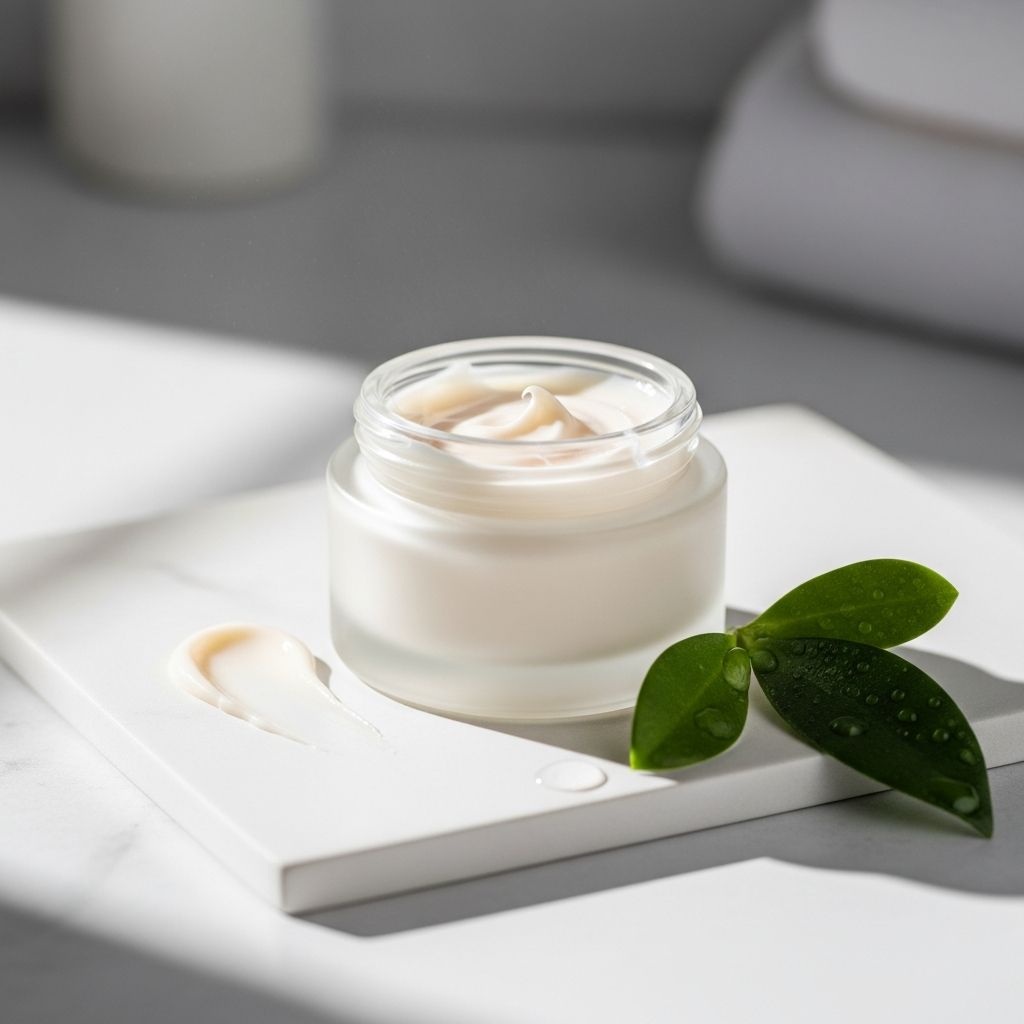
Urea cream stands out as a highly effective topical treatment for addressing a range of skin concerns rooted in dryness, roughness, and scaling. Naturally occurring in the body, urea acts as a potent humectant that draws moisture into the skin while also serving as a keratolytic agent to gently dissolve excess dead skin cells. This dual action makes it invaluable for managing chronic skin conditions and everyday dryness.
The Science Behind Urea’s Skin Benefits
Urea, a key component of the skin’s natural moisturizing factor, helps regulate keratinocyte proliferation—the process by which skin cells renew themselves. It enhances the skin’s barrier function by promoting the expression of essential proteins like filaggrin, loricrin, and transglutaminase-1, which are crucial for maintaining hydration and defense against environmental stressors. Studies show that urea formulations significantly reduce transepidermal water loss (TEWL), boost stratum corneum hydration, and improve water-binding capacity, particularly in eczematous skin.
In clinical settings, urea has demonstrated antibacterial and proteolytic properties, originally used for wound treatment. Today, its role extends to optimizing the penetration of other topical medications, such as corticosteroids and antifungals, making it a versatile enhancer in dermatological therapies.
Understanding Urea Concentrations and Their Effects
The effectiveness of urea cream depends on its concentration, which determines whether it primarily hydrates or exfoliates. Lower strengths focus on moisture retention, while higher ones target thicker, hardened skin.
| Concentration | Primary Effects | Common Uses |
|---|---|---|
| 2%-10% | Strong hydration, mild softening | Xerosis, atopic dermatitis prevention, healthy skin maintenance, radiation dermatitis |
| 10%-30% | Hydration + keratolytic action, drug penetration aid | Ichthyosis, psoriasis, eczema, seborrheic dermatitis |
| 30%-50% | Intense keratolysis, protein breakdown | Calluses, corns, thick plaques, ingrown nails, severe heel cracks |
This tiered approach allows for tailored treatment. For instance, a 10% urea cream has been shown to hydrate the skin effectively, while 20%-30% versions reduce itching and keratin buildup. High concentrations above 40% act proteolytically, breaking down tough proteins in hyperkeratotic areas.
Key Skin Conditions Treated with Urea Cream
- Atopic Dermatitis (Eczema): Urea improves barrier function and antimicrobial defense, reducing flare-ups in murine models and human trials.
- Ichthyosis: Formulations decrease scaling, pruritus, and xerosis, with visible improvements in skin texture via microscopy.
- Psoriasis: Targets scaly plaques, enhancing penetration of other therapies.
- Xerosis and Keratosis Pilaris: Softens rough bumps and dry patches for smoother skin.
- Athlete’s Foot and Nail Infections: Boosts antifungal efficacy and softens nails.
- Calluses, Corns, and Heel Cracks: High-strength urea exfoliates thickened skin safely.
Beyond these, urea aids in hand-foot skin reactions from cancer drugs like sorafenib, reducing incidence and improving quality of life in large RCTs.
How to Incorporate Urea Cream into Your Routine
Start with clean, dry skin. Apply a thin layer to affected areas once or twice daily, massaging gently. For high concentrations (over 20%), use occlusive dressings overnight to enhance absorption, but test on a small patch first to check tolerance. Pair low-strength urea with daily moisturizers for maintenance, and combine higher strengths with emollients to prevent irritation.
Foot care routine example:
- Soak feet in warm water for 10 minutes.
- Apply 20%-40% urea cream liberally.
- Cover with socks or plastic wrap for 1-2 hours.
- Follow with a plain moisturizer.
Related Stories



Consistency yields results within 1-2 weeks. For nails, file gently before application to improve penetration.
Safety Profile and Potential Side Effects
Urea creams are generally well-tolerated across concentrations, with low systemic absorption due to its water-soluble nature. Common mild effects include stinging, burning, or redness, especially on broken skin or at strengths above 20%. These often subside with continued use or dilution.
Rarely, allergic reactions occur. Avoid if you have urea cycle disorders or open wounds unless directed. Pregnant or breastfeeding individuals should consult a doctor. High-strength products may increase sensitivity to sunlight, so use sunscreen.
Comparing Urea Cream to Other Moisturizers
| Ingredient | Key Benefit | Best For | Drawbacks |
|---|---|---|---|
| Urea | Hydration + exfoliation | Scaly, thick skin | Potential sting |
| Glycerin | Humectant | Mild dryness | No keratolysis |
| Salicylic Acid | Strong keratolytic | Acne, warts | More irritating |
| Hyaluronic Acid | Deep hydration | Dehydrated skin | Surface-level only |
Urea’s unique combination sets it apart for conditions needing both moisture and debridement.
Advanced Applications and Emerging Research
Recent studies explore urea’s role in wound healing, where it accelerates regeneration in chronic ulcers via proteolytic action. In oncology, prophylactic 10% urea prevents severe skin toxicities from targeted therapies. Future directions include urea-enhanced drug delivery for nails and deeper skin layers, plus potential in renal disease adjunct therapy.
A double-blind study confirmed 20% urea reduces TEWL significantly in healthy skin, underscoring its preventive potential.
Frequently Asked Questions (FAQs)
Can urea cream be used on the face?
Yes, but opt for 5%-10% strengths to avoid irritation on sensitive facial skin. It’s excellent for dry patches but patch-test first.
Is urea cream safe for children?
Low concentrations (under 10%) are suitable for pediatric eczema under medical guidance. Avoid high strengths.
How long does it take to see results for calluses?
Visible softening in 3-7 days with daily 40% application; full resolution in 2-4 weeks.
Does urea cream expire?
Typically lasts 2-3 years unopened. Check for changes in color or odor; discard if present.
Can I use urea with retinoids?
Alternate days to minimize irritation, as both exfoliate.
Choosing the Right Urea Product
Select based on needs: OTC for mild issues (10%-20%), prescription for severe cases (40%+). Look for fragrance-free formulas with added emollients like shea butter for comfort. Brands vary, but efficacy ties to concentration.
References
- Urea in Dermatology: A Review of its Emollient, Moisturizing … — PMC. 2021-11-12. https://pmc.ncbi.nlm.nih.gov/articles/PMC8611129/
- What is Urea and Its Benefits for Skin — RegenOMedix. 2023. https://regenomedix.com/what-is-urea/
- Urea in Lotion and Cream: Benefits, Side Effects, How to Use It — Healthline. 2023-05-15. https://www.healthline.com/health/beauty-skin-care/urea-in-lotion
- What to Know About Urea Cream: Over-the-Counter Uses, Strengths … — GoodRx. 2024-08-20. https://www.goodrx.com/urea/urea-cream-10-20-40-over-the-counter-strengths
- The benefits and use of urea in skin care — Medical News Today. 2023-10-10. https://www.medicalnewstoday.com/articles/urea-in-skincare
- Urea Is the Powerful Skin Care Ingredient You Might Not Know About — Consumer Reports. 2024-02-05. https://www.consumerreports.org/health/urea-powerful-skin-care-ingredient-benefits-dosage-a4672668233/
Similar Articles








Read full bio of Sneha Tete