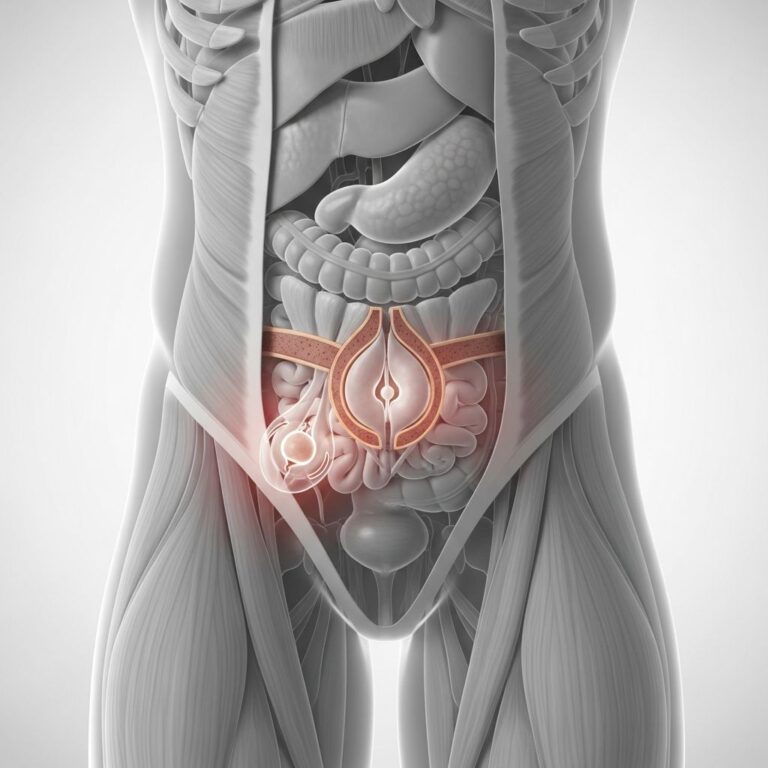
Ureteral Stones: Causes, Symptoms & Treatment
Complete guide to ureteral stones: understanding symptoms, diagnosis, and effective treatment options.
Understanding Ureteral Stones
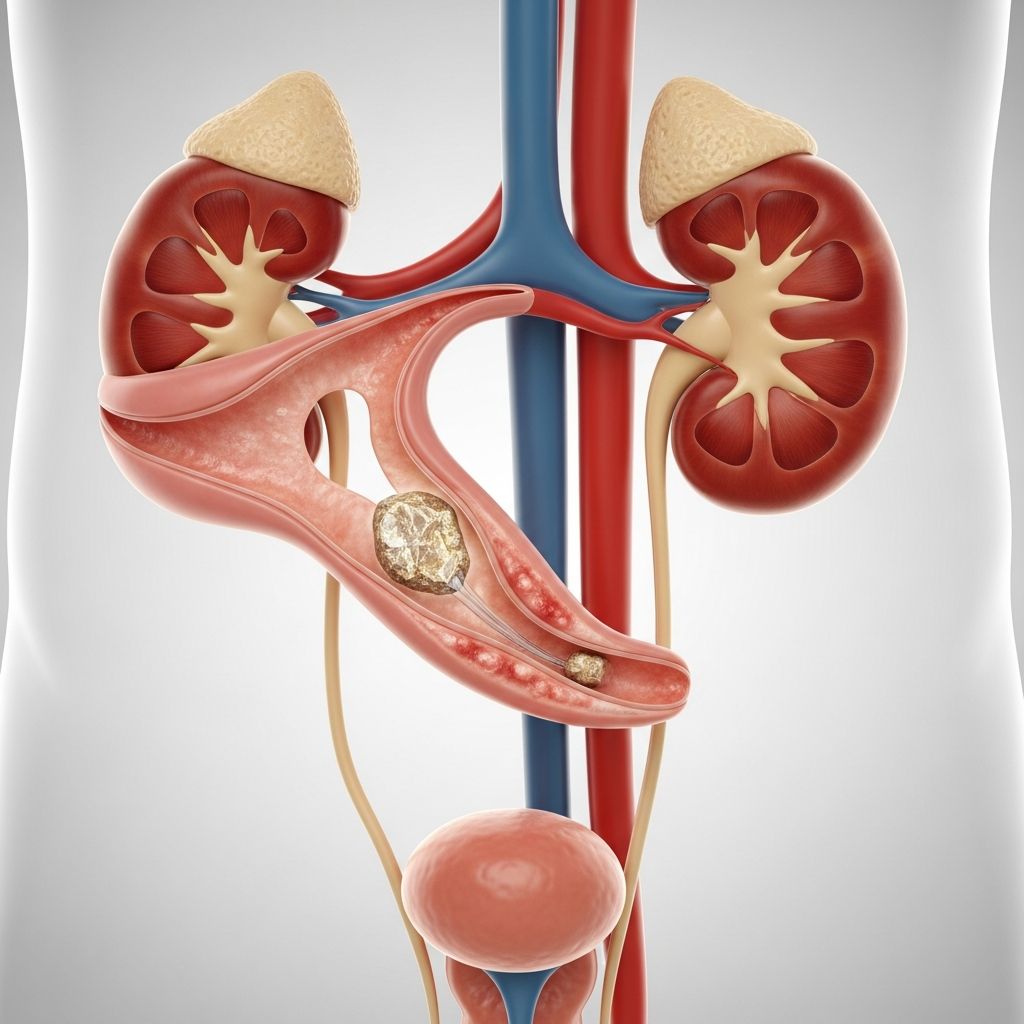
A ureteral stone is a kidney stone that has traveled into one of the ureters—the tubes that connect your kidneys to your bladder. These stones form when minerals and other substances in your urine crystallize and harden over time. While kidney stones often start in the kidney, they can move into the ureter or bladder as they travel through your urinary system. Understanding what ureteral stones are, how they form, and what treatment options are available can help you manage this condition effectively.
What Are Ureteral Stones?
Ureteral stones, also known as ureterolithiasis, are mineral deposits that have migrated from the kidney into the ureter. These stones vary in size and composition, ranging from tiny grains that pass unnoticed to larger stones that can cause significant discomfort and complications. The ureter is a narrow tube, making it a common location for stones to become lodged, which can cause pain and urinary obstruction.
Causes of Ureteral Stones
Ureteral stones develop when certain substances in your urine become concentrated and crystallize. Several factors contribute to stone formation:
- Dehydration and insufficient fluid intake
- High levels of calcium, uric acid, or oxalate in urine
- Family history of kidney stones
- Certain medical conditions affecting metabolism
- Dietary factors including excessive salt, protein, and sugar consumption
- Obesity and sedentary lifestyle
- Certain medications that increase stone risk
- Urinary tract infections
- Previous kidney stone history
Symptoms of Ureteral Stones
Many people with ureteral stones experience characteristic symptoms, though some stones may not cause any noticeable signs initially. Common symptoms include:
- Sharp, severe pain in the lower back, sides, or abdomen
- Pain that radiates to the lower abdomen and groin
- Nausea and vomiting
- Pain or burning sensation during urination
- Persistent urge to urinate
- Cloudy or discolored urine
- Blood in the urine (hematuria)
- Fever if an infection is present
The intensity of pain can vary depending on the stone’s size and location. Some people describe the pain as one of the most severe experiences of their lives, while others may have milder discomfort.
Diagnosis of Ureteral Stones
When you visit a healthcare provider with symptoms of ureteral stones, they will conduct a thorough evaluation to confirm the diagnosis. The diagnostic process includes:
Medical History and Physical Examination
Your healthcare provider will ask detailed questions about your symptoms, previous history of kidney stones, and any relevant medical conditions. They will perform a physical examination to assess your pain level, kidney tenderness, and overall health status. This information helps establish a baseline for your condition and guides further testing.
Diagnostic Tests
Several tests can confirm ureteral stones and provide information about their characteristics:
- CT Scan (Computed Tomography): The gold standard for diagnosing ureteral stones, providing detailed images of the urinary tract
- Ultrasound: Uses sound waves to create images of the urinary system and detect stones
- X-Ray: May show certain types of stones that are dense enough to be visible
- Urinalysis: Examines urine for blood, crystals, and other abnormalities
- Blood Tests: Help determine kidney function and electrolyte levels
- 24-Hour Urine Collection: Measures substances in your urine that may contribute to stone formation
Related Stories



Treatment Options for Ureteral Stones
Treatment for ureteral stones depends on several factors, including the size and location of the stones, their chemical composition, severity of symptoms, and your overall health. Healthcare providers consider multiple treatment approaches to determine the best option for each patient.
Conservative Management
Many ureteral stones pass naturally without medical intervention. Conservative management is often the first approach, particularly for smaller stones. This approach includes:
- Adequate hydration to help flush the stone through the urinary system
- Pain management with over-the-counter or prescription medications
- Anti-nausea medications if needed
- Monitoring the stone’s progression with follow-up imaging
- Straining urine to collect the stone for analysis once it passes
Studies show that approximately 67% of patients with symptomatic obstructing ureteral stones pass them spontaneously with conservative management, particularly when stones are smaller than 10 millimeters. Your healthcare provider will advise you on whether this approach is suitable for your specific situation.
Medical Expulsive Therapy
Medications can help relax the muscles in the ureter and facilitate stone passage. These medications may reduce pain and increase the likelihood of spontaneous stone expulsion. Your healthcare provider may prescribe medications that work by relaxing the smooth muscles around the ureter, making it easier for stones to move through the system.
Shockwave Lithotripsy (SWL)
Shockwave lithotripsy is a non-invasive procedure that uses shock waves to break stones into smaller pieces. During this outpatient procedure, patients sit in a special tub while shock waves are directed at the stone under X-ray guidance. The stone fragments are small enough to pass through the urinary system naturally. SWL is particularly effective for certain stone types and locations, though success rates vary based on stone density and skin-to-stone distance.
Ureteroscopy (URS)
Ureteroscopy is a minimally invasive procedure performed using a small camera (ureteroscope) that is inserted through the urethra and bladder into the ureter. The surgeon can directly visualize the stone and either remove it intact or use laser energy to break it into small fragments. This procedure is performed under anesthesia and is particularly effective for distal ureteral stones. Recent guidelines recommend URS as an equally effective first-line option compared to SWL, especially for stones located in the lower ureter.
Percutaneous Nephrolithotomy (PCNL)
This surgical option is typically reserved for large, complex stones or when other treatments have failed. PCNL involves making a small incision in the back to access the kidney directly and remove the stone. While more invasive than other options, it offers high success rates for difficult cases.
Factors Affecting Treatment Success
Several factors influence which treatment option will be most successful for your ureteral stone:
| Factor | Impact on Treatment |
|---|---|
| Stone Size | Smaller stones are more likely to pass spontaneously; larger stones typically require intervention |
| Stone Location | Distal (lower) stones have better success rates with URS; proximal stones may respond better to SWL |
| Stone Composition | Cystine, calcium oxalate monohydrate, and brushite stones are best treated with URS; other types may respond to SWL |
| Stone Density | Stones with density greater than 1000 HU are less likely to fragment with SWL |
| Skin-to-Stone Distance | Distance greater than 10 cm reduces SWL success; shorter distances improve outcomes |
| Symptom Severity | Severe pain or complications may warrant more aggressive intervention |
| Patient Preferences | Individual circumstances, such as travel plans or work schedules, influence treatment choice |
Prevention of Recurrent Ureteral Stones
Once you’ve had a ureteral stone, your risk of developing another increases significantly. Prevention strategies include:
- Drinking adequate water daily to maintain dilute urine
- Limiting dietary sodium and animal protein intake
- Reducing consumption of foods high in oxalate
- Maintaining a healthy weight through regular exercise
- Managing underlying medical conditions that increase stone risk
- Collecting and analyzing passed stones to identify their composition
- Taking prescribed preventive medications based on stone type
- Regular follow-up with a healthcare provider
When to Seek Emergency Care
While most ureteral stones are not life-threatening, certain complications require immediate medical attention:
- Severe, uncontrolled pain
- Signs of infection (fever, chills, elevated white blood cell count)
- Unable to keep down fluids due to nausea and vomiting
- Inability to urinate
- Significant blood in urine
- Signs of sepsis or kidney failure
Prognosis and Outlook
The outlook for people with ureteral stones is generally positive. Most stones pass spontaneously or respond well to minimally invasive treatment. However, it’s important to understand that having one ureteral stone increases your risk of developing another. Between 10-15% of patients with a first stone episode will develop recurrent stones within five years without preventive measures. With appropriate preventive strategies and medical management, you can significantly reduce this risk.
Living with Ureteral Stones
While ureteral stones can be painful and disruptive, they are a temporary condition that responds well to treatment. Your healthcare provider can help manage your symptoms, determine the most appropriate treatment option, and develop a plan to prevent future stone formation. Being proactive about hydration, diet, and regular medical follow-up can help you avoid the recurrence of this painful condition.
Frequently Asked Questions About Ureteral Stones
Q: Can ureteral stones pass on their own?
A: Yes, many ureteral stones, particularly smaller ones under 10 millimeters, pass naturally. Studies show approximately 67% of symptomatic obstructing ureteral stones pass spontaneously with conservative management involving hydration and pain control. Your healthcare provider can determine if your stone is likely to pass on its own based on its size and location.
Q: How long does it take to pass a ureteral stone?
A: The timeline varies depending on stone size and individual factors. Some stones pass within days, while others may take several weeks. Your healthcare provider will monitor your progress and recommend intervention if the stone doesn’t pass after a reasonable period or if complications develop.
Q: Is ureteroscopy painful?
A: Ureteroscopy is performed under anesthesia, so you won’t experience pain during the procedure. You may have some discomfort during recovery, particularly when urinating, but this typically subsides within a few days. Pain management medications are provided as needed.
Q: What is the success rate of shockwave lithotripsy for ureteral stones?
A: Success rates for shockwave lithotripsy vary based on stone characteristics. Stone composition, density, and skin-to-stone distance significantly influence outcomes. Your healthcare provider will assess these factors to determine if SWL is appropriate for your stone and discuss expected success rates.
Q: Can I prevent ureteral stones from forming?
A: Yes, preventive measures can significantly reduce your risk of developing ureteral stones. These include drinking adequate water, limiting dietary sodium and protein, reducing high-oxalate foods, maintaining a healthy weight, and managing underlying medical conditions. Your healthcare provider may also recommend specific medications based on your stone type.
Q: What should I do if I suspect I have a ureteral stone?
A: Contact your healthcare provider as soon as you experience symptoms such as severe back or side pain, nausea, or blood in your urine. If you have severe, uncontrolled pain, fever, or signs of infection, seek emergency medical care. Early diagnosis and treatment can help prevent complications and reduce suffering.
References
- CUA Guideline: Management of ureteral calculi — Canadian Urological Association and National Center for Biotechnology Information. 2015. https://pmc.ncbi.nlm.nih.gov/articles/PMC4707902/
- Ureteral Stones: Causes, Symptoms & Treatment — Cleveland Clinic. 2024. https://my.clevelandclinic.org/health/diseases/16514-ureteral-stones
- Kidney Stones Treatment — Cleveland Clinic. 2024. https://my.clevelandclinic.org/services/kidney-stones-treatment
- Ureteroscopy: Kidney Stones — Cleveland Clinic. 2024. https://my.clevelandclinic.org/health/treatments/16213-ureteroscopy
- Kidney Stones: Clinical Overview — Cleveland Clinic Department of Urology. 2024. https://my.clevelandclinic.org/health/diseases/15604-kidney-stones
Similar Articles








Read full bio of Sneha Tete