Ureteropelvic Junction Obstruction: Causes, Symptoms & Treatment
Learn about ureteropelvic junction obstruction, its causes, symptoms, diagnosis, and treatment options.
What Is Ureteropelvic Junction (UPJ) Obstruction?
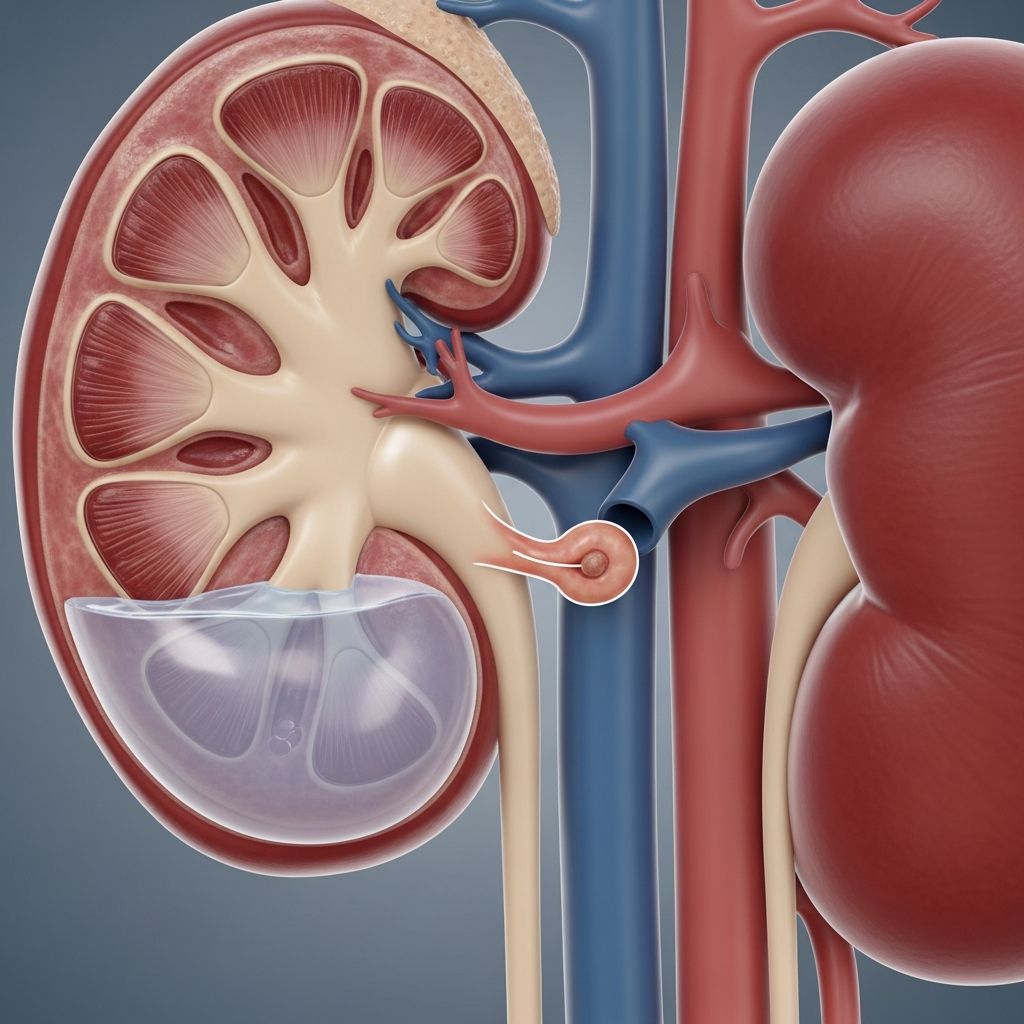
Ureteropelvic junction (UPJ) obstruction is a blockage that occurs at the upper end of the ureter, where it connects to the kidney’s renal pelvis. This blockage prevents urine from flowing freely from the kidney to the bladder, which can lead to swelling of the kidney (hydronephrosis) and, if left untreated, may cause kidney damage or even kidney failure.
Causes of UPJ Obstruction
Most cases of UPJ obstruction are congenital, meaning they are present at birth. The condition develops during fetal development when the connection between the kidney and ureter does not form properly. In rare cases, UPJ obstruction can develop later in life due to:
- Kidney stones
- Previous surgery in the area
- Swelling or inflammation in the upper urinary tract
- Compression from abnormal blood vessels
UPJ obstruction typically affects only one kidney, though it can occasionally occur in both.
Symptoms of UPJ Obstruction
Symptoms can vary depending on age and severity. In infants, the condition may be detected before birth through prenatal ultrasound. In older children and adults, symptoms may include:
- Flank or back pain
- Nausea and vomiting
- Fever (if infection is present)
- Blood in the urine (hematuria)
- Recurrent urinary tract infections
- Kidney stones
Some individuals may have no symptoms, especially if the obstruction is mild or if only one kidney is affected.
Diagnosis of UPJ Obstruction
UPJ obstruction is often diagnosed during prenatal imaging, such as ultrasound, which can detect swelling of the kidney (hydronephrosis). After birth, further tests may be ordered to confirm the diagnosis and assess kidney function. These tests include:
- Ultrasound: To visualize the kidneys and check for swelling
- Renal scan with furosemide: To measure how well the kidneys are draining urine
- CT scan or MRI: For detailed imaging of the urinary tract
- Blood tests: To check kidney function (creatinine levels)
These tests help determine the severity of the obstruction and guide treatment decisions.
Treatment Options for UPJ Obstruction
Not all cases of UPJ obstruction require immediate treatment. In some infants, the condition may resolve on its own within the first 18 months of life. However, if the obstruction persists or causes symptoms, surgical intervention is usually necessary. The main surgical options include:
Open Pyeloplasty
Open pyeloplasty is the traditional surgical approach. The surgeon makes a large incision to access the kidney and ureter, removes the blockage, and reattaches the ureter to the kidney with a wider opening. This procedure has a high success rate (about 95%) and is often recommended for children.
Minimally Invasive Pyeloplasty
Minimally invasive pyeloplasty, including robotic-assisted laparoscopic pyeloplasty, involves making small incisions and using specialized tools or a surgical robot to perform the procedure. This approach offers similar success rates to open pyeloplasty but with less pain, shorter hospital stays, and faster recovery times. However, it is more technically demanding and may not be suitable for all patients.
Related Stories



Endopyelotomy
Endopyelotomy is a less invasive procedure where a surgeon inserts an endoscope through the urethra and ureter to reach the obstruction. The blockage is then cut or burned away, and a stent may be placed to keep the ureter open during healing. Endopyelotomy does not require external incisions and is generally more comfortable for patients, but it has a lower success rate compared to pyeloplasty and may need to be repeated.
Recovery and Outlook
Recovery time depends on the type of procedure performed. Most people recover within two to four weeks, though individual experiences may vary. Follow-up appointments are essential to monitor kidney function and ensure the obstruction does not recur.
With early diagnosis and treatment, the outlook for UPJ obstruction is generally good. Most children do not experience long-term complications. However, if the condition is diagnosed later in life or left untreated, there is a higher risk of kidney damage, including kidney failure.
When to Seek Medical Attention
Seek immediate medical attention if you or your child experiences:
- Inability to urinate
- Severe flank or back pain
- Fever with flank pain
- Blood in the urine
These symptoms may indicate a serious complication and require prompt evaluation.
Frequently Asked Questions (FAQs)
Q: Is UPJ obstruction serious?
A: Yes, UPJ obstruction can be serious if left untreated. It can lead to kidney damage, kidney failure, and other complications.
Q: Can UPJ obstruction go away on its own?
A: In some infants, mild UPJ obstruction may resolve without treatment within the first 18 months of life. However, persistent or severe obstruction usually requires surgical intervention.
Q: What is the success rate of pyeloplasty?
A: Pyeloplasty is effective in about 95% of cases, with most patients experiencing symptom improvement and restored urine flow.
Q: How is UPJ obstruction different from ureterovesical junction (UVJ) obstruction?
A: UPJ obstruction occurs where the ureter connects to the kidney, while UVJ obstruction occurs where the ureter connects to the bladder. They are different conditions affecting opposite ends of the ureter.
Q: Can adults develop UPJ obstruction?
A: Yes, while most cases are congenital, adults can develop UPJ obstruction due to kidney stones, surgery, or other factors.
References
- Ureteropelvic Junction (UPJ) Obstruction: Causes & Treatment — Cleveland Clinic. 2023. https://my.clevelandclinic.org/health/diseases/16596-ureteropelvic-junction-obstruction
- Pyeloplasty: Purpose, Procedure, Risks & Recovery — Cleveland Clinic. 2023. https://my.clevelandclinic.org/health/procedures/16545-pyeloplasty
- Ureteropelvic Junction Obstruction after Partial Nephrectomy — PubMed. 2005. https://pubmed.ncbi.nlm.nih.gov/15865539/
Similar Articles








Read full bio of Sneha Tete