Urethra: Anatomy, Location, Function & Conditions
Complete guide to urethra anatomy, function, and common urological conditions affecting this vital structure.
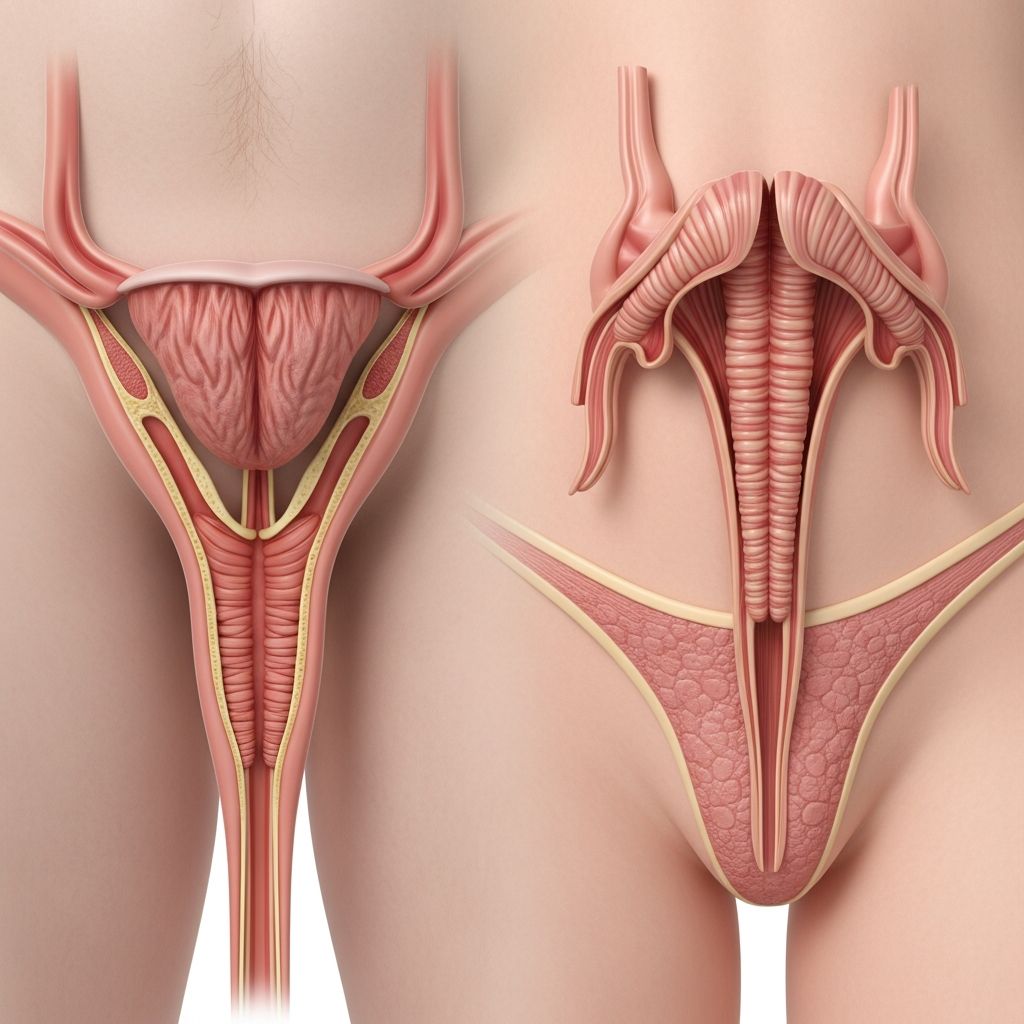
Understanding the Urethra: Anatomy, Function, and Health
The urethra is a crucial component of your urinary system, serving as the final pathway for urine to exit your body. This tubular structure plays an essential role in maintaining urinary function and, in males, also participates in the reproductive process. Understanding the anatomy and function of the urethra is important for recognizing potential health issues and maintaining overall wellness.
What Is the Urethra?
The urethra is a muscular tube that carries urine from your bladder to the outside of your body. In females, it serves exclusively as part of the urinary system. However, in males, the urethra has a dual function—it carries both urine and semen, making it part of both the urinary and reproductive systems. The urethra is lined with specialized tissue called the urothelium, which protects the underlying structures from the irritating effects of urine.
Anatomy and Location of the Urethra
Female Urethra
In females, the urethra is a relatively short structure, measuring approximately 4 centimeters (about 1.5 inches) in length. It extends from the bladder neck directly to the external urethral orifice, which is located in the vestibule of the vagina, between the clitoris and the vaginal opening. The female urethra is positioned anterior to the vagina and is held in place by connective tissues and muscles of the pelvic floor.
Male Urethra
The male urethra is significantly longer than the female urethra, measuring approximately 17.5 to 20 centimeters (7 to 8 inches) in length. This extended length reflects its dual role in both urinary and reproductive functions. The male urethra is divided into three distinct sections, each with unique anatomical characteristics:
- Prostatic Urethra: This is the widest and most proximal section, originating at the bladder neck and passing through the prostate gland. The prostatic urethra receives seminal fluid from the ejaculatory ducts during ejaculation.
- Membranous Urethra: Also called the intermediate urethra, this is the shortest and narrowest section. It passes through the pelvic floor muscles and is surrounded by muscular tissue that helps control urination. This section is crucial for maintaining continence.
- Spongy Urethra: This is the longest section, extending through the length of the penis and terminating at the external urethral orifice at the tip of the penis. It is surrounded by erectile tissue called the corpus spongiosum.
Function of the Urethra
The primary function of the urethra is to transport urine from the bladder to the external environment during urination. When your bladder fills with approximately 200 to 350 milliliters of urine, sensory nerves signal your brain that it is time to urinate. During urination, the bladder muscles contract while the urethral sphincters relax, allowing urine to flow through the urethra and out of the body. This process involves a coordinated muscular action that ensures complete bladder emptying while maintaining continence at other times.
In males, the urethra also serves a reproductive function by transporting semen during ejaculation. This dual role makes the male urethra unique among body structures. The prostate gland and seminal vesicles contribute secretions to the urethra that mix with sperm to form semen.
Related Stories



Histological Structure of the Urethra
The wall of the urethra consists of several layers that work together to facilitate its function:
- Urothelium (Mucosa): The innermost layer is lined with transitional epithelium called the urothelium. This specialized tissue contains umbrella cells that can change shape to accommodate the passage of urine. The urothelium acts as a protective barrier, preventing urine and bacteria from entering the bloodstream and surrounding tissues.
- Submucosa: This layer contains connective tissue, blood vessels, and nerves that support the urothelium and provide sensation.
- Muscular Layer: The muscular wall contains smooth muscle fibers arranged in circular and longitudinal patterns that facilitate urine transport through peristaltic contractions. In males, the membranous urethra has additional muscular tissue that aids in maintaining continence.
- Outer Adventitia: This outermost layer provides structural support and anchors the urethra to surrounding tissues.
Common Urethral Conditions and Disorders
Urethritis
Urethritis is inflammation of the urethra, often caused by bacterial or viral infections. It can result from sexually transmitted infections or other bacterial pathogens. Symptoms include burning sensation during urination, increased urinary frequency, and urethral discharge.
Urethral Stricture
A urethral stricture is an abnormal narrowing of the urethra caused by scar tissue. This condition can result from injury, infection, or inflammation and may cause difficulty urinating, weak urine stream, and incomplete bladder emptying.
Urethral Obstruction
Various materials can obstruct the urethra, including kidney stones, blood clots, or tumors. In males, an enlarged prostate can compress the urethra and impede urine flow.
Urinary Incontinence
Weakness or dysfunction of the urethral sphincters can lead to involuntary urine leakage. This condition is more common in females and can range from mild stress incontinence to severe urge incontinence.
Urethral Caruncle
This benign growth occurs at the external urethral orifice, typically in postmenopausal women. It may cause bleeding, pain, or dysuria.
Signs and Symptoms of Urethral Problems
If you experience any of the following symptoms, consult a healthcare provider:
- Burning or pain during urination
- Increased urgency or frequency of urination
- Difficulty initiating urination or weak urine stream
- Urethral discharge or bleeding
- Pain or discomfort in the lower abdomen or perineal area
- Involuntary urine leakage
- Incomplete bladder emptying
- Cloudy or bloody urine
Diagnostic Procedures for Urethral Conditions
Urinalysis
A urinalysis examines urine under a microscope to detect bacteria, white blood cells, or other abnormalities that may indicate infection or inflammation.
Urine Culture
This test identifies specific bacterial pathogens causing urethritis or urinary tract infections.
Urethrography
Retrograde urethrography involves injecting contrast dye into the urethra and taking X-ray images to visualize strictures or obstructions.
Urodynamic Testing
These tests measure bladder and urethral function during filling and emptying to assess continence mechanisms.
Cystoscopy
A cystoscope, a small camera on a thin tube, allows direct visualization of the bladder and urethra to identify abnormalities, strictures, or lesions.
Ultrasound
Transabdominal or transrectal ultrasound can visualize the urethra and surrounding structures to detect obstructions or abnormalities.
Treatment Options for Urethral Conditions
Medications
Depending on the underlying cause, treatment may include antibiotics for bacterial infections, antispasmodics for overactive bladder symptoms, or anti-inflammatory medications to reduce urethral inflammation.
Urethral Dilation
For urethral strictures, gradual dilation using progressively larger catheters can widen the narrowed area and restore normal urine flow.
Urethrotomy
This minimally invasive surgical procedure uses a laser or knife to cut through scar tissue causing a stricture, allowing the urethra to expand.
Catheterization
A catheter can bypass an obstruction and allow urine to drain, providing temporary relief while the underlying problem is addressed.
Surgical Reconstruction
For severe strictures or anatomical defects, urethroplasty—surgical reconstruction of the urethra—may be necessary to restore normal function.
Pelvic Floor Physical Therapy
Strengthening exercises targeting the pelvic floor muscles can improve continence and reduce urinary symptoms in some patients.
Maintaining Urethral Health
Hydration
Drinking adequate water helps dilute urine and flush the urinary tract, reducing the concentration of irritating substances and lowering infection risk.
Hygiene Practices
Proper genital hygiene, including wiping from front to back in females and keeping the area clean and dry, helps prevent bacterial colonization and infection.
Safe Sexual Practices
Using protection during sexual contact reduces the risk of sexually transmitted infections that can cause urethritis.
Avoid Irritants
Limiting consumption of bladder irritants such as caffeine, alcohol, and spicy foods can reduce urethral inflammation and symptoms.
Regular Preventive Care
Regular check-ups with a healthcare provider help identify and address urinary tract problems early before they progress.
The Urethra in the Broader Urinary System
The urethra is the final component of the urinary system, which also includes the kidneys, ureters, and bladder. Your kidneys continuously filter blood to produce urine, which travels through the ureters into the bladder for storage. When the bladder reaches capacity, signals trigger the need to urinate, and the urethra becomes the conduit for eliminating this waste from your body. Understanding how the urethra fits within this system helps appreciate its critical role in maintaining your health.
Frequently Asked Questions
Q: Is the female urethra different from the male urethra?
A: Yes, significantly. The female urethra is approximately 4 centimeters long and serves only the urinary system, while the male urethra measures 17.5 to 20 centimeters and serves both urinary and reproductive functions. The male urethra has three sections: prostatic, membranous, and spongy.
Q: What causes urethritis?
A: Urethritis is typically caused by bacterial or viral infections, including sexually transmitted infections like gonorrhea and chlamydia, or by non-infectious inflammation from irritants or trauma.
Q: Can urethral strictures be prevented?
A: While not all strictures can be prevented, you can reduce risk by avoiding urethral trauma, practicing safe sexual techniques, promptly treating urinary tract infections, and maintaining good hygiene.
Q: When should I see a doctor about urethral symptoms?
A: Contact a healthcare provider if you experience persistent burning during urination, unusual discharge, difficulty urinating, or other symptoms lasting more than a few days.
Q: What is the urothelium and why is it important?
A: The urothelium is the specialized lining of the urethra and urinary tract. It protects underlying tissues from irritating urine and bacteria and can stretch and contract as urine passes through.
References
- Bladder: Anatomy, Location, Function & Related Conditions — Cleveland Clinic. 2023-05-24. https://my.clevelandclinic.org/health/body/25010-bladder
- Urothelium: Anatomy, Function, Conditions & Disorders — Cleveland Clinic. https://my.clevelandclinic.org/health/body/22205-urothelium
- Ureters: Anatomy, Location, Function & Conditions — Cleveland Clinic. https://my.clevelandclinic.org/health/body/ureters
- Membranous Urethra: Location, Anatomy & Function — Cleveland Clinic. https://my.clevelandclinic.org/health/body/22848-membranous-urethra
- Urinary System Structures — Visible Body. https://www.visiblebody.com/learn/urinary/urinary-system-structures
- Urethra: Definition, Function, & Facts — Britannica. https://www.britannica.com/science/urethra
- Urinary System: Organs, Anatomy, Function & Conditions — Cleveland Clinic. https://my.clevelandclinic.org/health/body/21197-urinary-system
Similar Articles








Read full bio of medha deb