Urethral Stricture: Symptoms, Diagnosis, And Treatment Guide
Discover the causes, symptoms, diagnosis, and treatments for urethral stricture, a condition narrowing the urine pathway and affecting urinary health.
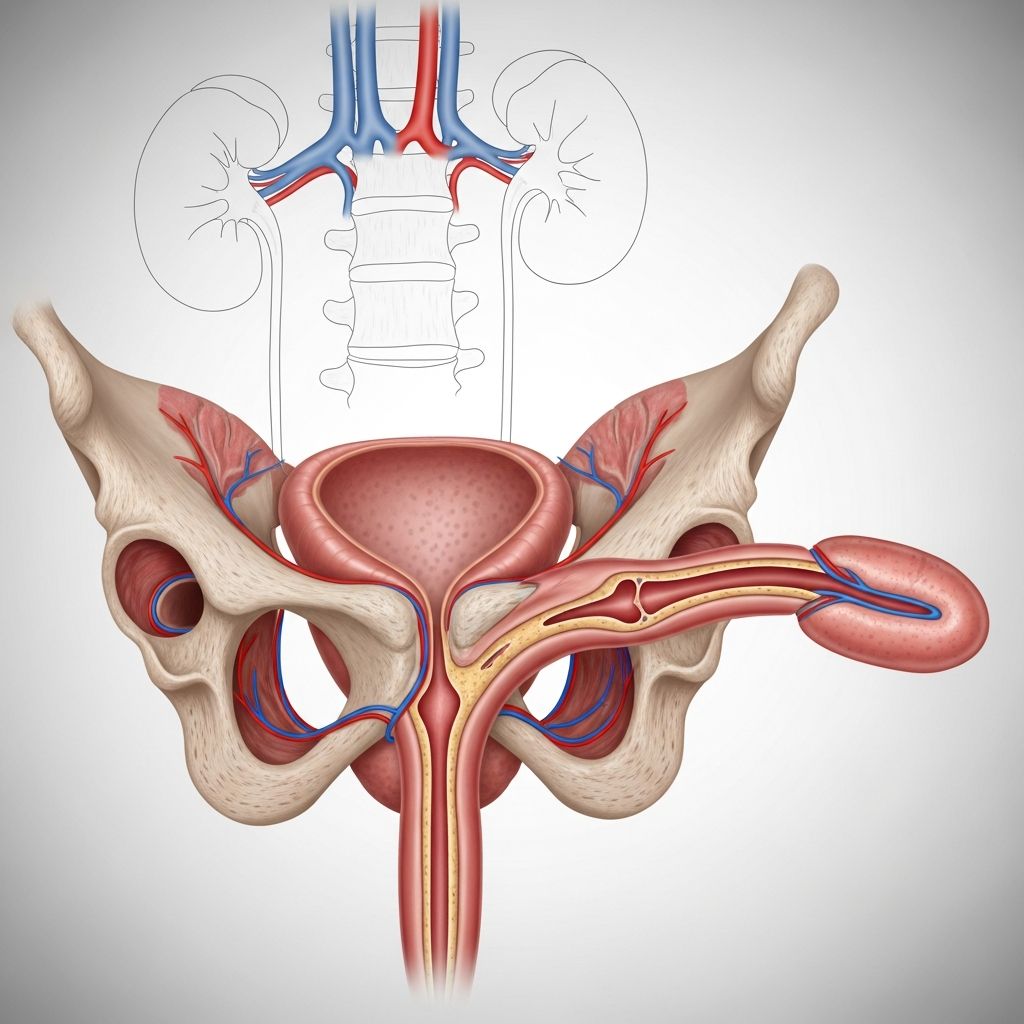
The urethra serves as the vital conduit for urine expulsion from the bladder, but when scar tissue forms and constricts this tube, it results in a condition known as
urethral stricture
. This narrowing disrupts normal urine flow, potentially leading to discomfort, infections, and severe urinary tract complications if untreated.Understanding the Anatomy and Function of the Urethra
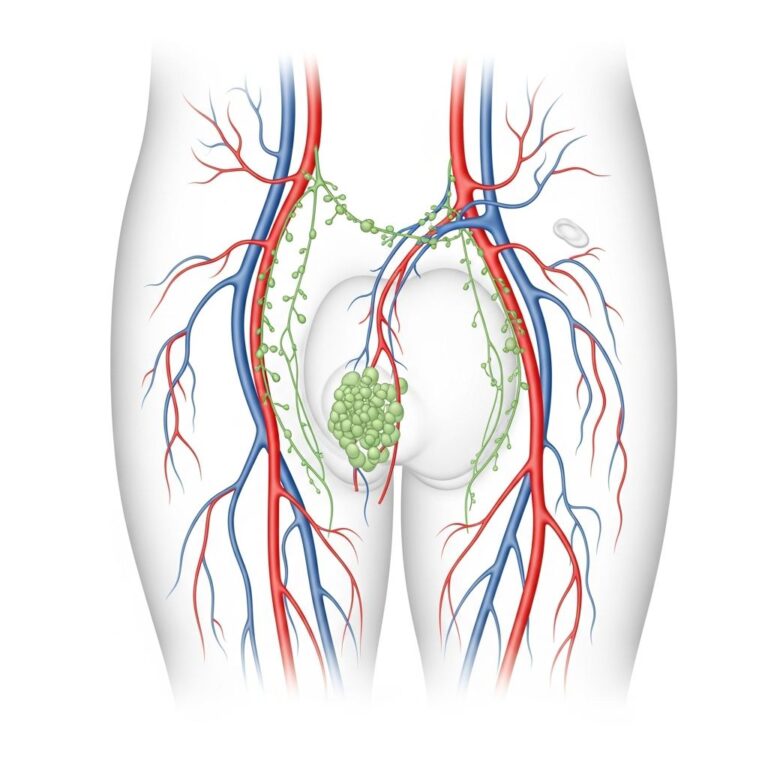
In males, the urethra extends approximately 8 inches from the bladder through the prostate and penis, surrounded by the corpus spongiosum—a spongy tissue that maintains its patency. Females have a shorter urethra, about 1.5 inches, making strictures rarer in women. Any disruption to this structure, such as scarring, compresses the lumen, impeding urine passage and causing upstream pressure on the bladder and kidneys.
Primary Causes Behind Urethral Narrowing
Urethral strictures arise from diverse etiologies, broadly categorized into idiopathic, iatrogenic, traumatic, and inflammatory origins. Idiopathic cases, comprising up to 41% in Western populations, often stem from subtle, repeated micro-traumas without clear triggers. Iatrogenic factors, accounting for 35%, frequently follow medical interventions.
- Traumatic Injuries: Pelvic fractures from accidents like car crashes or bike mishaps damage the urethra, especially at the bulbomembranous junction.
- Iatrogenic Procedures: Transurethral resections (41% of iatrogenic cases) and prolonged catheterization (36%) cause mucosal friction and necrosis, fostering scar formation. Silicone catheters have reduced this risk compared to latex.
- Inflammatory and Infectious: Recurrent urethritis from gonorrhea, chlamydia, or E. coli UTIs weakens the epithelium. Lichen sclerosus, an autoimmune-like skin disorder, creates ivory patches around the meatus, leading to strictures.
- Other Risks: Benign prostatic hyperplasia (BPH), radiation therapy, STIs, and rarely tumors contribute.
In low-resource areas, trauma dominates due to poor infrastructure, while infections persist where public health lags.
Recognizing the Warning Signs of Stricture
Symptoms emerge gradually as the stricture progresses, often mimicking less severe conditions like prostate issues. Early detection hinges on awareness of these indicators.
| Symptom | Description |
|---|---|
| Weak or Slow Stream | Reduced urine force due to partial blockage, prolonging voiding time. |
| Straining to Urinate | Effort required to initiate or maintain flow, risking bladder muscle fatigue. |
| Spraying or Bifurcated Stream | Deflected urine pattern from irregular narrowing. |
| Incomplete Emptying | Residual urine fosters infections and overflow incontinence. |
| Frequent UTIs and Pain | Burning, hematuria, or urgency from stasis and bacterial growth. |
Advanced cases may involve penile swelling, acute retention requiring catheterization, or backpressure damaging kidneys.
How Pathophysiology Drives Stricture Progression
Injury to the urethral epithelium—whether from trauma or instrumentation—allows urine extravasation into the corpus spongiosum, sparking inflammation and fibrosis. This scar tissue contracts, narrowing the lumen while epithelial metaplasia to squamous type heightens fragility, perpetuating a cycle of injury and scarring. Unlike simple swelling, this fibrous remodeling resists spontaneous resolution.
Diagnostic Approaches for Accurate Assessment
Diagnosis begins with history and physical exam, focusing on voiding symptoms and risk factors. Key tools include:
- Cystourethroscopy: Gold standard; a flexible scope visualizes the stricture’s location, length, and density.
- Uroflowmetry: Measures peak flow rate; values below 15 mL/s suggest obstruction.
- Retrograde Urethrogram (RUG): X-ray with contrast delineates stricture anatomy, essential for surgical planning.
- Ultrasound: Assesses spongiofibrosis depth non-invasively.
Related Stories



Women require tailored evaluation due to anatomical differences and rarity.
Treatment Options: From Conservative to Surgical
Management escalates with stricture severity, prioritizing restoration of urethral patency while minimizing recurrence. Success rates vary by length and etiology; short bulbar strictures respond best.
Minimally Invasive Techniques
- Dilation: Gradual mechanical widening using sounds or balloons; quick but high recurrence (up to 50% at 1 year).
- Direct Vision Internal Urethrotomy (DVIU): Incises scar via scope; 40-60% success for short strictures, but repeat procedures often needed.
Definitive Reconstructive Surgery
Urethroplasty offers 85-95% long-term success, excising scar and reconstructing with grafts (buccal mucosa preferred) or flaps. Anastomotic urethroplasty suits short defects; substitution for longer ones.
Post-op, patients use catheters briefly; self-catheterization prevents recurrence in select cases.
Potential Complications of Untreated Strictures
Neglect leads to recurrent UTIs, bladder trabeculation, stones, prostatitis, and hydronephrosis risking renal failure. Rarely, squamous cell carcinoma arises in chronic inflammation.
Prevention Strategies for At-Risk Individuals
Avoid prolonged catheterization; opt for silicone intermittent use. Prompt STI treatment and protective measures during pelvic trauma mitigate risks. Early intervention for lichen sclerosus with steroids helps.
FAQs on Urethral Stricture
Is urethral stricture curable?
Yes, urethroplasty provides durable cures in most cases, outperforming endoscopic methods.
How common is it in women?
Rare, comprising <1% of cases, often post-surgery or erosion.
Can it resolve without treatment?
No; scarring is permanent, worsening over time without intervention.
What is recovery like after surgery?
Typically 2-4 weeks; avoid strenuous activity, follow catheterization protocol.
Does age increase risk?
Indirectly via BPH or procedures; peaks in middle-aged men.
Living with Managed Urethral Stricture
Post-treatment monitoring via flow studies ensures patency. Lifestyle adjustments like hydration and timed voiding support bladder health. Patients report improved quality of life, free from recurrent infections and urgency.
References
- Urethral stricture: MedlinePlus Medical Encyclopedia — MedlinePlus (U.S. National Library of Medicine). 2023. https://medlineplus.gov/ency/article/001271.htm
- Urethral Strictures – StatPearls — NCBI Bookshelf (National Center for Biotechnology Information). 2023-10-01. https://www.ncbi.nlm.nih.gov/books/NBK564297/
- Urethral Stricture – Urology — Indiana University School of Medicine. 2024. https://medicine.iu.edu/urology/expertise/reconstructive-urology/clinical-care/urethral-stricture
- Urethral Stricture Diagnosis & Treatment — Mount Sinai Health System. 2024. https://www.mountsinai.org/care/urology/services/reconstructive-urology/urethral-strictures
- Urethral stricture – Symptoms and causes — Mayo Clinic. 2025-12-23. https://www.mayoclinic.org/diseases-conditions/urethral-stricture/symptoms-causes/syc-20362330
Similar Articles








Read full bio of medha deb