Urethritis: Causes, Symptoms, Pain & Treatment
Understand urethritis symptoms, causes, and effective treatment options for relief.
Understanding Urethritis
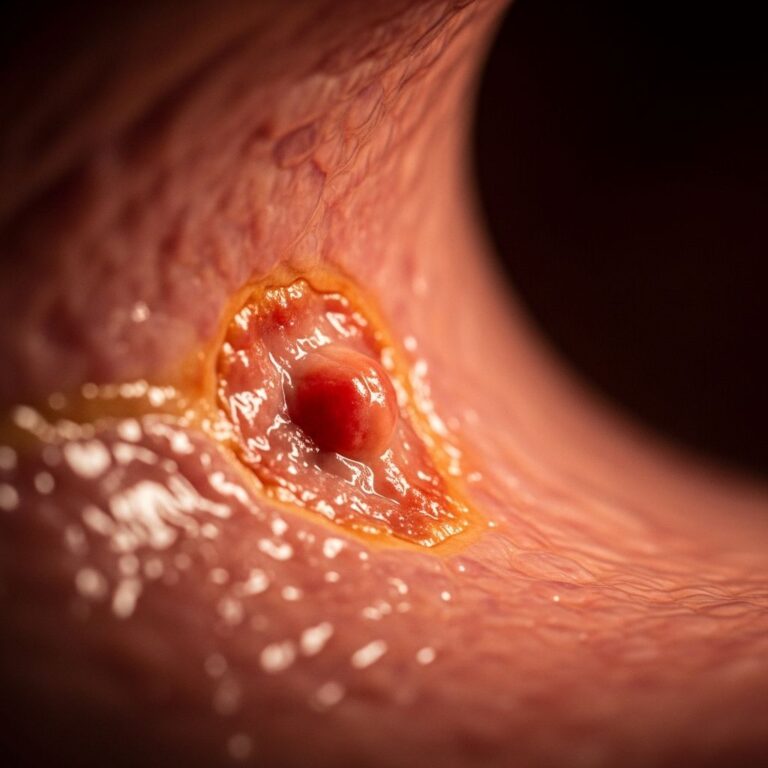
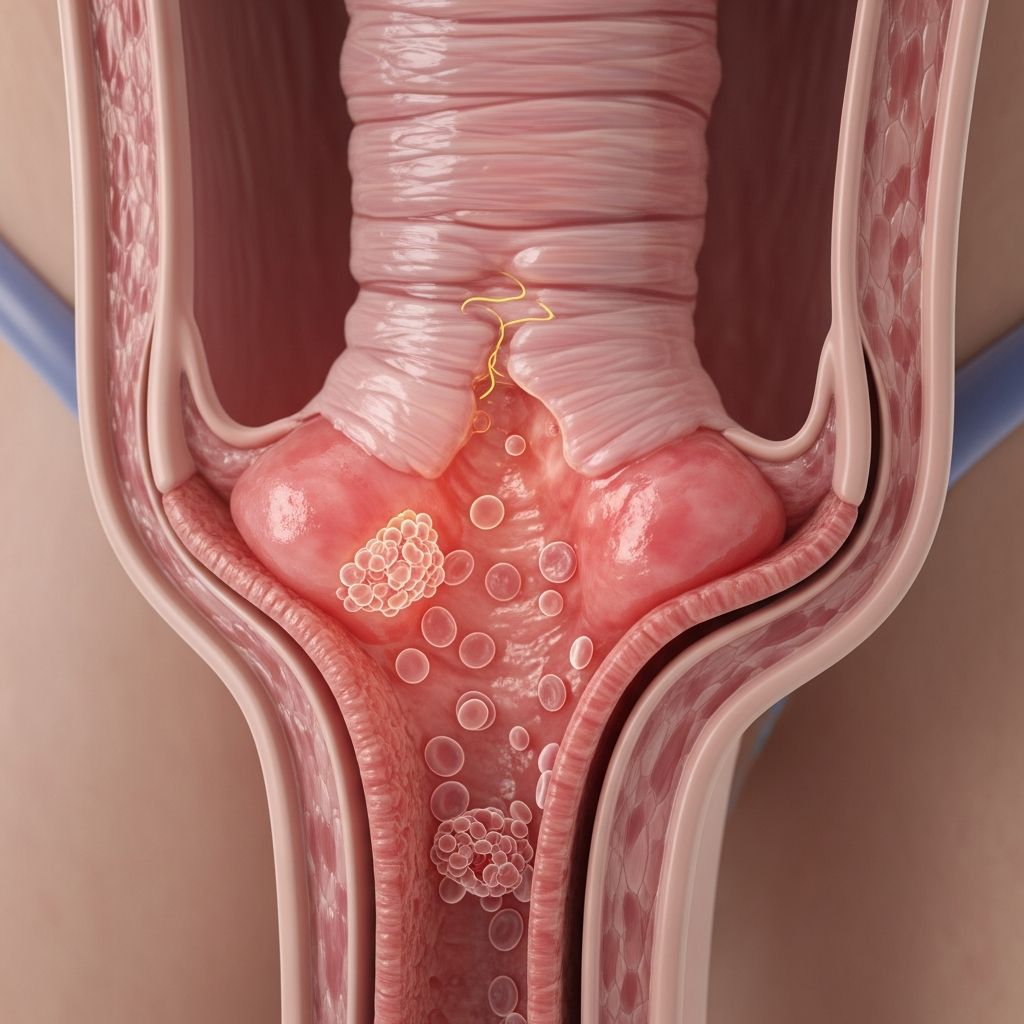
Urethritis is a common medical condition characterized by inflammation of the urethra, the tube responsible for carrying urine out of your body. This condition affects both men and women, though symptoms and presentations may differ between the sexes. Sexually transmitted infections (STIs) represent the most common cause of urethritis, but various other factors including irritants and physical trauma can also trigger this inflammatory response. When left untreated, urethritis can lead to complications and persistent discomfort, making proper diagnosis and treatment essential.
What Is Urethritis?
Urethritis refers to inflammation within the urethra, the narrow fibromuscular tube that expels urine from your body. This inflammation occurs when the delicate lining of the urethra becomes irritated or infected. The condition is classified as a lower urinary tract infection, distinguishing it from upper tract infections affecting the kidneys and ureters. Understanding the distinction between different types of urethritis helps healthcare providers determine appropriate treatment strategies and identify potential underlying causes that require targeted intervention.
Causes of Urethritis
Multiple factors can trigger the development of urethritis, ranging from infectious organisms to physical irritants:
– Sexually transmitted infections, particularly Neisseria gonorrhoeae and Chlamydia trachomatis- Mycoplasma genitalium, an increasingly recognized pathogen causing nongonococcal urethritis- Trichomonas vaginalis infection- Irritation from contraceptive devices or lubricants- Physical trauma during sexual activity or medical procedures- Chemical irritation from douches, spermicides, or personal hygiene products- Urinary catheter use and subsequent mechanical trauma- Bacterial infections from normal urinal flora
Among these causes, STIs account for the majority of urethritis cases, making sexual health screening an important component of diagnosis and prevention strategies. Nongonococcal urethritis (NGU), often caused by organisms other than gonorrhea, represents a significant portion of infectious urethritis cases.
Recognizing Urethritis Symptoms
Urethritis presents with distinct symptoms that vary between men and women. Recognizing these signs prompts timely medical attention and reduces the risk of complications.
Symptoms in Men
– Pain or burning sensation during urination, typically localized to the urethral meatus or distal penis- Discharge from the urethra, which may be clear, mucoid, mucopurulent, or purulent- Urethral itching or pruritis- Testicular pain (orchalgia) in some cases- Pain during or after ejaculation- Symptoms often worsen during the first morning void- Alcohol consumption may exacerbate discomfort
Symptoms in Women
– Dysuria (painful urination)- Urethral discharge- Urinary frequency and urgency- Symptoms may worsen during the menstrual cycle- Suprapubic pain or discomfort- Urethral irritation and itching
Systemic symptoms including fever, chills, malaise, nausea, and diaphoresis are generally absent in uncomplicated urethritis, helping distinguish it from more serious upper urinary tract infections or pyelonephritis. However, persistent symptoms lasting more than a few weeks warrant medical evaluation to rule out complications or alternative diagnoses.
Diagnostic Approaches for Urethritis
Accurate diagnosis of urethritis combines clinical evaluation with laboratory testing to identify the causative organism and guide appropriate treatment.
Clinical Assessment
Healthcare providers begin with a comprehensive medical history, including sexual history, current symptoms, and timing of symptom onset. They will inquire about recent sexual contacts, protection methods used, and any known exposures to sexually transmitted infections. A thorough physical examination includes assessment for urethral discharge and signs of inflammation.
Related Stories



Laboratory Testing
Several diagnostic methods help confirm urethritis and identify specific causative organisms:
– Nucleic acid amplification tests (NAATs), considered the gold standard for diagnosing chlamydia and gonorrhea- Gram stain microscopy of urethral discharge to identify gonorrhea- First-void urine samples with 10 or more white blood cells indicating urethral inflammation- Urinalysis to rule out other urinary tract abnormalities- Point-of-care diagnostic tests when laboratory facilities are unavailable
These tests not only confirm the presence of urethritis but also help identify specific pathogens, enabling targeted antibiotic therapy rather than empiric treatment. Accurate identification reduces unnecessary antibiotic exposure and improves treatment efficacy.
Treatment Options for Urethritis
Antibiotics represent the primary treatment for infectious urethritis. Healthcare providers select specific antibiotics based on the identified or suspected causative organism, local resistance patterns, and individual patient factors such as allergies and pregnancy status.
Gonococcal Urethritis Treatment
For urethritis caused by Neisseria gonorrhoeae, the Centers for Disease Control and Prevention recommends specific antibiotic regimens:
– Ceftriaxone 500 mg administered intramuscularly or intravenously for patients weighing less than 150 kg- Ceftriaxone 1 gram intramuscularly or intravenously for patients weighing 150 kg or more- Single-dose therapy ensures compliance and provides reliable cure rates
Chlamydial and Nongonococcal Urethritis Treatment
When Chlamydia trachomatis is identified or suspected as the cause, preferred treatment options include:
– Doxycycline 100 mg orally twice daily for 7 days (first-line therapy)- Azithromycin 500 mg initially, followed by 250 mg daily for 4 days (preferred alternative)- Azithromycin 1 gram as a single dose (alternative for compliance concerns)
Empiric Therapy for Unknown Organisms
When the specific causative organism cannot be identified or follow-up is challenging, healthcare providers recommend antibiotics covering both gonococcal and nongonococcal organisms:
– Ceftriaxone 250 mg intramuscularly combined with either azithromycin 1 gram orally as a single dose or doxycycline 100 mg orally twice daily for 7 days- This dual approach ensures coverage against common pathogens while awaiting laboratory results
Alternative Antibiotic Options
For patients with documented allergies to preferred antibiotics or specific clinical circumstances, alternative medications include:
– Amoxicillin 500 mg orally three times daily for 7 days- Erythromycin base 500 mg orally four times daily for 7 days- Erythromycin base 250 mg orally four times daily for 14 days- Erythromycin ethyl succinate 800 mg orally four times daily for 7 days
Treatment Considerations and Compliance
Successful treatment of urethritis depends on several critical factors beyond antibiotic selection. Patients must complete the entire prescribed course of antibiotics, even when symptoms resolve before treatment completion. Prematurely stopping antibiotics allows bacterial survival and increases the risk of treatment failure, recurrent infection, and potential antibiotic resistance development.
Healthcare providers should counsel patients on the importance of medication compliance, potential side effects, and expected symptom resolution timelines. Follow-up appointments may be necessary to confirm cure and assess for complications, particularly in cases of treatment failure or recurrent infection.
When to Seek Medical Care
Contact a healthcare provider promptly if you experience:
– Painful urination or urinary discomfort- Unusual urethral discharge- Persistent urinary symptoms lasting more than a few days- Symptoms recurring after recent antibiotic treatment- Pain during sexual intercourse or ejaculation- Fever or systemic symptoms accompanying urinary symptoms- Inability to urinate or urinary retention
Early medical evaluation ensures accurate diagnosis and timely treatment initiation, reducing complications and improving outcomes.
Prevention Strategies
Reducing urethritis risk involves implementing several preventive measures:
– Practice safe sexual behaviors using barrier protection during sexual contact- Maintain regular STI screening as recommended by healthcare providers- Communicate openly with sexual partners about STI status and testing- Avoid irritating products including douches, spermicides, and scented personal hygiene items- Maintain proper genital hygiene with gentle cleansing- Ensure adequate hydration to promote normal urinary flow- Seek prompt treatment for urinary symptoms- Complete full antibiotic courses to prevent treatment failure
Prognosis and Long-Term Outcomes
With proper diagnosis and appropriate antibiotic treatment, urethritis typically resolves completely. The prognosis for uncomplicated urethritis is excellent, with most patients experiencing symptom relief within days of treatment initiation. However, individual recovery timelines vary depending on the causative organism, treatment type, and host factors.
Previous urethritis infection does not confer immunity; individuals can develop urethritis multiple times throughout their lives. This susceptibility emphasizes the importance of ongoing preventive strategies and prompt treatment of symptoms. Some patients may experience mild irritation lasting weeks after treatment, particularly following physical trauma, but this typically resolves without intervention.
Frequently Asked Questions
Q: How long does it take for urethritis symptoms to resolve after starting antibiotics?
A: Most patients notice symptom improvement within 3-5 days of starting antibiotics, though complete resolution may take 1-2 weeks. It is crucial to complete the entire antibiotic course even if symptoms disappear earlier.
Q: Can urethritis go away on its own without treatment?
A: While mild irritation from noninfectious causes may resolve independently, bacterial or parasitic urethritis requires antibiotic treatment. Untreated STI-related urethritis can lead to serious complications including pelvic inflammatory disease in women and epididymitis in men.
Q: Is urethritis contagious?
A: Urethritis caused by STIs can be transmitted to sexual partners. Using barrier protection and ensuring partners receive treatment prevents transmission and reinfection. Urethritis from noninfectious causes is not contagious.
Q: Can I resume sexual activity while undergoing urethritis treatment?
A: Healthcare providers typically recommend abstaining from sexual activity until treatment completion to prevent transmission and avoid further urethral irritation. Confirm with your healthcare provider regarding specific recommendations.
Q: Should my sexual partner receive treatment if I have urethritis?
A: If urethritis is caused by an STI, sexual partners should be tested and treated if positive. Discuss partner notification and testing with your healthcare provider, who may recommend expedited partner therapy in some cases.
Q: What complications can occur if urethritis goes untreated?
A: Untreated urethritis can lead to ascending infections affecting the bladder (cystitis), prostate (prostatitis), or upper urinary tract (pyelonephritis). In women, untreated STI-related urethritis can progress to pelvic inflammatory disease, potentially affecting fertility.
Q: Can urethritis recur after successful treatment?
A: Yes, individuals can develop urethritis multiple times. Recurrence may result from reinfection through new sexual exposure or inadequate treatment of the initial infection. Reinfection is possible even in previously treated individuals.
References
- Urethritis – StatPearls — National Center for Biotechnology Information (NCBI), U.S. National Library of Medicine. 2024. https://www.ncbi.nlm.nih.gov/books/NBK537282/
- Urethritis and Cervicitis – STI Treatment Guidelines — Centers for Disease Control and Prevention (CDC). 2024. https://www.cdc.gov/std/treatment-guidelines/urethritis-and-cervicitis.htm
- Urethritis: Causes, Symptoms, Pain & Treatment — Cleveland Clinic. Last updated 2025-09-24. https://my.clevelandclinic.org/health/diseases/22858-urethritis
- Nongonococcal Urethritis (NGU): Causes, Symptoms & Treatment — Cleveland Clinic. https://my.clevelandclinic.org/health/diseases/4426-nongonococcal-urethritis
- Mycoplasma Genitalium (Mgen): Causes, Symptoms & Treatment — Cleveland Clinic. https://my.clevelandclinic.org/health/diseases/mycoplasma-genitalium
- Urinary Tract Infection (UTI): Causes, Symptoms & Treatment — Cleveland Clinic. Last updated 2023-04-06. https://my.clevelandclinic.org/health/diseases/9135-urinary-tract-infections
Similar Articles








Read full bio of Sneha Tete