Urethritis: A Complete Guide To Symptoms, Causes, And Treatment
Comprehensive guide to understanding urethritis: from symptoms and causes to effective treatments and prevention strategies for better urinary health.
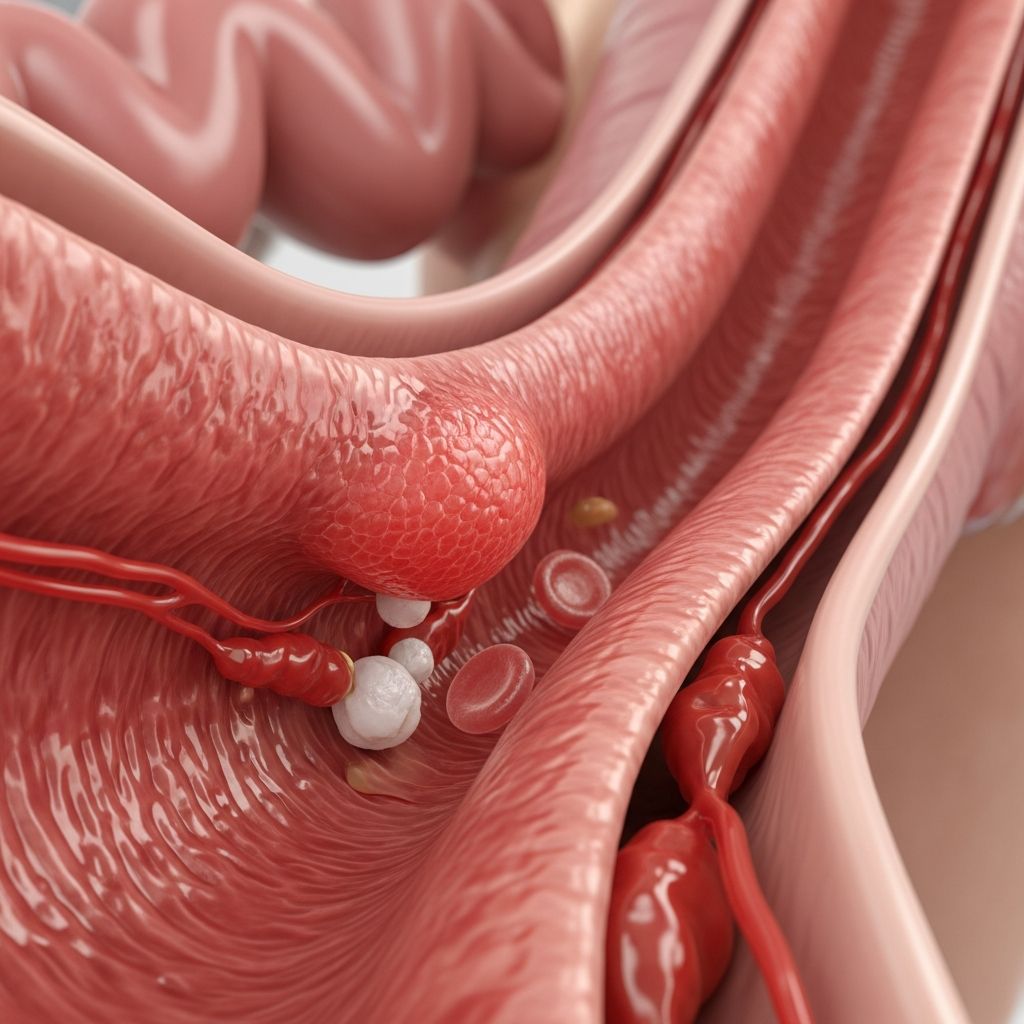
Urethritis refers to inflammation of the urethra, the tube responsible for carrying urine from the bladder to the outside of the body. This condition affects both men and women, often leading to discomfort during urination and other urinary issues. While bacterial infections are the leading cause, particularly those transmitted sexually, non-infectious factors like irritation or injury can also trigger it. Prompt recognition and treatment are crucial to avoid complications such as spread to reproductive organs or chronic pain.
Recognizing the Signs: Common Symptoms of Urethritis
The hallmark symptom of urethritis is a burning or stinging sensation when passing urine, known medically as dysuria. This discomfort arises due to the inflamed lining of the urethra becoming hypersensitive. Many individuals also report an increased urgency to urinate or a frequent need to go, even if little urine is produced. In men, discharge from the penis—ranging from clear and watery to thick and pus-like—is common, while women might notice vaginal discharge or irritation around the urethral opening.
Additional symptoms can include itching or irritation in the genital area, pain during sexual intercourse, and lower abdominal discomfort. In some cases, blood may appear in the urine or semen, signaling more severe inflammation. Symptoms typically develop within days of exposure to an infectious agent, though they can vary in intensity. Not everyone experiences all signs; some cases remain mild or asymptomatic, especially with certain pathogens.
- Burning during urination (dysuria): The most frequent complaint, affecting nearly all cases.
- Urethral discharge: Often milky, yellow, or green in infectious types.
- Frequent or urgent urination: Due to irritation prompting false signals to the brain.
- Genital itching or pain: Especially noticeable outside of urination.
- Blood in urine or semen: Indicates possible tissue damage.
Root Causes: Infectious vs. Non-Infectious Triggers
Urethritis stems from two broad categories: infectious and non-infectious. Infectious urethritis accounts for the majority of cases, primarily driven by sexually transmitted infections (STIs). Bacteria like Neisseria gonorrhoeae (causing gonorrhea) and Chlamydia trachomatis are the top culprits. Gonococcal urethritis often produces profuse purulent discharge, while nongonococcal forms from chlamydia may have subtler symptoms. These infections frequently co-occur, necessitating dual treatment.
Other infectious agents include Mycoplasma genitalium, Ureaplasma urealyticum, herpes simplex virus (HSV), and the parasite Trichomonas vaginalis. Viral causes like HSV lead to recurrent episodes with intense pain, and adenovirus can mimic STI symptoms alongside eye irritation. Fungal infections from Candida species are less common but possible, particularly in immunocompromised individuals.
Non-Infectious Contributors
Not all urethritis results from pathogens. Mechanical irritation from prolonged friction during sex, cycling, horseback riding, or tight clothing can inflame the urethra. Chemical irritants in spermicides, soaps, contraceptive gels, or latex condoms provoke reactions in sensitive individuals. Trauma from catheters, surgical procedures, or inserted objects also plays a role. In postmenopausal women, low estrogen levels thin urethral tissues, increasing vulnerability—a condition linked to atrophic changes.
| Type | Common Causes | Key Features |
|---|---|---|
| Infectious | Gonorrhea, Chlamydia, HSV, Trichomonas | Discharge, STI risk, contagious |
| Non-Infectious | Friction, chemicals, trauma, hormones | No discharge typically, activity-related |
How Urethritis is Diagnosed: Tests and Evaluations
Diagnosis begins with a detailed medical history, focusing on sexual activity, recent partners, and symptom onset. A physical exam checks for discharge, swelling, or tenderness. The gold standard involves laboratory tests: a urethral swab or first-void urine sample is examined under microscopy for white blood cells (indicating inflammation) or gram-negative diplococci (suggesting gonorrhea). Nucleic acid amplification tests (NAATs) detect chlamydia, gonorrhea, mycoplasma, and trichomonas with high accuracy.
Related Stories



Cultures may identify less common bacteria, while blood tests rule out systemic infection. In persistent cases, imaging like ultrasound assesses for complications. Differentiating gonococcal from nongonococcal urethritis guides therapy, as does screening partners for concurrent STIs.
Treatment Approaches: Antibiotics and Supportive Care
Treatment targets the underlying cause. For bacterial urethritis, antibiotics are first-line. Gonococcal infections require ceftriaxone (500 mg intramuscular injection), often paired with doxycycline (100 mg twice daily for 7 days) to cover chlamydia co-infection. Nongonococcal cases respond to doxycycline or azithromycin (1 g single dose). Trichomoniasis needs metronidazole (2 g single dose or 500 mg twice daily for 7 days), and viral HSV is managed with antivirals like acyclovir.
Supportive measures include NSAIDs like naproxen for pain, phenazopyridine to ease urinary urgency, and increased fluid intake to flush the urethra. Abstinence from sex until clearance prevents reinfection. Partners must be treated simultaneously, especially for STIs. Follow-up testing at 3 months confirms resolution.
- Gonococcal: Ceftriaxone + Doxycycline
- Chlamydial/NGU: Doxycycline or Azithromycin
- Trichomonas: Metronidazole
- Viral (HSV): Acyclovir, Famciclovir
For non-infectious cases, avoiding irritants and using emollients suffice; symptoms often resolve without antibiotics.
Potential Complications if Left Untreated
Untreated urethritis risks serious issues. In women, STIs can ascend to cause pelvic inflammatory disease (PID), leading to infertility, ectopic pregnancy, or chronic pelvic pain. Men face epididymitis, prostatitis, or reactive arthritis. Both sexes risk urethral strictures from scarring, impairing urine flow. Recurrent or persistent cases signal resistance or reinfection, demanding re-evaluation.
Prevention Strategies: Safeguarding Urethral Health
Prevention emphasizes safe sex: consistent condom use reduces STI transmission by over 90% for gonorrhea and chlamydia. Regular STI screening for at-risk individuals catches asymptomatic cases early. Hygiene practices—urinating after sex, avoiding irritant products, and wearing loose clothing—minimize non-infectious risks. Postmenopausal estrogen therapy may help atrophic urethritis. Vaccination against HPV indirectly aids by preventing related genital issues, though no direct urethritis vaccine exists.
Living with Recurrent Urethritis: Management Tips
For those prone to recurrences, track triggers like new partners or activities. Maintain hydration (2-3 liters daily) and cranberry products for UTI-prone individuals, though evidence for urethritis is limited. Lifestyle adjustments, such as padded cycling shorts, reduce friction. Psychological support addresses STI-related anxiety.
Frequently Asked Questions (FAQs)
Can urethritis go away on its own?
Some mild non-infectious cases resolve with hydration and irritant avoidance, but infectious types require antibiotics to prevent complications.
Is urethritis only an STI?
No, while STIs cause most cases, trauma, chemicals, and hormones contribute significantly.
How long does treatment take?
Symptoms improve in days, but complete a full course (7-14 days) and retest after 3 months.
Should partners be tested?
Yes, especially for STIs, to break transmission cycles.
Can urethritis cause infertility?
Yes, via PID in women or epididymitis in men if untreated.
References
- Urethritis: Symptoms, causes, and treatment — Medical News Today. 2023-10-12. https://www.medicalnewstoday.com/articles/264903
- Urethritis Symptoms, Causes, and Effective Treatments — Edward Calleja. 2024-05-15. https://www.edwardcalleja.com/blog-posts/urethritis-symptoms-causes-and-effective-treatments-your-complete-guide
- Urethritis and Cervicitis – STI Treatment Guidelines — Centers for Disease Control and Prevention (CDC). 2021-07-22. https://www.cdc.gov/std/treatment-guidelines/urethritis-and-cervicitis.htm
- Urethritis: Causes, Symptoms, and Treatment — WebMD. 2024-02-10. https://www.webmd.com/a-to-z-guides/urethritis-symptoms-causes-treatments
- Urethritis: Causes, Symptoms, Pain & Treatment — Cleveland Clinic. 2023-11-05. https://my.clevelandclinic.org/health/diseases/22858-urethritis
- Diagnosis and Treatment of Urethritis in Men — American Academy of Family Physicians (AAFP). 2010-04-01. https://www.aafp.org/pubs/afp/issues/2010/0401/p873.html (Note: Retained for authoritative diagnostic guidelines despite age).
- Urethritis — National Health Service (NHS). 2023-08-20. https://www.nhs.uk/conditions/urethritis/
Similar Articles








Read full bio of Sneha Tete