Urethroplasty: Procedure, Risks, Results & Recovery
Complete guide to urethroplasty surgery for urethral strictures with high success rates.
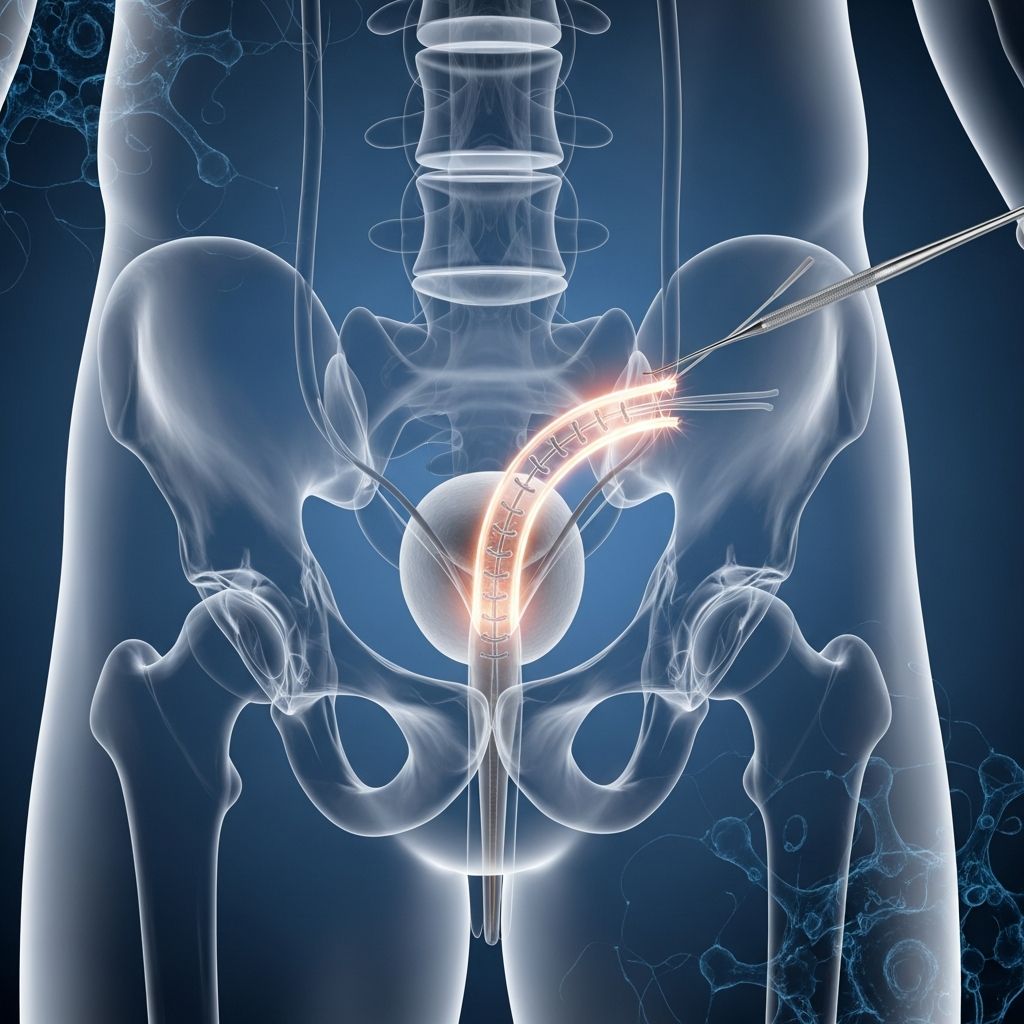
Understanding Urethroplasty
Urethroplasty is a surgical procedure designed to repair damage to the urethra, the internal tube responsible for transporting urine from your bladder out of your body. If you experience difficulty urinating, you may have scar tissue causing a narrowing of the urethra, a condition known as a urethral stricture. When conservative treatments fail to resolve this issue, urethroplasty becomes a necessary surgical intervention. This procedure has demonstrated excellent success rates, making it the preferred treatment option for many patients suffering from urethral strictures.
What Is a Urethral Stricture?
A urethral stricture occurs when scar tissue accumulates within the urethra, causing the tube to narrow. This narrowing obstructs the normal flow of urine, leading to urinary difficulties and potential complications. Strictures can develop from various causes, including trauma, infection, inflammation, or previous medical procedures. When the blockage becomes severe enough to significantly impact urinary function, surgical repair through urethroplasty becomes the most effective treatment approach.
Preparation for Your Urethroplasty Surgery
Before undergoing urethroplasty, your healthcare provider may recommend specific preparatory measures to optimize surgical outcomes. One important preparation involves the placement of a suprapubic catheter prior to surgery. This catheter is placed directly into your bladder from the pubic area, just above the pubic bone, allowing your bladder to be emptied while giving your urethra time to rest. This resting period enables scar tissue to become more apparent, making it easier for your surgeon to identify and address during the operation.
Your healthcare provider typically recommends a suprapubic catheter if you require self-catheterization to maintain urinary flow before surgery. This preparatory step is crucial for patients with significant strictures that require self-management prior to the surgical intervention.
On the day of surgery, you’ll arrive at the hospital and undergo standard preoperative procedures. You’ll be asked to remove any jewelry, change into a hospital gown, and proceed to the operating suite. Medical staff will review your medical history and answer any final questions before administering general anesthesia, which will put you into a deep sleep for the duration of the procedure.
The Urethroplasty Procedure Explained
During urethroplasty, your surgeon will carefully work to repair the narrowed or damaged section of your urethra. The specific surgical approach depends on the location and extent of the stricture. Your surgeon will make an incision to access the urethra, with the location typically chosen as one of the following options: the underside of your penis, your scrotum, or most commonly, the perineum (the area between your scrotum and anus).
Surgical Technique
Once your surgeon identifies the stricture location, they’ll determine the most appropriate repair method based on the stricture’s length and location. For shorter strictures, the surgeon may simply remove the damaged tissue and reattach the healthy ends of the urethra. This straightforward approach works well when the stricture is localized and relatively short.
Related Stories



For longer strictures or those located in the penile urethra, your surgeon will employ a tissue grafting technique. In this approach, healthy tissue is harvested from alternative sources to reconstruct the urethra. Common donor sites include mouth tissue (buccal mucosa), genital tissue, or rectal tissue. The surgeon uses this harvested tissue to supplement the repaired urethra, creating a wider, functional channel for urine flow.
Closure and Catheter Placement
After the urethra has been repaired or reconstructed, your surgeon will close the incision and typically place a small surgical drain to facilitate healing. A catheter will be inserted to allow urine to drain from your body while your urethra heals. The muscle and skin will be closed with absorbable stitches that your body will naturally dissolve—you won’t need to return for suture removal.
Success Rates and Outcomes
Research demonstrates that urethroplasty is the gold standard treatment for urethral strictures, enabling urine to flow freely through the repaired urethra. The overall success rate exceeds 80%, with some specific cases achieving success rates reliably higher than 90%. These impressive statistics reflect the procedure’s effectiveness and make it the preferred surgical option for qualifying patients. Success rates often depend on the stricture’s specific characteristics, including its length, location, and the underlying cause of the narrowing.
Understanding Risks and Complications
Like all surgical procedures, urethroplasty carries certain risks that you should understand before proceeding. While many risks are common to any surgical intervention, some complications are specific to urethral surgery.
General Surgical Risks
Standard surgical risks include complications related to anesthesia and the possibility of infection. These general risks apply to most surgical procedures and are typically managed through careful preoperative screening and postoperative infection prevention protocols.
Catheter-Related Complications
During your recovery, you may experience catheter leakage or blockage. These issues require professional attention, and you should contact your healthcare provider if you notice these problems. Additionally, catheter placement can sometimes lead to urinary tract infections or wound infections, typically occurring during or immediately after the catheter remains in place.
Long-Term Considerations
The primary long-term risk involves recurrence of the stricture, meaning the narrowing may return despite successful initial repair. This recurrence may necessitate additional procedures, such as an internal cutting procedure (urethrotomy) to remove recurrent scar tissue. This possibility underscores the importance of attending all follow-up appointments, where your urologist can monitor for any signs of stricture recurrence and intervene early if needed.
Recovery Timeline and What to Expect
Your recovery from urethroplasty follows a structured timeline that varies depending on the extent of your surgery and your individual healing capacity. Most patients experience gradual improvement over several weeks to months.
Immediate Postoperative Period
Immediately after surgery, you’ll spend time in the recovery room as anesthesia wears off. Medical staff will monitor your vital signs and manage pain with appropriate medications. You may experience some discomfort at the surgical site, which is normal and expected.
Catheter Management
Your catheter will remain in place to allow your urethra to heal properly while urine continues to drain from your body. The duration of catheterization varies based on your specific procedure and surgeon’s recommendations. During this period, you’ll receive antibiotics to prevent infection and pain medication to manage discomfort as needed.
Full Recovery
Complete recovery typically takes several weeks. Most patients gradually resume normal activities as healing progresses. Your surgeon will schedule follow-up appointments to assess your healing, remove the catheter when appropriate, and monitor for any complications.
Aftercare and Follow-Up
Successful urethroplasty requires diligent postoperative care and regular follow-up appointments. Your healthcare provider will schedule routine visits to monitor your progress and ensure proper healing. During these appointments, your urologist may perform imaging studies or other evaluations to confirm that your urethra remains patent and free from stricture recurrence.
Regular follow-up care is essential for identifying any potential complications early and intervening before they develop into serious problems. Patients who miss follow-up appointments have a higher risk of developing recurrent strictures without timely intervention.
Frequently Asked Questions About Urethroplasty
Q: How long does urethroplasty surgery take?
A: Urethroplasty typically takes one to three hours depending on the complexity of the stricture and the surgical approach needed. More extensive reconstructions requiring tissue grafting may require additional time.
Q: Will I need a catheter after urethroplasty?
A: Yes, a catheter is placed during surgery to allow your urethra to heal while urine continues to drain from your body. The catheter remains in place for a period determined by your surgeon, typically ranging from days to weeks.
Q: What is the success rate of urethroplasty?
A: Urethroplasty has an overall success rate exceeding 80%, with some cases achieving success rates reliably higher than 90%, depending on stricture characteristics and location.
Q: Can a urethral stricture return after urethroplasty?
A: While urethroplasty is highly effective, stricture recurrence is possible in some cases. This is why regular follow-up appointments are important for early detection and treatment of any recurrence.
Q: What tissue is used for urethroplasty grafts?
A: Common graft materials include buccal mucosa (mouth tissue), genital tissue, and rectal tissue. Your surgeon will determine the most appropriate source based on your specific condition and surgical needs.
Q: When can I resume normal activities after urethroplasty?
A: Recovery timelines vary individually, but most patients gradually resume normal activities over several weeks. Your surgeon will provide specific guidelines based on your procedure and healing progress.
Q: Are there alternatives to urethroplasty?
A: For less severe strictures, minimally invasive options like urethral dilation may be attempted first. However, urethroplasty remains the most effective definitive treatment for significant strictures.
Q: What complications should I watch for after surgery?
A: Contact your healthcare provider if you experience increased pain, fever, inability to urinate, catheter blockage or leakage, or signs of infection. Prompt attention to these symptoms helps prevent serious complications.
Conclusion
Urethroplasty represents a highly effective surgical solution for patients suffering from urethral strictures that don’t respond to conservative treatment. With success rates exceeding 80% and many cases achieving rates higher than 90%, this procedure offers excellent outcomes for restoring normal urinary function. While the procedure does carry risks and requires careful postoperative management, the benefits of restored urinary flow and improved quality of life make it the gold standard treatment for qualifying patients. If you’re experiencing symptoms of urethral stricture, consult with a urologist to determine whether urethroplasty might be appropriate for your situation.
References
- Urethroplasty: Procedure, Risks, Results & Recovery — Cleveland Clinic. 2024. https://my.clevelandclinic.org/health/treatments/22166-urethroplasty
- Posterior Urethral Reconstruction: Purpose, Procedure & Recovery — Cleveland Clinic. 2024. https://my.clevelandclinic.org/health/treatments/16544-posterior-urethral-reconstruction
- Perineal Urethrostomy: What Is It & Treatment — Cleveland Clinic. 2024. https://my.clevelandclinic.org/health/treatments/16565-perineal-urethrostomy
- Outcomes of Urethroplasty to Treat Urethral Strictures Arising From Artificial Urinary Sphincter Erosion — National Center for Biotechnology Information. 2017. https://pubmed.ncbi.nlm.nih.gov/28624554/
- Staged Urethroplasty in the Management of Complex Anterior Urethral Strictures — AME Medical Journal. 2021. https://tau.amegroups.org/article/view/5678/html
Similar Articles








Read full bio of Sneha Tete