Urge To Pee When You Get Home: Causes, Treatments, And Tips
Discover why you suddenly need to pee right when you arrive home and effective strategies to manage this frustrating overactive bladder symptom.
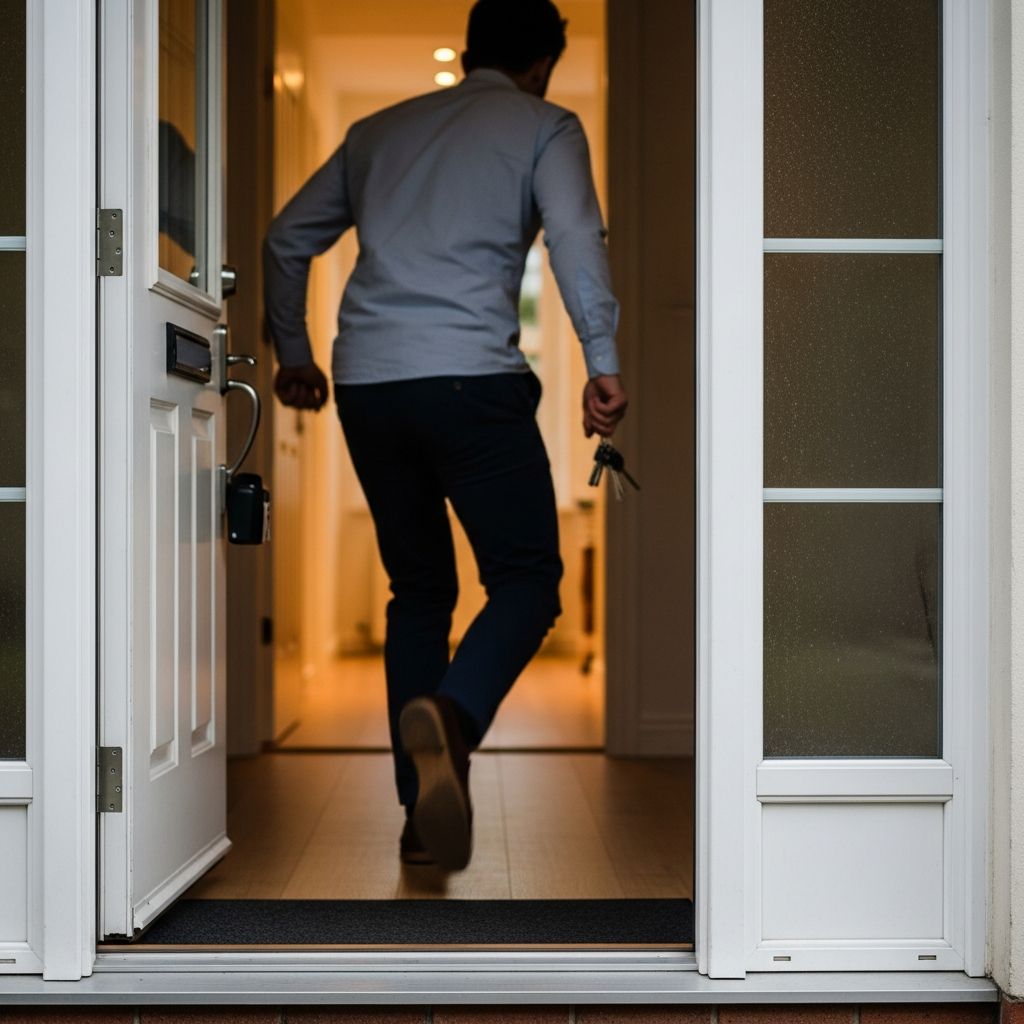
The sudden, intense need to urinate the moment you walk through your front door is a common yet frustrating experience for many. Known as the “key-in-the-door syndrome,” this phenomenon is often tied to
urge incontinence
oroveractive bladder (OAB)
, where the bladder contracts involuntarily, creating an overwhelming sensation to pee before you can reach the toilet. Affecting over 33 million Americans, urinary incontinence disrupts daily life, but understanding its mechanisms and treatments can restore control.What Causes the Urge to Pee When You Get Home?
This specific trigger stems from
conditioned reflexes
and psychological cues. As you approach home—turning onto your street, seeing your house, or hearing the key in the lock—your brain associates these signals with the bathroom, prompting the bladder to prepare for emptying. In healthy bladders, this is mild, but in OAB, it triggers sudden detrusor muscle contractions, leading to urgency and leaks.Urge incontinence occurs when bladder muscles and nerves fail to coordinate properly, causing involuntary contractions. Unlike stress incontinence (leaks from pressure like coughing), urge incontinence hits without warning, often when you’re near a toilet—ironically making it harder to hold. Factors amplifying this at home include:
- Habitual patterns: Your body anticipates urination upon arriving home, heightening sensitivity.
- Bladder irritants: Caffeine, alcohol, or carbonated drinks exacerbate contractions.
- Timing: Full bladders from delayed bathroom visits during commutes intensify the urge.
Understanding Urge Incontinence vs. Other Types
Urinary incontinence encompasses several types, but urge incontinence stands out for its sudden onset. Here’s a comparison:
| Type | Description | Triggers | Prevalence |
|---|---|---|---|
| Urge Incontinence (OAB) | Sudden, intense urge with leaks before reaching toilet | Unknown triggers like running water, arriving home; frequency >8x/day | Common in older women; 16M US adults |
| Stress Incontinence | Leaks from pressure on weak pelvic muscles | Coughing, sneezing, exercise | More in women post-childbirth/menopause |
| Mixed Incontinence | Combination of urge and stress | Both types | Many women experience both |
Urge incontinence results from detrusor overactivity—unstable bladder contractions due to nerve, muscle, or urothelium issues. Symptoms include inability to hold urine, frequent urination (day/night), and nocturia.
Symptoms of Overactive Bladder and Urge Incontinence
Key signs mirror the home-arrival urgency:
- Sudden urgency: Leaking before bathroom access, especially near triggers like home.
- Frequency: Urinating >8 times/day or large volumes infrequently.
- Nocturia: Waking to pee multiple times nightly.
- Nocturnal enuresis: Bedwetting in severe cases.
- Dysuria: Painful urination if infection-related.
These disrupt sleep, work, and social life, with 80% of OAB patients reporting quality-of-life impacts.
Risk Factors for Urge Incontinence
Anyone can develop it, but risks include:
- Age: More common in older adults due to weakened nerves/muscles.
- Gender: Women post-menopause; men with enlarged prostate.
- Medical conditions: Diabetes, MS, Parkinson’s, stroke, infections.
- Lifestyle: Obesity, smoking, high caffeine/alcohol intake.
- Neurological issues: Nerve damage from injury or disease.
Related Stories



Women face higher risk from shorter urethras and hormonal changes.
Diagnosis: How Doctors Identify Urge Incontinence
Consult a doctor if symptoms persist. Diagnosis involves:
- Bladder diary: Track urination frequency, volume, leaks (1-2 weeks).
- Physical exam: Pelvic assessment for weakness.
- Urinalysis: Rule out infections.
- Urodynamics: Measures bladder pressure, capacity.
- Post-void residual: Checks emptying.
Early diagnosis improves outcomes, as most cases are treatable.
Treatment Options for Urge to Pee When You Get Home
Treatments range from conservative to advanced, often combined.
Lifestyle Changes
Start here for 70-80% improvement:
- Limit fluids to 91oz/day; avoid evenings.
- Reduce irritants: caffeine, alcohol, carbonation.
- Lose weight: Even 10% reduces episodes.
- High-fiber diet prevents constipation.
- Quit smoking improves circulation.
Bladder Training
Retrains bladder control:
- Track voids in diary.
- Set schedule, gradually increase intervals by 15min.
- Practice holding with distractions.
Effective for frequency/urgency.
Pelvic Floor Exercises (Kegels)
Strengthen muscles:
- Contract pelvic floor 10sec, relax 10sec; 3x/day.
- Biofeedback/electrical stimulation aids technique.
Daily practice, especially pregnant/postpartum, prevents worsening.
Medications
Antimuscarinics (e.g., oxybutynin) relax bladder; OTC patch available. Side effects: dry mouth, constipation.
Advanced Therapies
- Botox injections: Relaxes bladder; lasts 6-9 months.
- Tibial neuromodulation (e.g., Altaviva): FDA-approved; 61% reduce episodes ≥50%, 80% improved. Non-invasive, outpatient.
- Surgery: Rare, for severe cases (e.g., bladder augmentation).
Devices
Pessary or tampon-like OTC devices support bladder.
Prevention Strategies
Lower risk with:
- Daily Kegels.
- Healthy weight/fiber-rich diet.
- Manage chronic conditions (e.g., diabetes).
- Adequate hydration without excess.
When to See a Doctor
Seek help if:
- Leaks disrupt life.
- Symptoms include pain/blood.
- Frequent UTIs.
- Sudden onset post-surgery/illness.
Pelvic specialists offer personalized plans.
Frequently Asked Questions (FAQs)
What is the urge to pee when you get home?
A conditioned response in OAB where home cues trigger bladder contractions.
Can urge incontinence be cured?
Most cases improve greatly with treatment; some require ongoing management.
How effective is tibial neuromodulation?
80% report improvement, 61% ≥50% fewer episodes per TITAN 2 trial.
Are Kegels enough for OAB?
Often first-line, combined with training/meds for best results.
Does caffeine worsen symptoms?
Yes, irritates bladder; limit intake.
Reclaim bladder control—start with lifestyle tweaks and consult professionals for tailored relief from that urgent homecoming pee need.
References
- Stress Incontinence vs Urge Incontinence — Holy Cross Health. 2023. https://www.holycrosshealth.org/newsroom/blog-articles/stress-incontinence-vs-urge-incontinence-0
- Urinary Incontinence — Office on Women’s Health, U.S. Department of Health and Human Services. 2023-05-01. https://womenshealth.gov/a-z-topics/urinary-incontinence
- Tibial Neuromodulation and the Shift in Treatment Landscape for Urge Urinary Incontinence — AdventHealth. 2024. https://www.adventhealth.com/medical/adventhealthmd/blog/tibial-neuromodulation-and-shift-treatment-landscape-urge-urinary-incontinence
- Urinary Incontinence — American College of Obstetricians and Gynecologists (ACOG). 2023. https://www.acog.org/womens-health/faqs/urinary-incontinence
- Pathophysiology of Overactive Bladder and Urge Urinary Incontinence — National Library of Medicine (PMC). 2006-01-01. https://pmc.ncbi.nlm.nih.gov/articles/PMC1476015/
Similar Articles








Read full bio of medha deb