Urinalysis: Purpose, Procedure, and Results
Complete guide to urinalysis testing: understanding what it is, why it's performed, and what results mean.
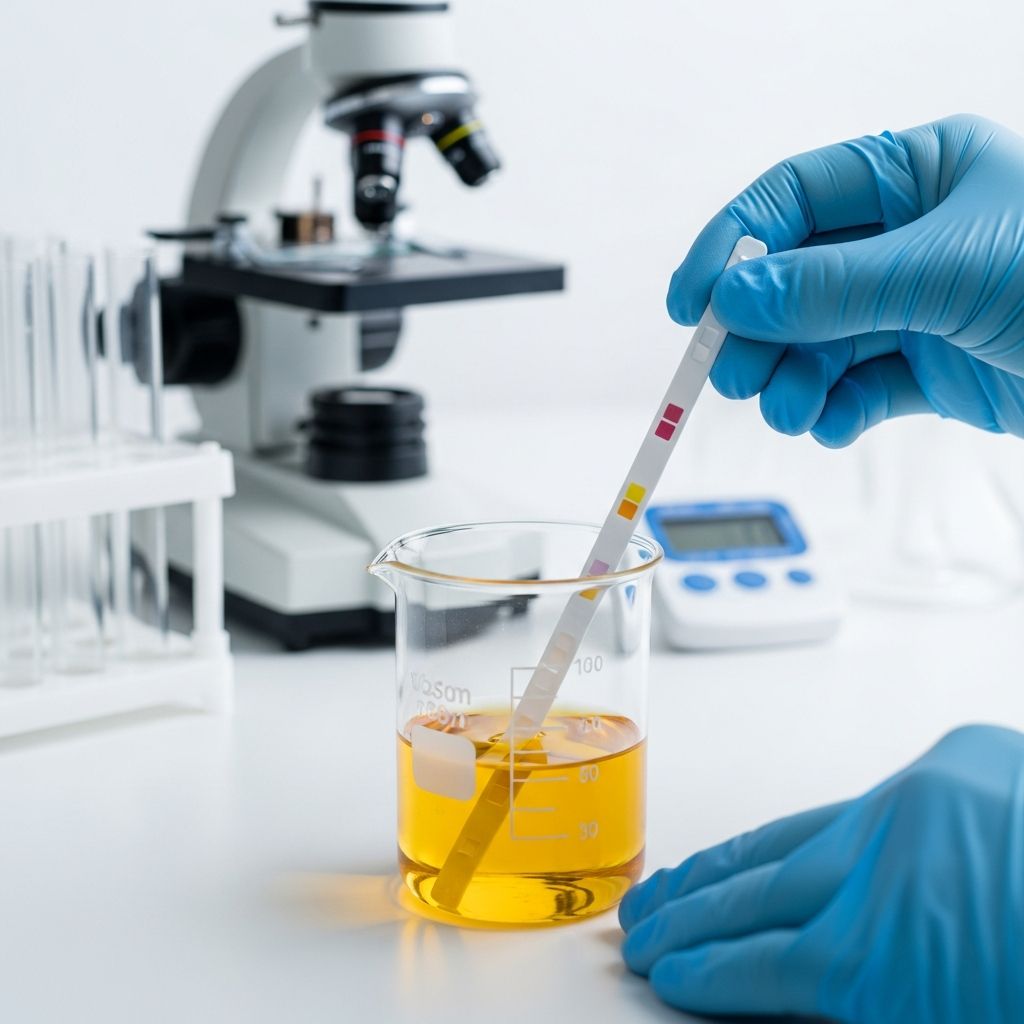
Understanding Urinalysis: A Comprehensive Guide
A urinalysis is a fundamental diagnostic test that examines your urine to detect various health conditions and assess your overall wellness. This common laboratory test analyzes the physical appearance, chemical composition, and microscopic components of your urine sample. Healthcare providers use urinalysis to screen for infections, kidney disease, diabetes, and other medical conditions. Understanding what this test involves and how to interpret results can help you take an active role in managing your health.
What Is a Urinalysis?
A urinalysis is a set of tests that evaluates the appearance of your urine and checks for blood cells, proteins, and other substances that may indicate health issues. The test typically includes three main components: a visual examination, a dipstick test, and a microscopic examination. Your healthcare provider won’t necessarily order all available tests; the specific tests performed depend on what your provider is looking for and your individual health circumstances. Some urinalysis tests focus on screening during routine physical examinations, while others target specific diagnostic concerns.
Purpose and Reasons for Urinalysis
Healthcare providers order urinalysis for several important reasons. The test can help screen for urinary tract infections (UTIs), kidney disease, diabetes, and other metabolic disorders. Urinalysis may be performed as part of a routine physical examination, during pregnancy screening, or when you present with specific symptoms like painful urination, blood in urine, or changes in urination patterns. The test can also monitor existing medical conditions or medication effects. Additionally, urinalysis serves as a screening tool in emergency medicine settings to diagnose conditions ranging from kidney stones to systemic diseases.
Types of Urinalysis Tests
Urinalysis consists of three primary testing methods that work together to provide comprehensive information about your urinary health:
Visual Examination
The visual exam is the first step in urinalysis, where a healthcare provider examines your urine sample with the naked eye. The provider assesses the color, clarity, and any visible characteristics of the sample. Normal urine typically appears pale yellow to clear, though factors like hydration level, diet, and medications can affect color. The clarity assessment determines whether the urine appears clear or cloudy. Any unusual appearance, such as dark brown, reddish, or turbid urine, may indicate an underlying condition requiring further investigation.
Dipstick Test
During the dipstick test, a specially treated strip is dipped into your urine sample. This strip contains chemical pads that change color based on the presence of various substances in your urine. The dipstick can detect glucose, protein, ketones, blood, nitrites, leukocyte esterase, and pH levels. Results appear as positive, negative, or trace amounts depending on the substance detected. The dipstick test provides quick, reliable screening for many common urinary abnormalities and can help guide the need for further testing.
Microscopic Examination
The microscopic exam involves viewing your urine sample under a microscope to identify and count cellular components and other particles. This examination can reveal red blood cells, white blood cells, bacteria, casts, crystals, and other elements that may not be visible to the naked eye. The microscopic findings help diagnose infections, kidney disease, and other conditions affecting the urinary system. Technicians count cells and particles per low power field (LPF) to quantify findings and compare them to normal ranges.
Related Stories



How to Prepare for Urinalysis
Preparing properly for your urinalysis ensures accurate results. In most cases, minimal preparation is needed, but your healthcare provider may give you specific instructions. Generally, you should inform your provider about any medications you’re taking, as some drugs can affect urine color or test results. You don’t need to fast before a routine urinalysis unless your provider specifically requests it for other tests. It’s important to wash your hands with soap and water before collecting your sample to prevent contamination. Some providers may ask you to avoid certain foods or beverages that could affect results, particularly for specialized urine tests like 24-hour collections.
The Collection Procedure
In most cases, you’ll provide a urine sample at your healthcare provider’s office or laboratory using the “clean catch” method. Your provider will give you a sterile specimen cup, sterile wipes, and specific instructions for proper collection. Following these instructions carefully ensures an uncontaminated sample suitable for accurate analysis.
Clean Catch Method for Those With Labia
The clean catch procedure involves several steps to ensure specimen sterility. First, wash the genital area with soap and water, then use the sterile wipe to clean the area around the urethral opening from front to back. Begin urinating into the toilet, then collect the midstream urine in the sterile cup without stopping the urine flow. After collecting approximately one to two ounces of urine, you can finish urinating in the toilet. This midstream collection technique minimizes bacterial contamination from the skin and lower urethra.
Clean Catch Method for Those With a Penis
Men and those with a penis should retract the foreskin if uncircumcised and clean the head of the penis with a sterile wipe. Like the female procedure, begin urinating into the toilet and collect the midstream portion of urine in the sterile cup. This method similarly captures the cleanest portion of the urine stream, reducing contamination risk. After collecting sufficient sample, urination can be completed in the toilet.
Catheter Collection
In certain situations, a healthcare provider may collect a urine sample using a catheter. The provider will clean the area around your urethra opening with an antiseptic solution and carefully insert a thin sterile tube (catheter) into the urethra. Your urine will drain directly into a sterile container, which eliminates contamination risk. After adequate sample collection, the provider removes the catheter. This method is often used for patients unable to provide a clean catch sample, those with mobility limitations, or when maximum sterility is critical.
Understanding Normal Urinalysis Results
Normal urinalysis results typically fall within specific ranges that indicate healthy urinary system function. Understanding these normal values helps you recognize when results may suggest a health concern requiring further evaluation or treatment.
| Test Component | Normal Range |
|---|---|
| Color | Pale to dark yellow or colorless |
| Clarity | Clear |
| Glucose | Negative or trace |
| Protein | Negative or trace |
| Ketones | Negative |
| Blood/Hemoglobin | Negative |
| Leukocyte esterase | Negative or trace |
| Nitrite | Negative |
| Urine pH | 5.0 – 8.0 |
| Specific gravity | 1.005 – 1.030 |
| Bacteria | None or negative |
| Casts | 0/LPF (low powered field) |
Abnormal Urinalysis Results and Their Significance
Abnormal urinalysis findings can indicate various health conditions ranging from minor to serious. Protein in urine may suggest kidney disease or proteinuria, a condition where the kidneys leak protein into urine. Glucose in urine typically indicates diabetes or impaired glucose metabolism. The presence of nitrites and leukocyte esterase together suggests urinary tract infection, as bacteria produce these chemicals. Blood in urine may result from kidney stones, bladder or kidney infections, or more serious conditions like kidney disease. Elevated ketones indicate the body is breaking down fat for energy, seen in diabetes or starvation. Casts and crystals may suggest kidney damage, dehydration, or metabolic disorders. White blood cells in urine often indicate infection or inflammation in the urinary tract. Your healthcare provider will interpret abnormal results in context with your symptoms and medical history to determine appropriate follow-up testing or treatment.
When to Inform Your Healthcare Provider
Certain conditions warrant discussion with your healthcare provider before or during urinalysis testing. Inform your provider if you’re pregnant, as pregnancy affects urinalysis interpretation and may require special testing considerations. Let your provider know about menstruation, as blood from menstruation can contaminate samples and affect results. Report any current urinary symptoms like painful urination, frequency changes, or visible blood. Disclose all medications you’re taking, including over-the-counter drugs and supplements, as these can affect urine composition and test results. If you’ve recently had a urinary tract infection or other urinary condition, inform your provider so results can be properly interpreted.
Special Urinalysis Considerations
Beyond routine urinalysis, your provider might order specialized urine tests for specific diagnostic purposes. A 24-hour urine test requires collecting all urine over a 24-hour period to measure specific substances like protein, electrolytes, or hormones more accurately than random samples. Urine culture specifically tests for bacterial growth to identify UTI-causing organisms and determine appropriate antibiotics. Urine protein tests measure albumin levels to detect kidney disease, particularly important for diabetic patients. These specialized tests provide more detailed information than routine urinalysis and help guide specific treatment decisions.
Sample Handling and Test Stability
Proper sample handling ensures accurate urinalysis results. Most routine urine samples remain stable at ambient temperature for approximately two hours in a clean container or up to 72 hours in preservative tubes. Refrigerated samples maintain stability longer, with clean containers remaining viable for 24 hours and preservative tubes lasting up to 72 hours. Your healthcare provider or laboratory will provide specific instructions for storing and transporting your sample. Following these guidelines prevents bacterial growth, chemical degradation, and cellular breakdown that could compromise test accuracy. If delays in testing are anticipated, your provider may use special preservative tubes designed to maintain sample integrity.
Frequently Asked Questions
Q: How often should I have a urinalysis?
A: Routine urinalysis is often performed during annual physical examinations as a screening tool. However, frequency depends on your age, health status, and any existing conditions. Your healthcare provider will recommend appropriate screening intervals based on your individual needs.
Q: Can I collect my urine sample at home?
A: Yes, in many cases you can collect samples at home using a clean container, though it’s preferable to use sterile collection cups provided by your healthcare provider for the most accurate results. Your provider will give you specific instructions for proper collection technique.
Q: Does urinalysis hurt?
A: No, routine urinalysis is painless. The only discomfort might occur if a catheter is used for collection, which may cause mild pressure sensations but isn’t typically painful when performed by experienced healthcare professionals.
Q: How long does it take to get urinalysis results?
A: Routine urinalysis results are typically available within 24 to 48 hours. Some results from dipstick testing may be available immediately at your provider’s office, while microscopic results require laboratory processing time.
Q: Can medications affect urinalysis results?
A: Yes, certain medications can affect urine color or chemical composition. Inform your healthcare provider about all medications you’re taking so results can be properly interpreted in context.
Q: What does dark or discolored urine mean?
A: Urine color can vary based on hydration level, diet, and medications. Very dark urine may indicate dehydration, while reddish urine could indicate blood or certain foods like beets. Your provider will evaluate color changes in context with other findings.
Q: Is preparation required before urinalysis?
A: Minimal preparation is needed for routine urinalysis. However, inform your provider about medications, supplements, and any urinary symptoms. Proper hand washing before collection and using correct collection technique are important for accurate results.
References
- Urinalysis: What It Is, Purpose, Procedure, Results & Types — Cleveland Clinic. 2024-11-15. https://my.clevelandclinic.org/health/diagnostics/17893-urinalysis
- Urinalysis Only — Cleveland Clinic Laboratories. 2024. https://clevelandcliniclabs.com/test/urinalysis-only/
- Urine Specimen Collection Instructions — Cleveland Clinic Laboratories. 2024. https://clevelandcliniclabs.com/laboratory-resources/specimen-collection-transport/collection/urine-specimen-collection-instructions/
- Urine Culture: What It Is, Purpose, Procedure & Results — Cleveland Clinic. 2024-11-15. https://my.clevelandclinic.org/health/diagnostics/22126-urine-culture
- 24-Hour Urine Test: What It Is, Purpose, Procedure & Results — Cleveland Clinic. 2024-11-15. https://my.clevelandclinic.org/health/diagnostics/24-hour-urine-test
Similar Articles








Read full bio of medha deb