Urinary Catheters Guide: 4 Essential Types, Uses, And Care
Comprehensive overview of urinary catheters: types, uses, insertion methods, care tips, and potential risks for better bladder management.
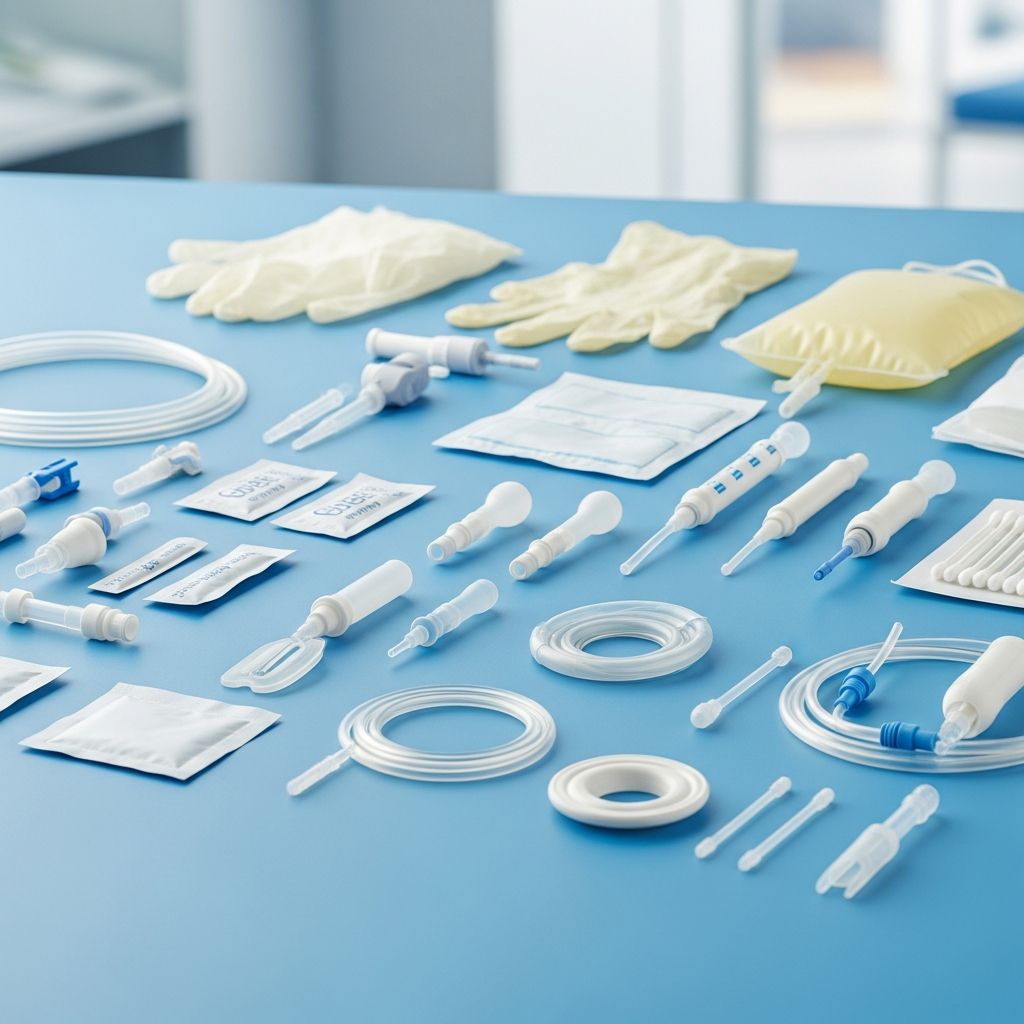
Urinary catheters are vital medical tools designed to drain urine from the bladder when natural voiding is impaired. They assist individuals facing conditions like urinary retention, incontinence, or post-surgical needs by providing a reliable pathway for urine elimination.
Why Urinary Catheters Are Essential
These devices address a range of bladder dysfunctions stemming from neurological disorders, prostate issues, or surgical recovery. For instance, acute urinary retention often requires immediate catheterization to alleviate pressure and prevent kidney damage. In chronic cases, such as multiple sclerosis or spinal cord injuries, catheters enable ongoing management, allowing patients to maintain daily activities with greater independence.
During surgeries, catheters facilitate precise urine output monitoring, crucial for fluid balance in critically ill patients. They also support bladder irrigation to clear clots or debris post-procedure. Overall, selecting the appropriate catheter type hinges on duration of use, patient anatomy, and specific clinical needs.
Primary Types of Urinary Catheters
Catheters vary by insertion method, duration, and design features. Understanding these distinctions helps in choosing the most suitable option for effective bladder drainage.
Urethral Indwelling Catheters (Foley Catheters)
The most prevalent type, Foley catheters feature a flexible tube with an inflatable balloon at the tip. Inserted via the urethra into the bladder, the balloon secures it in place upon inflation, enabling continuous drainage into a leg bag. Double-lumen versions handle drainage and balloon inflation, while triple-lumen ones add irrigation channels for flushing thick fluids or clots.
Ideal for short- to medium-term use in hospitals, they suit post-operative care or acute retention but require regular changes to minimize complications.
Intermittent Self-Catheters
These single-use tubes are inserted periodically to empty the bladder, then removed, mimicking natural urination cycles. Recommended for most long-term users, they reduce infection risks compared to indwelling types.
- Straight catheters: Basic design needing separate lubrication; suitable for straightforward drainage.
- Hydrophilic catheters: Coated for slipperiness upon water activation, easing insertion and lowering trauma.
- Closed-system catheters: Pre-packaged with collection bags, enhancing sterility during self-use.
Patients with neurogenic bladders, like those from spina bifida, often master self-catheterization for autonomy.
Suprapubic Catheters
Surgically placed through the abdominal wall above the pubic bone, these bypass the urethra entirely. Secured by a balloon, they connect to drainage bags or valves. Preferred for long-term needs when urethral access is problematic, such as strictures or trauma, they offer easier hygiene, reduced blockages, and preserved sexual function.
Tract maturation takes 10 days to four weeks, after which trained individuals can replace them routinely.
External Catheters
Non-invasive sheaths for men or pads for women that adhere externally to collect urine. Best for mild incontinence without retention, they avoid internal insertion risks.
Key Design Variations and Selection Criteria
Beyond insertion routes, catheters differ in lumens, tips, sizes, and lengths to match anatomical and therapeutic demands.
| Feature | Description | Common Uses |
|---|---|---|
| Lumens | Single: Drainage only; Double: Drainage + balloon; Triple: + Irrigation | Single for intermittent; Triple for post-op irrigation |
| Tips | Round: Standard; Coudé/Tiemann: Curved for obstructions; Whistle: Open for viscous fluids | Coudé for prostate enlargement |
| Sizes | Measured in French (Fr); 12-16 Fr typical for adults | Smaller for women, larger for men |
Related Stories



Tip choice considers prostate size or strictures; smaller sizes reduce irritation, while open tips aid thick urine flow. Lengths accommodate male vs. female anatomy.
Insertion Procedures and Best Practices
Proper technique is paramount to prevent trauma and infections. Urethral insertion demands sterile conditions, lubrication, and gentle advancement. For suprapubic, local anesthesia precedes puncture above the pubic symphysis.
Self-insertion for intermittent types involves clean hands, mirrors if needed, and hydrophilic aids for smoothness. Healthcare providers handle initial indwelling placements, teaching patients bag management thereafter.
Daily Management and Hygiene Protocols
Maintaining catheter functionality requires diligent care. Secure bags below bladder level to promote gravity drainage, emptying at half-capacity to avoid reflux.
- Clean insertion site daily with soap and water; avoid powders or harsh antiseptics.
- Shower freely but pat dry gently.
- Monitor urine color, volume, and sediment for issues.
- Stay hydrated to prevent concentrated urine and blockages.
For valves on suprapubics, empty every 4 hours or at urge sensation. Replace indwelling catheters monthly or sooner if clogged.
Recognizing and Mitigating Complications
While beneficial, catheters pose risks like urinary tract infections (UTIs), the most common issue, affecting up to 25% of short-term users. Blockages from sediment, spasms causing leakage, or encrustations demand prompt attention.
Rarely, urethral erosion or trauma occurs with prolonged urethral use; suprapubics mitigate this. Strategies include hydrophilic intermittents for lower UTI rates and routine tract checks. Seek medical help for fever, pain, or reduced output.
Lifestyle Integration and Patient Tips
Many adapt seamlessly: leg bags conceal under clothing, valves enable toilet use, and compact intermittent kits fit travel bags. Physical therapy aids mobility, while counseling addresses emotional aspects.
Nutritional focus on fluids and citrate-rich foods combats encrustation. Regular urologist follow-ups ensure optimal sizing and type.
FAQ
How often should an indwelling catheter be changed?
Typically every 4-6 weeks, or sooner if signs of infection or blockage appear.
Can I have sex with a catheter?
Yes, with care; indwelling types may kink, so suprapubics or intermittents are preferable.
What reduces catheter-associated infections?
Hydrophilic intermittent catheters and meticulous hygiene protocols.
Is self-catheterization painful?
Minimal discomfort with practice and lubrication; hydrophilic types enhance comfort.
Who needs a suprapubic catheter?
Those with urethral damage, long-term needs, or dexterity issues for self-use.
Choosing the Right Catheter for Long-Term Use
For sustained needs, prioritize intermittents for natural bladder cycling and lower risks. Evidence favors hydrophilic over non-coated for reduced complications. Suprapubics excel in hygiene and comfort over urethral indwellings. Tailor to lifestyle: active users benefit from discreet valves or compact kits. Consult specialists for personalized plans, weighing mobility, dexterity, and comorbidities.
Advancements like antimicrobial coatings promise fewer UTIs, underscoring ongoing innovation. Patient education empowers safe, effective use, enhancing quality of life amid bladder challenges.
References
- Ins and outs of urinary catheters — RACGP. 2018-03-01. https://www1.racgp.org.au/ajgp/2018/march/ins-and-outs-of-urinary-catheters
- All about catheters: Types, how-to, products — Coloplast US. 2024. https://www.coloplast.us/bladder-and-bowel/catheters/
- Urinary Catheters — Zero To Finals. 2023. https://zerotofinals.com/surgery/urology/catheters/
- Bladder Catheterization — StatPearls, NCBI Bookshelf, NIH. 2023-07-17. https://www.ncbi.nlm.nih.gov/books/NBK560748/
- Types of urinary catheters — NHS. 2023. https://www.nhs.uk/tests-and-treatments/urinary-catheters/types/
- Understanding the Different Types of Catheters — 180 Medical. 2023. https://www.180medical.com/blog/understanding-the-different-types-of-catheters/
- Urinary Catheter: Purpose, Types, Placement & Complications — Cleveland Clinic. 2023-11-03. https://my.clevelandclinic.org/health/treatments/catheter
Similar Articles








Read full bio of medha deb