Urinary Incontinence in Women: Types, Causes, and Treatments
Comprehensive guide to understanding, diagnosing, and treating urinary incontinence in women.
Understanding Urinary Incontinence in Women
Urinary incontinence is a common condition affecting millions of women worldwide, characterized by the involuntary loss of urine. It is not a normal part of aging and should not be ignored or accepted as an inevitable consequence of getting older. While incontinence becomes more prevalent with age, effective treatments and management strategies exist to significantly improve quality of life. Many women suffer in silence due to embarrassment, but understanding this condition and seeking appropriate medical care can lead to successful outcomes.
Urinary incontinence impacts women across all age groups, though it is more common in older adults. The condition can range from occasional minor leaks to severe, uncontrollable loss of urine that interferes with daily activities, work, social interactions, and intimate relationships. Understanding the different types of incontinence, their underlying causes, and available treatment options is essential for women seeking to regain control and confidence.
Types of Urinary Incontinence
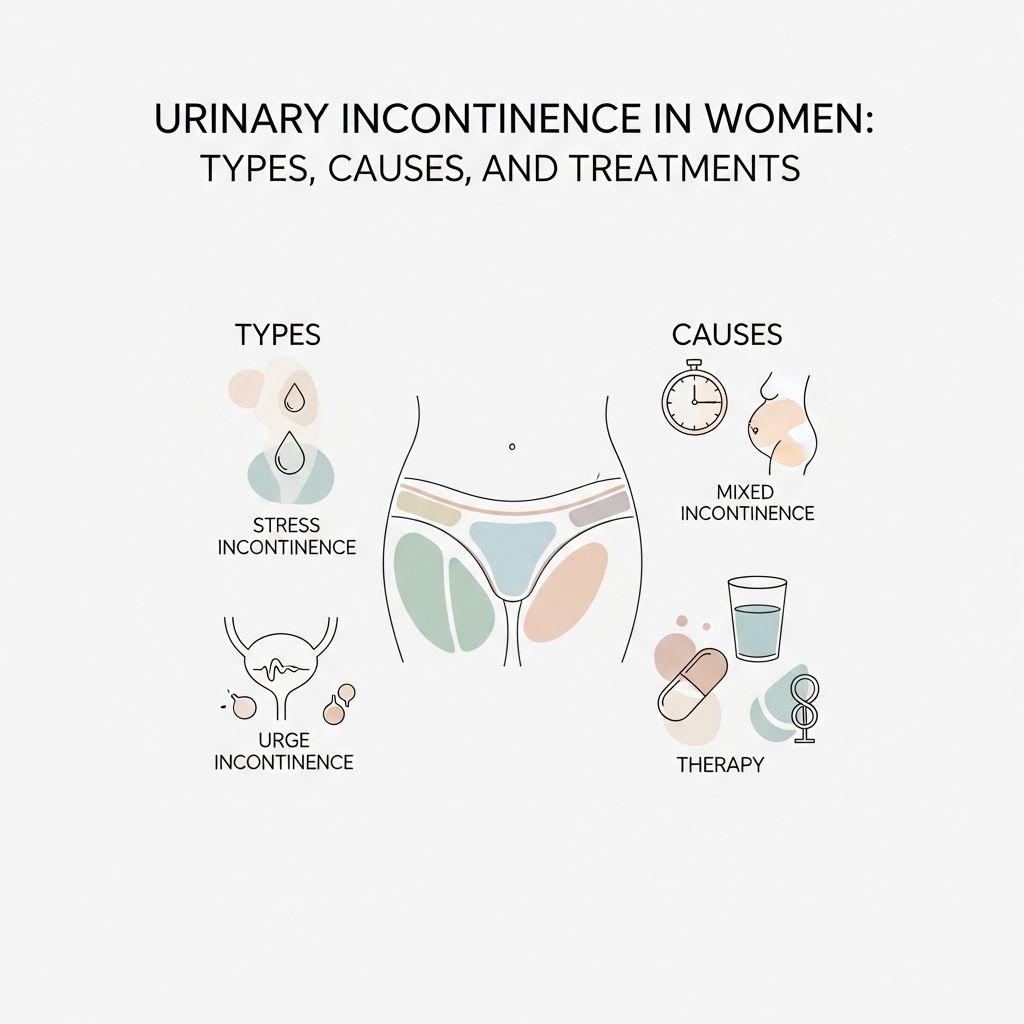
Several distinct types of urinary incontinence exist, each with different causes and treatment approaches. Identifying which type a woman experiences is crucial for determining the most effective treatment strategy.
Stress Incontinence
Stress incontinence occurs when physical activities or movements put pressure on the bladder, causing involuntary urine leakage. Common triggering activities include coughing, sneezing, laughing, exercising, or lifting heavy objects. This is the most common type of incontinence in women and often develops after childbirth, during pregnancy, or following menopause due to weakening of the pelvic floor muscles and urethra support structures.
The underlying mechanism involves insufficient urethral closure pressure during sudden increases in abdominal pressure. Weakened pelvic floor muscles cannot adequately support the bladder neck and urethra, allowing urine to escape. Women with stress incontinence typically experience predictable leakage associated with specific activities.
Urge Incontinence
Urge incontinence, also known as overactive bladder, involves a sudden, compelling urge to urinate followed by involuntary urine loss. Women with urge incontinence experience frequent bathroom visits, both during the day and night (nocturia), and may leak urine before reaching the bathroom. This type results from involuntary bladder muscle contractions or a hypersensitive bladder that sends false signals to the brain about the need to urinate.
The condition may stem from neurological factors, including changes in brain aging, loss of gray matter, reduced detrusor contractility with advancing age, and decreased bladder sensation. Additionally, loss of estrogen during menopause alters the bladder microbiome and decreases urethral co-aptation, contributing to urge symptoms. Conditions such as urinary tract infections, bladder stones, or neurological disorders can trigger urge incontinence.
Mixed Incontinence
Mixed incontinence combines characteristics of both stress and urge incontinence. Women with this type experience both involuntary leakage with physical activities and sudden, compelling urges to urinate. Managing mixed incontinence typically requires addressing both components through comprehensive treatment approaches.
Related Stories



Other Types of Incontinence
Additional less common types include overflow incontinence, which occurs when the bladder cannot empty completely and urine accumulates, eventually leaking out; functional incontinence, where physical or cognitive limitations prevent timely bathroom access; and transient incontinence, which is temporary and related to specific medical conditions or medications.
Causes and Risk Factors
Understanding the underlying causes of urinary incontinence helps guide treatment decisions and management strategies. Multiple factors can contribute to developing incontinence.
Pregnancy and Childbirth
Pregnancy places increased pressure on the bladder and weakens pelvic floor muscles through hormonal changes and mechanical stress. Vaginal delivery can further stretch and damage the pelvic floor muscles and nerves that control urination. Many women experience temporary incontinence after childbirth, though symptoms may persist or develop years later.
Menopause and Hormonal Changes
Declining estrogen levels during menopause significantly impact urinary system function. Loss of estrogen causes thinning of the epithelial cells lining the urethra and bladder, reducing elasticity and co-aptation of the urethra. The vaginal epithelium becomes paper-thin, losing rugae and elasticity, contributing to shortened and narrowed vaginal canals. Additionally, reduced glycogen content in thinned epithelium leads to decreased lactic acid production by lactobacilli, increasing vaginal pH and altering the microbiome, which predisposes women to urinary tract infections and bladder discomfort.
Aging
Natural aging processes affect multiple systems involved in urinary control. Aging of the brain itself results in gray matter loss and altered neural signaling. Pelvic floor muscles weaken and lose elasticity over time. Reduced bladder capacity and sensation occur with aging, and urinary tract tissues become less elastic and more fragile.
Obesity and Weight Gain
Central obesity places added pressure on the bladder and pelvic organs, exacerbating incontinence symptoms. Weight gain increases intra-abdominal pressure, which directly stresses the bladder and compromises urethral closure mechanisms, particularly in stress incontinence.
Constipation
Constipation can worsen urinary incontinence symptoms because the nerves that innervate the rectum and bladder overlap significantly. When the rectum remains full, it can stimulate bladder contractions and interfere with normal urinary control, exacerbating both stress and urge incontinence.
Chronic Cough and Smoking
Chronic coughing from conditions such as chronic obstructive pulmonary disease or smoking habit strains pelvic floor muscles and repeatedly increases intra-abdominal pressure, contributing to stress incontinence development.
Neurological Conditions
Neurological disorders including Parkinson’s disease, multiple sclerosis, spinal cord injuries, and stroke can disrupt normal bladder control mechanisms and contribute to various types of incontinence.
Medications and Medical Conditions
Certain medications, including diuretics, anticholinergics, and some antidepressants, can affect bladder function. Medical conditions such as diabetes, urinary tract infections, and bladder or prostate disorders may also cause or contribute to incontinence.
Diagnosis and Evaluation
Proper diagnosis is essential for determining the most effective treatment approach. The evaluation process typically involves several components:
Medical History and Symptom Assessment
A comprehensive medical history helps identify symptom patterns, triggering factors, and potential underlying causes. Women should describe when incontinence occurs, how much urine is lost, frequency of episodes, and impact on daily life. Information about pregnancy history, surgeries, medications, and medical conditions provides important context.
Physical Examination
A thorough physical examination includes assessment of the pelvic floor muscles, evaluation of pelvic organ support, and neurological testing. The healthcare provider may perform stress testing to observe urine leakage during coughing or straining and assess urethral mobility.
Urinalysis and Urine Culture
Laboratory tests help exclude urinary tract infections or other abnormalities that might contribute to incontinence symptoms. A urine sample is analyzed for signs of infection, blood, glucose, or other abnormalities.
Voiding Diary
A voiding diary or bladder log helps document urinary patterns, including frequency of urination, volume of urine, fluid intake, incontinence episodes, and their triggers. This information provides valuable insights into symptom patterns and severity.
Urodynamic Testing
Advanced urodynamic studies measure bladder function, capacity, and pressure during filling and emptying. These tests help differentiate between types of incontinence and assess sphincter function. Procedures may include cystometry, which measures bladder pressure and capacity, and uroflow studies, which measure urination patterns.
Imaging Studies
Ultrasound or other imaging may assess bladder anatomy, pelvic organ support, and post-void residual volume (urine remaining after urination). These studies help identify structural abnormalities or complications.
Treatment Options
Multiple effective treatment strategies exist for urinary incontinence, ranging from conservative approaches to surgical interventions. Treatment selection depends on incontinence type, severity, underlying causes, and patient preferences.
Lifestyle Modifications
Conservative approaches often provide significant symptom improvement:
– Pelvic Floor Muscle Training (Kegel Exercises): Pelvic floor physical therapists teach proper techniques for strengthening pelvic floor muscles through targeted exercises. Consistent practice strengthens muscles that support urinary control, reducing stress incontinence symptoms and improving bladder stability.- Bladder Training: Scheduled voiding and gradually increasing intervals between urination helps train the bladder and reduce urge incontinence episodes.- Fluid Management: Adjusting fluid intake timing and reducing caffeine and alcohol consumption can decrease urgency and frequency.- Weight Loss: Reducing excess weight decreases intra-abdominal pressure on the bladder, particularly benefiting women with stress incontinence.- Bowel Regularity: Treating constipation reduces rectal pressure on bladder control mechanisms.
Vaginal Estrogen Therapy
Vaginal estrogen treatments, including creams, tablets, and rings, directly restore estrogen to vaginal and urethral tissues. This approach is particularly effective for postmenopausal women experiencing urge incontinence, stress incontinence, and bladder pain syndrome. Vaginal estrogen restores epithelial thickness, improves elasticity and co-aptation of the urethra, restores vaginal pH to premenopausal levels, and shifts vaginal flora back to healthy lactobacilli dominance, preventing recurrent urinary tract infections. Local vaginal estrogen often proves more effective than systemic hormone replacement therapy for urinary symptoms because it directly targets urogenital tissues with high estrogen receptors.
Medications
Pharmacological treatments target specific incontinence types:
– Anticholinergic Medications: These drugs reduce involuntary bladder contractions and are commonly prescribed for urge incontinence. Examples include oxybutynin and tolterodine.- Beta-3 Agonists: Mirabegron relaxes bladder smooth muscle and increases storage capacity, helping control urge incontinence with different mechanisms than anticholinergics.- Topical Estrogen: Local vaginal estrogen addresses hormone deficiency contributing to incontinence.
Percutaneous Tibial Nerve Stimulation (PTNS)
PTNS, also called neuromodulation, involves stimulating the tibial nerve to influence bladder function. This minimally invasive treatment option helps patients with urge incontinence and urinary retention when conservative measures and medications prove ineffective. Regular sessions gradually restore normal bladder control patterns.
Surgical Interventions
Surgical treatments address anatomical problems and severe incontinence resistant to conservative approaches:
– Mid-Urethral Slings: Synthetic mesh slings support the urethra and bladder neck, preventing urine leakage during physical activities. These remain the most common surgical treatment for stress incontinence.- Bladder Neck Suspension: Surgical procedures elevate and stabilize the bladder neck and urethra to restore normal urethral position and function.- Sphincter Augmentation: Injections of bulking agents or artificial urinary sphincter implantation strengthen the sphincter mechanism.- Sacral Neuromodulation: Implanted devices deliver electrical stimulation to sacral nerves, modulating bladder function for severe urge incontinence.
Considerations for Surgical Mesh
While synthetic mesh slings remain the most common surgical treatment for stress urinary incontinence, the US Food and Drug Administration has raised safety concerns regarding vaginal mesh complications. Women considering surgical mesh treatment should thoroughly discuss risks and benefits with their healthcare providers, including potential complications such as mesh erosion, chronic pain, or infection. Some women may require mesh removal or revision procedures if complications develop.
Managing Incontinence: Daily Strategies
Beyond medical treatments, practical strategies help manage incontinence and maintain quality of life:
– Use absorbent pads or protective garments designed specifically for incontinence- Maintain regular bathroom schedules to prevent urgency episodes- Limit evening fluid intake to reduce nighttime incontinence- Wear appropriate clothing that allows quick bathroom access- Practice stress management techniques to reduce tension-related symptoms- Maintain good hygiene practices to prevent skin irritation- Stay physically active with appropriate exercises
When to Seek Medical Care
Women experiencing urinary incontinence should consult healthcare providers when the condition interferes with daily activities, causes emotional distress, or significantly impacts quality of life. Additionally, women should seek medical evaluation if incontinence develops suddenly, is accompanied by other concerning symptoms, or occurs alongside signs of urinary tract infection. Healthcare providers specializing in urogynecology or urology can provide comprehensive evaluation and personalized treatment recommendations.
Conclusion
Urinary incontinence is a treatable condition affecting many women, but it is not an inevitable consequence of aging or childbearing. Multiple effective treatment options exist, ranging from conservative lifestyle modifications and pelvic floor exercises to medications, minimally invasive procedures, and surgical interventions. With proper diagnosis and individualized treatment planning, most women can significantly improve or resolve incontinence symptoms and reclaim their quality of life. Women experiencing incontinence should not hesitate to discuss this concern with healthcare providers, as effective solutions tailored to their specific situation are available.
Frequently Asked Questions
Q: Is urinary incontinence a normal part of aging?
A: While incontinence becomes more common with age, it is not a normal part of aging and should not be accepted as inevitable. Effective treatments exist to manage or resolve incontinence at any age.
Q: What is the most effective treatment for stress incontinence?
A: Pelvic floor muscle training is often the first-line conservative treatment. If unsuccessful, mid-urethral slings remain the most common and effective surgical treatment for stress incontinence.
Q: Can urge incontinence be treated without surgery?
A: Yes, urge incontinence often responds well to conservative treatments including bladder training, medications such as anticholinergics or beta-3 agonists, pelvic floor physical therapy, and vaginal estrogen therapy in postmenopausal women.
Q: How long does pelvic floor muscle training take to show results?
A: Many women notice symptom improvement within 4-6 weeks of consistent pelvic floor muscle training, though continued practice is necessary for sustained benefit and prevention of symptom recurrence.
Q: Is vaginal estrogen therapy safe for all women?
A: Vaginal estrogen is generally safe and well-tolerated for most postmenopausal women. However, women with certain medical conditions or concerns should discuss this option with their healthcare providers to ensure appropriateness.
Q: What should I do if incontinence symptoms don’t improve with initial treatment?
A: If initial treatments prove ineffective, discuss alternative approaches with your healthcare provider, including different medications, advanced procedures like neuromodulation, or specialist referral to a urogynecologist or urologist.
References
- A Woman’s Guide to Urinary Incontinence — Johns Hopkins University Press. 2024. Available at Johns Hopkins Health institutional resources.
- Initial Treatments, New Devices, and When to Refer (For Physicians) — Johns Hopkins Medicine Webinar Series. Educational presentation on overactive bladder management and treatment strategies.
- Removal or revision of vaginal mesh used for the treatment of stress urinary incontinence — Johns Hopkins ACG Clinical Guidelines. Procedural guidance on mesh complications and revision surgery.
Similar Articles








Read full bio of Sneha Tete