Urinary Retention: Causes, Diagnosis & Treatment
Comprehensive guide to understanding urinary retention, its causes, symptoms, and proven treatment options.
Understanding Urinary Retention
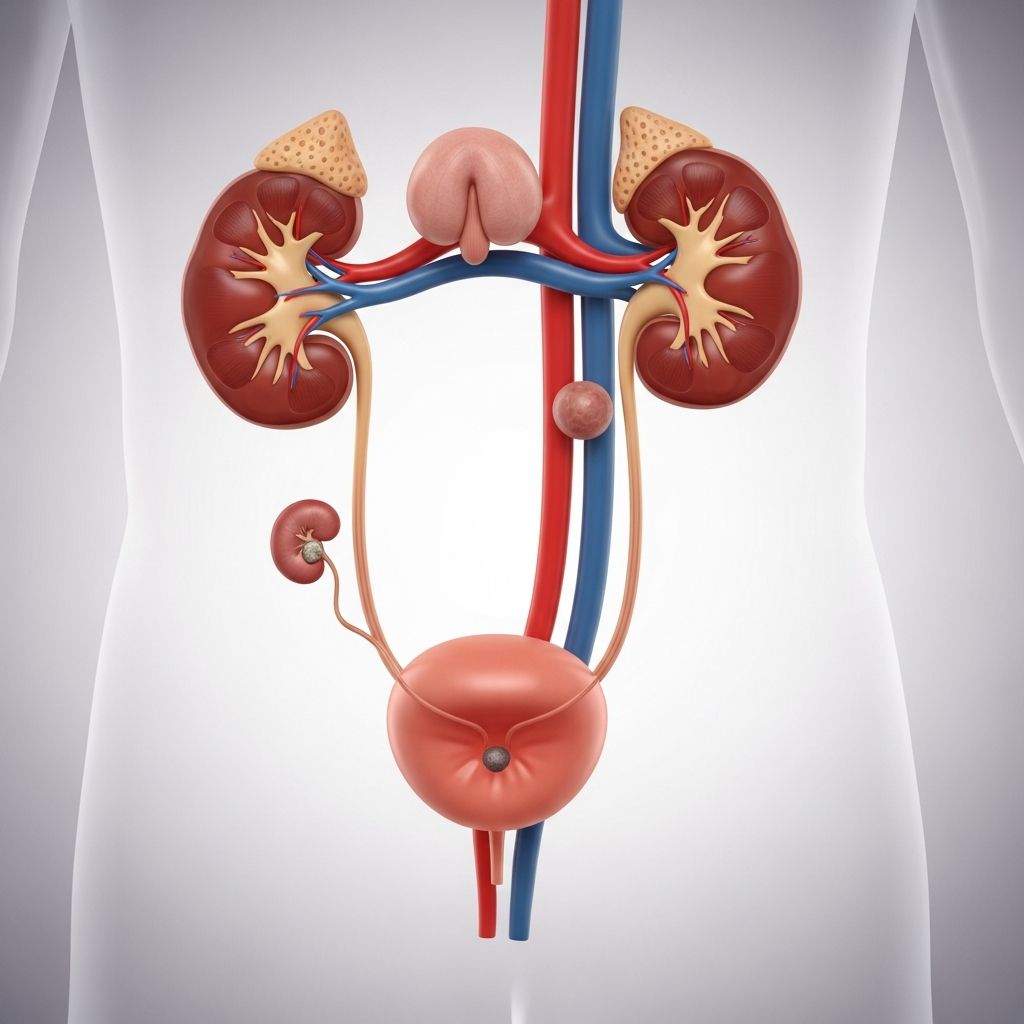
Urinary retention is a medical condition in which your bladder doesn’t empty completely or fails to empty at all when you urinate. Your bladder functions as a storage tank for urine, which is composed of waste filtered by your kidneys from your body. After your kidneys produce urine, it travels to your bladder where it accumulates until you empty it through the urethra—the tube that carries urine from your bladder out of your body.
This condition can develop suddenly or gradually and may affect people of any age or gender, though it occurs more frequently in men. Understanding the mechanisms behind urinary retention is crucial for recognizing symptoms early and seeking appropriate medical intervention.
Types of Urinary Retention
Urinary retention presents in two distinct forms, each with different characteristics and treatment approaches:
Acute Urinary Retention: This is a sudden, complete inability to urinate despite a full bladder. It represents a medical emergency requiring immediate intervention, as it can cause severe discomfort and potential complications if left untreated.
Chronic Urinary Retention: This develops gradually over time, where the bladder cannot empty completely or consistently. Patients may experience partial emptying with residual urine remaining in the bladder after voiding. Chronic retention allows for a more gradual management approach but still requires proper diagnosis and treatment.
Common Causes of Urinary Retention
Urinary retention can result from various medical conditions and factors. Understanding these causes helps healthcare providers develop appropriate treatment strategies:
Blockages and Obstructions
When something blocks the free flow of urine through your bladder and urethra, urinary retention may occur. Blockages represent one of the most common causes of this condition. In men, an enlarged prostate (benign prostatic hyperplasia or BPH) is particularly common, as the prostate can press on the urethra and obstruct urine flow. Other obstructions may include bladder stones, urinary tract infections, or tumors affecting the urinary system.
Nerve-Related Issues
The nervous system plays a critical role in bladder function. Conditions such as neurogenic bladder, spinal cord injuries, diabetes, multiple sclerosis, or Parkinson’s disease can interrupt the electrical signals between your nervous system and bladder, leading to retention. Nerve damage from surgery or trauma can also impair the bladder’s ability to contract and empty properly.
Medication Side Effects
Certain medications can interfere with normal bladder function. Drugs that affect nerve signaling, such as anticholinergics used for various conditions, antihistamines, or certain pain medications, may contribute to urinary retention as an unwanted side effect.
Surgical and Anesthetic Effects
Urinary retention can develop after joint replacement surgery (such as hip replacement) or spinal procedures. General anesthesia administered during surgery can also cause temporary urinary retention. This type of retention typically resolves once the effects of anesthesia wear off and the body recovers from surgery.
Other Contributing Factors
Additional causes may include pelvic floor dysfunction, weakened bladder muscles, severe constipation, pregnancy complications, and postpartum complications. In women, urinary retention following childbirth has become a focus of specialized clinical protocols to prevent long-term complications.
Related Stories



Recognizing Symptoms
Symptoms of chronic urinary retention vary from person to person, but common signs include:
Weak or interrupted urine stream: Difficulty starting urination or a stream that stops and starts frequently.
Incomplete emptying sensation: Feeling that the bladder hasn’t fully emptied after urination.
Frequent or continuous urination: Small amounts of urine passed frequently throughout the day and night.
Urinary incontinence: Unexpected leaking or dribbling of urine.
Lower abdominal discomfort: Pain, pressure, or fullness in the lower abdomen or pelvis.
Weak urine stream or dribbling: Reduced force of urination with minimal output.
Acute urinary retention presents more dramatically with an inability to urinate at all despite a full bladder, often accompanied by significant pain and distension of the lower abdomen.
Risk Factors and Prevalence
While anyone can develop urinary retention, certain populations are at higher risk. Men are more likely to experience this condition than women, primarily due to prostate-related issues. As men age, the risk increases substantially. Additionally, individuals with diabetes, neurological diseases, or a history of urological problems face elevated risk. Postpartum women represent another significant population requiring monitoring, particularly during the early recovery period following delivery.
Diagnostic Procedures
Accurate diagnosis is essential for determining the underlying cause and developing an effective treatment plan. Healthcare providers may employ several diagnostic methods:
Physical Examination and Medical History
Your healthcare provider will conduct a thorough physical examination and review your complete medical history, including current medications, previous surgeries, and symptom onset patterns.
Bladder Scan
A bladder scan uses ultrasound technology to measure the amount of urine remaining in your bladder after voiding. This non-invasive test provides immediate information about post-void residual volume, helping providers assess the severity of retention.
Urinalysis and Urine Culture
Laboratory tests examine urine composition and can identify infections, blood, or other abnormalities that might contribute to retention.
Post-Void Residual Measurement
This test measures how much urine remains in your bladder after you’ve attempted to empty it completely. Elevated residual volumes indicate retention and guide treatment decisions.
Uroflowmetry
This test measures the flow rate and pattern of urination, helping identify whether retention results from inadequate bladder contractions or outlet obstruction.
Cystoscopy
A thin camera allows direct visualization of the bladder’s interior to identify blockages, stones, or structural abnormalities causing retention.
Imaging Studies
Ultrasound, CT scans, or MRI may be recommended to visualize the bladder, urethra, prostate, and surrounding structures, revealing obstructions or anatomical issues.
Urodynamic Testing
These specialized tests measure bladder pressure and function during filling and emptying, providing detailed information about nerve and muscle function.
Treatment Approaches
Treatment for urinary retention depends on whether you have the acute or chronic form, as well as the underlying cause. Healthcare providers typically begin with less invasive options before considering surgical interventions.
Acute Urinary Retention Treatment
Since acute retention represents a medical emergency, your healthcare provider will immediately insert a catheter to drain the bladder. This provides almost immediate relief of symptoms. Once emergency treatment is complete, your provider will work to determine the underlying cause and implement appropriate long-term management strategies.
Chronic Urinary Retention Management
Medication: Your provider may prescribe medications to treat the underlying cause, including:
– Medications for urinary tract infections or other infections
– Medications to relax the urethra or improve bladder contractions
– Medications for nerve-related conditions causing retention
– Pain management medications if applicable
Catheterization: Temporary catheter use at home may be necessary, particularly for nerve-related retention issues. Your provider will teach you how to self-catheterize safely and maintain proper hygiene to prevent infections.
Nonsurgical Approaches: Several nonsurgical treatments can provide symptom relief, including:
– Pelvic floor physical therapy to strengthen bladder and sphincter muscles
– Scheduled voiding and bladder training programs
– Double voiding techniques to optimize bladder emptying
– Lifestyle modifications and fluid management strategies
– Biofeedback techniques to improve muscle control
Surgical Treatment Options
Surgical procedures may be necessary depending on the retention cause. Your healthcare provider will recommend surgery to address:
– Prostate enlargement (benign prostatic hyperplasia)
– Urethral strictures or narrowing
– Bladder stones
– Tumors obstructing the urinary system
– Anatomical abnormalities
If less invasive procedures don’t provide adequate relief, your provider may consider more invasive surgical options such as:
– Transurethral resection of the prostate (TURP)
– Urethral dilation or stent placement
– Bladder neck procedures
– Sacral neuromodulation for nerve-related retention
Specialized Care: Postpartum Urinary Retention
Postpartum voiding dysfunction is common after obstetric delivery and can lead to postpartum urinary retention (PPUR)—defined as residual bladder volume after voiding of 150 mL or an inability to void six hours after delivery. If left untreated, this condition can cause long-term damaging effects on the bladder. Recognizing this clinical need, healthcare systems have developed specialized care pathways to prevent complications. These protocols focus on measuring and recording a patient’s first three voids after delivery or catheter removal, with further evaluation recommended if a patient cannot void within six hours post-delivery or shows signs of urinary retention. This preventive approach helps new mothers focus on recovery and bonding with their newborns without avoidable complications.
Frequently Asked Questions
Q: What is the difference between urinary retention and urinary incontinence?
A: Urinary retention occurs when your bladder cannot empty completely or at all, leading to urine buildup. Urinary incontinence is the opposite problem—involuntary leaking of urine. While retention involves insufficient emptying, incontinence involves inability to hold urine.
Q: Can urinary retention resolve on its own?
A: Some cases of acute retention following surgery or anesthesia may resolve naturally as the body recovers. However, chronic retention typically requires medical intervention. It’s important to seek professional evaluation rather than waiting for spontaneous resolution.
Q: Is self-catheterization safe?
A: Yes, self-catheterization is safe when performed correctly with proper training from a healthcare provider. Your provider will teach you sterile technique and signs of infection to watch for. This approach allows patients with chronic retention to manage their condition independently.
Q: What complications can result from untreated urinary retention?
A: Untreated retention can lead to recurrent urinary tract infections, bladder damage, kidney damage, and urinary incontinence. In postpartum women, it may cause long-term bladder dysfunction affecting quality of life.
Q: How often should I get bladder scans if I have urinary retention?
A: The frequency depends on your specific condition and treatment plan. Your healthcare provider will recommend an appropriate monitoring schedule based on your post-void residual volumes and response to treatment.
Q: Are there lifestyle changes that can help urinary retention?
A: Yes, several lifestyle modifications may help, including adequate hydration, scheduled voiding, pelvic floor exercises, bowel regularity to prevent constipation, and managing underlying conditions like diabetes. Your healthcare provider can recommend specific strategies for your situation.
Q: When should I seek emergency care for urinary retention?
A: Seek immediate medical attention if you experience sudden inability to urinate accompanied by severe lower abdominal pain, distension, or discomfort. These symptoms indicate acute retention requiring emergency intervention.
When to Contact Your Healthcare Provider
Contact your healthcare provider if you experience weak urinary stream, incomplete emptying sensation, frequent urination with small volumes, unexplained urinary incontinence, or lower abdominal discomfort. Early evaluation and diagnosis can prevent complications and improve outcomes significantly. Your healthcare team can determine the underlying cause and recommend appropriate treatment to restore normal bladder function and improve your quality of life.
References
- Nurses Drive Initiative to Address Postpartum Urinary Retention — Cleveland Clinic. 2021. https://consultqd.clevelandclinic.org/nurses-drive-initiative-to-address-postpartum-urinary-retention
- Urinary Retention: Causes, Diagnosis & Treatment — Cleveland Clinic. https://my.clevelandclinic.org/health/diseases/15427-urinary-retention
- More than 50 Years Later, Man Finds Successful Treatment for Urinary Retention — Cleveland Clinic. https://my.clevelandclinic.org/patient-stories/497-more-than-50-years-later-man-finds-successful-treatment-for-urinary-retention
- Neurogenic Bladder: Causes, Symptoms & Management — Cleveland Clinic. https://my.clevelandclinic.org/health/diseases/15133-neurogenic-bladder
- Urinary System: Organs, Anatomy, Function & Conditions — Cleveland Clinic. https://my.clevelandclinic.org/health/body/21197-urinary-system
Similar Articles








Read full bio of medha deb