Urinary Tract Infection in Men: Causes, Symptoms, and Treatment
Understanding UTIs in men: Recognition, diagnosis, and effective treatment options explained.
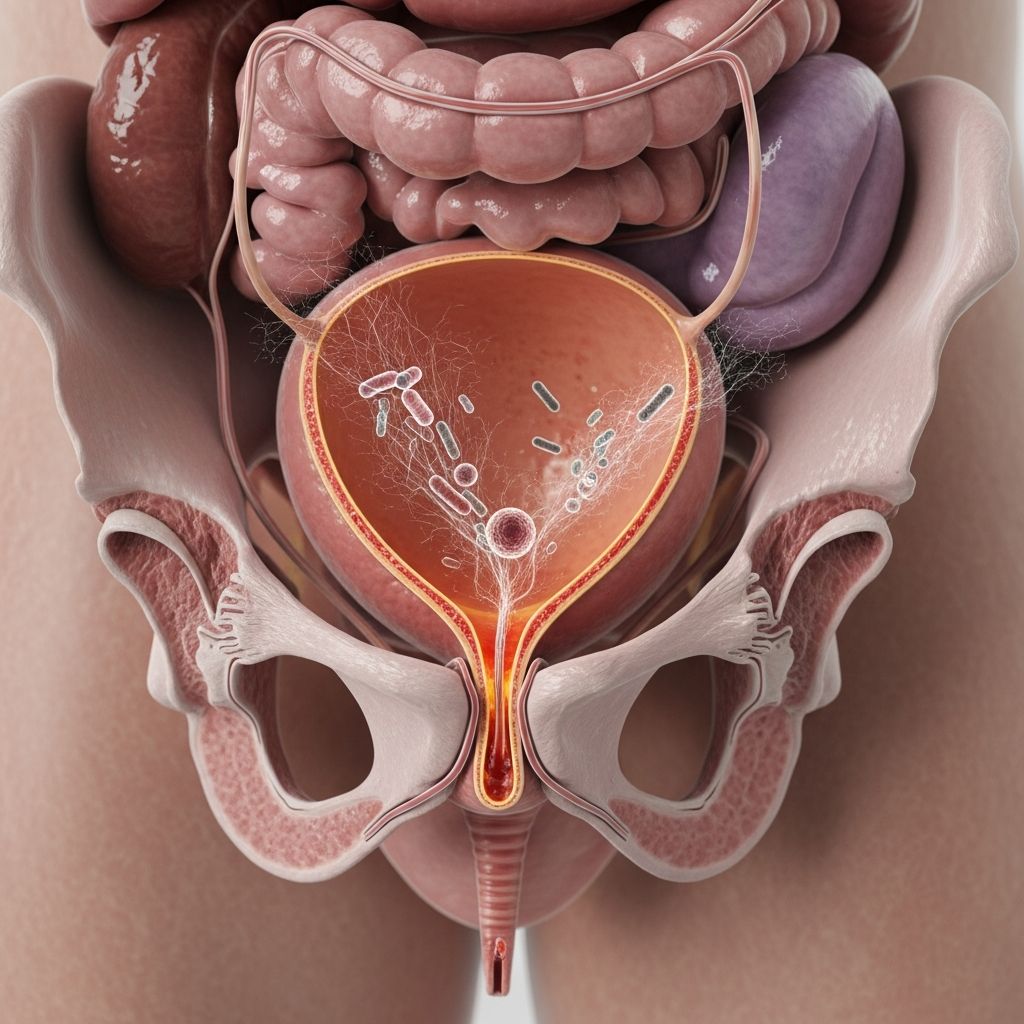
What is a Urinary Tract Infection?
A urinary tract infection (UTI) is a bacterial infection that affects any part of the urinary system, including the kidneys, ureters, bladder, and urethra. While UTIs are often associated with women, they also affect men, though less frequently. Approximately 12 percent of men will experience a urinary tract infection at some point in their lifetime, compared to 40 percent of women. When the bacterial infection affects the lower urinary tract, it is known as cystitis or a bladder infection. If the upper urinary tract is involved, it is called pyelonephritis or a kidney infection.
Types of Urinary Tract Infections
Urinary tract infections are characterized by different classifications based on the location and severity of the infection:
- Acute cystitis: An infection of the bladder that develops suddenly and causes acute symptoms
- Acute pyelonephritis: An infection of the kidney that may follow an untreated bladder infection and can be more serious
- Asymptomatic bacteriuria: The presence of bacteria in the urine without any symptoms; often discovered during routine screening
Symptoms of UTIs in Men
During a UTI, the lining of the bladder and urethra become irritated, causing various uncomfortable symptoms. Men experiencing a urinary tract infection may notice:
- Dysuria (painful or burning sensation during urination)
- Urinary frequency (needing to urinate more often than usual)
- Urinary urgency (sudden, persistent urge to urinate)
- Nocturia (waking up multiple times at night to urinate)
- Suprapubic discomfort (pain in the lower abdomen or pelvis)
- Blood or pus in the urine (hematuria or pyuria)
- Cloudy or strong-smelling urine
- General malaise or fatigue
In cases of pyelonephritis or kidney infection, men may also experience fever, chills, and flank pain. Seeking medical attention is important when these symptoms appear, especially if accompanied by fever or severe pain.
Causes and Risk Factors
Urinary tract infections in men result from bacterial colonization of the urinary system. The most common causative organism is Escherichia coli (E. coli), though other bacteria may be responsible. Several factors increase the risk of UTI development in men:
- Age: UTIs are more common in older men, particularly those over 50
- Prostate problems: Benign prostatic hyperplasia (BPH) and prostatitis can obstruct urine flow
- Urinary retention: Inability to completely empty the bladder allows bacterial growth
- Urinary catheters: Long-term catheter use increases infection risk
- Anatomical abnormalities: Structural problems in the urinary tract may predispose men to infection
- Diabetes: Elevated blood sugar levels increase infection susceptibility
- Weakened immune system: HIV/AIDS or immunosuppressive medications reduce infection-fighting ability
- Recent urological procedures: Medical interventions may introduce bacteria into the urinary system
- Dehydration: Insufficient fluid intake concentrates urine and promotes bacterial growth
Diagnosis of Urinary Tract Infections
Accurate diagnosis is essential for appropriate treatment. In addition to a thorough medical history and physical examination, healthcare providers use several diagnostic tests and procedures:
Urinalysis
A urinalysis examines the urine sample under a microscope and through chemical testing. This test identifies the presence of white blood cells, red blood cells, nitrites, and leukocyte esterase—all indicators of infection.
Urine Culture
A urine culture is considered the gold standard for UTI diagnosis. This test identifies the specific bacteria causing the infection and determines antibiotic sensitivity, allowing for targeted treatment.
Imaging Studies
When recurrent infections occur or anatomical abnormalities are suspected, imaging studies such as ultrasound, CT scan, or voiding cystourethrogram (VCUG) may be recommended to visualize the urinary tract structure.
Related Stories



Cystoscopy
In cases of recurrent infections or persistent symptoms, cystoscopy allows direct visualization of the bladder interior to identify underlying problems.
Treatment Options
Specific treatment for a UTI is determined by a healthcare provider based on the severity of infection, the causative organism, and individual patient factors. Treatment typically includes:
Antibiotic Therapy
Antibiotics are the primary treatment for bacterial urinary tract infections. The choice of antibiotic depends on the identified bacteria and local resistance patterns. Research indicates that 7-day antibiotic therapy is noninferior to 14-day therapy in men without fever (afebrile men) experiencing uncomplicated UTI. Common first-line antibiotics include fluoroquinolones such as ciprofloxacin or levofloxacin, though trimethoprim-sulfamethoxazole may also be used depending on bacterial sensitivity.
Symptomatic Relief
Over-the-counter pain relievers such as ibuprofen or acetaminophen can help alleviate dysuria and discomfort. Urinary analgesics like phenazopyridine may provide additional relief, though they do not treat the underlying infection.
Hydration
Increasing fluid intake, particularly water, helps dilute urine and promotes more frequent urination, which aids in bacterial clearance from the urinary system.
Management of Underlying Conditions
If an underlying illness has contributed to the UTI, such as diabetes, prostate enlargement, or urinary obstruction, appropriate treatment of these conditions is essential to prevent recurrence.
Prevention Strategies
While it is not possible to prevent every urinary tract infection, men can take several steps to reduce their risk:
- Maintain proper hydration: Drink adequate water daily to keep urine diluted and promote regular urination
- Empty bladder completely: Ensure complete bladder emptying during urination to minimize residual urine
- Urinate after sexual activity: This helps flush bacteria that may have entered the urethra
- Practice good hygiene: Maintain proper genital hygiene and cleanliness
- Avoid irritants: Limit use of products that may irritate the urethra, such as spermicides
- Manage underlying conditions: Properly control diabetes and other chronic conditions that increase UTI risk
- Monitor prostate health: Address symptoms of benign prostatic hyperplasia or prostatitis promptly
- Minimize catheter use: When possible, avoid long-term urinary catheterization
- Consider cranberry products: Some evidence suggests cranberry juice or supplements may help prevent certain UTIs
Complications of Untreated UTIs
While most uncomplicated UTIs respond well to treatment, leaving an infection untreated can lead to serious complications. Pyelonephritis can cause permanent kidney damage if not treated promptly. Additionally, recurrent or chronic UTIs may indicate underlying structural or functional abnormalities requiring further investigation and intervention. In severe cases, untreated UTIs can lead to sepsis, a life-threatening systemic infection.
When to Seek Medical Care
Men should consult a healthcare provider if they experience symptoms suggestive of a urinary tract infection, particularly:
- Persistent dysuria lasting more than a few days
- Blood in the urine
- Fever or chills accompanying urinary symptoms
- Severe abdominal or back pain
- Recurrent UTI episodes
- Symptoms following urological procedures
Frequently Asked Questions
Q: Are urinary tract infections contagious between partners?
A: UTIs are not sexually transmitted infections. They result from bacteria already present in or around the urinary tract, not from pathogens passed between partners. However, sexual activity may facilitate bacterial entry into the urethra.
Q: Can men develop UTIs from sexual activity?
A: While less common than in women, men can develop UTIs following sexual activity if bacteria are introduced into the urethra. Urinating after sexual activity may help reduce this risk.
Q: How long does antibiotic treatment take for male UTIs?
A: For uncomplicated UTIs in men without fever, a 7-day course of antibiotics is typically sufficient and as effective as longer treatment durations. More complicated infections may require extended therapy.
Q: Can UTIs in men cause infertility?
A: Acute UTIs do not typically cause permanent infertility. However, recurrent or severe infections affecting the prostate may impact fertility. Proper treatment minimizes this risk.
Q: Should men with recurrent UTIs undergo special testing?
A: Yes, men experiencing recurrent UTIs should undergo thorough urological evaluation, including imaging studies and possibly cystoscopy, to identify underlying structural or functional abnormalities.
References
- Urinary Tract Infection UTI — Brigham and Women’s Hospital. 2024. https://www.brighamandwomens.org/surgery/urology/urinary-tract-infection
- Acute Bacterial Prostatitis — National Institute of Diabetes and Digestive and Kidney Diseases (NIDDK), National Institutes of Health. 2023. https://www.niddk.nih.gov/health-information/urologic-diseases/prostatitis-inflammation-prostate
- Urinary Tract Infections in Men — American Urological Association. 2024. https://www.auanet.org/
- Infectious Diseases Society of America Guidelines for Asymptomatic Bacteriuria — IDSA Clinical Practice Guidelines. 2023. https://academic.oup.com/cid/
Similar Articles








Read full bio of Sneha Tete