Urinary Tract Infection Treatment: Options and Approaches
Comprehensive guide to UTI treatment, from antibiotics to preventive care strategies.
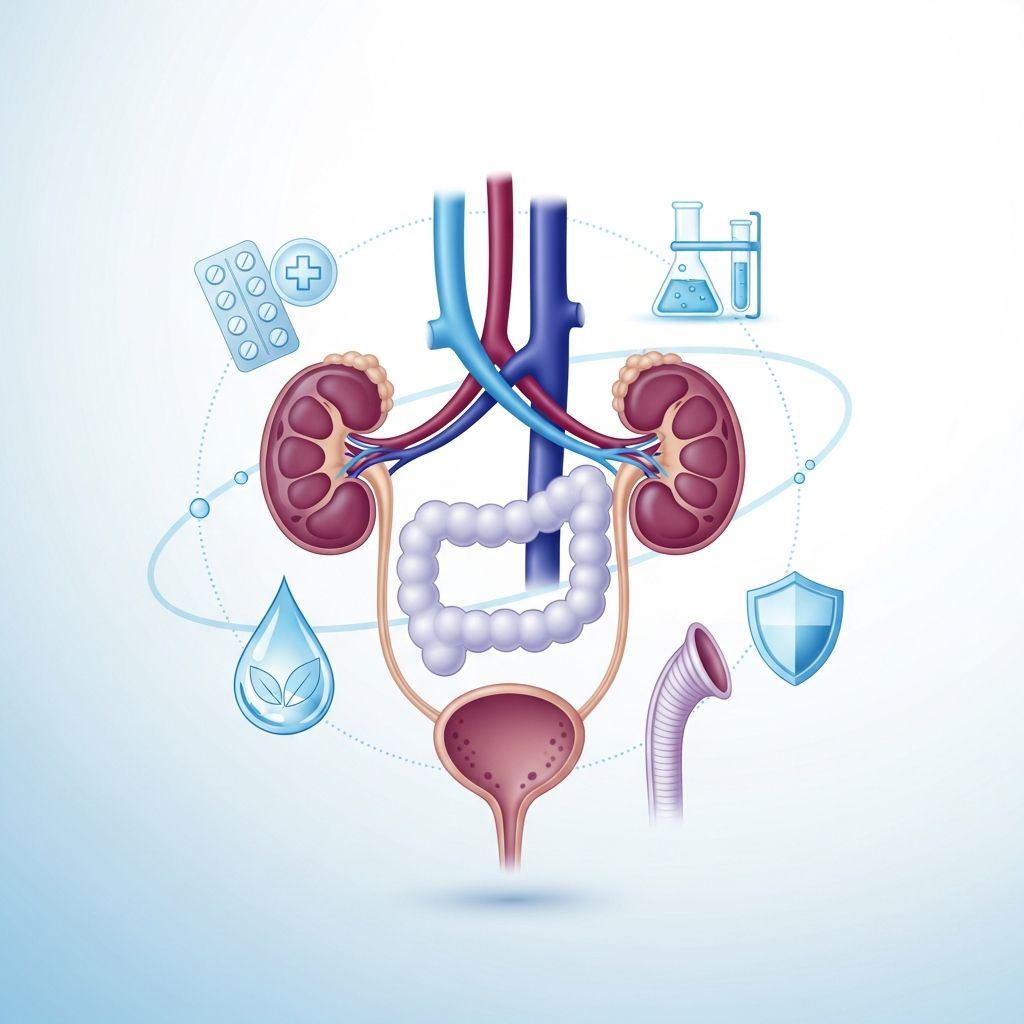
Urinary tract infections (UTIs) are among the most common bacterial infections, affecting millions of people each year. If left untreated, UTIs can cause significant discomfort and lead to serious complications. Fortunately, effective treatments are readily available. Understanding your treatment options, from antibiotics to preventive strategies, empowers you to manage this condition confidently.
Understanding UTI Treatment Basics
Antibiotics are the primary and most effective treatment for active urinary tract infections. When you develop a UTI, your healthcare provider will likely prescribe an antibiotic tailored to the type of bacteria causing your infection and your overall health status. The choice of medication and treatment duration depends on several factors, including whether your infection is simple or complicated, your medical history, and local antibiotic resistance patterns in your community.
Most people begin to feel better within a few days of starting antibiotic treatment, though complete symptom resolution may take longer as inflammation subsides. It is crucial to complete the full course of antibiotics as prescribed, even if symptoms disappear, to prevent the infection from returning and developing antibiotic resistance.
First-Line Antibiotic Options for Simple UTIs
Simple UTIs are infections that occur in otherwise healthy individuals without structural abnormalities or complicating factors. Healthcare providers have several proven antibiotic options for treating these infections.
Trimethoprim-Sulfamethoxazole (TMP-SMX)
Trimethoprim-sulfamethoxazole, commonly known as Bactrim or Bactrim DS, is considered the gold standard first-line treatment for uncomplicated UTIs in many communities. This combination antibiotic works synergistically by blocking two separate steps in bacterial folate metabolism, effectively inhibiting DNA synthesis and eliminating the infection. The medication is favored because of its low cost, proven efficacy against common uropathogens, and favorable side effect profile.
However, the effectiveness of TMP-SMX depends on local resistance patterns. Guidelines recommend using TMP-SMX as first-line therapy only in communities where bacterial resistance to this antibiotic is less than 10–20%. If resistance rates are higher in your area, your provider may recommend alternative antibiotics.
Fosfomycin
Fosfomycin is an alternative first-line antibiotic for simple UTIs, particularly useful for patients who cannot tolerate TMP-SMX or have allergies to sulfonamides. This medication is often prescribed as a single-dose treatment, making it convenient for patients seeking a shorter treatment course.
Nitrofurantoin
Nitrofurantoin, available under brand names such as Macrobid and Macrodantin, is another effective first-line option for uncomplicated UTIs. This antibiotic concentrates in the urine at levels significantly higher than in the bloodstream, making it particularly effective for bladder infections. Nitrofurantoin is well-tolerated by most patients and has a narrow spectrum of activity, meaning it targets uropathogens while minimizing disruption to healthy vaginal and intestinal bacteria.
Related Stories



Cephalexin and Ceftriaxone
Cephalosporin antibiotics, including cephalexin and ceftriaxone, represent another class of first-line treatments for simple UTIs. These beta-lactam antibiotics are effective against common uropathogens and are suitable for patients with penicillin allergies (though cross-reactivity with cephalosporins is possible and should be discussed with your provider).
Treatment Duration: Short-Course vs. Longer Regimens
The optimal duration of antibiotic therapy for UTIs has evolved based on clinical evidence. Three-day antibiotic courses appear to be optimal for uncomplicated UTIs in women, providing similar cure rates to longer treatments while reducing the risk of side effects.
For simple UTIs in otherwise healthy individuals, healthcare providers may recommend:
- 1–3 days of antibiotic therapy for short-course treatment
- 7–10 days for standard treatment courses
- Longer durations (10–14 days) for complicated infections or if acute bacterial prostatitis is suspected in men
The specific duration prescribed for your infection depends on your symptoms, the antibiotic chosen, and your medical history. Always follow your healthcare provider’s instructions regarding how long to take your medication, as inadequate treatment duration can result in recurrent infections that are more difficult to treat.
Antibiotics for Complicated UTIs
Complicated UTIs occur in patients with structural or functional abnormalities of the urinary tract, pregnant women, men with prostatitis, or patients with severe systemic illness. Treatment of complicated UTIs often requires different approaches than simple infections.
For complicated UTIs with confirmed bacterial susceptibility results from urine culture, healthcare providers recommend switching to targeted antibiotic therapy based on laboratory findings rather than continuing broad-spectrum empiric antibiotics. This targeted approach improves outcomes while reducing unnecessary antibiotic exposure.
For complicated UTIs showing clinical improvement on effective therapy, shorter courses—either 5–7 days of fluoroquinolone antibiotics or 7 days of non-fluoroquinolone antibiotics—are preferred over longer durations. In cases of complicated UTI with gram-negative bacteremia, a 7-day course is generally recommended rather than extended 14-day regimens.
Fluoroquinolones: When and Why They’re Used
Fluoroquinolone antibiotics are broader-spectrum agents that are reserved for specific situations rather than routine first-line use. These medications are recommended when:
- Local resistance rates to trimethoprim exceed 10–20%
- Patients cannot tolerate trimethoprim-sulfamethoxazole
- Recurrent UTIs are present
- Community resistance patterns warrant broader coverage
While effective, fluoroquinolones are more expensive than first-line options and carry a broader spectrum of activity, which can increase the risk of selecting resistant bacteria and altering healthy microbial flora.
Preventive Antibiotic Therapy for Recurrent UTIs
Women who experience frequent UTIs may benefit from prophylactic (preventive) antibiotic strategies. For postcoital (after intercourse) prevention, antibiotics such as nitrofurantoin, trimethoprim-sulfamethoxazole, or fluoroquinolones taken within two hours after sexual intercourse significantly reduce the incidence of recurrent cystitis.
For patients with frequently recurring symptomatic UTIs, short-course patient-initiated therapy allows women to start treatment as soon as symptoms appear. The primary advantages of this approach are convenience and avoidance of antibiotic toxicity, though symptomatic infections are not prevented between occurrences.
Healthcare providers may also recommend low-dose antibiotics for a limited time to prevent infection recurrence, particularly in patients with a history of frequent UTIs. This cautious approach is used because long-term antibiotic use can lead to bacterial resistance and increase the risk of other types of infections.
Non-Antibiotic Supportive Care
While antibiotics are essential for treating active UTIs, supportive measures can help manage symptoms and promote recovery:
- Stay hydrated: Drinking adequate water helps flush bacteria from your urinary system and dilutes urine, reducing bladder irritation.
- Pain management: Over-the-counter pain relievers may help manage discomfort while antibiotics work.
- Avoid irritants: Limit caffeine, alcohol, and spicy foods that may irritate the bladder.
- Urinate frequently: Empty your bladder regularly to reduce bacterial concentration.
Prevention Strategies to Reduce UTI Recurrence
Preventing UTI recurrence is as important as treating active infections. Several evidence-based strategies can significantly reduce your risk:
Hydration and Urinary Habits
Drinking adequate water and urinating regularly help prevent bacterial accumulation in the bladder. Avoid holding urine for extended periods, as this creates an environment where bacteria can multiply.
Hormonal Therapy for Postmenopausal Women
For women in perimenopause or menopause, topical vaginal estrogen therapy can help reduce the risk of recurrent UTIs. Estrogen helps maintain vaginal and urethral tissue health, strengthening natural defenses against infection. This approach is appropriate only for women without medical contraindications to estrogen use.
Bowel Health and Constipation Management
Constipation can increase UTI risk by allowing bacteria to ascend into the urinary tract. Managing constipation through adequate fiber intake—including fruits, vegetables, beans, and whole grains—and regular physical activity promotes healthy bowel function and reduces infection risk.
Avoiding Spermicides
Spermicides can alter vaginal flora and increase UTI susceptibility, particularly when used frequently. Discussing contraceptive alternatives with your healthcare provider may reduce your infection risk.
When to Seek Medical Care
You should see a healthcare provider if you experience:
- Painful urination or burning sensations
- Urgency and frequency of urination
- Cloudy, dark, or bloody urine
- Lower abdominal or back pain
- Fever or chills (especially with flank pain, suggesting pyelonephritis)
- Symptoms that persist despite home remedies
If you have a UTI along with pregnancy, fever, signs of sepsis, or are immunocompromised, you absolutely need antibiotic treatment and should seek immediate medical attention.
Treatment Outlook and Recovery
The prognosis for UTI treatment is excellent. Most UTIs respond very well to appropriate antibiotic therapy, with most people feeling better within a few days of starting treatment. Once your healthcare provider identifies the causative bacteria and prescribes the correct antibiotic, symptom improvement typically occurs rapidly.
Completing the full antibiotic course prevents relapse and reduces the likelihood of developing antibiotic-resistant bacteria. While a UTI can be annoying and uncomfortable before treatment begins, effective medical care ensures quick symptom resolution and long-term health.
Frequently Asked Questions
Q: Can UTIs go away without antibiotics?
A: Minor urinary tract infections can sometimes resolve on their own; however, most UTIs require antibiotics to clear completely. Delaying treatment risks the infection spreading to the kidneys or bloodstream, causing serious complications.
Q: How long do UTI symptoms take to improve with antibiotics?
A: Most people begin feeling better within a few days of starting antibiotics, though complete symptom resolution and inflammation reduction may take longer. Continue taking your full antibiotic course even if symptoms disappear.
Q: What is the shortest effective treatment course for a simple UTI?
A: For simple UTIs in healthy individuals, a 1–3 day antibiotic course may be sufficient, with three-day regimens appearing optimal in clinical studies. Your healthcare provider will determine the appropriate duration based on your specific situation.
Q: Should I take probiotics or cranberry supplements during UTI treatment?
A: Discuss complementary approaches with your healthcare provider. While some emerging treatments like d-mannose show promise, antibiotics remain the proven first-line treatment. Any supplements should complement, not replace, prescribed antibiotic therapy.
Q: Why is it important to complete the full antibiotic course?
A: Stopping antibiotics early allows surviving bacteria to multiply and causes recurrent infections that may be harder to treat. Completing the full course ensures complete bacterial eradication and reduces antibiotic resistance development.
Q: How can I prevent future UTIs?
A: Prevention strategies include staying hydrated, urinating regularly, managing constipation, avoiding spermicides, and for postmenopausal women, considering vaginal estrogen therapy. Discuss prophylactic antibiotics with your provider if you experience frequent infections.
References
- Management of Uncomplicated Urinary Tract Infections — National Institutes of Health, National Center for Biotechnology Information. 2005. https://pmc.ncbi.nlm.nih.gov/articles/PMC1071654/
- Urinary Tract Infection (UTI): Diagnosis and Treatment — Mayo Clinic. 2024. https://www.mayoclinic.org/diseases-conditions/urinary-tract-infection/diagnosis-treatment/drc-20353453
- Urinary Tract Infection (UTI): Causes, Symptoms & Treatment — Cleveland Clinic. 2024. https://my.clevelandclinic.org/health/diseases/9135-urinary-tract-infections
- Complicated Urinary Tract Infections (cUTI): Clinical Guidelines — Infectious Diseases Society of America. 2024. https://www.idsociety.org/practice-guideline/complicated-urinary-tract-infections/
Similar Articles








Read full bio of medha deb