Urinary Tract Infections: Causes, Symptoms & Treatment
Learn about UTI causes, symptoms, and antibiotic treatment options to manage infections effectively.
Understanding Urinary Tract Infections
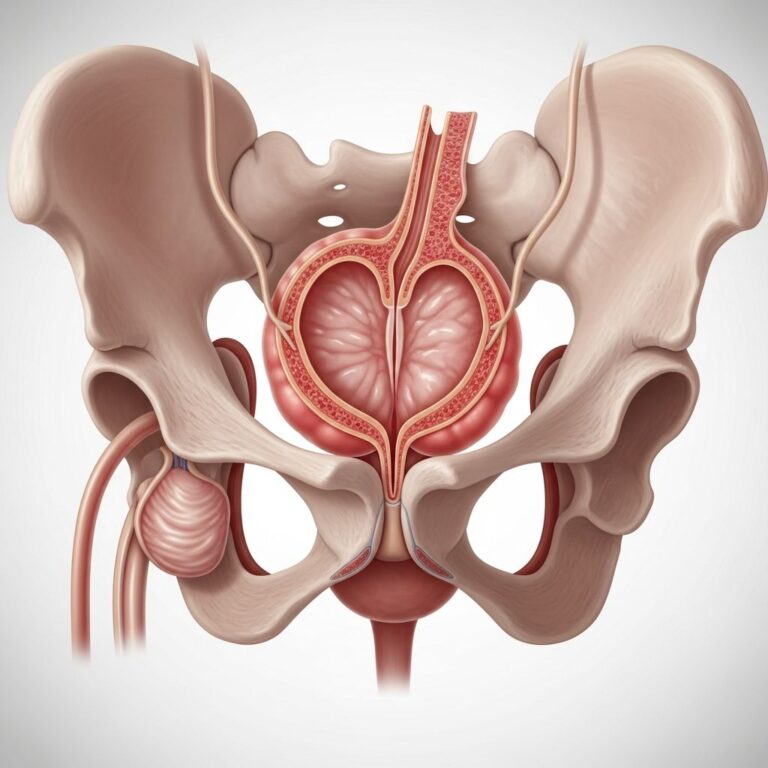
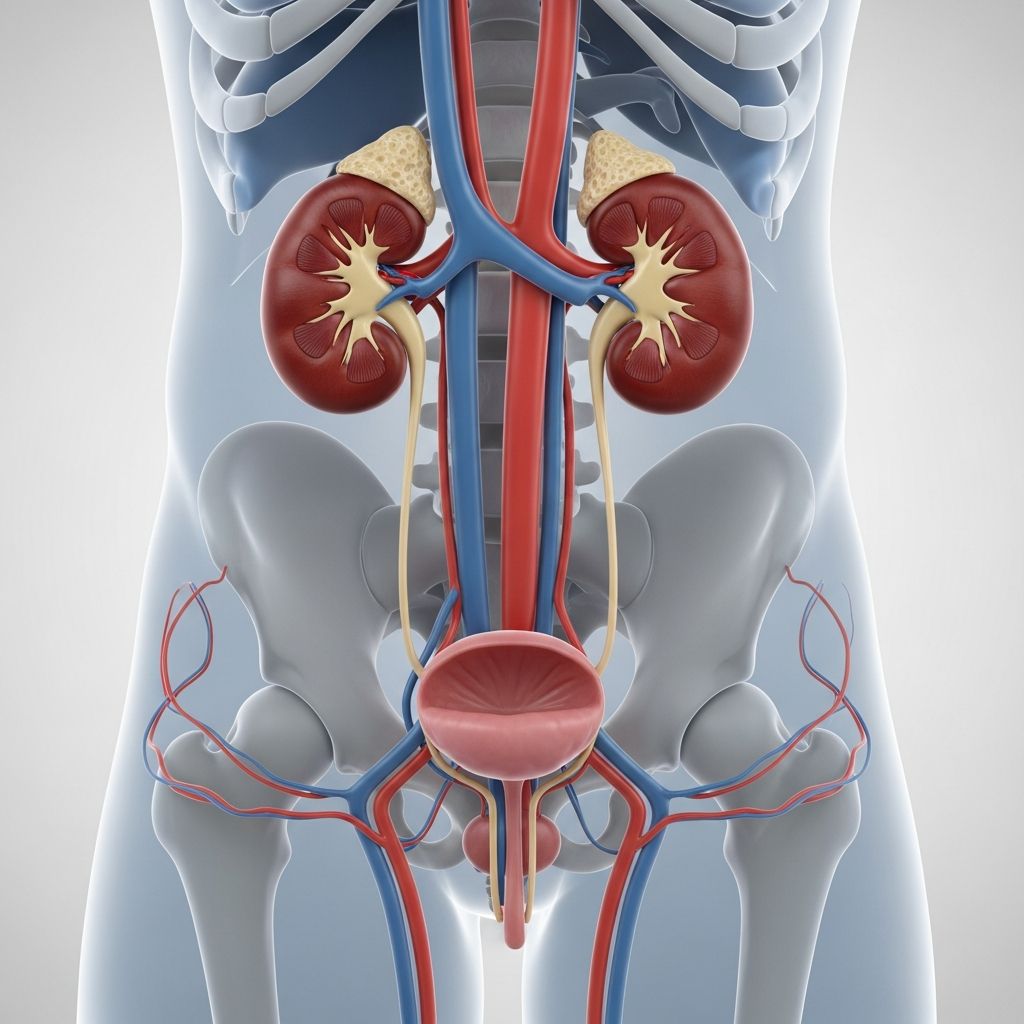
A urinary tract infection (UTI) is one of the most common types of infections affecting the urinary system. This condition can involve any part of your urinary system, including the bladder, urethra, ureters, and kidneys. UTIs are particularly prevalent in women, though men and children can also develop these infections. The urinary system is responsible for filtering waste from your blood and transporting urine to be eliminated from your body. When bacteria enter and multiply in this system, an infection occurs that can cause discomfort and require medical treatment.
The severity and symptoms of a UTI depend on which part of the urinary tract is affected. Lower urinary tract infections affect the bladder and urethra, while upper urinary tract infections involve the ureters and kidneys. Understanding the nature of your infection helps healthcare providers determine the most appropriate treatment plan.
What Causes Urinary Tract Infections
Bacteria are the primary culprit behind most urinary tract infections. The bacterium Escherichia coli (E. coli), commonly found in the gastrointestinal tract, is responsible for the majority of UTI cases. When these bacteria enter the urinary system and overcome the body’s natural defense mechanisms, they multiply and cause infection.
Several factors increase the risk of developing a UTI:
– Female anatomy makes infections more likely due to the shorter urethra- Sexual activity can introduce bacteria into the urinary tract- Pregnancy creates conditions favorable for bacterial growth- Urinary catheters provide a pathway for bacteria to enter the system- Urinary retention or incomplete bladder emptying allows bacteria to multiply- Certain medical conditions such as diabetes or kidney stones compromise immune function- Age-related changes in urinary function- Antibiotic use that disrupts protective bacterial flora
Recognizing UTI Symptoms
The symptoms of a urinary tract infection vary depending on which part of the urinary system is infected. Recognizing these symptoms early allows for prompt medical evaluation and treatment.
Lower Urinary Tract Infection Symptoms
Infections affecting the bladder and urethra, known as simple cystitis, typically present with the following symptoms:
– Dysuria or painful urination- Increased urinary frequency- Urinary urgency- Suprapubic pain or discomfort in the lower abdomen- Hematuria or blood in the urine- Cloudy or discolored urine- Strong or foul-smelling urine
Upper Urinary Tract Infection Symptoms
Complicated UTIs or pyelonephritis affecting the upper urinary tract present with more severe symptoms indicating systemic illness:
– Fever- Malaise or general feeling of illness- Nausea or vomiting- Flank pain or pain in the side or lower back- Chills- Rigors
If you experience symptoms of an upper urinary tract infection, seek immediate medical attention. These infections are more serious and require prompt treatment to prevent complications.
Diagnosing Urinary Tract Infections
Proper diagnosis is essential for effective treatment and to avoid unnecessary antibiotic use. Healthcare providers use several diagnostic methods to confirm a UTI.
Urinalysis and Dipstick Testing
Dipstick testing evaluates the urine for the presence of specific markers indicating infection. This test examines leukocyte esterase, hemoglobin, and nitrites. Positive leukocyte esterase suggests the presence of pyuria or white blood cells in the urine. Hemoglobin indicates red blood cells. Nitrites are highly specific for infection with Enterobacteriaceae, the most common organism responsible for UTIs. However, because not all bacteria produce nitrates, a negative nitrite test does not exclude infection.
Related Stories



Urine Culture
A urine culture is the gold standard diagnostic test for confirming UTI and identifying the specific bacteria causing the infection. This test allows healthcare providers to determine antibiotic susceptibilities and select the most effective treatment. When obtaining a urine sample for culture, a midstream clean-catch collection in the early morning is preferred, as bacteria have sufficient time to change nitrites to nitrates. Proper collection technique is critical to avoid contamination and false positive results.
Diagnostic Stewardship Principles
Current expert guidance emphasizes appropriate testing practices to reduce unnecessary antibiotic use and misdiagnosis of UTI. Key principles include:
– Testing should only occur when patients have symptoms consistent with UTI- Asymptomatic bacteriuria should not be treated in non-pregnant patients- Reflex-culture protocols should be used when urinalysis and culture are ordered together- Colony-forming unit counts greater than 100,000 CFU/mL may not represent true infection without symptoms
Treatment Options for UTIs
Antibiotics are the primary treatment for urinary tract infections and can effectively eliminate the infection in most cases. The specific antibiotic prescribed depends on the type of bacteria causing the infection and local resistance patterns.
Antibiotic Selection
Healthcare providers select antibiotics based on culture results and susceptibility testing. First-line antibiotics for uncomplicated cystitis typically include agents that concentrate in the urine and have activity against common uropathogens. Fluoroquinolones should not be used as first-line treatment for acute cystitis unless preferred oral antibiotics are ineffective. This approach reduces unnecessary fluoroquinolone exposure and helps preserve these agents for more serious infections.
Duration of Treatment
In general, shorter treatment duration is preferable for uncomplicated UTIs. Long courses of 14 or 21 days or prophylactic therapy are not supported by current evidence. Most uncomplicated lower UTIs respond well to shorter courses of appropriate antibiotics. However, complicated UTIs, pyelonephritis, and infections in special populations may require longer treatment periods.
Antibiotic-Resistant Infections
If you have frequent UTIs or your symptoms aren’t improving despite antibiotic treatment, your healthcare provider may test to determine if your infection is resistant to antibiotics. Antibiotic-resistant infections may require intravenous antibiotics or alternative treatment approaches.
Importance of Completing Antibiotic Courses
Once prescribed antibiotics for a UTI, it is critical to follow your healthcare provider’s directions carefully. Take the full course of antibiotics as directed, even if your symptoms disappear and you begin feeling better. Incomplete antibiotic courses allow bacteria to survive and multiply, potentially causing the infection to return and become more difficult to treat. Premature discontinuation of antibiotics also contributes to the development of antibiotic-resistant strains, complicating future infections.
Prevention Strategies
While not all UTIs can be prevented, several lifestyle modifications can significantly reduce your risk of developing an infection:
– Drink adequate water throughout the day to promote urination and flush bacteria from the urinary tract- Urinate regularly and completely empty your bladder- Urinate after sexual intercourse to flush out bacteria- Wipe from front to back after using the toilet- Avoid irritating feminine products and douches- Wear breathable cotton underwear- Avoid holding urine for extended periods- Consider cranberry juice or supplements, though evidence for prevention is limited- Maintain proper hygiene of the genital area- Address underlying conditions such as diabetes that increase infection risk
When to Seek Medical Care
Contact your healthcare provider if you experience symptoms of a UTI. While some mild infections may resolve on their own, antibiotics significantly reduce symptoms and prevent complications. Seek immediate medical attention if you develop:
– Fever with flank pain- Nausea or vomiting- Blood in urine- Symptoms that worsen despite antibiotic treatment- Signs of sepsis or severe systemic illness
Special Considerations
Certain patient populations require special consideration for UTI screening and treatment. Pregnant women should be screened for asymptomatic bacteriuria and treated, as untreated infections can lead to serious complications. Patients with high-risk neutropenia, those undergoing indwelling catheter removal, and patients within the first month following kidney transplant may benefit from screening and treatment protocols. Older patients without urinary symptoms or systemic signs of infection who present with acute mental status changes should have other causes assessed first, with supportive treatment recommended over routine UTI screening.
The Role of Diagnostic Stewardship
Current expert guidance emphasizes diagnostic stewardship to optimize urine culture use and reduce unnecessary antibiotic treatment. Healthcare providers are encouraged to order cultures only when UTI symptoms are documented, avoid including cultures in standard order sets for emergency departments or hospital admissions, and cancel repeat cultures within five days of a positive result during the same hospital admission. Culture reports should inform clinicians that high colony counts may not represent true infection without symptoms and should remind providers not to treat asymptomatic bacteriuria.
Reducing Antibiotic Overuse
Antibiotic exposure is a known risk factor for developing antibiotic-resistant UTIs and other infections. Antibiotic use also increases resistance at the population level, making infections harder to treat across communities. By implementing diagnostic stewardship principles, healthcare systems can reduce unnecessary antibiotic prescribing while maintaining effective treatment for patients with genuine infections.
Frequently Asked Questions About UTIs
Q: Can a UTI go away on its own without antibiotics?
A: While some mild UTIs may improve with hydration and time, antibiotics are recommended to effectively eliminate the infection and prevent complications. Without treatment, the infection may worsen or spread to the upper urinary tract.
Q: Is it safe to take antibiotics for a UTI while pregnant?
A: Yes, certain antibiotics are safe to use during pregnancy. It is essential to inform your healthcare provider if you are pregnant so they can select an appropriate antibiotic. Untreated UTIs during pregnancy carry risks, so treatment is important.
Q: How long does it take for antibiotic treatment to work?
A: Most patients experience symptom improvement within 24 to 48 hours of starting antibiotic treatment. However, it is crucial to complete the full course of antibiotics as prescribed to ensure complete elimination of the bacteria.
Q: Why do some people get frequent UTIs?
A: Frequent UTIs can result from various factors including anatomical abnormalities, incomplete bladder emptying, sexual activity, antibiotic-resistant bacteria, or underlying medical conditions. Your healthcare provider can help identify the cause and recommend prevention strategies.
Q: Can men get UTIs?
A: Yes, although less common than in women, men can develop UTIs. Male UTIs may indicate an underlying urinary tract abnormality and warrant further investigation by a healthcare provider.
Q: What is the difference between a UTI and a bladder infection?
A: A bladder infection is a type of UTI that specifically affects the bladder. UTI is a broader term that encompasses infections of any part of the urinary system including the urethra, ureters, and kidneys.
Moving Forward with UTI Management
If you suspect you have a urinary tract infection, do not feel embarrassed. UTIs are common medical conditions that affect millions of people annually. A healthcare provider can diagnose your condition through appropriate testing and prescribe antibiotics to treat the infection effectively. Your symptoms should improve within a few days of starting treatment. Follow your provider’s instructions carefully, complete your full course of antibiotics, and implement preventive measures to reduce your risk of future infections. When in doubt, reach out to your healthcare provider for evaluation and guidance.
References
- Diagnostic Stewardship for Urinary Tract Infection: A Snapshot of the Expert Guidance — Cleveland Clinic Consult QD. 2023. https://consultqd.clevelandclinic.org/diagnostic-stewardship-for-urinary-tract-infection-a-snapshot-of-the-expert-guidance
- Does my patient need to be screened or treated for a urinary tract infection? — Cleveland Clinic Journal of Medicine. 2021. https://www.ccjm.org/content/89/12/695
- UTI treatment: In general, shorter duration is better — Cleveland Clinic Journal of Medicine. 2023. https://www.ccjm.org/page/acp-2023/uti-treatment
- Urinary Tract Infection (UTI): Causes, Symptoms & Treatment — Cleveland Clinic. 2024. https://my.clevelandclinic.org/health/diseases/9135-urinary-tract-infections
- Urine Culture: What It Is, Purpose, Procedure & Results — Cleveland Clinic. 2024. https://my.clevelandclinic.org/health/diagnostics/22126-urine-culture
Similar Articles








Read full bio of medha deb