Urinary Tract Infections in Children: Complete Guide
Understanding UTIs in children: symptoms, diagnosis, and effective treatment options.
Understanding Urinary Tract Infections in Children
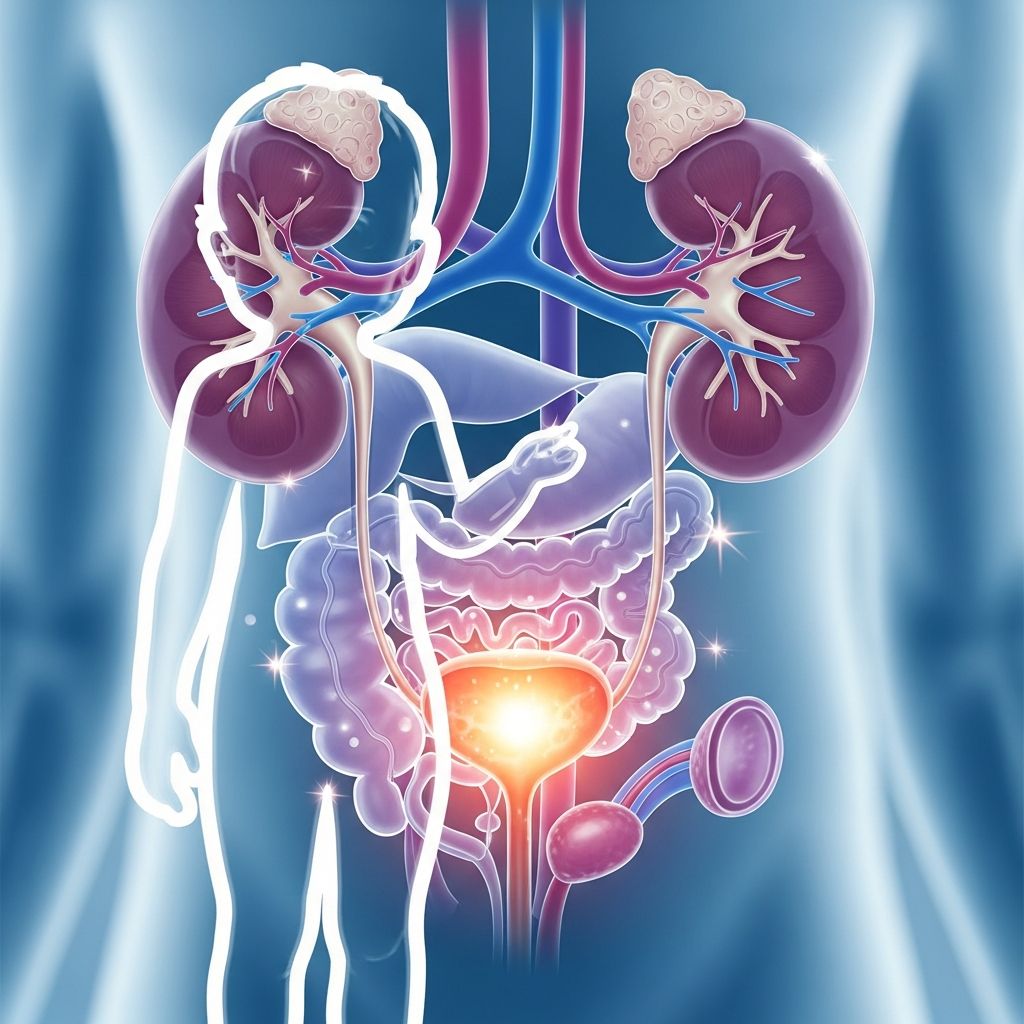
A urinary tract infection, commonly known as a UTI, is an infection that occurs in any part of the urinary system, including the bladder, kidneys, ureters, and urethra. When bacteria or other germs enter and multiply in these parts of the body, they cause inflammation and infection that can lead to uncomfortable symptoms and complications if left untreated. UTIs are one of the most common bacterial infections in children, and they require prompt medical attention and appropriate antibiotic therapy to prevent serious health complications.
The urinary tract is responsible for producing, storing, and eliminating urine from the body. When this system becomes infected, it disrupts normal urinary function and causes the child to experience various distressing symptoms. Understanding the nature of UTIs, their symptoms, and treatment options is essential for parents and caregivers to ensure their children receive timely and appropriate care.
Causes of Urinary Tract Infections in Children
Most urinary tract infections in children are caused by bacteria that enter the urinary system and multiply, causing infection. The primary culprit is E. coli bacteria, which naturally live in the digestive tract and can enter the urinary tract through improper wiping after bowel movements or inadequate hygiene practices. In some cases, fungal infections can cause UTIs in children, though these are less common than bacterial infections.
Several factors increase a child’s risk of developing a UTI:
- Incomplete bladder emptying, which allows bacteria to remain and multiply
- Dehydration or insufficient fluid intake
- Constipation, which can affect normal urinary function
- Structural abnormalities in the urinary tract
- Urinary reflux, where urine flows backward toward the kidneys
- Gender, as girls are more prone to UTIs due to anatomical differences
- Poor toilet hygiene or improper wiping techniques
- Prolonged use of diapers or infrequent diaper changes
Recognizing Symptoms of UTIs in Children
The symptoms of urinary tract infections vary significantly depending on the child’s age and whether the infection is in the lower urinary tract (bladder and urethra) or upper urinary tract (kidneys and ureters). Parents should be aware that younger children often display nonspecific symptoms that can be difficult to identify, while older children can typically communicate their discomfort more clearly.
Symptoms in Infants and Young Children
Infants and very young children may not be able to express their discomfort verbally, making it challenging to identify UTIs. Common symptoms in this age group include:
- Unexplained fever with no apparent source
- Abdominal pain or swelling
- Foul-smelling or dark urine
- Poor feeding or difficulty nursing
- Failure to thrive or poor weight gain
- Irritability and excessive crying
- Vomiting or diarrhea
- Jaundice (yellowing of skin and eyes)
- Hypothermia in newborns
Symptoms in Older Children
Older children are typically able to communicate their symptoms more effectively, and their presentations become more localized and recognizable. Common symptoms in older children include:
Related Stories



- Frequent urination or urgency to urinate
- Painful or burning sensation during urination
- Day or nighttime incontinence, especially if previously toilet-trained
- Small amounts of urine despite feeling urgency
- Blood in the urine (hematuria)
- Abdominal or suprapubic discomfort
- Flank or back pain, particularly below the ribs
- Strong-smelling or dark urine
- Nausea and vomiting
- Fever and chills
- Fatigue or general malaise
Diagnosis of Urinary Tract Infections
Accurate diagnosis of UTIs in children requires a combination of clinical assessment and diagnostic testing. Healthcare providers employ several methods to confirm the presence of infection and determine its severity.
Urinalysis
Urinalysis is the primary diagnostic tool for identifying UTIs. A urine sample is collected and examined under a microscope to detect the presence of white blood cells, red blood cells, bacteria, and other abnormalities that indicate infection. The sample is also tested for nitrites and leukocyte esterase, which are markers of bacterial infection. It is important to note that urine samples collected with a bag in young children are unreliable for evaluation, and clean-catch or catheterized samples are preferred for accurate results.
Urine Culture
A urine culture is often performed to identify the specific bacteria causing the infection and to determine which antibiotics will be most effective in treating it. This test allows for targeted antibiotic therapy rather than broad-spectrum treatment.
Imaging Studies
Healthcare providers may recommend imaging studies to evaluate the structure and function of the urinary tract, particularly in cases of recurrent infections or suspected complications. These imaging studies may include:
- Abdominal ultrasound: Uses sound waves to visualize the kidneys and bladder, checking for structural abnormalities
- Voiding cystourethrogram (VCUG): An X-ray study that shows the bladder and urethra during urination, useful for detecting urinary reflux
- Renal scan: Evaluates kidney function and identifies scarring or damage from infection
Treatment Options for Urinary Tract Infections
The primary treatment for urinary tract infections in children is antibiotic therapy, which effectively eliminates the bacterial infection. The specific antibiotic prescribed depends on the type of bacteria identified, the child’s age, the severity of infection, and any allergies or previous medication reactions.
Antibiotic Medications
The recommended initial antibiotics for most children with UTI include trimethoprim/sulfamethoxazole or alternative agents such as amoxicillin/clavulanate and various cephalosporins. For infants aged two months or younger and children with severe infections, parenteral antibiotic therapy administered intravenously or by injection is recommended.
Treatment duration varies based on the type and severity of infection:
- Lower urinary tract infections (cystitis): 2 to 4 days of oral antibiotics
- Upper urinary tract infections (pyelonephritis): 10 to 14 days of oral antibiotics or 2 to 4 days of intravenous therapy followed by oral therapy
- Severe infections requiring hospitalization: Intravenous antibiotics for initial treatment, followed by oral antibiotics to complete the course
It is critical that children complete the entire course of antibiotics as prescribed, even if symptoms improve within a few days. Stopping antibiotics prematurely can allow the infection to return or worsen.
Symptomatic Relief
In addition to antibiotics, healthcare providers may recommend measures to relieve discomfort:
- Pain relief medications to reduce discomfort during urination
- Heating pads applied to the abdomen or lower back
- Medications that numb the urinary tract lining (which may temporarily cause urine to turn orange)
Supportive Care
Parents should ensure their child receives adequate hydration and appropriate nutrition during the infection and recovery period. Encouraging increased fluid intake, particularly water, helps flush bacteria from the urinary system. However, beverages containing caffeine should be avoided, as caffeine can irritate the bladder and worsen symptoms.
Treatment for Severe Infections
Some children require hospitalization and intravenous antibiotic treatment for more severe urinary tract infections. Hospitalization may be necessary when:
- The child has a high fever or appears severely ill
- A kidney infection is suspected or confirmed
- The child is younger than 6 months old
- Bacteria from the infected urinary tract have spread to the bloodstream, causing bacteremia or sepsis
- The child is severely dehydrated or is vomiting and unable to tolerate oral medications or fluids
- The child is immunocompromised or has underlying health conditions
In these cases, intravenous antibiotics provide immediate and effective treatment, allowing the infection to be controlled more rapidly and preventing serious complications such as sepsis or kidney damage.
Follow-Up and Monitoring
After beginning antibiotic treatment, healthcare providers typically ask parents to bring their child back to the office a few days after treatment starts to reassess their condition. During this follow-up visit, the provider may repeat urine tests to ensure that the infection is resolving and that the antibiotic is effective. This confirmation is important because incompletely treated UTIs can persist or spread to other parts of the urinary system.
Parents should monitor their child’s bathroom habits and symptoms during treatment, noting improvements or any concerning changes. Symptoms should begin to improve within 2 to 3 days after antibiotics are started, and most UTIs are cured within a week with appropriate treatment.
Prevention Strategies
While not all UTIs can be prevented, certain measures can reduce a child’s risk of developing urinary tract infections:
- Encourage frequent urination and complete bladder emptying
- Ensure proper hygiene, teaching girls to wipe from front to back after bowel movements
- Maintain adequate hydration by promoting regular water intake
- Avoid prolonged periods without urination or bowel movements
- Change diapers frequently and keep the diaper area clean and dry
- Encourage loose-fitting clothing to promote air circulation
- Prevent constipation through adequate fiber intake and hydration
- Avoid irritating substances such as bubble baths, which can alter vaginal flora
Complications of Untreated UTIs
Prompt treatment of urinary tract infections is essential to prevent serious complications. Untreated UTIs can progress to more severe infections affecting the kidneys, potentially causing permanent damage and scarring. In severe cases, bacteria can spread to the bloodstream, resulting in life-threatening sepsis. Additionally, repeated or recurrent UTIs may indicate underlying structural abnormalities in the urinary tract that require further evaluation and specialized management.
Frequently Asked Questions
Q: How is a UTI different from a bladder infection?
A bladder infection is one type of UTI that specifically affects the bladder. UTIs can occur anywhere in the urinary system, including the urethra, ureters, bladder, and kidneys. Kidney infections are generally more serious than bladder infections.
Q: Can UTIs cause permanent damage?
If treated promptly with antibiotics, most UTIs do not cause permanent damage. However, recurrent or untreated infections, particularly those affecting the kidneys, can potentially lead to scarring and long-term kidney problems.
Q: How long does it take for antibiotics to work?
Most children begin to feel better within 2 to 3 days of starting antibiotics, though symptoms should continue improving throughout the treatment course. It is important to complete all prescribed antibiotics even after symptoms resolve.
Q: Are boys or girls more likely to get UTIs?
Girls are generally more prone to UTIs than boys due to anatomical differences. However, boys can also develop UTIs, and when they do, it may indicate underlying structural or functional problems that require investigation.
Q: Can UTIs be prevented with hygiene alone?
While good hygiene practices reduce the risk of UTIs, they cannot guarantee prevention. Maintaining adequate hydration, promoting regular urination, and addressing underlying health conditions are also important preventive measures.
Q: What should I do if my child has symptoms of a UTI?
Contact your pediatrician promptly if you suspect your child has a UTI. Early diagnosis and treatment prevent complications and help your child feel better quickly. Do not delay seeking medical evaluation, especially if your child has fever, vomiting, or severe pain.
References
- Pediatric Urinary Tract Infection (UTI) – Conditions and Treatments — Children’s National Hospital. 2024. https://www.childrensnational.org/get-care/health-library/urinary-tract-infection-uti
- What Is a Urinary Tract Infection (UTI) in Kids? — Cleveland Clinic. 2024. https://my.clevelandclinic.org/health/diseases/12415-urinary-tract-infection-childrens
- Urinary Tract Infections (UTIs) — Nemours KidsHealth. 2024. https://kidshealth.org/en/parents/urinary.html
- Urinary Tract Infections In Children — StatPearls, National Center for Biotechnology Information. 2024. https://www.ncbi.nlm.nih.gov/books/NBK599548/
- Diagnosis and Treatment of Urinary Tract Infections in Children — American Academy of Family Physicians. 2011-02-15. https://www.aafp.org/pubs/afp/issues/2011/0215/p409.html
Similar Articles








Read full bio of medha deb