Urinary Tract Infections: Symptoms, Causes, and Treatment
Comprehensive guide to understanding UTIs: causes, symptoms, diagnosis, and effective treatment options.
Understanding Urinary Tract Infections
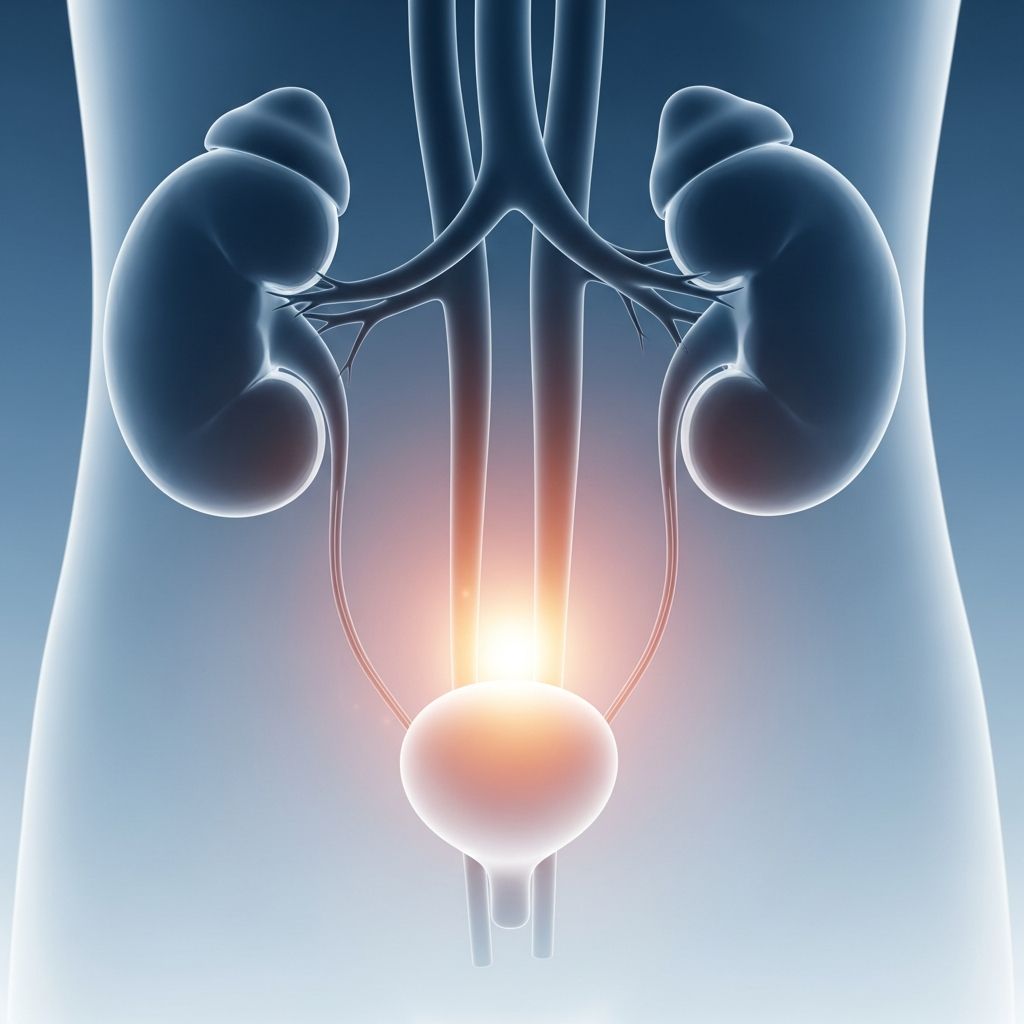
A urinary tract infection (UTI) is a common condition that occurs when bacteria enter and multiply in any part of the urinary system. The urinary tract consists of the kidneys, ureters, bladder, and urethra. While UTIs can affect any of these structures, most commonly they develop in the bladder and urethra. These infections are among the most prevalent bacterial infections, affecting millions of people annually, with women experiencing them more frequently than men due to anatomical differences in the urinary tract structure.
Symptoms of Urinary Tract Infections
Recognizing the symptoms of a UTI is crucial for early detection and treatment. The specific symptoms can vary depending on which part of the urinary tract is affected.
Common UTI Symptoms
Most people with a UTI experience one or more of the following symptoms:
– A burning sensation or pain when urinating- A frequent and persistent urge to urinate, even when little urine is produced- Urinating more often than usual, often in small amounts- Urine that appears cloudy, dark, red, bright pink, or cola-colored, indicating the presence of blood- Strong-smelling or foul-smelling urine- Pelvic pain, particularly in the center of the pelvis and around the pubic bone area
Symptoms by Location of Infection
The symptoms of a UTI can vary significantly depending on which part of the urinary tract is affected. Understanding these distinctions helps in identifying the severity of the infection:
| Urinary Tract Location | Associated Symptoms |
|---|---|
| Bladder (Cystitis) | Pelvic pressure and discomfort, lower abdominal pain, painful urination, blood in urine, frequent urination |
| Urethra (Urethritis) | Burning sensation during urination, urethral discharge |
| Kidneys (Pyelonephritis) | Back or side pain, high fever, shaking and chills, nausea, vomiting, severe systemic symptoms |
Special Considerations in Certain Populations
In older adults, UTI symptoms may be atypical or subtle, leading to missed diagnoses. Symptoms in this population might include mental confusion, fatigue, or unusual behavioral changes rather than the classic urinary symptoms. Children with UTIs may experience bed-wetting or daytime accidents even if previously potty-trained. When a UTI has progressed to involve the kidneys, symptoms become more severe and systemic, including high fever, severe pain, nausea, and vomiting, which require immediate medical attention.
Causes and Risk Factors
Understanding what causes UTIs and the risk factors that increase susceptibility is essential for prevention and management.
How Infections Develop
UTIs occur when bacteria, typically from the skin or gastrointestinal tract, enter the urethra and travel upward into the urinary system. The most common causative organism is Escherichia coli (E. coli), a bacterium that naturally inhabits the gastrointestinal tract. While the urinary system has multiple defense mechanisms to prevent bacterial colonization, these defenses can sometimes fail, allowing bacteria to establish an infection. In women, the proximity of the urethra to the anus increases the likelihood of bacterial contamination, explaining why women are at higher risk for UTIs.
Bacterial and Infectious Causes
E. coli remains the most frequent cause of bladder infections, though other bacteria can also cause UTIs. Sexually transmitted infections such as herpes, gonorrhea, chlamydia, and mycoplasma can cause urethral infections. Additionally, people with compromised immune systems may develop viral UTIs from viruses like HIV or SARS-CoV-2, though these are considerably rarer than bacterial infections.
Related Stories



Behavioral and Lifestyle Risk Factors
Several modifiable lifestyle factors significantly increase UTI risk. Low fluid intake prevents adequate bladder flushing, allowing bacteria to persist and multiply. Constipation can contribute to UTI development as intestinal bacteria may more easily spread to the urinary tract. Incomplete bladder emptying allows residual urine to harbor bacteria, creating an environment for infection growth. Sexual activity can introduce bacteria into the urethra, which is why post-coital UTIs are common in women.
Medical and Anatomical Risk Factors
Various anatomical and medical conditions increase susceptibility to UTIs. Blockages in the urinary tract, such as kidney stones or an enlarged prostate, can trap urine and create conditions favorable for bacterial growth. Catheter use, necessary for some hospitalized patients or those with neurological conditions affecting urination, significantly increases infection risk because catheters can introduce bacteria directly into the bladder. Recent urinary procedures or surgeries can damage the urinary tract lining, making infection more likely. A suppressed immune system from immunosuppressive medications, diabetes, or other diseases compromises the body’s ability to fight off infections. In men, repeated UTIs can scar the urethra, narrowing the passage and making urination more difficult.
Diagnosis of Urinary Tract Infections
Accurate diagnosis is the foundation for appropriate treatment. Healthcare providers use several diagnostic methods to confirm UTIs and identify the causative organism.
Urine Testing
A urinalysis is the primary diagnostic tool for confirming a UTI. This test examines the urine for signs of infection, including white blood cells, bacteria, nitrites, and red blood cells. A urine culture, which grows and identifies the specific bacteria causing the infection, is often performed to guide antibiotic selection. This culture also determines antibiotic susceptibility, ensuring that the prescribed medication is effective against the specific pathogen.
Clinical Assessment
Healthcare providers will take a detailed history of symptoms and perform a physical examination. Imaging studies such as ultrasound or CT scans may be ordered if recurrent infections occur or if structural abnormalities are suspected. In men with UTIs, further evaluation is often recommended since UTIs are less common in males and may indicate underlying urological problems.
Treatment Options for UTIs
Antibiotic Therapy
Antibiotics are the cornerstone of UTI treatment. Most uncomplicated UTIs respond well to oral antibiotics prescribed by a healthcare provider. Common antibiotics include trimethoprim-sulfamethoxazole (Bactrim), nitrofurantoin, and fluoroquinolones. Antibiotic therapy typically works within three to six weeks, though symptom relief often occurs within the first few days. Completing the full prescribed course of antibiotics is critical, even after symptoms disappear, to ensure complete eradication of the infection and prevent antibiotic resistance.
Hospitalization and Intravenous Treatment
Certain situations require hospitalization and intravenous (IV) antibiotic administration. Pregnant women with kidney infections, patients with high fevers, those experiencing severe pain, or individuals unable to tolerate oral medications may require IV therapy. Hospital treatment typically continues until symptoms improve, after which the patient transitions to oral antibiotics at home. The total treatment course usually spans five to ten days.
Symptomatic Relief
While antibiotics treat the underlying infection, additional medications can alleviate discomfort. Over-the-counter pain relievers such as acetaminophen (Tylenol) or ibuprofen (Aleve, Motrin) help reduce pain and fever. Urinary analgesics like phenazopyridine (Pyridium) or over-the-counter products like Uristat can reduce the burning pain associated with urination, though these should be used for no more than two days and do not treat the underlying infection.
Treatment of Chronic and Recurrent UTIs
Individuals experiencing recurrent UTIs should work with their healthcare provider to develop a personalized prevention and treatment strategy. Options include low-dose, long-term antibiotic prophylaxis to prevent infections, single-dose antibiotics taken after sexual activity (a common trigger), or short-course antibiotics taken immediately when symptoms appear. Some patients benefit from non-antibiotic prophylaxis approaches, including cranberry products, D-mannose supplementation, methenamine with vitamin C, or vaginal estrogen cream in postmenopausal women.
Antiviral Treatment for Viral UTIs
When viral UTIs occur, typically in immunocompromised patients, antiviral medications specific to the causative virus are employed. However, for some viruses, specific antiviral treatments may not be available, and management focuses on supportive care while the immune system fights the infection.
Antibiotic Side Effects and Complications
While antibiotics are effective and generally safe, they can cause side effects. Common side effects include rash, dizziness, nausea, diarrhea, and yeast infections. More serious side effects can include antimicrobial-resistant infections or Clostridioides difficile (C. difficile) infection, which causes severe diarrhea and can lead to serious colon damage. Patients should report any concerning symptoms to their healthcare provider immediately.
Complications of Untreated UTIs
Untreated UTIs can progress to more serious conditions. If infection ascends from the bladder to the kidneys, pyelonephritis develops, characterized by severe symptoms and potential systemic complications. In severe cases, untreated infections can progress to sepsis, a life-threatening condition where bacteria or their toxins enter the bloodstream. Early recognition and treatment of UTIs are essential to prevent these serious complications.
Prevention Strategies
Implementing practical prevention measures can significantly reduce UTI risk. Maintain adequate hydration by drinking plenty of water throughout the day to promote regular bladder flushing. Urinate after sexual intercourse to expel bacteria that may have entered the urethra. Practice proper perineal hygiene by wiping from front to back after urination and bowel movements, preventing bacterial contamination from the anal area. Empty the bladder completely with each urination, and establish regular urination patterns rather than postponing the urge to urinate. Avoid irritating products such as douches, powders, or spermicides that may disrupt normal urinary and vaginal flora. Wear breathable cotton underwear and avoid tight-fitting clothing that can create a warm, moist environment favorable to bacterial growth.
When to Seek Medical Attention
Contact a healthcare provider immediately if you experience symptoms suggesting a UTI, particularly if symptoms include fever, back pain, or severe discomfort, as these may indicate kidney involvement. Pregnant women with any signs of UTI should seek prompt medical evaluation. Men with UTI symptoms should undergo evaluation to rule out structural or functional problems. Anyone experiencing recurrent UTIs should discuss this pattern with their healthcare provider to develop a preventive strategy.
Frequently Asked Questions
Q: How long does it take for antibiotics to cure a UTI?
A: Most people experience symptom relief within the first few days of antibiotic therapy. However, antibiotics typically work over three to six weeks to completely eliminate the infection. It is essential to take the full prescribed course, even if symptoms disappear early.
Q: Can UTIs go away on their own without treatment?
A: While some mild UTI symptoms may occasionally resolve spontaneously, most UTIs require antibiotic treatment to prevent progression to more serious infections affecting the kidneys. Prompt medical evaluation is recommended for any suspected UTI.
Q: Are men less likely to get UTIs?
A: Yes, men have a lower UTI incidence due to the longer urethra and distance from the anus. However, men with UTIs should receive thorough evaluation, as UTIs in men may indicate underlying urological problems.
Q: What is the difference between a bladder infection and a kidney infection?
A: A bladder infection (cystitis) presents with pelvic pain and painful urination, while a kidney infection (pyelonephritis) causes severe back pain, high fever, nausea, and vomiting. Kidney infections are more serious and require prompt treatment.
Q: Can I prevent recurrent UTIs naturally?
A: Several strategies help prevent recurrent UTIs, including adequate hydration, post-intercourse urination, proper hygiene practices, and avoiding irritating products. Some people benefit from cranberry products or D-mannose supplementation, though evidence varies. Consult your healthcare provider about what works best for you.
References
- Urinary Tract Infection (UTI) – Symptoms and Causes — Mayo Clinic. 2024-11-15. https://www.mayoclinic.org/diseases-conditions/urinary-tract-infection/symptoms-causes/syc-20353447
- Urinary Tract Infection Basics — Centers for Disease Control and Prevention (CDC). 2024. https://www.cdc.gov/uti/about/index.html
- Urinary Tract Infection (UTI): Symptoms, Causes, Treatment — WebMD. 2024. https://www.webmd.com/women/your-guide-urinary-tract-infections
- Urinary Tract Infections (UTIs) — National Health Service (NHS). 2024. https://www.nhs.uk/conditions/urinary-tract-infections-utis/
- Urinary Tract Infections (UTI) — Better Health Channel, Victoria State Government. 2024. https://www.betterhealth.vic.gov.au/health/conditionsandtreatments/urinary-tract-infections-uti
Similar Articles








Read full bio of Sneha Tete