Urinary Tract Infections: 5 Common Symptoms And Treatment
Comprehensive guide to UTI symptoms, causes, treatments, prevention, and when to seek medical help.
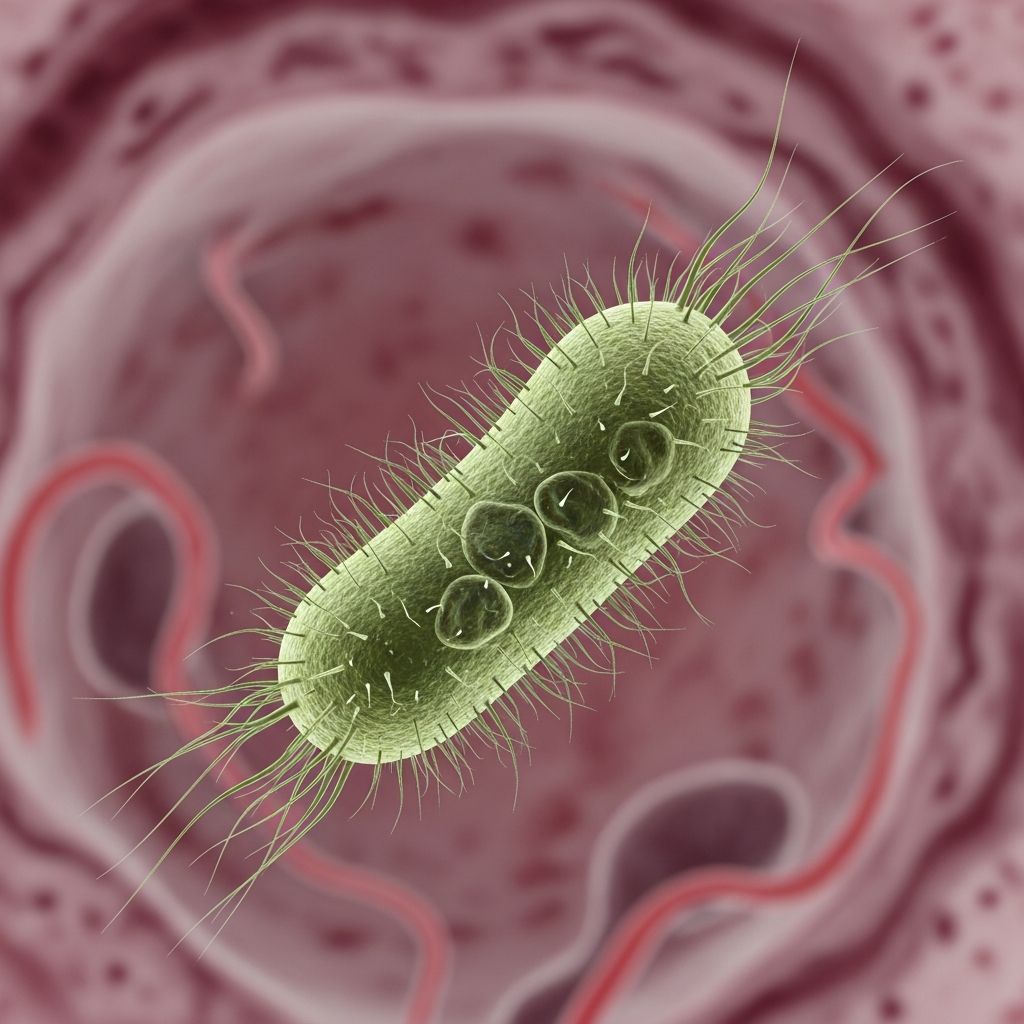
Urinary tract infections (UTIs) are among the most common bacterial infections, affecting the urinary system which includes the kidneys, ureters, bladder, and urethra. They are particularly prevalent in women due to anatomical differences but can occur in anyone. Most UTIs are uncomplicated and respond well to antibiotics, but untreated infections can lead to serious complications like kidney damage.
What is a urinary tract infection (UTI)?
A UTI occurs when bacteria, most commonly E. coli from the gastrointestinal tract, enter the urinary tract through the urethra and multiply. The infection can affect different parts: the lower tract (bladder and urethra) or upper tract (kidneys). Women are at higher risk because their urethra is shorter, allowing easier bacterial entry. Men, children, pregnant women, and those with weakened immune systems or urinary blockages are also susceptible.
Globally, UTIs impact over 150 million people annually. In the U.S., women have a 50% lifetime risk of at least one UTI.
Symptoms of a urinary tract infection
UTI symptoms vary by location but commonly include:
- A burning sensation or pain when urinating (dysuria).
- Frequent urge to urinate, even small amounts.
- Cloudy, strong-smelling, or bloody urine.
- Pelvic or lower abdominal pain, especially in women.
- In men, rectal pain or discomfort in the penis.
In older adults, symptoms may be atypical, such as confusion, fatigue, or incontinence rather than classic urinary issues.
Symptoms by UTI type
| Part Affected | Common Symptoms |
|---|---|
| Kidneys (Pyelonephritis) | High fever, chills, back/side pain, nausea, vomiting. |
| Bladder (Cystitis) | Pelvic pressure, frequent/painful urination, lower belly pain, blood in urine. |
| Urethra (Urethritis) | Burning with urination, discharge. |
Types of urinary tract infections
Bladder infection (cystitis)
The most common UTI, affecting the bladder. Symptoms include frequent, urgent urination with discomfort. It rarely leads to systemic illness unless it ascends.
Urethra infection (urethritis)
Inflammation of the urethra, often causing burning during urination and discharge. Can be triggered by sexual activity or STIs like chlamydia.
Kidney infection (pyelonephritis)
A serious upper UTI where bacteria reach the kidneys. Requires prompt treatment to prevent sepsis or permanent damage. Symptoms include fever over 100°F and flank pain.
Causes of urinary tract infections
Over 90% of UTIs are caused by E. coli bacteria from the bowel entering via the urethra. Risk factors include:
- Female anatomy: Shorter urethra.
- Sexual activity, spermicides, or diaphragms.
- Urinary retention from stones, enlarged prostate, or constipation.
- Diabetes, immunosuppression, or catheter use.
- Menopause (low estrogen leads to thinner urethral lining).
In men, UTIs are less common but linked to prostate issues. Children may get UTIs from vesicoureteral reflux (backward urine flow).
Complications of urinary tract infections
Untreated UTIs can spread to kidneys, causing pyelonephritis, sepsis, or chronic kidney disease. Recurrent UTIs increase risks of antibiotic resistance. In pregnancy, UTIs raise preterm birth risks. Rare complications include fistulas or abscesses.
Related Stories



Who is affected by urinary tract infections?
- Women: 50-60% lifetime risk; highest in sexually active 18-24 year-olds.
- Men: Rare under 60; prostate issues common cause later.
- Children: Often due to anatomical issues; boys under 1 at higher risk.
- Pregnant women: Hormonal changes cause urinary stasis; screen routinely.
- Older adults: Atypical symptoms; high complication risk.
Diagnosis of urinary tract infections
Diagnosis starts with symptoms and urinalysis (dipstick for nitrites/leukocytes). Urine culture confirms bacteria and guides antibiotics, especially for recurrent cases. Imaging (ultrasound) or cystoscopy for complications or recurrence.
Treatment of urinary tract infections
Most UTIs need antibiotics:
- Uncomplicated: Nitrofurantoin, trimethoprim, or fosfomycin (3-7 days).
- Complicated/kidney: Fluoroquinolones or IV ceftriaxone.
- Pregnancy: Nitrofurantoin or amoxicillin.
Symptoms improve in 1-2 days, but complete the course to prevent resistance. Pain relief: Phenazopyridine (e.g., AZO) for burning, ibuprofen for pain.
Treatment for recurrent UTIs
- Low-dose prophylactic antibiotics.
- Post-sex single dose.
- Non-antibiotic: D-mannose, methenamine, vaginal estrogen (post-menopause).
Prevention of urinary tract infections
Key strategies:
- Drink plenty of water (2-3 liters/day).
- Urinate after sex; wipe front-to-back.
- Avoid irritants like spermicides; use cotton underwear.
- Cranberry products may reduce recurrence (mixed evidence).
- Treat constipation; manage diabetes.
UTIs in pregnancy
Common due to progesterone relaxing ureters. Asymptomatic bacteriuria affects 2-10%; treat to prevent pyelonephritis (up to 40% risk if untreated). Routine screening at first prenatal visit.
UTIs in men
Often indicate underlying issues like prostatitis or stones. Longer antibiotic courses (7-14 days). Evaluate prostate health.
UTIs in children
May signal congenital anomalies. Fever without source in infants under 2 months requires urgent evaluation. Ultrasound for recurrent cases.
When to seek medical advice for a urinary tract infection
See a doctor if:
- Symptoms persist >48 hours.
- Fever >100.4°F, chills, vomiting, flank pain (kidney infection).
- Pregnant, diabetic, or immunocompromised.
- Blood in urine or recurrent UTIs (≥3/year).
Emergency: Severe pain, confusion, sepsis signs.
Frequently Asked Questions (FAQs)
Can I treat a UTI at home without antibiotics?
No. While painkillers and hydration help symptoms, antibiotics are essential to eradicate bacteria and prevent complications.
Do cranberry juice prevent UTIs?
May reduce recurrence in women by preventing bacterial adhesion, but not a cure. Evidence is moderate.
How long do UTI antibiotics take to work?
Symptoms often improve in 24-48 hours; complete full course.
Are UTIs sexually transmitted?
No, but sex increases risk by introducing bacteria. Urethritis can be from STIs.
Can UTIs go away on their own?
Mild cases might, but risk of ascent to kidneys is high; seek treatment.
References
- Urinary tract infection (UTI): symptoms, causes & treatment — Advocate Health Care. 2024. https://www.advocatehealth.com/health-services/urology/urinary-tract-infection-uti
- Urinary tract infection (UTI) – Symptoms and causes — Mayo Clinic. 2023-10-05. https://www.mayoclinic.org/diseases-conditions/urinary-tract-infection/symptoms-causes/syc-20353447
- Urinary Tract Infection | Fact Sheets — Yale Medicine. 2024. https://www.yalemedicine.org/conditions/urinary-tract-infection
- Urinary Tract Infection (UTI): Symptoms, Causes, Treatment — WebMD. 2024. https://www.webmd.com/women/your-guide-urinary-tract-infections
- Urinary Tract Infection Basics — Centers for Disease Control and Prevention (CDC). 2024. https://www.cdc.gov/uti/about/index.html
Similar Articles








Read full bio of Sneha Tete