Urine Color Chart
What the color of your urine means for your health, from hydration levels to potential medical issues.
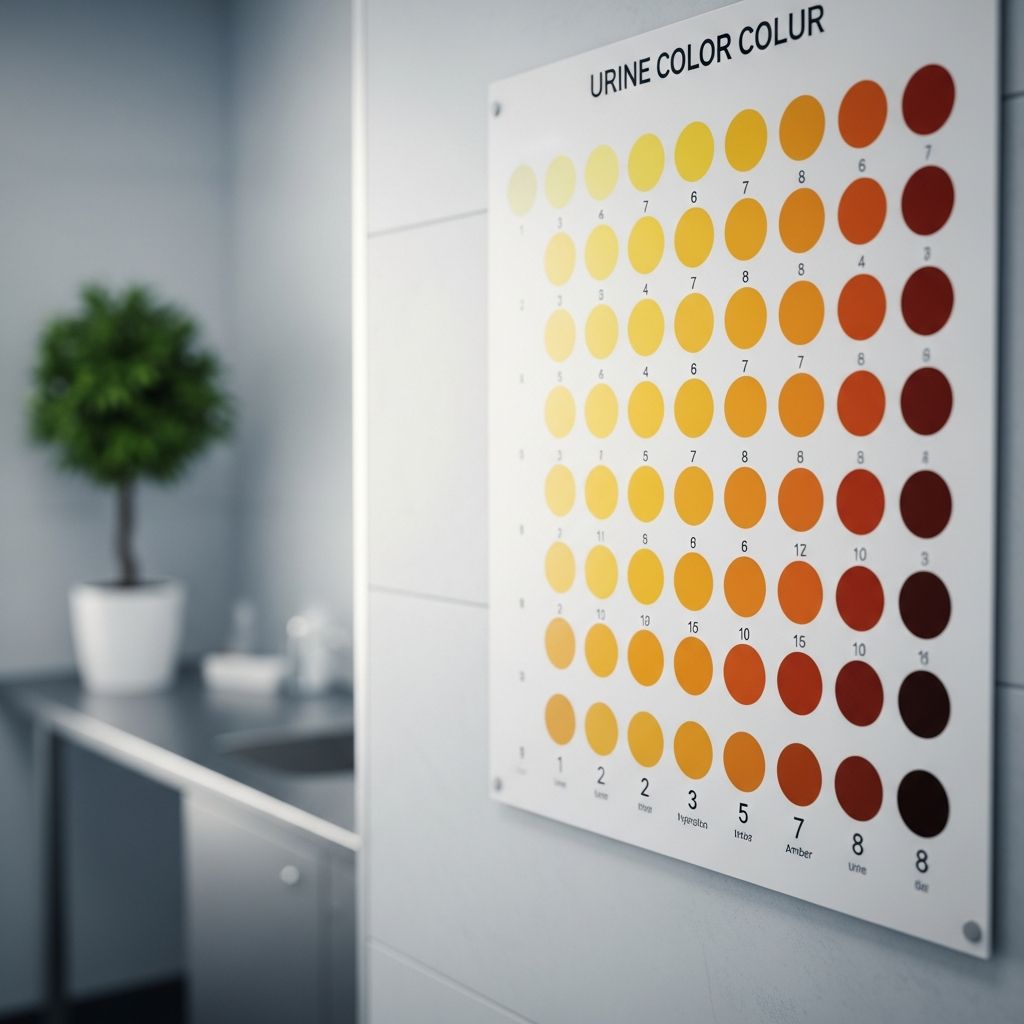
Urine Color Chart: What the Color of Your Urine Means
Your urine color can reveal a lot about your health, hydration levels, diet, and even potential medical conditions. While normal urine typically ranges from pale yellow to deep amber, unusual shades like red, blue, green, or cloudy urine may signal issues ranging from benign dietary influences to serious diseases. Understanding these variations helps you monitor your well-being effectively.
The pigment urochrome, derived from the breakdown of hemoglobin in red blood cells, gives urine its characteristic yellow hue. Factors like fluid intake dilute this pigment, making urine clearer when hydrated and darker when dehydrated. Recent research highlights the role of gut bacteria in producing urobilin, the key compound responsible for yellow urine, through an enzyme called bilirubin reductase.
What Color Is Urine When You’re Hydrated?
Clear or pale yellow urine is the hallmark of proper hydration. When you’re well-hydrated, your kidneys filter out excess water, diluting the urochrome and resulting in nearly colorless or straw-yellow urine. Health experts recommend aiming for this shade throughout the day, as it indicates your body is efficiently flushing out waste without retaining excess fluids.
Dehydration shifts urine toward a darker yellow or amber color due to concentrated pigments. Mild dehydration might produce apple-juice-like yellow urine, while severe cases can make it resemble cola. Symptoms accompanying dark urine include thirst, dry mouth, fatigue, and infrequent urination. To rehydrate, increase water intake gradually—aim for 8-10 glasses daily, adjusting for activity level and climate.
- Clear urine: Optimal hydration; kidneys are excreting plenty of water.
- Pale yellow/straw: Ideal balance; consistent with healthy fluid intake.
- Dark yellow/amber: Dehydration warning; drink more fluids immediately.
Dark Yellow Urine
Dark yellow urine often stems from insufficient fluid intake, concentrating urochrome. Common triggers include hot weather, intense exercise, caffeine, or alcohol, which act as diuretics. Vitamins, particularly B-complex and vitamin C supplements, can intensify yellow tones due to excess riboflavin (B2) excretion.
While usually harmless, persistent dark urine warrants attention if paired with symptoms like abdominal pain or nausea, potentially indicating liver strain or bile duct issues. Track your intake: Urine should lighten within hours of rehydrating.
Orange Urine
Orange urine frequently results from medications like phenazopyridine (for UTIs), laxatives, or chemotherapy drugs such as cyclophosphamide. High doses of vitamin C or beta-carotene-rich foods (carrots, sweet potatoes) can also tint urine orange.
Medically, orange urine may signal liver or bile duct problems, especially with pale stools or jaundice—symptoms of bilirubin buildup. Dehydration exacerbates this shade. Consult a doctor if orange persists without obvious dietary/medication causes.
| Cause | Examples | Action |
|---|---|---|
| Medications | Phenazopyridine, laxatives, chemo drugs | Check labels; temporary |
| Vitamins/Foods | Vitamin C, carrots | Reduce intake if concerned |
| Health Issues | Liver/bile duct problems, dehydration | See doctor if persistent |
Red or Pink Urine
Red or pink urine alarms many, but causes vary. Benign sources include beets, blackberries, rhubarb, or food dyes. Medications like rifampin (antibiotic) or laxatives with senna can mimic blood.
Serious concerns involve hematuria (blood in urine) from UTIs, kidney stones, enlarged prostate, or cancers (bladder, kidney). Exercise-induced rhabdomyolysis can also redden urine. Seek immediate care for painless red urine or clots, as it may indicate internal bleeding.
- Food-related: Beets (beeturia affects 10-14% of people).
- Blood: Visible red streaks or uniform color; urinalysis confirms.
Blue or Green Urine
Rare and striking, blue or green urine often traces to artificial dyes in candy or drinks. Medical dyes for cystoscopy turn urine blue-green temporarily.
Drugs like amitriptyline (antidepressant), indomethacin (pain relief), or propofol (anesthesia) cause greenish hues. Infections from Pseudomonas aeruginosa produce blue-green pigment. Rare familial hypercalcemia in children yields blue urine. Most cases resolve without intervention, but green with fever suggests UTI.
Brown, Cola, or Tea-Colored Urine
Brown urine evokes cola or tea from fava beans, rhubarb, or aloe. Medications including antimalarials (chloroquine), muscle relaxants, or metronidazole darken it.
Pathologically, it signals liver diseases (hepatitis, cirrhosis), kidney issues, porphyria, or internal hemorrhage. Rhabdomyolysis from extreme exercise breaks down muscle, releasing myoglobin. Accompanying jaundice or fatigue demands urgent evaluation.
Cloudy Urine
Cloudy or milky urine arises from phosphates, pus, or crystals. UTIs introduce white blood cells and bacteria, creating turbidity. Kidney stones, prostatitis, or vaginal discharge (in women) contribute.
Chyluria (lymph in urine from parasitic infections) is rare in developed countries. Persistent cloudiness with odor or pain requires testing for infection or stones.
Why Is Urine Yellow?
Urine yellows from urobilin, oxidized urobilinogen from gut bacteria reducing bilirubin (hemoglobin byproduct). Kidneys excrete this waste. A 2024 NLM study identified bilirubin reductase enzyme in gut microbes as key, absent in jaundiced infants or some IBD patients—explaining variations.
Jaundice elevates bilirubin, yellowing skin/eyes before darkening urine. Gut health influences this process profoundly.
| Color | Common Causes | Potential Concerns |
|---|---|---|
| Clear/Pale Yellow | Hydration | Overhydration (rare) |
| Dark Yellow | Dehydration, vitamins | Liver issues |
| Orange | Meds, carrots | Bile duct obstruction |
| Red/Pink | Beets, blood | UTI, stones, cancer |
| Blue/Green | Dyes, meds | UTI (Pseudomonas) |
| Brown | Rhubarb, liver disease | Hemorrhage, rhabdo |
| Cloudy | UTI, stones | Infection |
When to See a Doctor
Monitor urine routinely, but seek care for:
- Painful/burning urination.
- Blood, persistent odd colors.
- Cloudiness with fever/chills.
- Orange/brown with pale stools/jaundice.
- Changes lasting >1-2 days without explanation.
Pregnant individuals or those with chronic conditions should note any shifts promptly.
Frequently Asked Questions (FAQs)
What does clear urine mean?
Clear urine typically indicates excellent hydration, though excessive clearness might suggest overhydration. Aim for pale yellow.
Is dark urine always bad?
No, often dehydration or vitamins; rehydrate and monitor. Persistent dark urine needs medical review.
Can food change urine color?
Yes, beets (red), carrots (orange), asparagus (green smell/color).
What causes foamy urine?
Foamy urine suggests protein (kidney issue) or rapid stream; consult if persistent.
Does urine color indicate kidney problems?
Yes, red/brown/cloudy can signal stones, infection, or failure; get tested.
This guide empowers you to interpret urine signals. Hydrate, eat balanced, and heed changes for optimal health.
References
- The rainbow of urine colors — Mayo Clinic Health System. 2023. https://www.mayoclinichealthsystem.org/hometown-health/speaking-of-health/the-rainbow-of-urine-colors
- What makes urine yellow? The answer lies in your gut — MedlinePlus Magazine. 2024. https://magazine.medlineplus.gov/article/what-makes-urine-yellow-the-answer-lies-in-your-gut
- This Gut Enzyme Helps Turn Urine Yellow… and Affects Our Health — NLM Director’s Blog. 2024-04-17. https://nlmdirector.nlm.nih.gov/2024/04/17/this-gut-enzyme-helps-turn-urine-yellow-and-affects-our-health-too/
- Urine color – Symptoms and causes — Mayo Clinic. 2024. https://www.mayoclinic.org/diseases-conditions/urine-color/symptoms-causes/syc-20367333
Similar Articles








Read full bio of medha deb