Urine Color Changes: What Red, Brown, and Green Mean
Decode urine colors and understand what your body is telling you about your health.
Understanding Urine Color: What Your Urine Says About Your Health
Your body communicates its health status in many ways, and one of the most overlooked indicators is the color of your urine. While it may seem like an unusual health metric, urine color can reveal valuable information about your hydration level, metabolic function, and whether certain health conditions may be developing. Understanding what different urine colors mean can help you identify potential health concerns early and take appropriate action.
The color of urine is primarily determined by a pigment called urochrome, which is created when the body breaks down hemoglobin from old red blood cells. The concentration of this pigment—which depends largely on your hydration status—determines whether your urine appears pale and clear or dark and concentrated. However, urine color can also change due to foods you consume, medications you take, and underlying medical conditions that require professional attention.
The Science Behind Urine Color
To understand urine colors, it’s important to know what creates them in the first place. The yellow pigment in urine, called urochrome or urobilin, comes from the breakdown of hemoglobin in old red blood cells. When your body recycles these cells, it breaks down the hemoglobin into various components, including this distinctive yellow pigment. This natural process occurs continuously throughout your life.
The intensity of the yellow color depends primarily on how diluted or concentrated your urine is. When you drink plenty of water and stay well-hydrated, your urine becomes more diluted, and the urochrome pigment is spread throughout a larger volume of liquid, making your urine appear pale or almost clear. Conversely, when you’re dehydrated, your urine becomes more concentrated, and the pigment appears darker, creating a deeper yellow or amber color.
Beyond hydration, other factors can dramatically change urine color. Certain foods contain natural pigments that pass through your system and color your urine. B vitamins can create particularly vivid colors. Some medications alter urine color as a normal side effect. And certain medical conditions can cause urine to appear in shades that signal a need for medical evaluation.
Normal Urine Colors and What They Mean
Pale Straw to Light Yellow: The Healthy Hydration Zone
Pale straw or light yellow urine is the gold standard of urine color and indicates that you’re maintaining proper hydration. When your urine appears this light color, it means the urochrome pigment is well-diluted throughout a healthy volume of liquid. This is the color you should aim for most of the time. To maintain this healthy urine color, drink water consistently throughout the day. Most health experts recommend spreading fluid intake evenly rather than drinking large amounts at once, as this maintains steady hydration and keeps your urine consistently light yellow.
Dark Yellow to Amber: A Sign of Dehydration
When your urine shifts to a dark yellow or amber color, it’s your body’s way of signaling that you need more fluids. This darker color indicates that your urine is more concentrated, meaning there’s a higher ratio of waste products to water. While occasional dark yellow urine isn’t necessarily dangerous, chronic dark urine suggests you’re not drinking enough water regularly. The remedy is straightforward: increase your daily water intake. Pay attention to how your urine color changes as you drink more water throughout the day—you should see it gradually lighten as your hydration improves.
Related Stories



Concerning Urine Colors and Potential Health Conditions
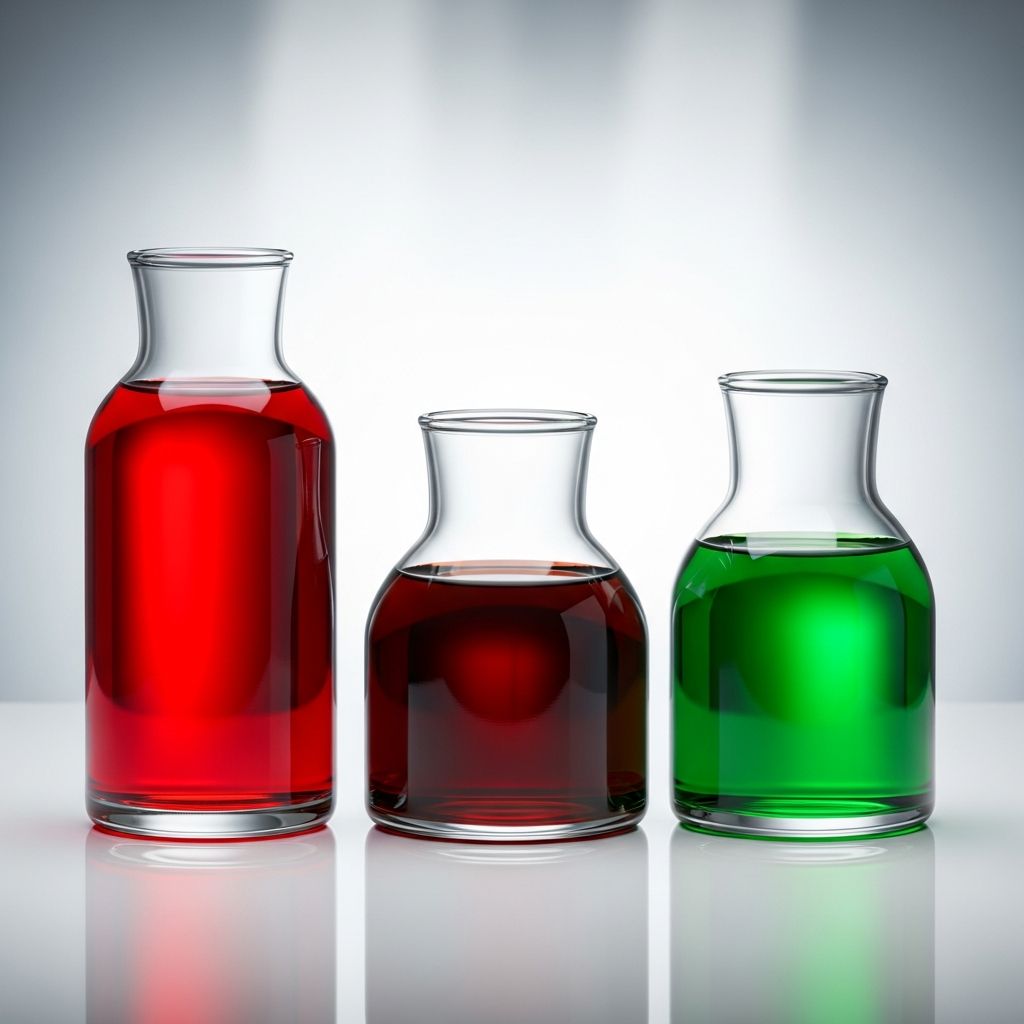
Red or Pink Urine: Possible Hematuria
Red or pink urine can result from either benign dietary causes or serious medical conditions. Before assuming the worst, consider your recent diet. Certain foods naturally contain pigments that can turn urine red or pink, including beets, rhubarb, blackberries, and blueberries. These foods are harmless, and the color change is temporary.
However, red or pink urine can also indicate the presence of blood in your urine, a condition called hematuria. This warrants medical attention because blood in urine can stem from several conditions. Urinary tract infections, particularly severe ones, can cause hematuria. Kidney stones can scratch the urinary tract and cause bleeding. Enlarged prostate glands in men can result in bloody urine. More concerning possibilities include tumors in the bladder or kidney. If your red or pink urine persists, appears without an obvious dietary explanation, or is accompanied by pain, fever, or other symptoms, contact your healthcare provider promptly.
Brown or Dark Brown Urine: Liver and Blood Concerns
Brown or dark brown urine deserves serious attention. Unlike some other color changes, brown urine rarely has a benign cause. Several significant medical conditions can produce brown urine. Liver disease is a primary concern, as bile that would normally be excreted through stool can back up into the bloodstream and color urine brown. Hemolytic anemia, a condition where red blood cells break down too quickly, can cause bilirubin to accumulate and turn urine brown. A blocked bile duct prevents normal bile flow and can also result in brown urine.
If you notice brown or dark brown urine, particularly if it’s accompanied by other symptoms like jaundice (yellowing of skin and eyes), abdominal pain, fatigue, or pale stools, contact your doctor immediately. Brown urine can also indicate rhabdomyolysis, a serious condition involving muscle tissue breakdown, or porphyria, a rare metabolic disorder. Don’t delay in seeking medical evaluation for this symptom.
Orange Urine: Multiple Possible Causes
Orange urine can result from several different causes, ranging from simple to complex. Severe dehydration is one possibility—orange urine may appear when you’re extremely lacking in fluids, similar to how dark yellow urine indicates moderate dehydration. Increasing your water intake often resolves orange urine from this cause.
Certain medications can also turn urine orange. Medications like phenazopyridine (used to treat urinary pain), sulfasalazine (an anti-inflammatory), and some chemotherapy drugs commonly cause orange urine. If you’ve recently started a new medication and noticed orange urine, check the medication’s side effect profile or ask your pharmacist.
More concerning causes of orange urine include liver or bile duct problems. If orange urine accompanies pale or clay-colored stools, it may indicate that bile is backing up into your bloodstream due to liver dysfunction or a blocked bile duct. Adult-onset jaundice can also produce orange urine. Additionally, certain medical tests that use dyes to examine your kidneys or bladder can temporarily turn your urine orange. If you’ve had no recent medications or medical procedures and your orange urine persists, schedule a visit with your healthcare provider.
Blue or Green Urine: Infections and Rare Conditions
Blue or green urine sounds unusual, but it does occur. In most cases, artificial food colorings or dyes are responsible. Brightly colored drinks, candies, or foods with blue or green dyes can tint your urine similar colors. This is harmless and temporary.
However, persistent blue or green urine can indicate a urinary tract infection caused by the bacterium Pseudomonas aeruginosa. This bacterium produces pigments called pyocyanin and pyoverdin that color urine blue or green. A UTI from this organism requires antibiotic treatment. Jaundice can also cause greenish-tinged urine when biliverdin, a bilirubin breakdown product, colors the urine.
Rare genetic conditions can also produce blue or green urine. Hartnup disease, an inherited amino acid metabolism disorder, can cause the urine to appear green. Blue diaper syndrome, another rare metabolic condition, produces bluish or bluish-green urine. If you have persistent unexplained blue or green urine, consult your healthcare provider for proper diagnosis.
Cloudy or Milky Urine: Urinary Tract Infection
Cloudy or milky urine typically indicates a urinary tract infection. The cloudiness results from white blood cells and bacteria in the urine as your body fights the infection. UTIs usually produce additional symptoms including urinary urgency, painful urination, lower abdominal discomfort, and sometimes fever. If your urine appears cloudy or milky and you experience these symptoms, contact your healthcare provider. UTIs respond well to antibiotic treatment when caught early.
When to Seek Medical Attention
While many urine color changes are harmless and resolve quickly, certain situations warrant medical evaluation. Seek immediate medical attention if you experience persistent color changes that can’t be explained by diet or medications, blood in your urine, dark brown urine, pain during urination, fever accompanying color changes, or color changes combined with jaundice, abdominal pain, or other concerning symptoms.
Even if symptoms seem mild, persistent unexplained urine color changes deserve professional evaluation. Many serious conditions are more easily treated when caught early. Don’t hesitate to contact your doctor with concerns about urine color changes.
Medications and Supplements That Affect Urine Color
Various medications and supplements can alter urine color as a normal, harmless side effect. B-complex vitamins and B vitamin supplements frequently cause bright neon yellow urine, particularly when you consume more than your body needs. This is completely harmless. Antimalarial medications like chloroquine and quinine can turn urine dark brown or black. Certain antibiotics, particularly ones containing sulfa compounds, can color urine orange or brown. Laxatives containing senna can darken urine. Phenolphthalein, found in some medications, can cause pink or reddish urine. If you’ve recently started a new medication or supplement and notice urine color changes, review the medication information or consult your pharmacist to determine whether the color change is expected.
Foods That Naturally Change Urine Color
Many foods contain natural pigments that survive digestion and color your urine. Beets and beetroot juice are famous for producing red or pink urine. Rhubarb can cause similar coloring. Blackberries and blueberries contain anthocyanins that may tint urine red or purple. Carrots and other foods high in beta-carotene can create yellow or orange-tinged urine. Highly dyed foods, artificial sodas with bright colors, and certain candies can produce various urine colors matching or relating to their dyes. These color changes are completely harmless and disappear within a day or two of discontinuing the food.
Hydration and Urine Color: Your Daily Guide
Using urine color as a hydration indicator provides real-time feedback about your water intake. During the day, your urine color may shift based on how much you’re drinking. When you first wake up after sleeping, your urine is typically darker because you haven’t consumed fluids overnight. This is normal. As you drink water throughout the morning and day, your urine should gradually lighten. By midday, with consistent water consumption, your urine should be light yellow or nearly clear. If your urine remains dark despite drinking fluids, you may need to drink more water or consult a healthcare provider about other factors affecting your hydration status.
Frequently Asked Questions About Urine Color
Q: Is dark urine first thing in the morning abnormal?
A: No, dark urine upon waking is completely normal. During sleep, you don’t consume fluids for several hours, so your urine becomes more concentrated. This temporarily darkens the color. As you drink fluids after waking, your urine will lighten throughout the day.
Q: Can urine color indicate kidney disease?
A: Urine color can provide clues about kidney function. In early stages of kidney disease, urine may appear normal yellow but might become foamy due to protein in the urine. Advanced kidney disease may produce dark amber, red, or brown urine. However, urine color alone cannot diagnose kidney disease—medical testing is necessary.
Q: What should I do if my urine is bright orange?
A: First, consider recent medications or foods. Certain medications cause harmless orange urine. Severe dehydration can produce orange urine. Increase your water intake for a day or two. If orange urine persists despite increased hydration and you’re not taking medications known to cause it, contact your healthcare provider to rule out liver or bile duct issues.
Q: Can anxiety or stress change urine color?
A: Stress itself doesn’t directly change urine color, but it can indirectly affect it. Stress may cause you to drink less water or skip bathroom visits, leading to concentrated, darker urine. Additionally, stress-related conditions might affect overall health and produce color changes.
Q: Is green urine always caused by infection?
A: No, green urine has multiple causes. Artificial food dyes are a common, harmless cause. The Pseudomonas aeruginosa bacterial infection is a medical cause requiring treatment. Rare genetic conditions can also produce green urine. The cause depends on your specific situation.
Q: How quickly does urine color change when dehydration occurs?
A: Urine color can darken within hours of reduced fluid intake. However, it also lightens quickly once you resume normal hydration. The urinary system continuously filters and concentrates urine, so color changes can be relatively rapid.
Conclusion: Listen to What Your Urine Is Telling You
Your urine color serves as a simple but informative window into your body’s hydration status and overall health. While most urine color changes are harmless and temporary, caused by diet, medications, or normal hydration fluctuations, some colors warrant medical attention. Use this guide to interpret common urine color changes, but remember that you know your body best. If anything seems unusual or if color changes persist without an obvious explanation, don’t hesitate to consult your healthcare provider. Early detection of health issues through careful observation of subtle signs like urine color can make a significant difference in treatment outcomes and your overall health. Pay attention to your body’s signals—your urine is trying to tell you something.
References
- Understanding the Color of Your Urine — Byram Healthcare. 2024. https://www.byramhealthcare.com/blogs/understanding-the-color-of-your-urine
- Urine Color Chart: What’s Normal and When to See a Doctor — Healthline. 2024-08-26. https://www.healthline.com/health/urine-color-chart
- What Causes Green Urine, and When Should I See a Doctor? — Healthgrades. 2024. https://resources.healthgrades.com/right-care/kidneys-and-the-urinary-system/green-urine
- National Institute of Diabetes and Digestive and Kidney Diseases — National Institutes of Health. 2024. https://www.niddk.nih.gov/health-information/kidney-disease
- Urinary System Overview — Mayo Clinic. 2024. https://www.mayoclinic.org/diseases-conditions/urinary-tract-infection/symptoms-causes/syc-20353447
Similar Articles








Read full bio of Sneha Tete