Urine Culture: Purpose, Procedure & Results
Learn how a urine culture test helps diagnose urinary tract infections and guides effective treatment.
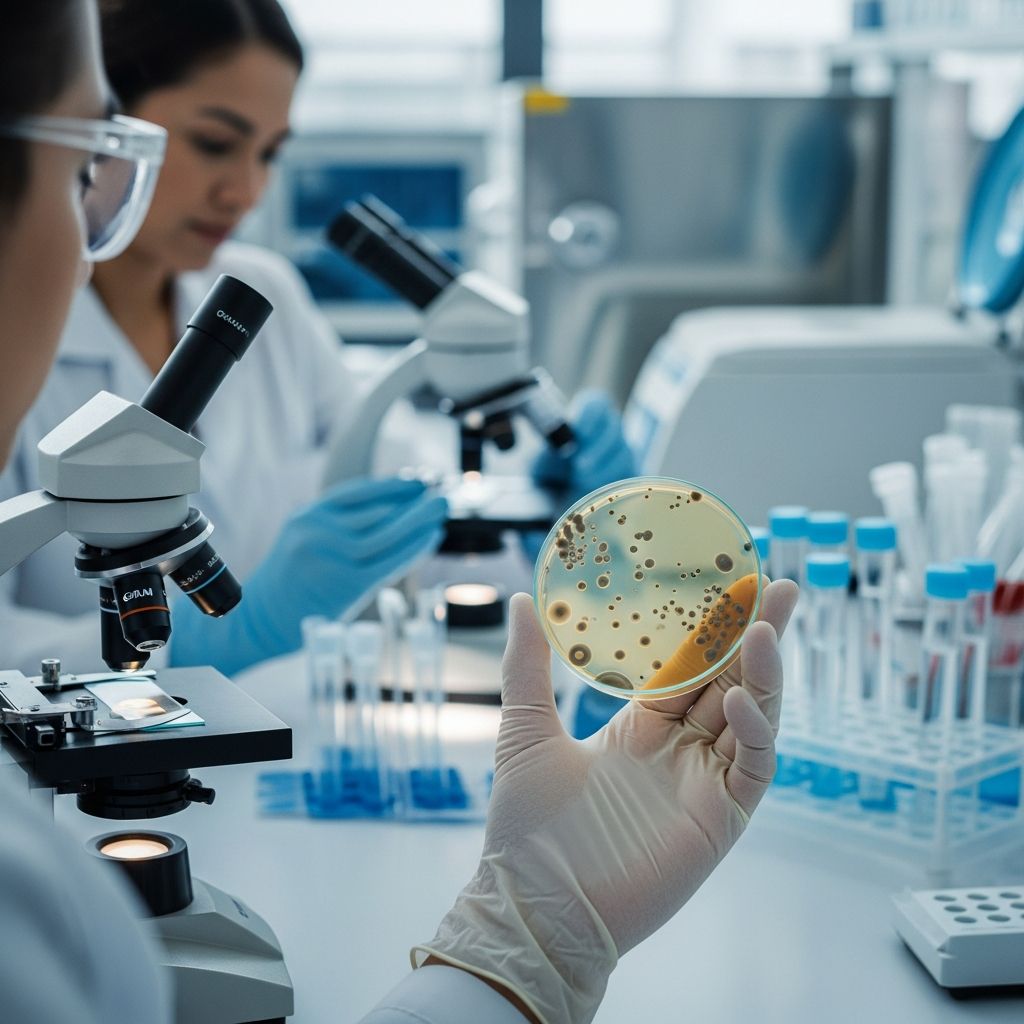
What Is a Urine Culture?
A urine culture is a laboratory test used to check for the presence of bacteria or fungi in a urine sample. This test is primarily performed to diagnose urinary tract infections (UTIs) and to identify the specific microorganism causing the infection. By growing the bacteria or fungi from the urine, healthcare providers can determine the most effective treatment, especially which antibiotics will work best against the infection.
Purpose of a Urine Culture
The main purpose of a urine culture is to:
- Confirm the presence of a urinary tract infection (UTI)
- Identify the specific bacteria or fungi causing the infection
- Determine which antibiotics or antifungal medications are most effective for treatment
- Monitor the effectiveness of ongoing treatment for recurrent or complicated UTIs
When Is a Urine Culture Ordered?
Healthcare providers may recommend a urine culture if you have symptoms of a UTI, such as:
- Pain or burning during urination
- Frequent urge to urinate
- Cloudy, dark, or foul-smelling urine
- Lower abdominal pain
- Fever or chills (especially if the infection has spread to the kidneys)
A urine culture may also be ordered if:
- A urinalysis suggests infection but does not confirm it
- You have recurrent UTIs
- You are pregnant (to prevent complications)
- You have a complicated UTI (such as pyelonephritis or infection in males)
- You are not responding to initial antibiotic treatment
How Is a Urine Culture Performed?
The urine culture procedure involves collecting a urine sample and sending it to a laboratory for analysis. The steps are as follows:
Sample Collection
There are several ways to collect a urine sample for culture:
- Clean-catch midstream urine: This is the most common method. You clean the genital area, start urinating, and then collect the middle portion of the stream in a sterile container.
- Catheterized urine: A healthcare provider inserts a catheter into the bladder to collect urine, especially if you cannot urinate on your own or if a clean sample is needed.
- Suprapubic aspiration: A needle is inserted through the skin into the bladder to collect urine, usually in infants or when other methods are not possible.
Lab Processing
Once the sample is collected, it is sent to the lab. A lab technician will:
- Transfer a small amount of urine to a culture plate containing nutrients that encourage bacteria or fungi to grow.
- Incubate the plate for 24–48 hours to allow any microorganisms to multiply.
- Examine the plate for colonies of bacteria or fungi.
- Count the number of colonies to determine if the growth is significant (indicating infection) or contamination.
Antibiotic Sensitivity Testing
If bacteria or fungi grow in the culture, the lab will perform an antibiotic sensitivity (or susceptibility) test. This test identifies which antibiotics or antifungals are most effective at killing or stopping the growth of the microorganism. This information helps your healthcare provider choose the best treatment.
Related Stories



What Do the Results Mean?
Urine culture results are typically reported as:
- Negative: No bacteria or fungi grew in the culture. This means there is no evidence of infection.
- Positive: Bacteria or fungi grew in the culture. The report will list the type of microorganism and the antibiotics that are effective against it.
- Contaminated: The sample may have been contaminated with normal flora from the skin or genital area. This can happen if the sample was not collected properly.
Interpreting Colony Counts
The number of bacteria (colony-forming units, or CFU) in the urine helps determine if the growth is significant:
| Colony Count (CFU/mL) | Interpretation |
|---|---|
| < 10,000 | Usually considered contamination |
| 10,000–100,000 | May be significant, especially if symptoms are present |
| > 100,000 | Strongly suggests infection |
Common Bacteria Found in Urine Cultures
The most common bacteria causing UTIs are:
- Escherichia coli (E. coli) — the most frequent cause of UTIs
- Klebsiella spp.
- Enterobacter spp.
- Proteus spp.
- Enterococcus spp.
Less commonly, fungi such as Candida may be found, especially in people with weakened immune systems or those who have been on antibiotics for a long time.
What Happens After a Positive Urine Culture?
If your urine culture is positive, your healthcare provider will:
- Review the antibiotic sensitivity results
- Prescribe the most effective antibiotic or antifungal medication
- Monitor your symptoms and may repeat the test to ensure the infection has cleared
- Consider further evaluation if you have recurrent or complicated UTIs
Limitations and Considerations
While urine culture is a reliable test, there are some limitations:
- It takes 2–3 days to get results, so treatment may be started before the culture is complete.
- Improper collection can lead to contamination and false results.
- Some bacteria may not grow in standard culture media, requiring special tests.
- Asymptomatic bacteriuria (bacteria in urine without symptoms) is common in certain groups (such as older adults) and may not require treatment.
Frequently Asked Questions (FAQs)
Q: How long does it take to get urine culture results?
A: Results are usually available within 2–3 days, but antibiotic sensitivity testing may take an additional 1–2 days.
Q: Can a urine culture detect all types of infections?
A: Urine culture is best for detecting bacterial and fungal infections. Viral infections and some rare bacteria may not be detected by standard culture methods.
Q: What should I do if my urine culture is negative but I still have symptoms?
A: If symptoms persist, your healthcare provider may repeat the test, order additional tests, or consider other causes of your symptoms.
Q: Is a urine culture painful?
A: The test itself is not painful. Collecting urine by clean-catch is painless. Catheterization or suprapubic aspiration may cause some discomfort but is usually well-tolerated.
Q: Can I eat or drink before a urine culture?
A: Yes, you can eat and drink normally before the test. No special preparation is needed unless your provider instructs otherwise.
References
- Urine Culture: What It Is, Purpose, Procedure & Results — Cleveland Clinic. 2023. https://my.clevelandclinic.org/health/diagnostics/22126-urine-culture
- Diagnostic stewardship for urinary tract infection: A snapshot of the … — Cleveland Clinic Journal of Medicine. 2022. https://www.ccjm.org/content/89/10/581
- Bacteria Culture Test: MedlinePlus Medical Test — MedlinePlus. 2023. https://medlineplus.gov/lab-tests/bacteria-culture-test/
Similar Articles








Read full bio of Sneha Tete