Urine Infection In Older People: Symptoms, Treatment, Prevention
Understanding urinary tract infections in older adults: symptoms, diagnosis, treatment, and prevention strategies for better health.
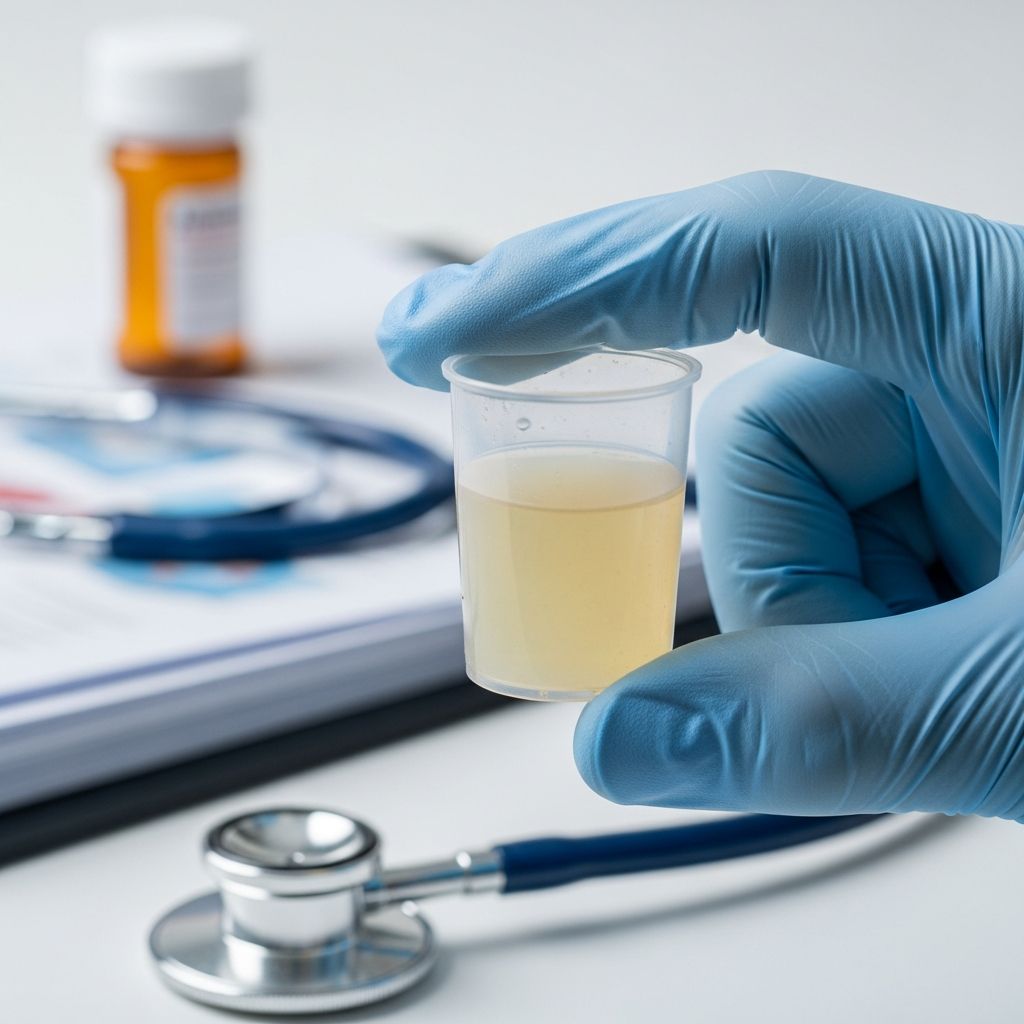
Urinary tract infections (UTIs), commonly known as urine infections, are more prevalent and often present differently in older adults compared to younger individuals. In seniors, classic symptoms like burning on urination may be absent, with confusion or falls being common indicators instead. This article explores symptoms, causes, diagnosis, treatment, and prevention tailored to older people.
What is a Urine Infection?
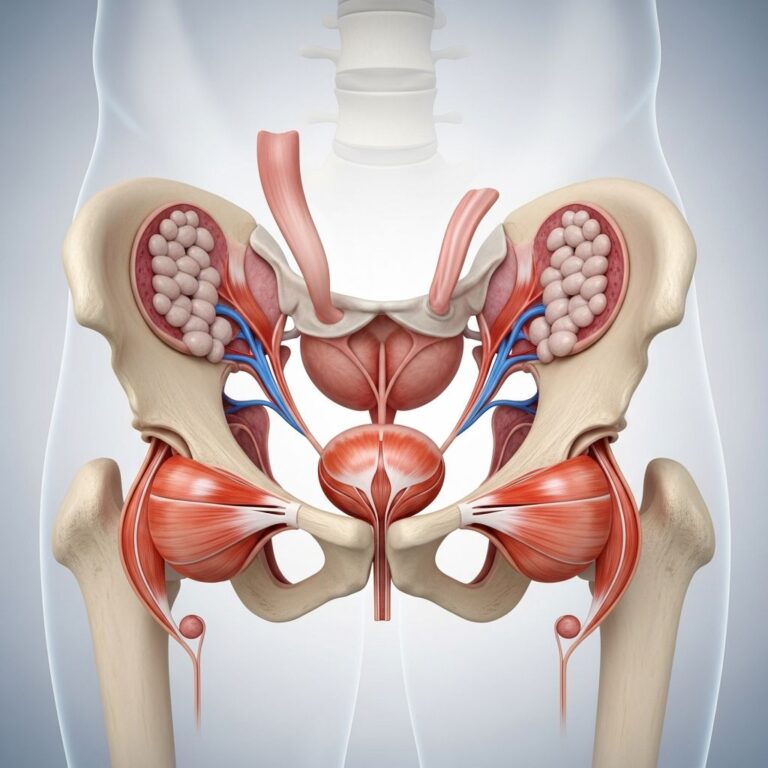
A urine infection occurs when bacteria, usually E. coli, enter the urinary tract and multiply, leading to inflammation. In older people, UTIs can affect the bladder (cystitis), kidneys (pyelonephritis), or prostate in men. Unlike in young women, UTIs in seniors and men are considered complicated due to anatomical changes and comorbidities, requiring longer treatment.
The urinary tract includes the kidneys, ureters, bladder, and urethra. Bacteria ascend from the urethra, and in older adults, factors like reduced bladder emptying increase risk. Asymptomatic bacteriuria (ASB)—bacteria in urine without symptoms—is common in elderly persons (up to 30% in community-dwellers) but should not be treated unless specific conditions apply.
Symptoms of Urine Infection in Older People
Older adults often lack typical UTI symptoms. Chronic urinary issues like frequency and incontinence are baseline in many seniors, masking infection. Key atypical symptoms include:
- Sudden confusion or delirium (delirium from UTI)
- Falls or reduced mobility
- Incontinence worsening
- Fatigue or loss of appetite
- Fever (less common)
Classic symptoms, when present, are:
- Pain or burning when passing urine (dysuria)
- Frequent, urgent need to urinate
- Cloudy, smelly, or bloody urine
- Lower abdominal or back pain
- Nausea or vomiting in upper tract infections
In men, prostate involvement may cause pelvic pain. A high index of suspicion is crucial, as one-third of elderly women have incontinence complicating diagnosis.
Causes in Older People
Several age-related factors predispose older adults to UTIs:
- Incomplete bladder emptying: Due to prostate enlargement in men, bladder prolapse, or neurogenic bladder
- Catheter use: Common in frail elderly, increasing multidrug-resistant infections
- Frailty and comorbidities: Diabetes, dementia, immobility raise susceptibility
- Menopause/post-menopause: Reduced estrogen leads to urethral changes (in women)
- Prostate issues in men: Benign prostatic hyperplasia (BPH) obstructs flow
Recurrent UTIs are common; in elderly men, prostate penetration by bacteria necessitates specific antibiotics.
Diagnosis
Diagnosing UTIs in older people requires caution to avoid over-treatment of ASB. Steps include:
- History and exam: Assess for new symptoms like mental status change or dysuria
- Urine dipstick: Nitrite and leucocyte esterase suggest infection, but not definitive
- Mid-stream urine (MSU) culture: Gold standard; >105 CFU/mL with symptoms confirms
- Avoid catheter samples unless necessary: Change catheter first for accurate sampling
Pyuria with bacteriuria correlates with dysuria or urine character change, but mental status changes alone warrant investigation. Imaging or urology referral if recurrent or structural issues suspected.
Related Stories



Treatment of Urine Infection
Treat all elderly UTIs as complicated: longer courses (7-14 days) with culture-guided antibiotics. Empiric choices:
| Patient Group | First-line Antibiotic | Duration | Notes |
|---|---|---|---|
| Elderly Women | TMP-SMX or Fluoroquinolone (e.g., Ciprofloxacin) | 10-14 days | 96% cure with Cipro vs 87% TMP-SMX |
| Elderly Men | Fluoroquinolone (e.g., Levofloxacin 250mg/d) | 14 days min | Superior prostate penetration |
| Hospitalized | 3rd-gen Cephalosporin or Nitrofurantoin | Per severity | Nitrofurantoin effective outpatient |
| Complicated/MDR | Broad-spectrum (e.g., Piperacillin-Tazobactam) | 7+ days | De-escalate per sensitivities |
Supportive care: Hydrate, frequent voiding, heat pads, phenazopyridine for symptoms. Complete course to prevent resistance. For sepsis/pyelonephritis, hospitalize with IV antibiotics.
Complications
Untreated UTIs in older people can lead to:
- Sepsis: Life-threatening; requires urgent IV therapy
- Pyelonephritis: Kidney infection with flank pain, fever
- Chronic kidney damage: Rare but possible with recurrence
- Prostatitis in men: Persistent pelvic pain
Relapse common; repeat cultures mandatory. No routine prophylaxis due to resistance risk.
Prevention of Urine Infections
Preventive strategies for older adults:
- Hydration: 1.5-2L water daily to flush bacteria
- Regular voiding: Avoid holding urine
- Hygiene: Wipe front-to-back; post-sex voiding
- Manage constipation: Aids bladder emptying
- Catheter care: Minimize use; aseptic technique
- Treat underlying issues: Prostate surgery if recurrent
- Cranberry products: Limited evidence but low-risk
Avoid screening/treating ASB routinely.
When to See a Doctor
Seek immediate care for:
- New confusion, falls, or weakness
- Fever >38°C or chills
- Blood in urine or severe pain
- Persistent symptoms post-treatment
- Recurrent infections (3+ in year)
Caregivers: Monitor frail elderly closely.
Urine Infection in Older Men
Men over 60 have higher UTI risk due to prostate enlargement obstructing flow. Symptoms include weak stream, retention. Fluoroquinolones preferred for prostate penetration; 14-day courses standard. Urology referral for BPH or stones.
Frequently Asked Questions
What causes confusion in older people with UTI?
UTIs trigger delirium via toxins/cytokines; resolves with treatment.
Do all elderly with bacteria in urine need antibiotics?
No, treat ASB only before prostate surgery or bleeding urologic procedures.
How long do antibiotics take to work?
Improvement in 48 hours; complete full course.
Can UTIs cause falls?
Yes, via confusion, weakness, or pain.
Is cranberry juice effective prevention?
Mixed evidence; hydration more reliable.
References
- Urinary Tract Infections in Elderly Patients: How Best to Diagnose and Treat — Consultant360. 2023. https://www.consultant360.com/content/urinary-tract-infections-elderly-patientshow-best-diagnose-and-treat
- Urinary Tract Infections (UTIs) in Men: Causes, Symptoms — WebMD. 2024-10-15. https://www.webmd.com/men/urinary-tract-infection-in-men
- Chapter 32: Urinary Tract Infections in Elderly Persons — American Society of Nephrology. 2022. https://www.asn-online.org/education/distancelearning/curricula/geriatrics/Chapter32.pdf
- Diagnosis and management of urinary infections in older people — PMC/NCBI (NIH). 2018-03-19. https://pmc.ncbi.nlm.nih.gov/articles/PMC5873814/
- UTI in seniors: Symptoms, causes, and dementia — Medical News Today. 2023. https://www.medicalnewstoday.com/articles/322770
Similar Articles








Read full bio of medha deb