Urodynamic Testing: Purpose, Procedure & Results
Complete guide to urodynamic testing: understand how doctors diagnose bladder and urinary tract disorders.
Understanding Urodynamic Testing
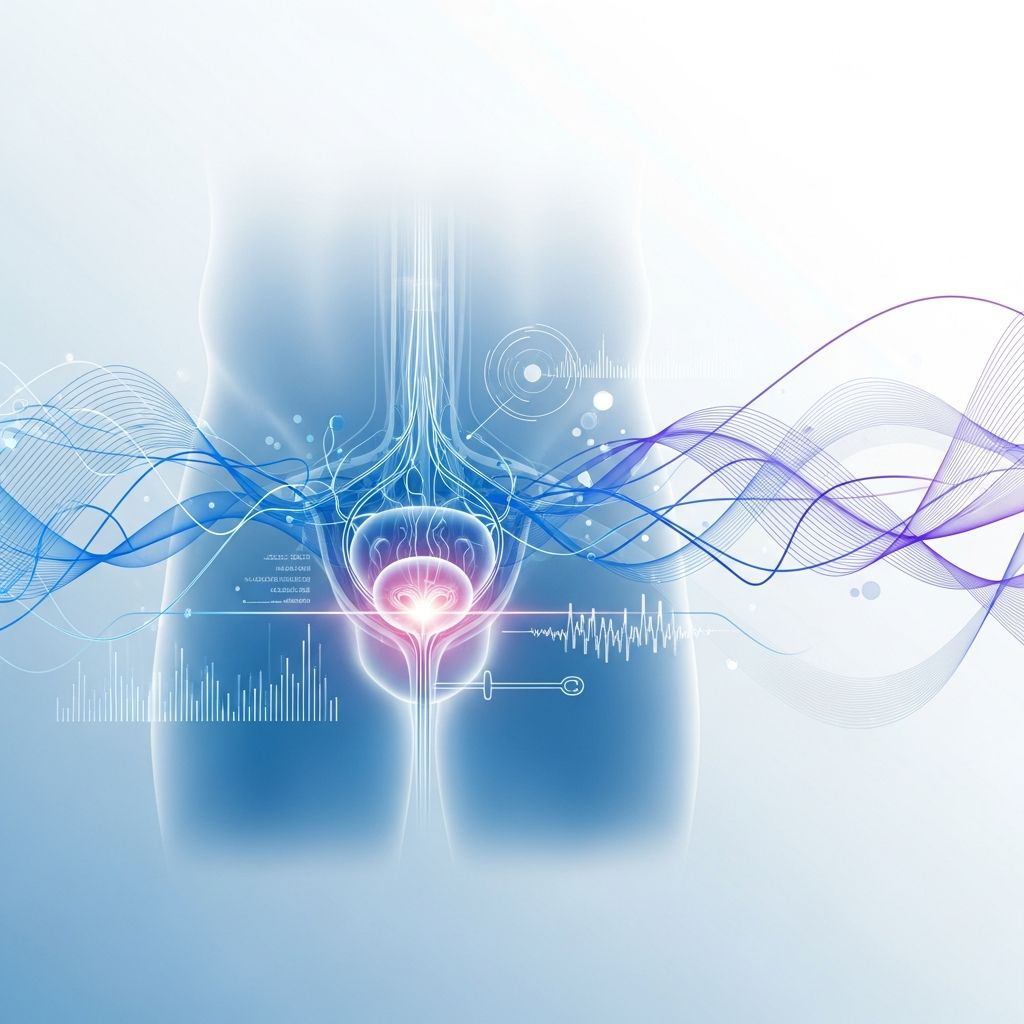
Urodynamic tests are specialized diagnostic procedures that measure how your lower urinary system functions. These tests help healthcare providers identify problems with your bladder, urinary sphincter, and urethra—collectively known as your lower urinary tract. By evaluating how well your body stores and releases urine, urodynamic testing provides valuable insights into the causes of various urinary symptoms and conditions.
Your healthcare provider may recommend urodynamic testing if you’re experiencing symptoms that suggest your lower urinary tract isn’t functioning properly. The results of these tests allow your doctor to develop a personalized treatment plan tailored to your specific condition and symptoms.
What Urodynamic Tests Measure
Urodynamic tests evaluate several key aspects of urinary system function:
- How much urine your bladder can hold
- Bladder pressure during filling and emptying
- How quickly urine flows from your body
- Muscle coordination between your bladder and sphincter
- Whether urine leaks involuntarily
Why You Might Need Urodynamic Testing
Healthcare providers recommend urodynamic testing when patients experience symptoms suggesting lower urinary tract dysfunction. Common symptoms that warrant testing include:
- Involuntary leakage of urine or total loss of bladder control
- Frequent urination, especially during nighttime hours
- Difficulty emptying your bladder completely
- Recurrent urinary tract infections
- Sudden and intense urges to urinate
- Pain during urination
- Problems starting or stopping your urine flow
If left untreated, conditions such as benign prostatic hyperplasia (BPH) or overactive bladder can gradually worsen over time, making early diagnosis and intervention important.
Types of Urodynamic Tests
Your urologist may order different types of urodynamic tests depending on your specific symptoms and which part of your urinary system needs evaluation. Often, patients complete several assessments to get a complete picture of urinary function, especially if initial results are inconclusive or the cause of symptoms remains unclear.
Cystometry (Cystometrogram)
Cystometry examines your bladder and its storage capacity. This test is particularly useful for patients who have difficulty physically responding to signals from the brain regarding bladder emptying. When communication between your brain and bladder is disrupted, you might think you’re emptying your bladder completely when you’re actually retaining large amounts of urine. This can lead to frequent urination and involuntary leaks.
During cystometry, your bladder is slowly filled with a warm, sterile solution. You might be asked to cough or strain while your bladder is filling so that your leak point pressure can be recorded. At the end of the test, you’ll be asked to empty your bladder while a manometer measures your bladder pressure and flow rate.
Pressure Flow Study
This test is often performed alongside cystometry and measures how much pressure you need to exert to establish a normal urine flow. It helps identify obstruction or weakness in your urinary system and provides important information about whether your bladder muscles are contracting properly during voiding.
Related Stories



Leak Point Pressure Measurement
As a component of cystometry, this measurement determines at what bladder capacity urine begins to leak involuntarily. This information helps your doctor understand the severity of your incontinence and guides treatment recommendations.
Uroflowmetry
Uroflowmetry tracks your urine flow by measuring two primary components: the total volume of urine and the speed at which you urinate. Results often alert urologists to issues such as weakened muscles or blocked urine flow that may be causing your symptoms.
Electromyography (EMG)
If your urologist suspects that your symptoms result from nerve or muscle dysfunction in your urinary system, they may recommend electromyography. This test uses sensors to measure sphincter and bladder activity and how well they respond to your body’s signals. It’s particularly useful for identifying neurological causes of incontinence or retention.
Video Urodynamic Testing
Video urodynamic tests combine cystometry, uroflowmetry, and X-ray cystography into a single comprehensive examination. Digital equipment used in this test measures urine flow and pressure in your bladder and rectum using X-rays. The equipment takes images of your bladder during both filling and emptying phases, providing detailed visual information about bladder and urethral function and showing the size and shape of your bladder.
What to Expect During the Procedure
Understanding what happens during urodynamic testing can help reduce anxiety and prepare you for the experience. The exact length of the test varies, but you can expect it to take 30 to 45 minutes on average.
During the procedure, a small catheter (thin tube) will be placed into your bladder through your urethra. Your healthcare provider will then slowly fill your bladder with a warm, sterile solution. You’ll be asked to report when you first feel the urge to urinate and when your bladder feels full. Throughout the filling phase, the equipment records bladder pressure and your body’s response.
Depending on which tests your doctor orders, you may be asked to cough or strain during filling so that your leak point pressure can be measured. At the end of the test, you’ll empty your bladder while the manometer records your bladder pressure and urine flow rate. Video urodynamic testing may include X-ray imaging during these phases to capture detailed images of your bladder function.
Safety and Risks
Urodynamic testing is extremely safe and reliable. The procedure carries minimal risk, though there is a small chance of developing a urinary tract infection due to catheter insertion into your urethra. Most patients tolerate the procedure well without serious complications.
However, if you develop symptoms of infection after the test—such as fever, chills, or pain—you should call your healthcare provider immediately. These symptoms are uncommon but warrant prompt medical attention.
Understanding Your Results
Most urodynamic tests will be concluded after approximately 30 minutes, depending on the particular test being performed. Your physician will often consult with you afterward to discuss the outcome of your assessment. More complex tests such as electromyography typically require a couple of days before results become available.
The goal of urodynamic testing is to determine the definitive cause of your urinary discomfort. Once your healthcare provider has identified the source of your symptoms through testing, they can recommend individualized treatment options tailored to your specific condition.
Your results will show how well your bladder stores and releases urine and whether your urinary sphincter and other structures are functioning properly. This information is crucial for diagnosing conditions like overactive bladder, urinary incontinence, retention problems, and neurogenic bladder dysfunction.
Advanced Technology: The Glean Urodynamics System
Recent innovations in urodynamic testing technology have improved patient comfort and testing capabilities. Cleveland Clinic is the first facility to use the Glean™ Urodynamics System, the first wireless, catheter-free method of urodynamic monitoring, which received FDA clearance in March 2025. This breakthrough device was developed by Bright Uro based on foundational technology created at Cleveland Clinic.
The Glean Urodynamics System offers more comfortable and accurate testing while allowing monitoring of bladder activity during normal daily activities. This represents a significant advancement over conventional urodynamic assessments, which have several limitations including patient discomfort from catheter insertion and the artificial laboratory setting in which testing occurs. The wireless, insertable pressure sensor eliminates the need for traditional catheters, making the procedure less painful and embarrassing for patients.
Conditions Diagnosed Through Urodynamic Testing
Urodynamic testing helps diagnose a wide range of urinary system disorders affecting your bladder, urinary sphincter, and urethra. These conditions include:
- Urinary incontinence (stress, urge, or mixed types)
- Overactive bladder syndrome
- Benign prostatic hyperplasia (BPH)
- Neurogenic bladder dysfunction
- Urinary retention
- Bladder outlet obstruction
- Recurrent urinary tract infections
- Interstitial cystitis
Next Steps After Testing
After your urodynamic testing is complete and results are available, your healthcare provider will discuss the findings with you in detail. Based on your results, treatment options may include behavioral modifications, medications, physical therapy, or in some cases, surgical interventions. Your doctor will explain what your results mean and work with you to develop a treatment plan that addresses your specific symptoms and improves your quality of life.
It’s important to follow up with your healthcare provider as recommended to monitor your condition and ensure your treatment plan is effective. If your symptoms don’t improve with initial treatment, additional testing or adjustments to your treatment plan may be necessary.
Frequently Asked Questions
Q: Is urodynamic testing painful?
A: Traditional urodynamic testing with catheter insertion can cause some discomfort, though most patients tolerate it well. The new Glean Urodynamics System eliminates catheter-related discomfort through its wireless, catheter-free design. Your healthcare provider can discuss pain management options if you have concerns.
Q: How long do results take?
A: Simple urodynamic tests typically provide results within a few days. More complex tests like electromyography may take a couple of days before results become available, depending on the analysis required.
Q: Can I return to normal activities after urodynamic testing?
A: Yes, you can typically return to normal activities immediately after the procedure. Your healthcare provider may recommend drinking extra fluids and watching for signs of urinary tract infection in the days following the test.
Q: What if my results are abnormal?
A: Abnormal results help your doctor identify the cause of your symptoms and develop an appropriate treatment plan. Treatment options vary depending on your specific diagnosis and may include medications, behavioral modifications, physical therapy, or surgical procedures.
Q: Are there any restrictions before urodynamic testing?
A: Your healthcare provider will give you specific instructions before your test. Generally, you should avoid urinating for about two hours before the procedure to ensure your bladder is full enough for accurate testing.
Q: Can urodynamic testing diagnose bladder cancer?
A: No, urodynamic testing measures bladder function rather than detecting cancer. If your doctor suspects cancer or other serious conditions, they may order additional diagnostic tests such as imaging studies or cystoscopy.
References
- Urodynamic Testing in Cleveland, OH — Cleveland Urology Associates. https://clevelandurology.net/services/urodynamic-testing-in-cleveland/
- Urodynamic Testing: Purpose, Procedure, Risks & Results — Cleveland Clinic. https://my.clevelandclinic.org/health/diagnostics/15684-urodynamic-testing
- Cleveland Clinic is First to Use Wireless, Catheter-Free Device to Monitor Bladder Dysfunction in Patients — MedTech Innovator. https://medtechinnovator.org/cleveland-clinic-is-first-to-use-wireless-catheter-free-device-to-monitor-bladder-dysfunction-in-patients-featuring-bright-uro/
- VA Research Center-developed Technology Is First Used Commercially in Patient at Cleveland Clinic — U.S. Department of Veterans Affairs. https://www.va.gov/northeast-ohio-health-care/stories/va-research-center-developed-technology-is-first-used-commercially-in-patient-at-cleveland-clinic
- Glean™ Urodynamics System – Cleveland Clinic Newsroom — Cleveland Clinic. 2025-06-10. https://newsroom.clevelandclinic.org/2025/06/10/cleveland-clinic-is-first-to-use-wireless-catheter-free-device-to-monitor-bladder-dysfunction-in-patients
- Urodynamics — Cleveland Clinic. https://my.clevelandclinic.org/-/scassets/files/org/florida/gynecology/minimally-invasive/2-urodynamics.pdf?la=en
Similar Articles








Read full bio of Sneha Tete